1.The Cosmic and the Personal
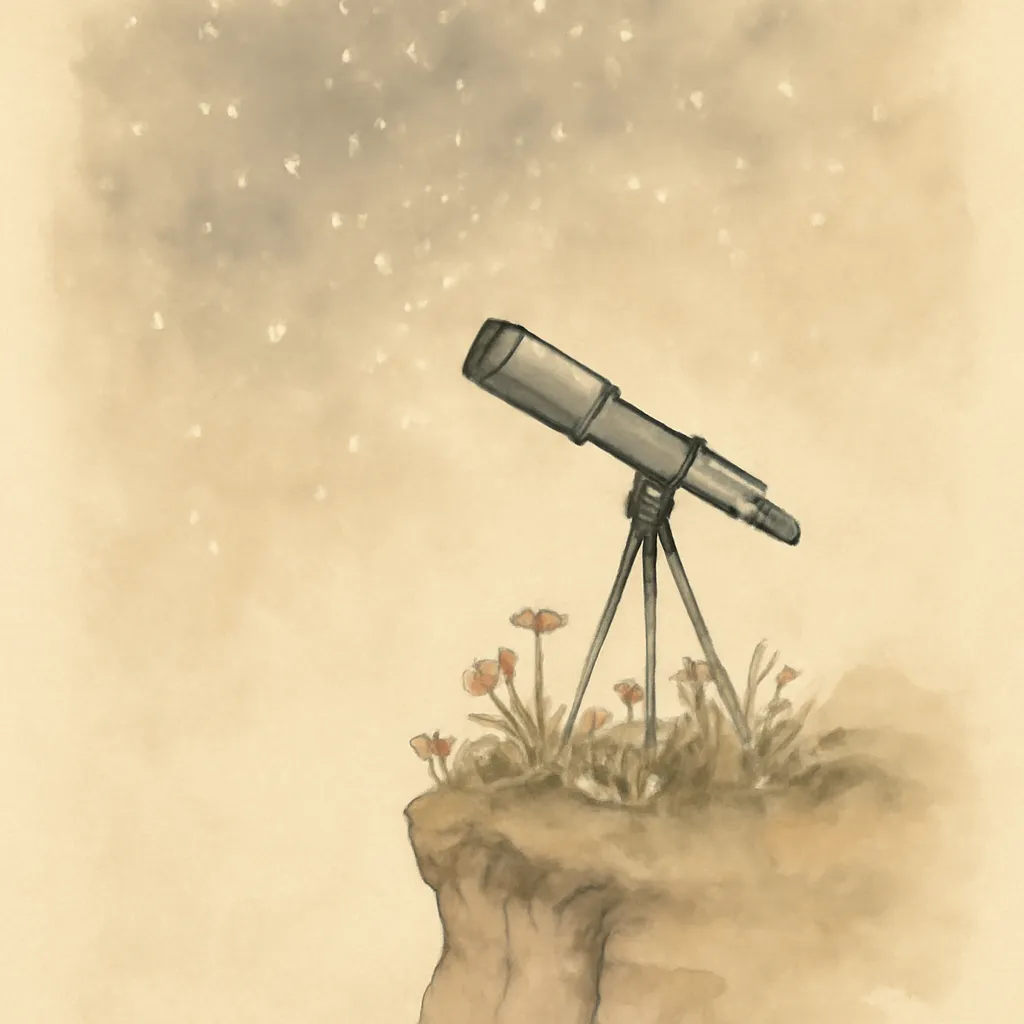
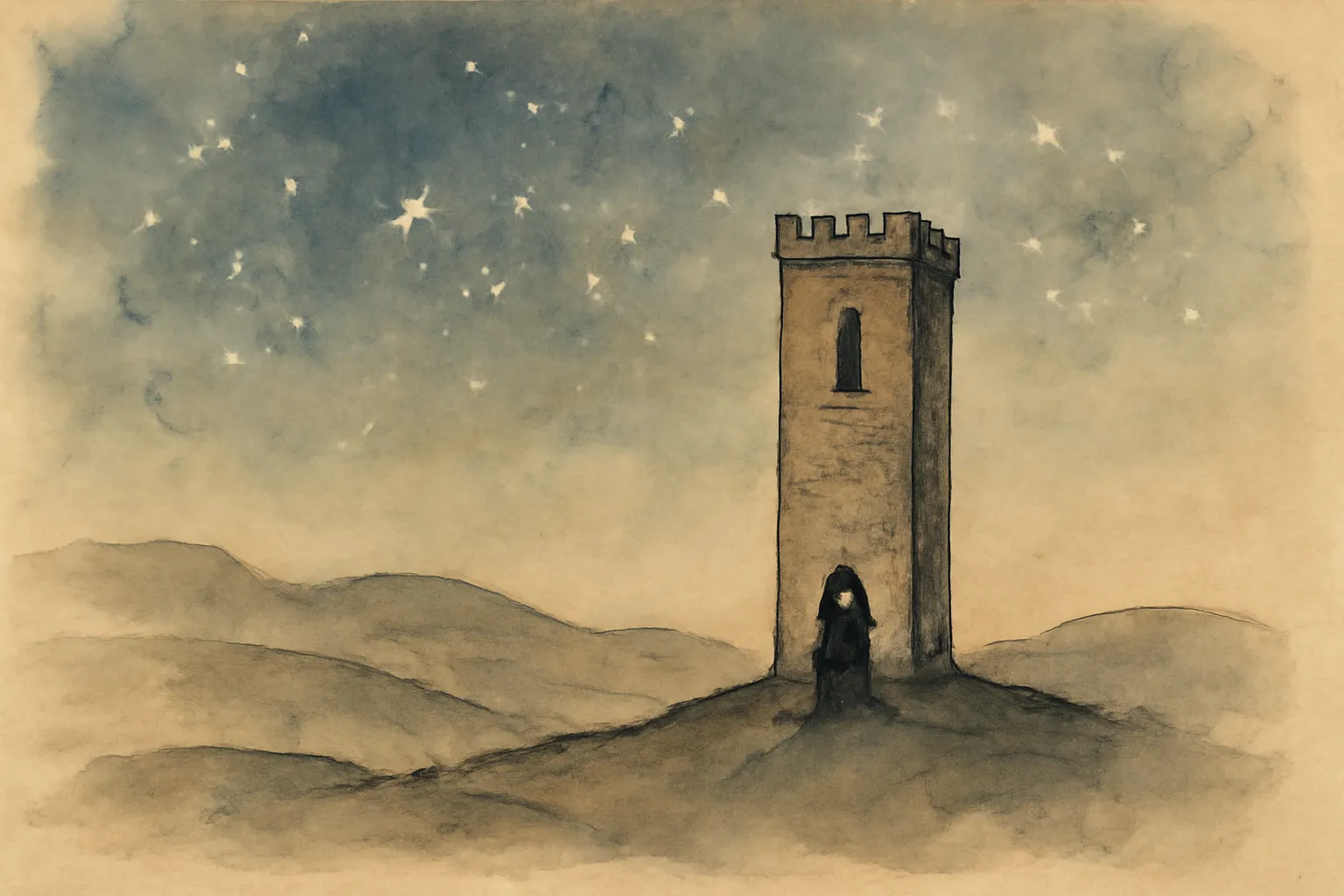
Hardy juxtaposes the vastness of the universe with the intimate struggles of his characters, suggesting that even the smallest lives can have profound significance. Lady Constantine and Swithin's relationship serves as a microcosm for exploring themes of ambition and desire. While Swithin is fixated on the stars and the mysteries of the cosmos, Lady Constantine's yearning for connection grounds their experiences in the tangible world. This interplay between the cosmic and the personal reflects Hardy's belief in the duality of human existence, where the grand and the mundane coexist. The tower, a symbol of aspiration and intellectual pursuit, becomes a meeting point for their disparate worlds, highlighting how love can transcend societal boundaries and personal limitations. As Swithin gazes into the night sky, he often finds himself torn between his intellectual pursuits and his emotional attachment to Lady Constantine, illustrating how love can dominate one's thoughts and priorities, often leading to self-discovery.
2.Age and Desire

The novel delves into the complexities of age and desire, particularly through the relationship between the older Lady Constantine and the younger Swithin. Their dynamic challenges societal norms regarding romance and propriety, as Lady Constantine grapples with her feelings for a man significantly younger than herself. Hardy skillfully portrays her internal conflict, balancing her longing for companionship with the fear of societal judgment. As a widow, Lady Constantine navigates the expectations placed upon her by society, and her attraction to Swithin awakens desires she believed were long buried. Swithin's youthful enthusiasm contrasts with Lady Constantine's more tempered, introspective nature, creating a tension that encapsulates the age difference. This theme is further complicated by the presence of Swithin's youthful ambitions, which invigorate Lady Constantine's life yet raise questions about power dynamics in their relationship. Hardy's exploration of this dynamic prompts readers to consider the authenticity of their connection against the backdrop of societal expectations and personal growth.
3.The Role of the Church

Hardy critiques the established Church's role in society, subtly weaving this theme throughout the narrative. Characters like Mr. Torkingham, the parish vicar, embody the moral rigidity often associated with religious institutions. While the church serves as a space for community and tradition, it also represents constraints on personal freedom and individual desires. Lady Constantine's relationship with Swithin challenges the church's moral codes, as their love defies conventional expectations. The church's influence is evident in the way it shapes the characters' decisions, compelling them to weigh their desires against moral expectations. Hardy's portrayal of the church reflects his skepticism about its ability to accommodate the complexities of human emotion, suggesting that rigid moral frameworks can stifle genuine connections. The characters navigate their feelings in a world where the church's authority looms large, raising questions about the boundaries of love and the potential for personal fulfillment outside established norms.
4.The Weight of Social Expectations

Throughout 'Two on a Tower,' Hardy illustrates the weight of social expectations and their impact on personal relationships. Lady Constantine's status as a widow subjects her to scrutiny and judgment, particularly regarding her interactions with Swithin. The pressures of maintaining appearances and adhering to societal norms create a tension that permeates their relationship. Swithin, too, faces the burden of his social standing as he navigates his ambitions as an astronomer. The couple's love story unfolds within a framework of societal constraints, forcing them to confront the limitations imposed by their respective positions. Hardy's exploration of these pressures emphasizes how societal judgments can shape individual choices, often leading characters to suppress their true desires. The internal conflict faced by both Lady Constantine and Swithin serves as a poignant reminder of the struggle to carve out personal happiness amidst the cacophony of societal expectations.
5.The Power of Nature

Nature plays a significant role in 'Two on a Tower,' serving as a backdrop for the characters' emotional journeys and a symbol of their aspirations. The tower itself, situated amidst the natural landscape, represents Swithin's quest for knowledge and understanding of the universe. Hardy's vivid descriptions of the Wessex countryside evoke a sense of wonder and beauty that parallels the characters' experiences. The changing seasons and celestial phenomena mirror the emotional highs and lows of Lady Constantine and Swithin's relationship, illustrating how nature reflects human experience. As Swithin ascends the tower to observe the stars, he is simultaneously reaching toward his dreams while entangled in the complexities of his feelings for Lady Constantine. This connection between the natural world and personal growth emphasizes the importance of environment in shaping individual destinies and reveals how nature can serve as both an escape and a reflection of inner turmoil.
6.Conflict Between Duty and Passion

The tension between duty and passion is a central theme in Hardy's narrative, highlighted by Lady Constantine's struggle to reconcile her feelings for Swithin with her responsibilities as a widow. She grapples with societal expectations that dictate her behavior and the emotional pull of her burgeoning love for the young astronomer. Swithin, too, must confront the conflict between his dedication to his scientific pursuits and his deepening affection for Lady Constantine. This duality creates a rich internal landscape for both characters, forcing them to confront their desires and the sacrifices they must make. Hardy's exploration of this conflict resonates with readers, prompting reflection on the complexities of love and the often-painful choices it demands. The struggle between societal duty and personal fulfillment highlights the universal challenge of balancing one's responsibilities with the pursuit of happiness, making the characters' journey relatable and poignant.
7.Celestial Exploration as Metaphor
Swithin's passion for astronomy serves as a powerful metaphor for exploration and discovery, not only of the cosmos but also of human emotion. His dedication to the stars reflects a desire to understand the universe and his place within it, paralleling his journey of self-discovery as he navigates his feelings for Lady Constantine. The act of observing celestial bodies becomes a way for Swithin to engage with his own desires and ambitions, blurring the lines between scientific inquiry and personal connection. Hardy uses this metaphor to illustrate how the pursuit of knowledge can lead to profound emotional revelations, suggesting that the quest for understanding—both of the universe and oneself—is an intrinsic part of the human experience. As Swithin grapples with his passion for astronomy and his feelings for Lady Constantine, readers are reminded that the search for meaning often intertwines with the search for love.
8.The Impact of Illness and Recovery
Illness serves as a pivotal plot point in 'Two on a Tower,' affecting Swithin's trajectory and deepening the emotional stakes of the narrative. His near-fatal illness brings into sharp focus the fragility of life and the urgency of pursuing one's desires. As Lady Constantine cares for him during his recovery, their bond strengthens, highlighting the transformative power of vulnerability and compassion. This experience prompts both characters to reevaluate their lives, aspirations, and the nature of their relationship. Hardy's portrayal of illness and recovery underscores the interconnectedness of love and mortality, illustrating how moments of crisis can catalyze profound personal growth and change. The dynamics of care and support between Lady Constantine and Swithin challenge traditional gender roles, as both characters navigate their vulnerabilities in a way that deepens their connection.
9.The Nature of Sacrifice
Sacrifice emerges as a recurring theme in the love story of Lady Constantine and Swithin, as both characters confront the costs of their desires. Lady Constantine grapples with the societal repercussions of her affection for Swithin, recognizing that their relationship could lead to scandal and ostracism. Swithin, too, must confront the sacrifices he must make in pursuit of his ambitions as an astronomer while navigating his feelings for Lady Constantine. Their love requires them to weigh personal happiness against societal expectations, illustrating the complex interplay between love, ambition, and duty. Hardy's exploration of sacrifice invites readers to reflect on the challenges of pursuing authentic connections in a world rife with constraints, and the emotional toll that such sacrifices can impose. The characters' willingness to sacrifice personal fulfillment for the sake of love adds depth and complexity to their relationship, ultimately emphasizing the transformative power of love in the face of adversity.
10.The Ending: A Reflection on Choices
The conclusion of 'Two on a Tower' prompts contemplation of the choices made by Lady Constantine and Swithin throughout their tumultuous relationship. As they navigate the challenges of love, ambition, and societal expectations, their decisions ultimately shape their destinies. Hardy leaves readers with a sense of unresolved tension, reflecting the complexities of human emotion and the unpredictability of life. The ending serves as a reminder that love is often fraught with complications and sacrifices, and that the journey toward fulfillment is rarely straightforward. This nuanced resolution invites readers to ponder their own choices and the impact of societal pressures on personal relationships. The characters' ultimate paths challenge conventional notions of happiness and fulfillment, suggesting that the pursuit of love can lead to both profound joy and deep sorrow.