1.The Enchantment of Rome
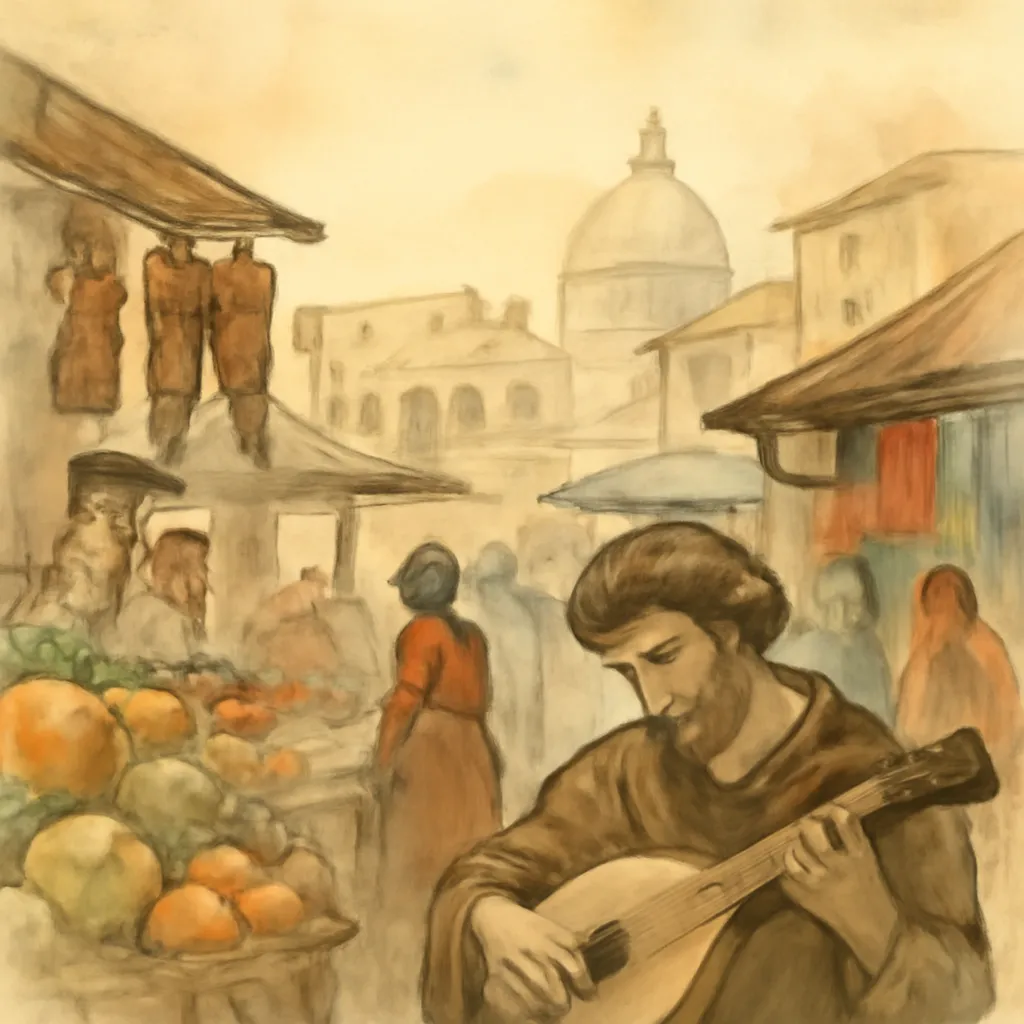
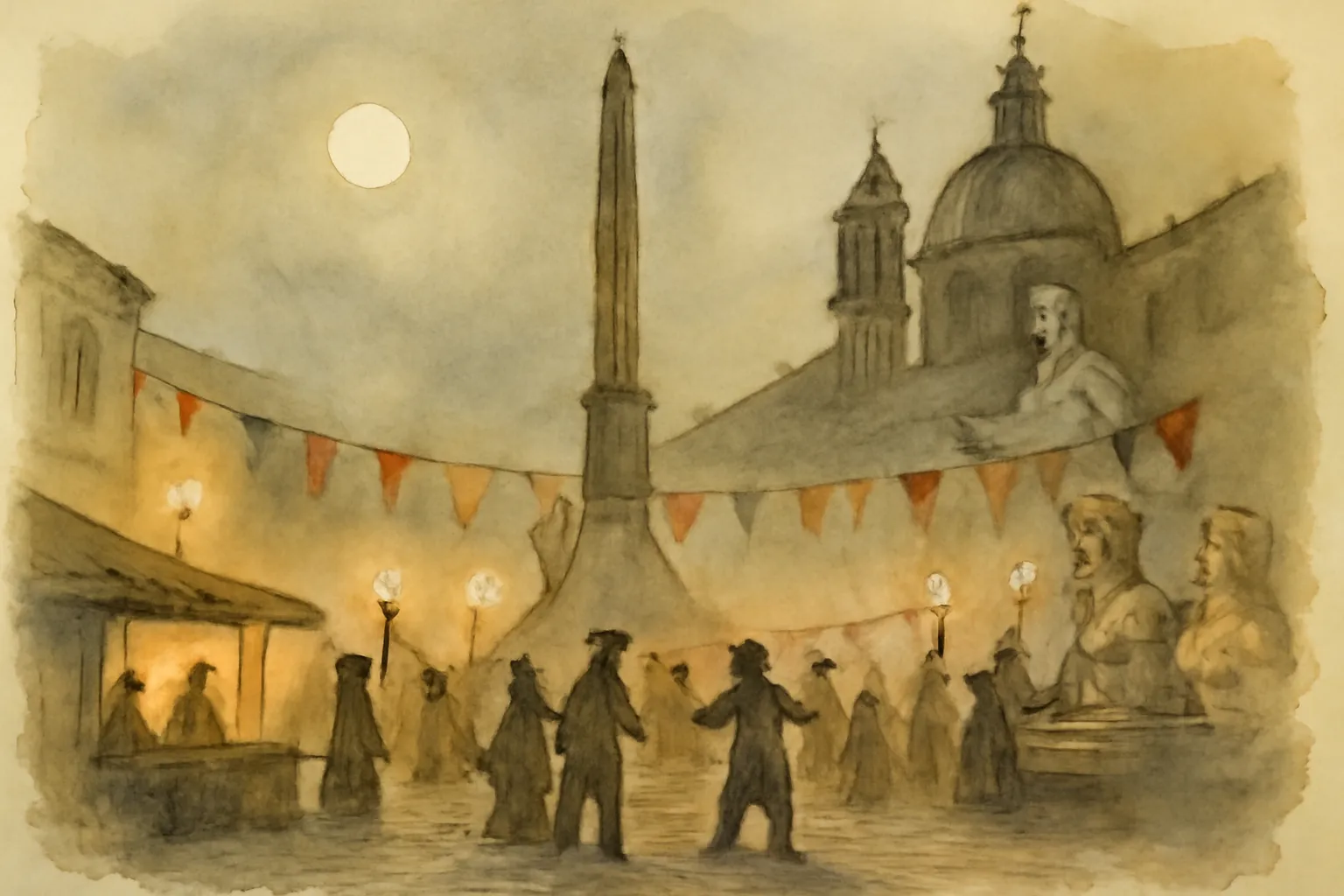
The novel opens on the eve of St. John in 935 AD, a time when the ancient city of Rome is alive with festivities. The vivid imagery of the Piazza Navona, filled with a colorful array of characters from various cultures, paints a bustling scene that captivates the reader. The atmosphere is electric, with merchants selling figs and honey, and the air thick with the scent of incense and the sounds of music and laughter. This setting not only serves to immerse readers in the historical context but also symbolizes the melting pot of human emotion and ambition. The vibrant spectacle sets the stage for Tristan's journey, highlighting the contrasts between the joyous celebration and the darker undertones of the era. The city of Rome, steeped in history, reflects both pride and shame, glory and disgrace, with the Tiber River flowing as a witness to its past. In this environment, the city itself becomes a character, reflecting both the glory and the decay of a once-mighty empire, making it a fitting backdrop for the unfolding love story.
2.Tristan's Inner Turmoil
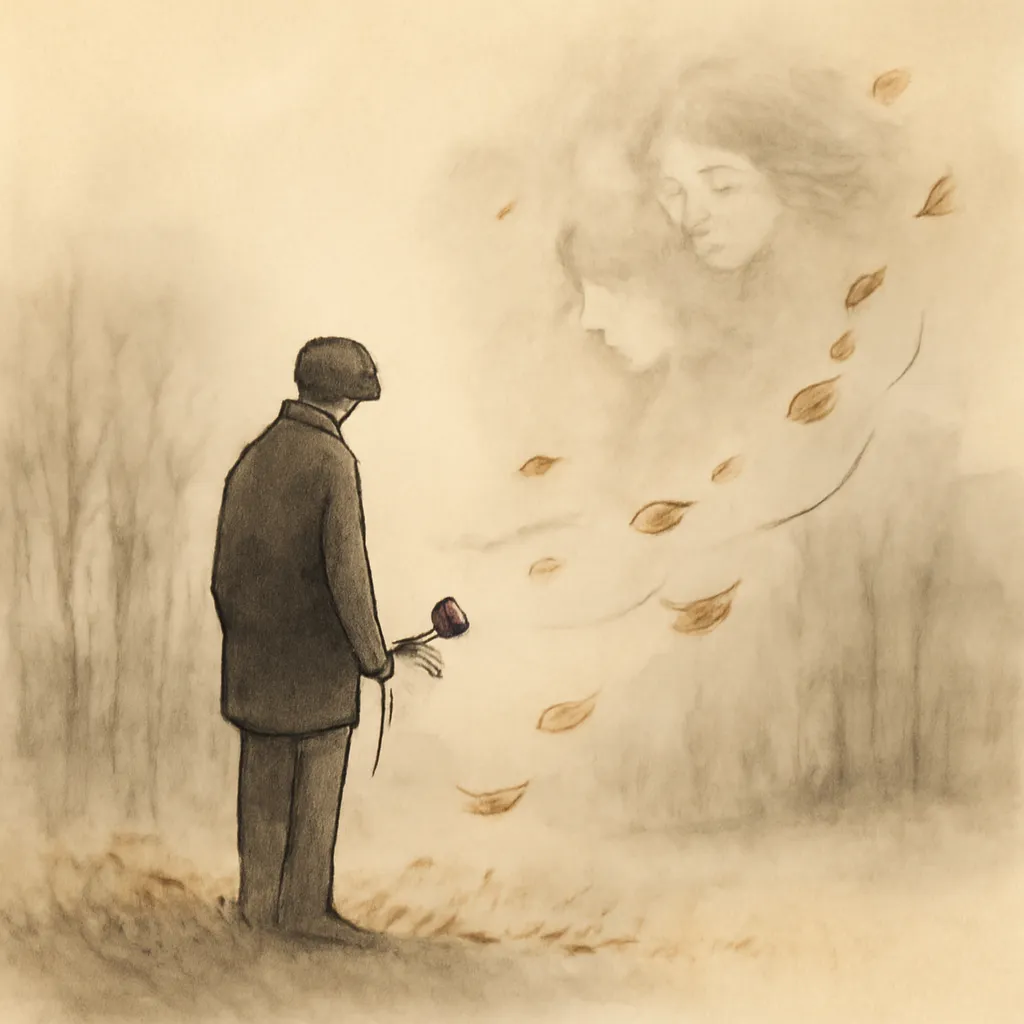
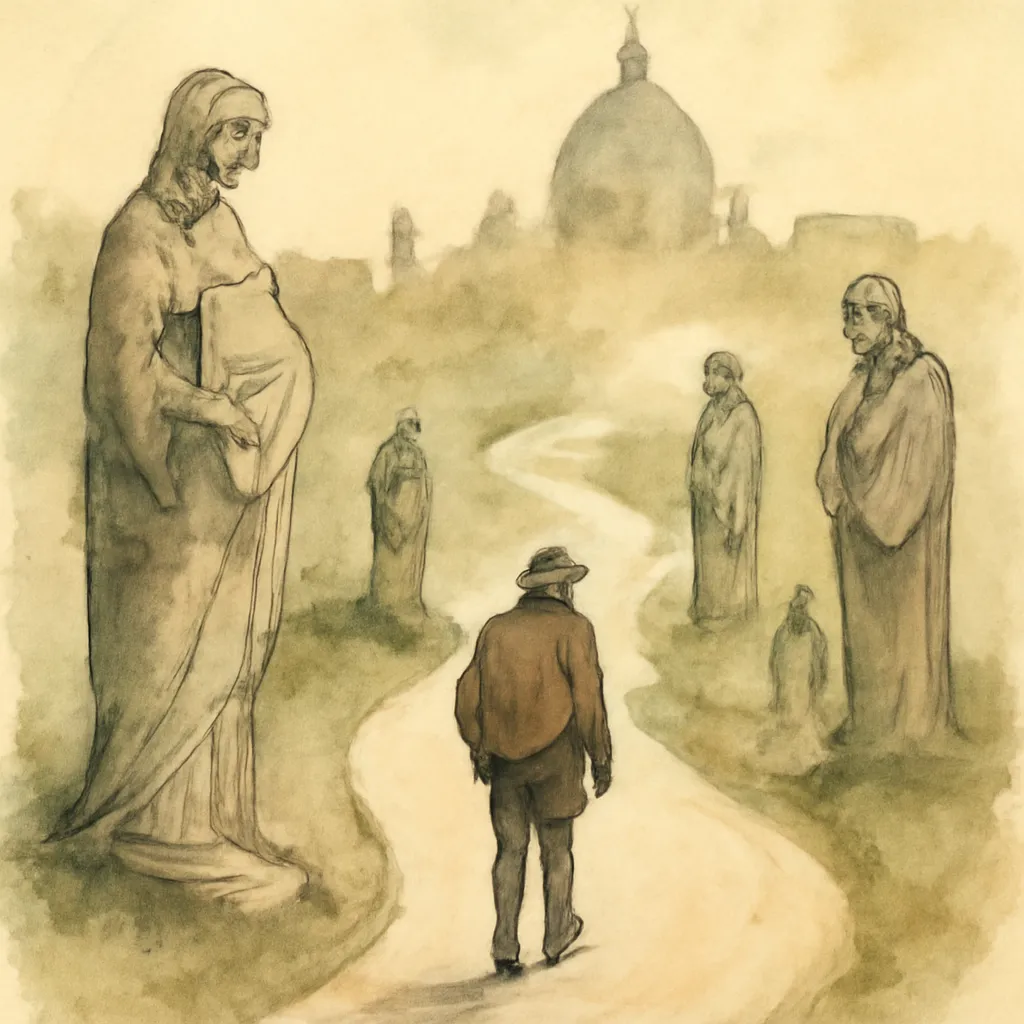
Tristan, the protagonist, finds himself caught in a web of conflicting emotions as he grapples with his love for Hellayne and his sense of duty. After a poignant farewell, he embarks on a pilgrimage to Rome, seeking penance and a fresh start. However, the memories of Hellayne haunt him, revealing the depth of his grief and the burden of his past choices. The narrative takes readers through his emotional landscape, where joy and sorrow intertwine, portraying love as both a source of strength and a cause of great pain. His journey is not merely physical but deeply psychological, as he wrestles with feelings of guilt and longing. The author uses rich imagery and internal monologues to convey Tristan's feelings, allowing readers to empathize with his plight. Every step he takes in the city serves as a reminder of what he has lost and what he hopes to find. This exploration of Tristan's inner turmoil makes him a relatable and complex character, embodying the universal struggle between desire and responsibility.
3.The Allure of the Supernatural
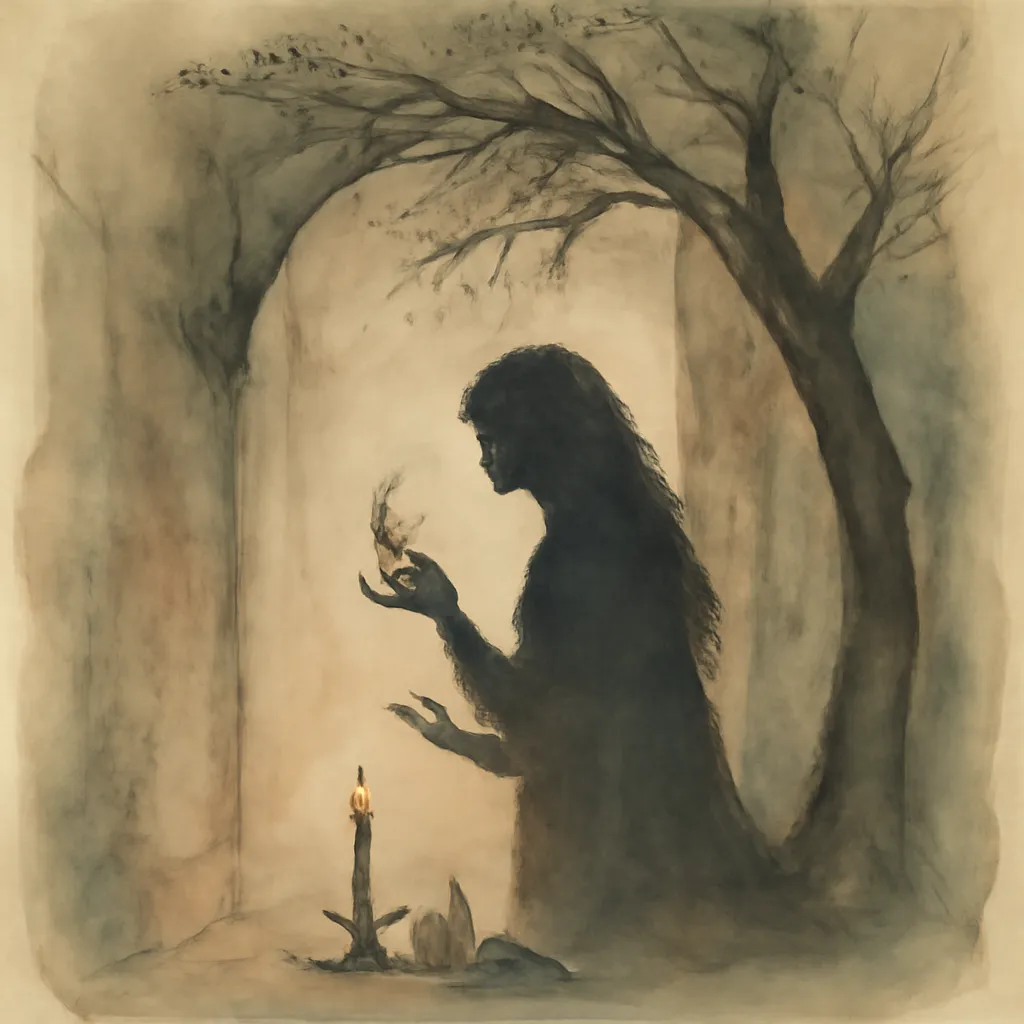
The presence of the supernatural looms large throughout the novel, as characters like Theodora and Bessarion embody the mystical elements of the story. Theodora, a powerful sorceress, represents the seductive and dangerous allure of the occult, drawing Tristan into her web of enchantment. Her character serves as a catalyst for Tristan's internal conflict, as he is torn between his deep-seated love for Hellayne and the intoxicating pull of Theodora's world. The supernatural is not merely decorative; it shapes the characters' destinies and influences their choices. The novel explores the themes of fate and free will, questioning the extent to which characters are controlled by their desires or the supernatural forces at play. For instance, Theodora’s spells and manipulations highlight the allure of power and the lengths individuals will go to achieve their desires. This interplay between the mundane and the mystical adds a layer of complexity to the narrative, enriching the reader's experience and inviting them to ponder the nature of love and destiny.
4.The Shadow of Marozia
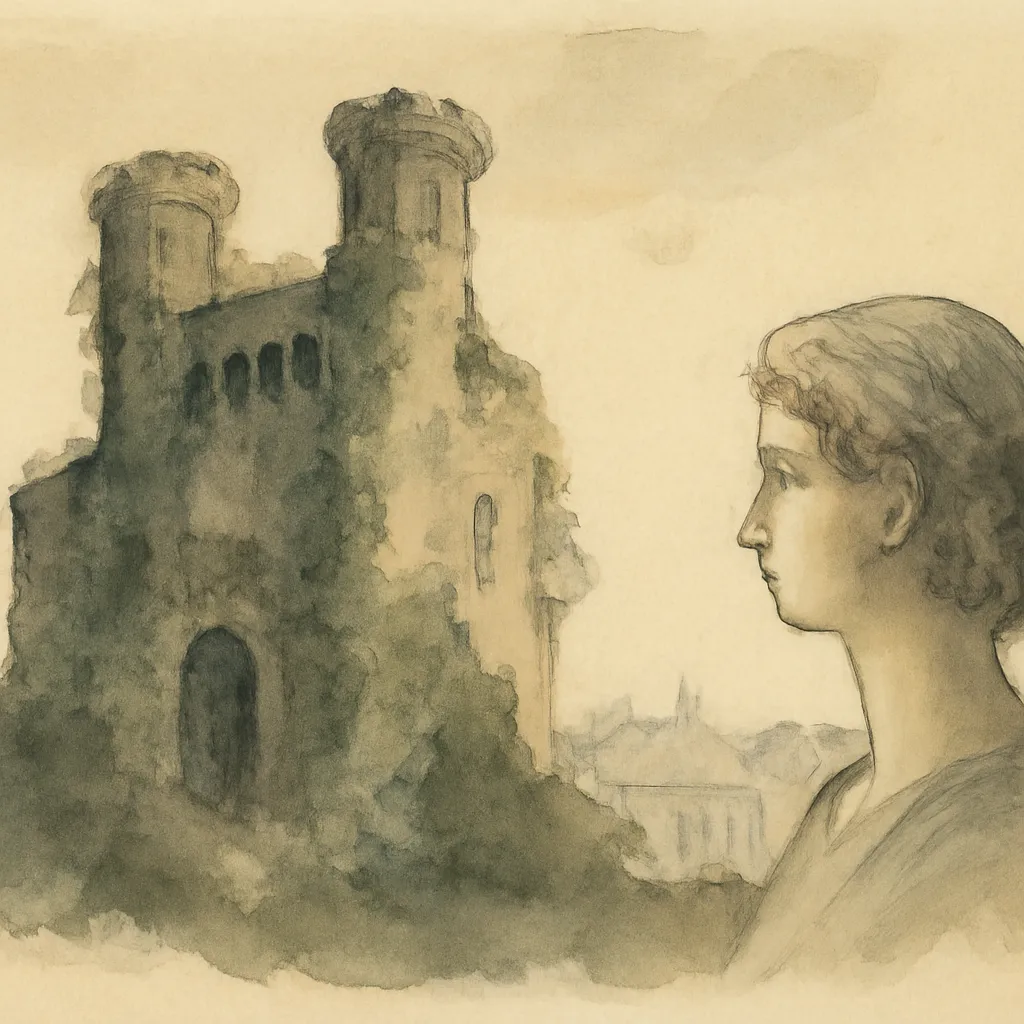
Gallizier skillfully weaves historical figures into the narrative, with Marozia emerging as a powerful and enigmatic presence. As a woman who once wielded significant influence in Rome, her character symbolizes the intersection of power and femininity in a male-dominated society. Her relationships with notable figures like John X and her son Alberic illustrate the complexities of political alliances and ambition. Marozia’s actions and their ramifications serve as a backdrop for Tristan's personal struggles, highlighting the broader societal issues of the time. Marozia, often portrayed as a villain, provides a commentary on the role of women in power, revealing how their ambitions can disrupt the status quo. Her tragic trajectory serves as a reminder of how power can corrupt and lead to downfall, making her an integral part of the story’s exploration of human nature and ambition. The historical context enriches the story, grounding it in reality while allowing for exploration of timeless themes of ambition, betrayal, and the quest for control in a chaotic world.
5.The Veil of Memory and Regret
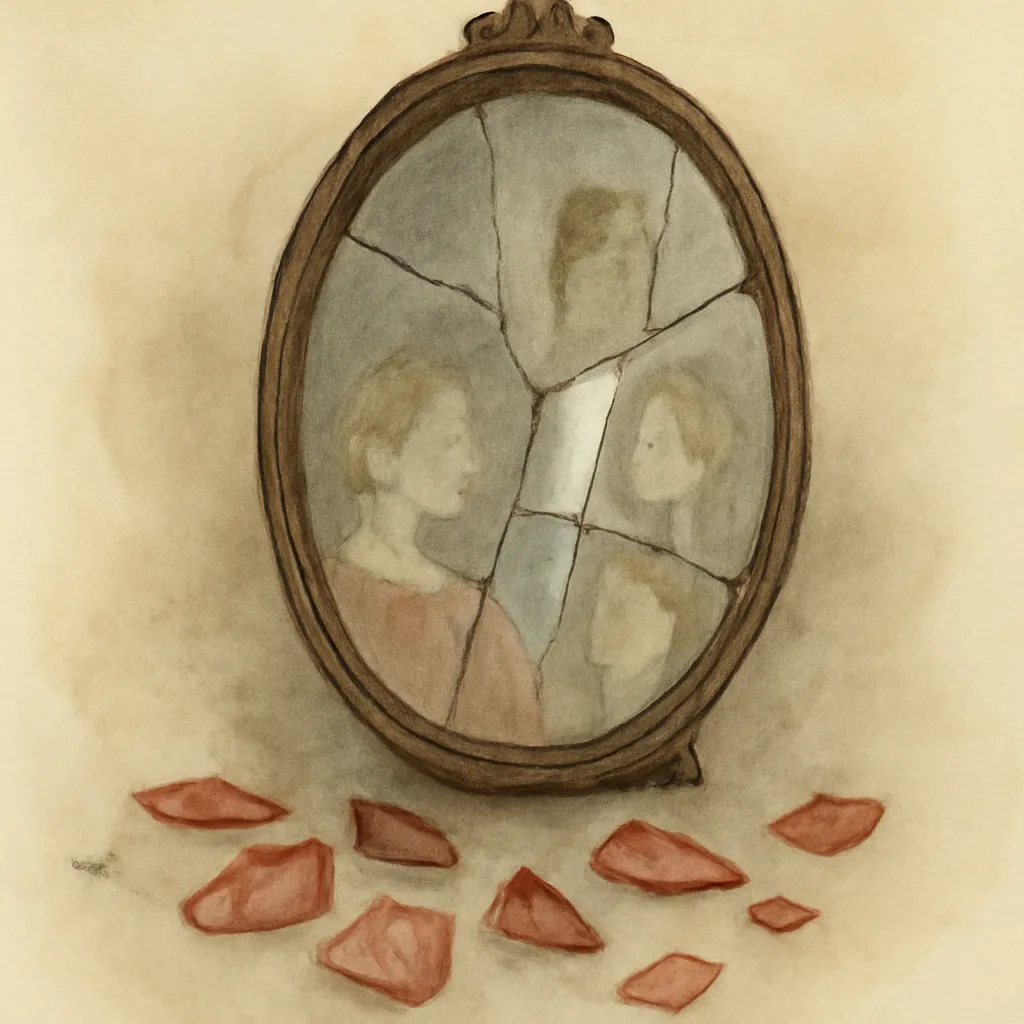
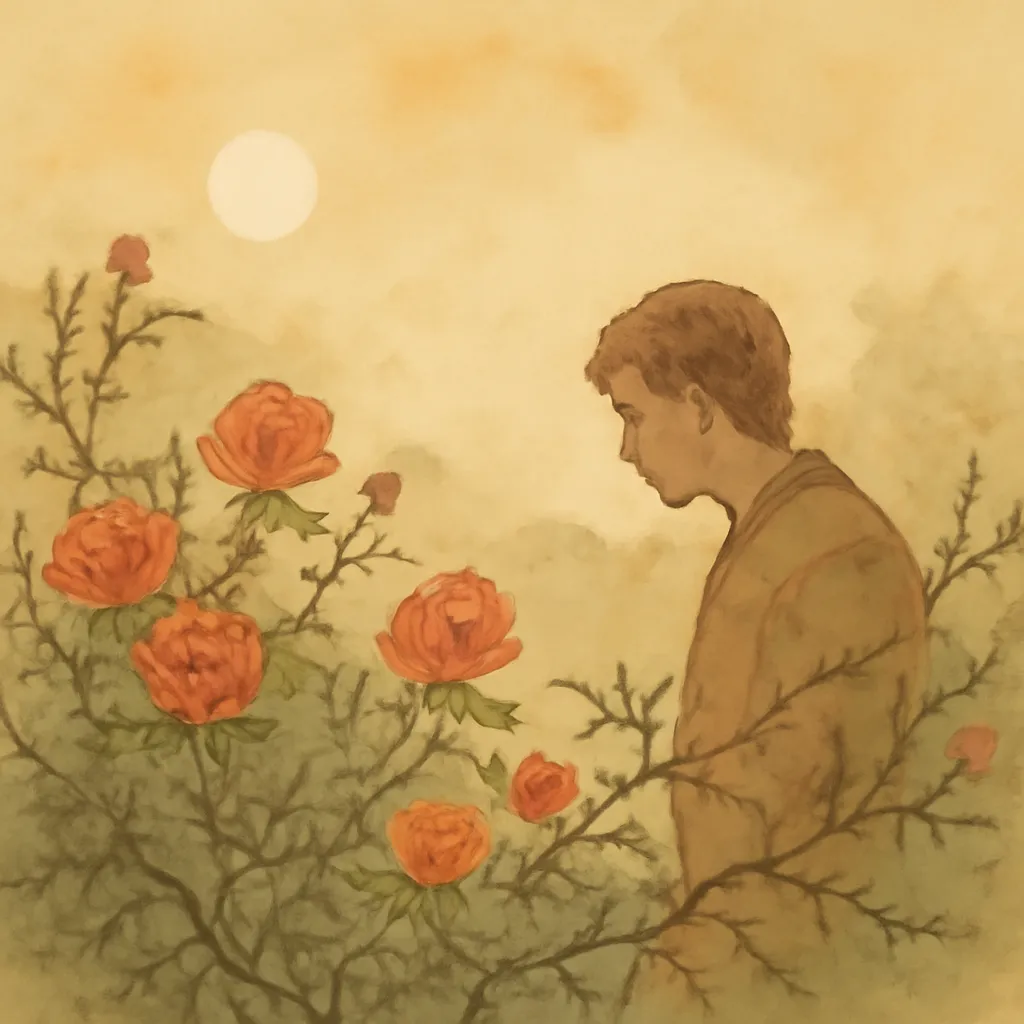
Memory plays a crucial role in shaping the characters' identities and motivations, particularly for Tristan. His recollections of Avalon and his love for Hellayne serve as both a source of strength and a painful reminder of what he has lost. The novel delves into the concept of memory as a double-edged sword, capable of both sustaining hope and invoking despair. Tristan's memories are often tinged with regret, illustrating how past choices can haunt individuals and influence their present actions. His journey through Rome is punctuated by flashbacks that reveal the depth of his feelings for Hellayne, contrasting his current reality with the idyllic love he once experienced. This exploration of memory invites readers to reflect on their own experiences, emphasizing the weight that memories carry and their power to shape one's path forward. Through Tristan’s internal dialogues, readers witness how he grapples with his past, seeking to reconcile his love for Hellayne with his present circumstances.
6.The Dance of Power and Seduction
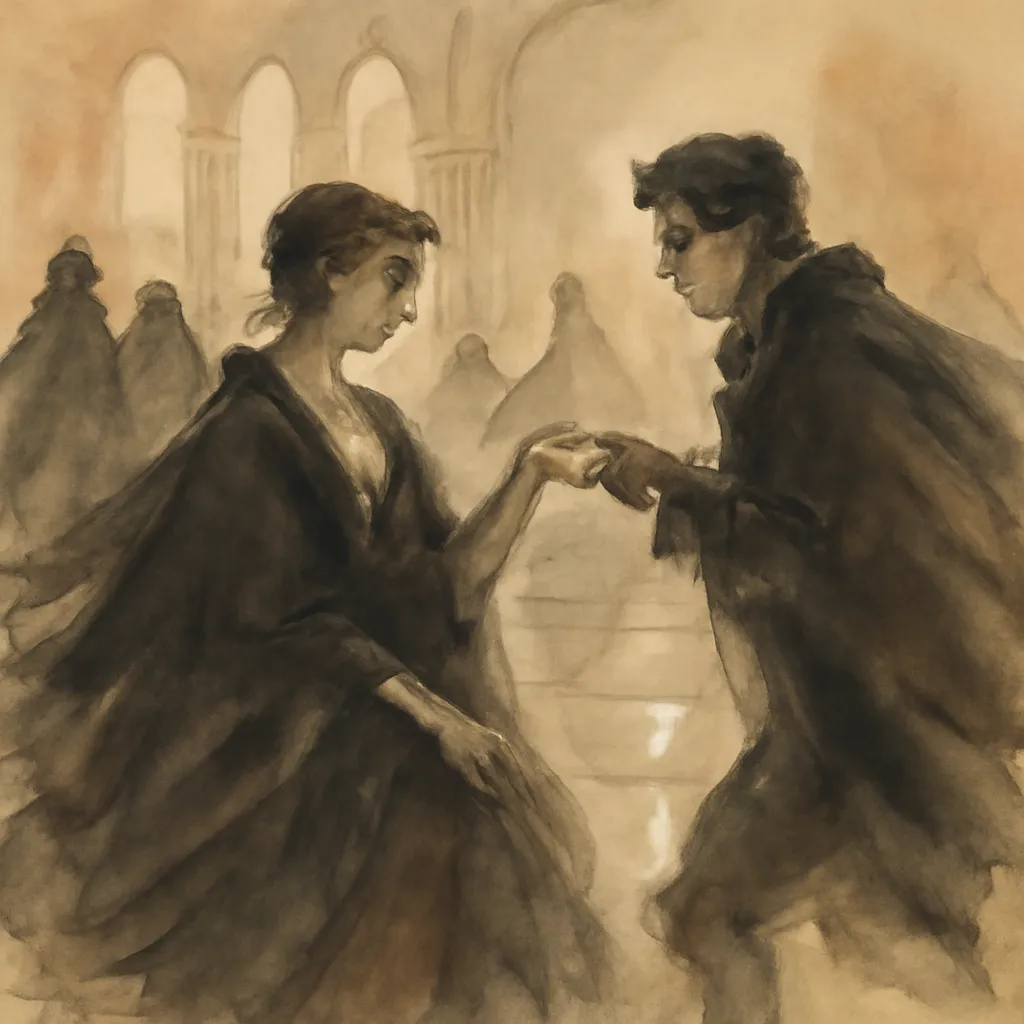
The interactions between characters are marked by a complex dance of power and seduction, particularly between Tristan, Theodora, and Roxana. Theodora's attempts to manipulate Tristan highlight the theme of seduction as a means of exerting control. Her beauty and charisma draw him in, creating a tension that propels the narrative forward. Theodora's character embodies the archetype of the seductress, using her charms to bend others to her will, while Roxana provides a contrasting allure that complicates Tristan's emotional landscape. The author deftly portrays the nuances of attraction and manipulation, demonstrating how love can be both liberating and confining. As Tristan navigates these relationships, he learns about the consequences of desire and ambition, and the ways in which they can lead to both connection and conflict. This exploration of seduction within the context of power dynamics adds depth to the character relationships, showcasing how personal desires intersect with larger societal structures.
7.The Pilgrimage as a Metaphor
Tristan's pilgrimage to Rome serves as a powerful metaphor for his internal journey and quest for redemption. As he traverses the city, he not only seeks forgiveness for his past but also attempts to reconcile his feelings for Hellayne with the reality of his situation. This physical journey mirrors his emotional struggles, as he confronts the ghosts of his past and the choices that have led him to this point. The pilgrimage becomes a rite of passage, forcing Tristan to confront his identity and purpose. Each church he visits and each prayer he utters represents a step towards understanding himself and his place in the world. The novel uses this metaphor to explore themes of transformation and the search for meaning, inviting readers to consider their own journeys of self-discovery. Through Tristan's eyes, the sacred spaces of Rome take on a deeper significance, reflecting his inner turmoil and eventual path toward acceptance.
8.The Role of Fate
Fate is an omnipresent force throughout the narrative, influencing the characters' decisions and outcomes. Tristan's journey is marked by a series of events that seem preordained, raising questions about free will and destiny. The interplay between fate and choice creates a sense of inevitability, as characters grapple with the consequences of their actions. This theme is particularly evident in Tristan's relationship with Hellayne, as their love is both a source of strength and a catalyst for tragedy. Theodora's machinations further complicate these dynamics, suggesting that individual agency can be overshadowed by larger forces at play. Gallizier’s exploration of fate invites readers to ponder the extent to which individuals can shape their destinies versus being swept along by the currents of fate. The novel ultimately suggests that while fate may set the stage, it is the characters' choices that determine their paths, making for a rich exploration of human nature.
9.The Complexity of Love
At its core, 'Under the Witches' Moon' is a profound exploration of love in its many forms. Tristan's love for Hellayne is portrayed as pure and unwavering, yet it is also fraught with obstacles and challenges. The novel juxtaposes this idealized love with the more tumultuous and seductive relationships he forms with Theodora and Roxana. This complexity highlights the multifaceted nature of love, encompassing passion, sacrifice, and longing. Tristan's emotional turmoil serves as a reflection of the difficulties inherent in love, especially when compounded by the external pressures of society and personal ambition. The author captures the essence of love as both a blessing and a curse, illustrating how it can inspire greatness while also leading to pain and heartache. Through the various relationships depicted in the story, readers are invited to reflect on their own experiences with love, and the ways in which it can shape and define lives.
10.The Consequences of Ambition
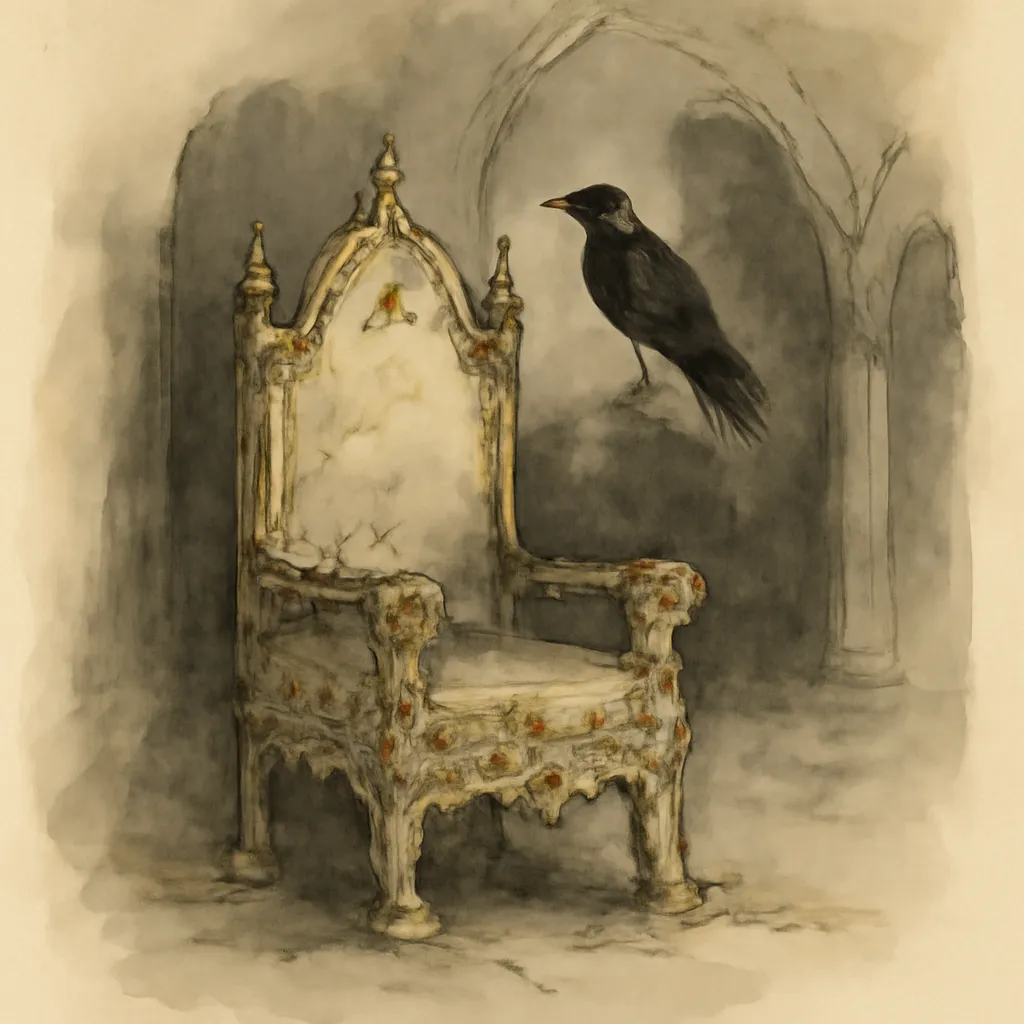
The characters in the novel are driven by their ambitions, which often lead to dire consequences. Marozia's ruthless pursuit of power exemplifies how ambition can corrupt and destroy, impacting not only the individual but also those around them. This theme is echoed in the actions of other characters, including Basil, whose machinations reveal the dark side of ambition. The novel illustrates how the quest for power can lead to betrayal, manipulation, and ultimately, downfall. Gallizier uses Marozia's tragic trajectory to underscore the dangers of unchecked ambition. Additionally, Tristan's own ambitions, while less overt, also play a role in his journey, as his desire to redeem himself and find peace drives him forward. By weaving these narratives together, the author invites readers to consider the ethical implications of their own aspirations and the impact they may have on others. The exploration of ambition serves as a cautionary tale, reminding readers that the pursuit of power can often come at a great cost.