1.The Unreliable Narrator
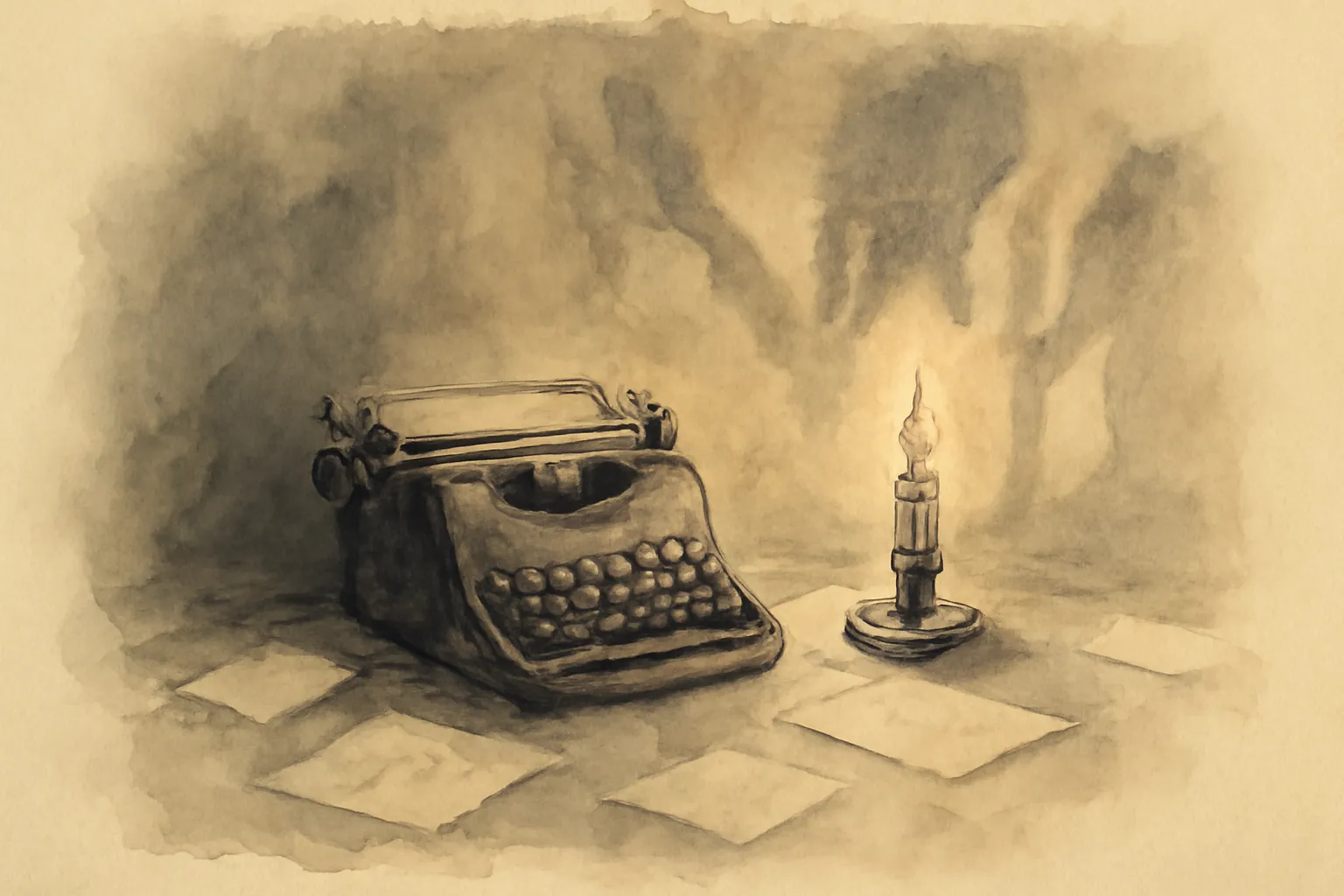
Central to Verity is the concept of the unreliable narrator—not just one, but potentially several. Lowen, the protagonist, discovers an autobiography by Verity that may or may not be true, forcing readers to question whose version of events can be trusted. This ambiguity is the engine of the novel’s suspense, as every revelation could be a manipulation, a confession, or a lie. The book challenges readers to interrogate their own assumptions about truth and bias in storytelling.
2.Obsession and Identity
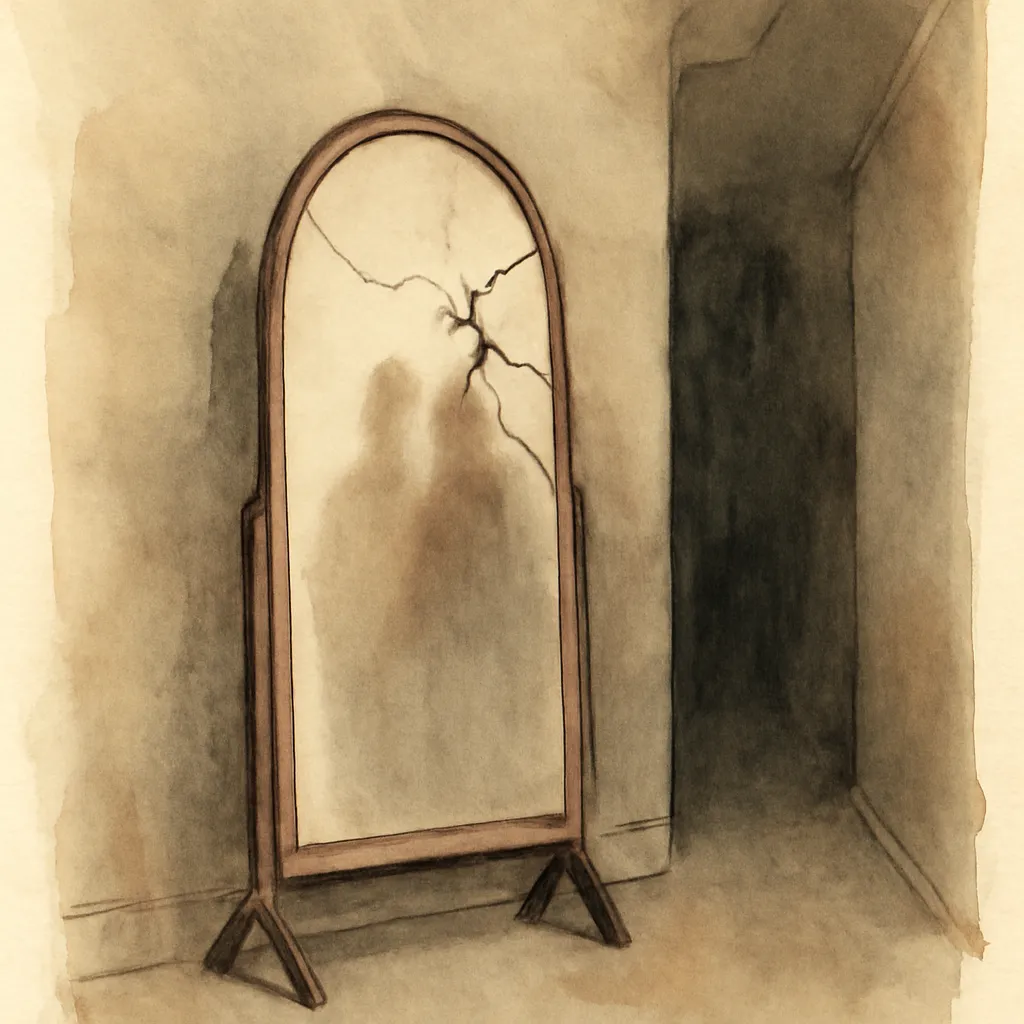
Lowen’s growing obsession with Verity’s life and marriage blurs the boundaries between her own identity and the woman she’s replacing. As Lowen immerses herself in Verity’s writing and home, she begins to mirror her subject, raising questions about how proximity and desire can distort self-perception. The novel explores how easily obsession can tip into dangerous territory, especially when fueled by insecurity and longing.
3.The Power of Secrets
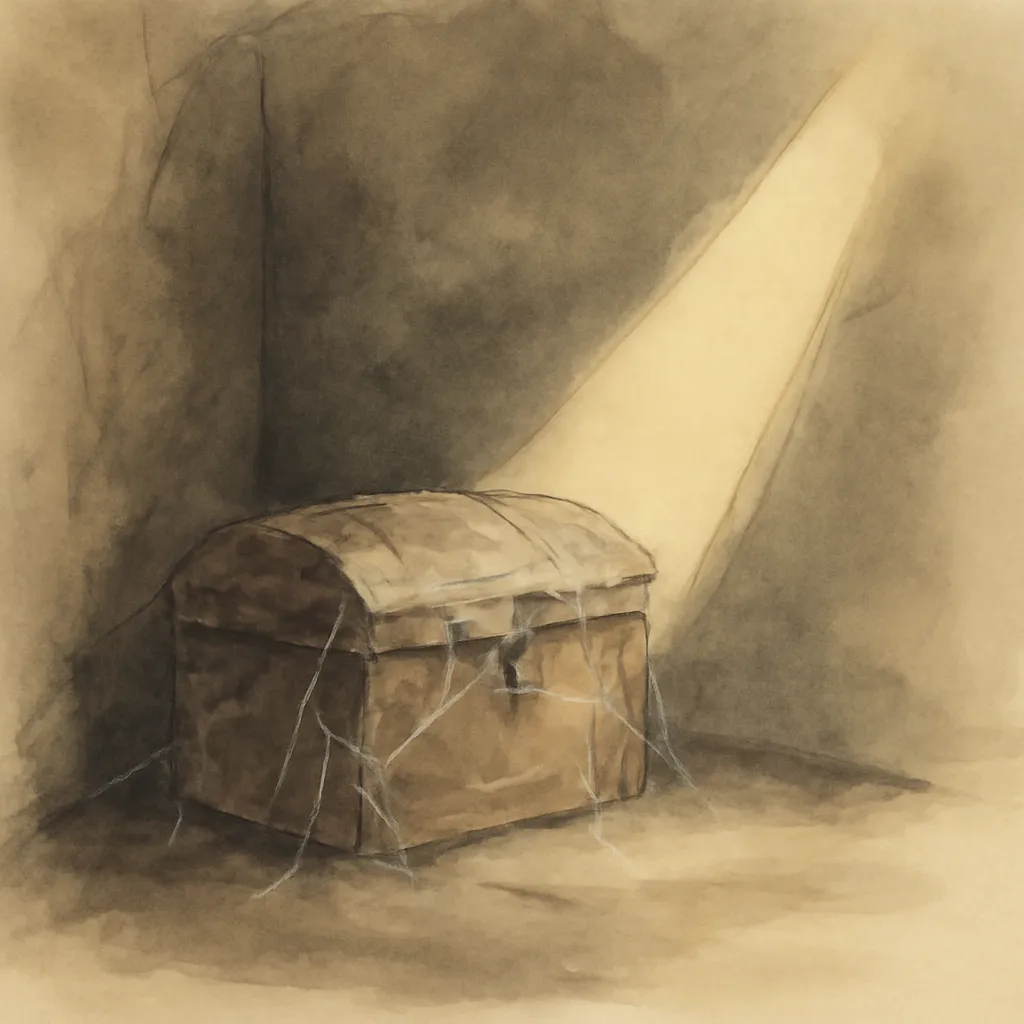
Secrets—both kept and revealed—drive the plot and the characters’ psychological unraveling. The manuscript Lowen finds is a Pandora’s box, threatening to destroy lives if exposed. The novel probes the destructive power of secrets within intimate relationships, and how the fear of truth can be weaponized or suppressed for personal gain. It asks: is ignorance ever preferable to knowledge?
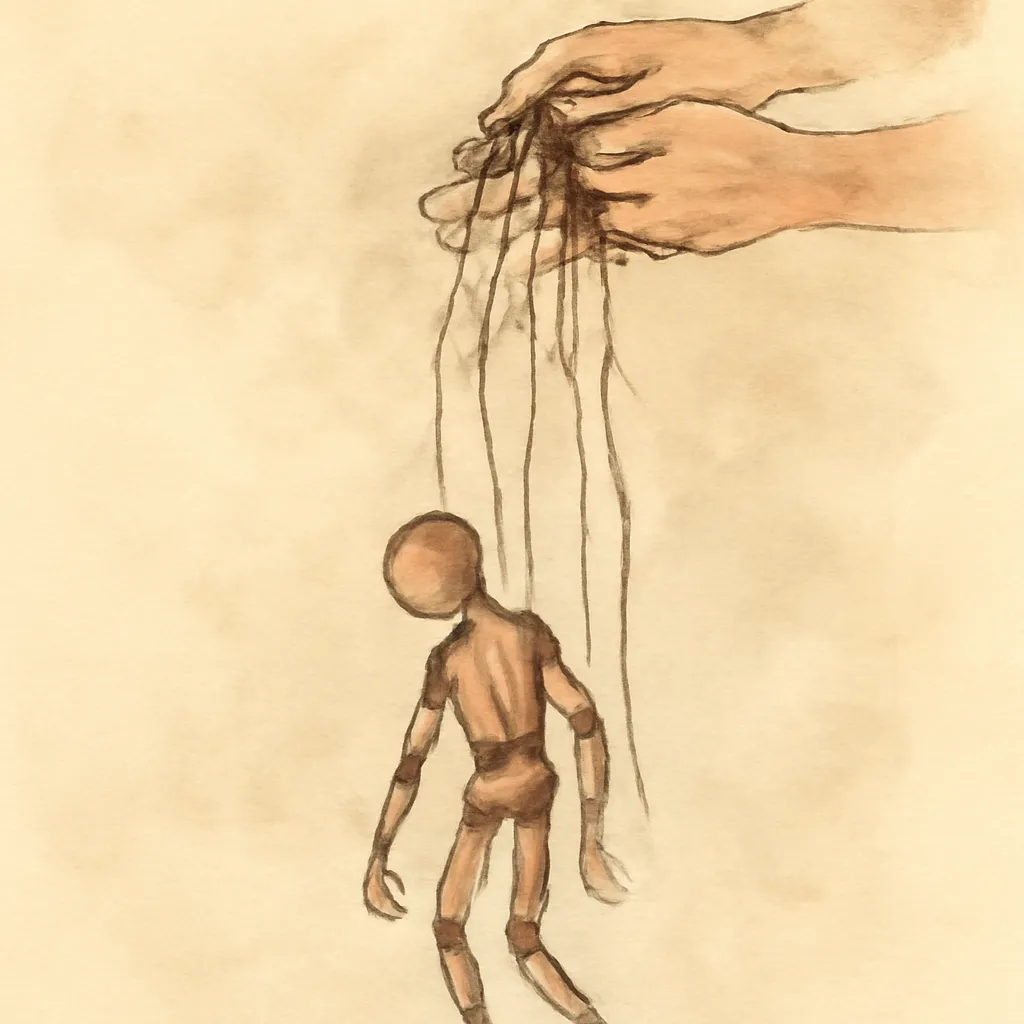
4.Manipulation and Control
Every major character in Verity manipulates or is manipulated, whether through words, actions, or omissions. The story examines how people use vulnerability, trauma, and even love to control others. This theme is embodied in the shifting power dynamics between Lowen, Jeremy, and the incapacitated Verity, highlighting how control can be both overt and insidious.
5.The Nature of Evil
Verity forces readers to confront uncomfortable questions about the nature of evil. Is evil rooted in action, intention, or perception? Through the disturbing manuscript and the characters’ responses to it, the novel explores whether monstrous acts are ever justified or understandable, and how easily the line between victim and perpetrator can blur.
6.Ambiguity and Moral Complexity
The book refuses to offer easy answers or clear moral lines. By the end, readers are left to wrestle with ambiguity: What is the truth? Who deserves sympathy? This moral complexity is a hallmark of the novel, making it both unsettling and thought-provoking, as it mirrors the messiness of real-life ethical dilemmas.