1.Media Frenzy and Scapegoating
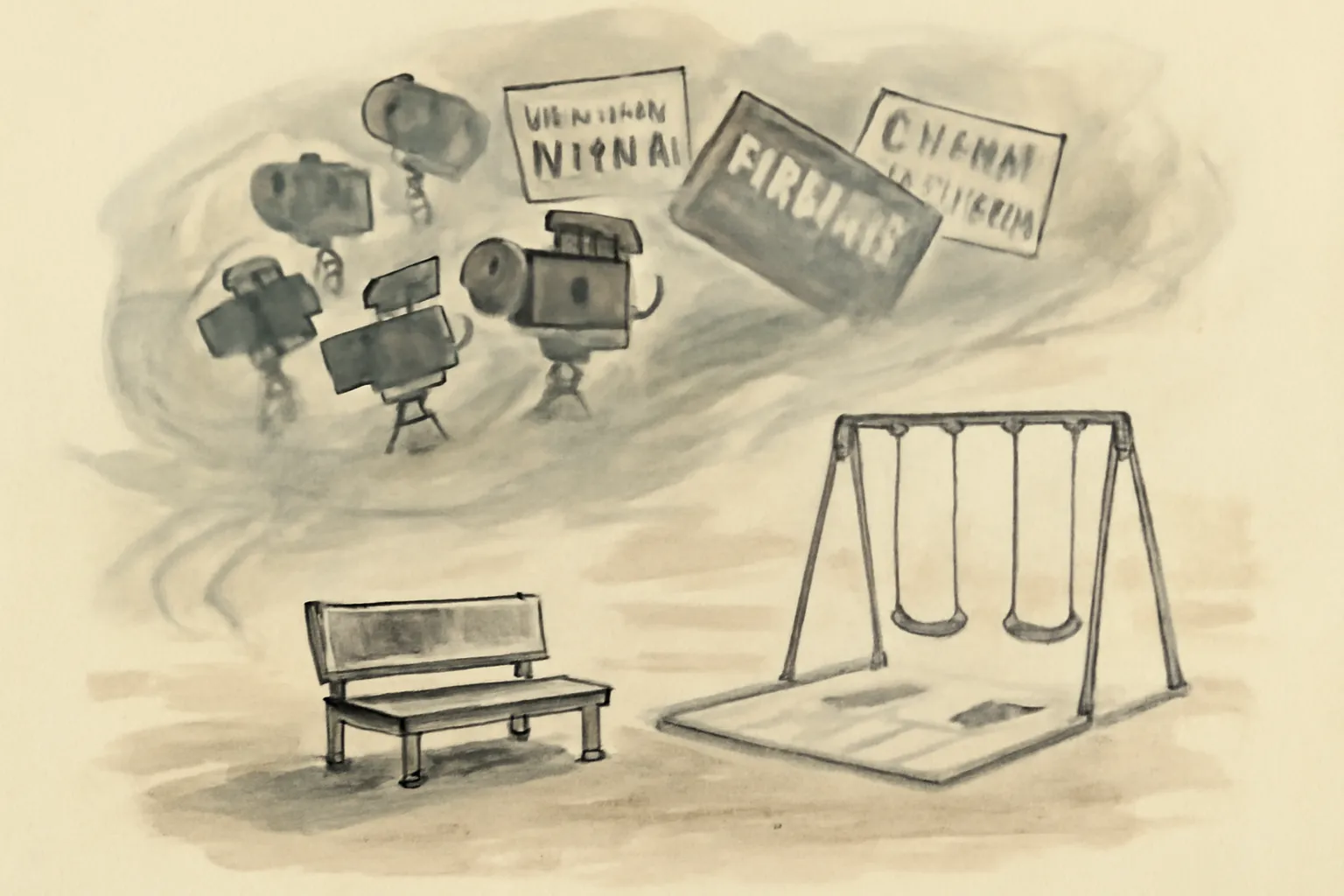
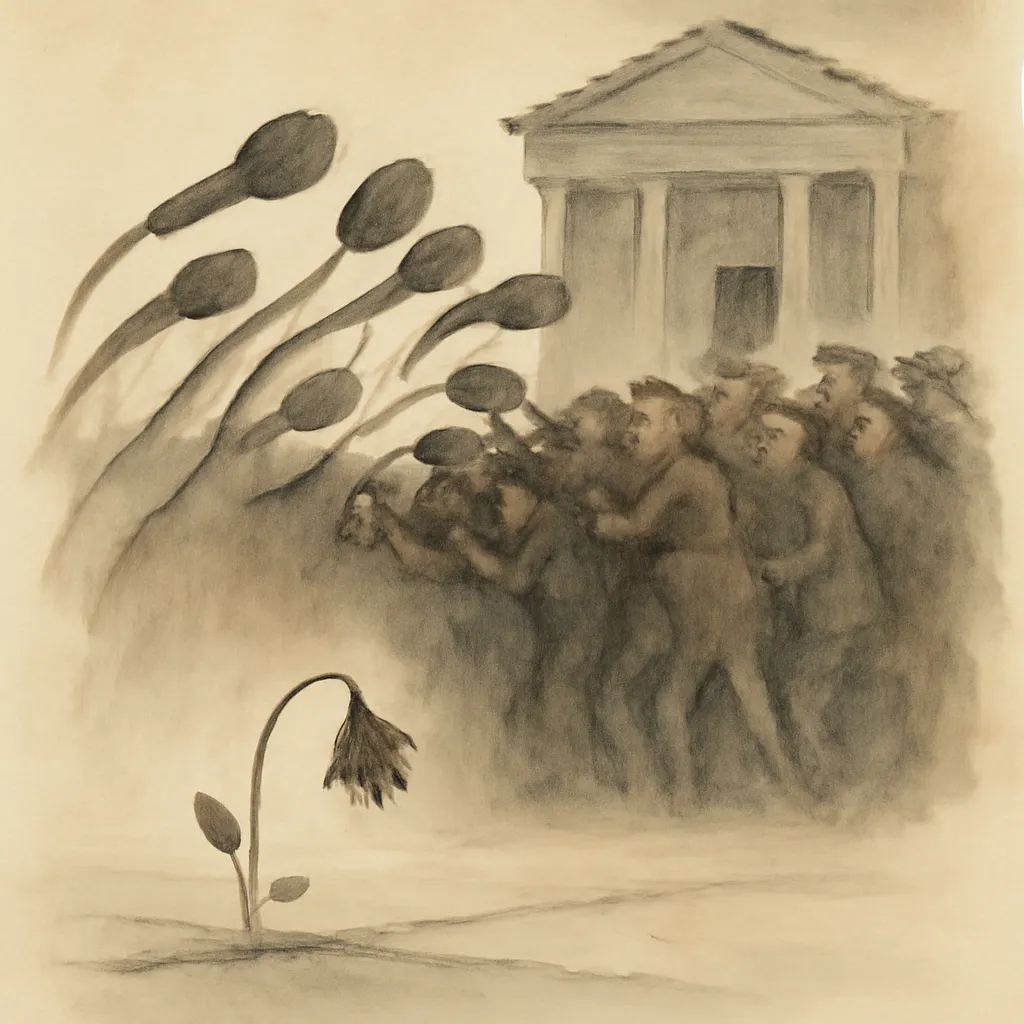
One of the central ideas in Vernon God Little is the destructive power of media sensationalism. After a school shooting, Vernon becomes the prime suspect, not because of evidence, but because the media and townsfolk need a scapegoat. The novel skewers how easily public opinion can be manipulated and how the truth is often lost amid the clamor for a compelling story. Pierre exposes the dangers of trial by media and the hunger for spectacle, highlighting how individuals can be crushed by collective hysteria.
2.Satire of American Culture
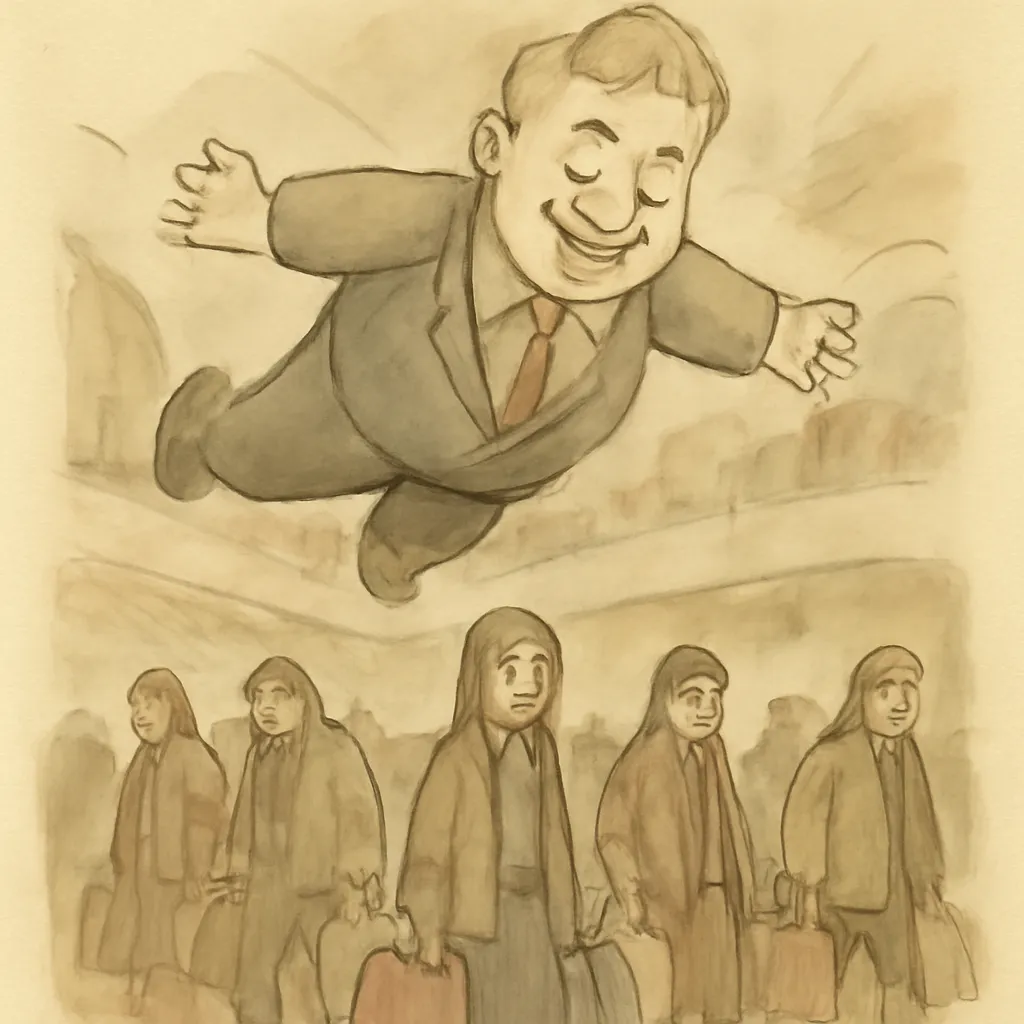
Pierre uses sharp, irreverent humor to lampoon various facets of contemporary American life: consumerism, reality TV, the justice system, and the cult of celebrity. The absurdity of Vernon's predicament is heightened by the exaggerated behaviors of those around him, from opportunistic reporters to self-serving authority figures. Through this lens, the novel critiques the superficiality and moral confusion of modern society, especially in the aftermath of tragedy.
3.Adolescent Alienation
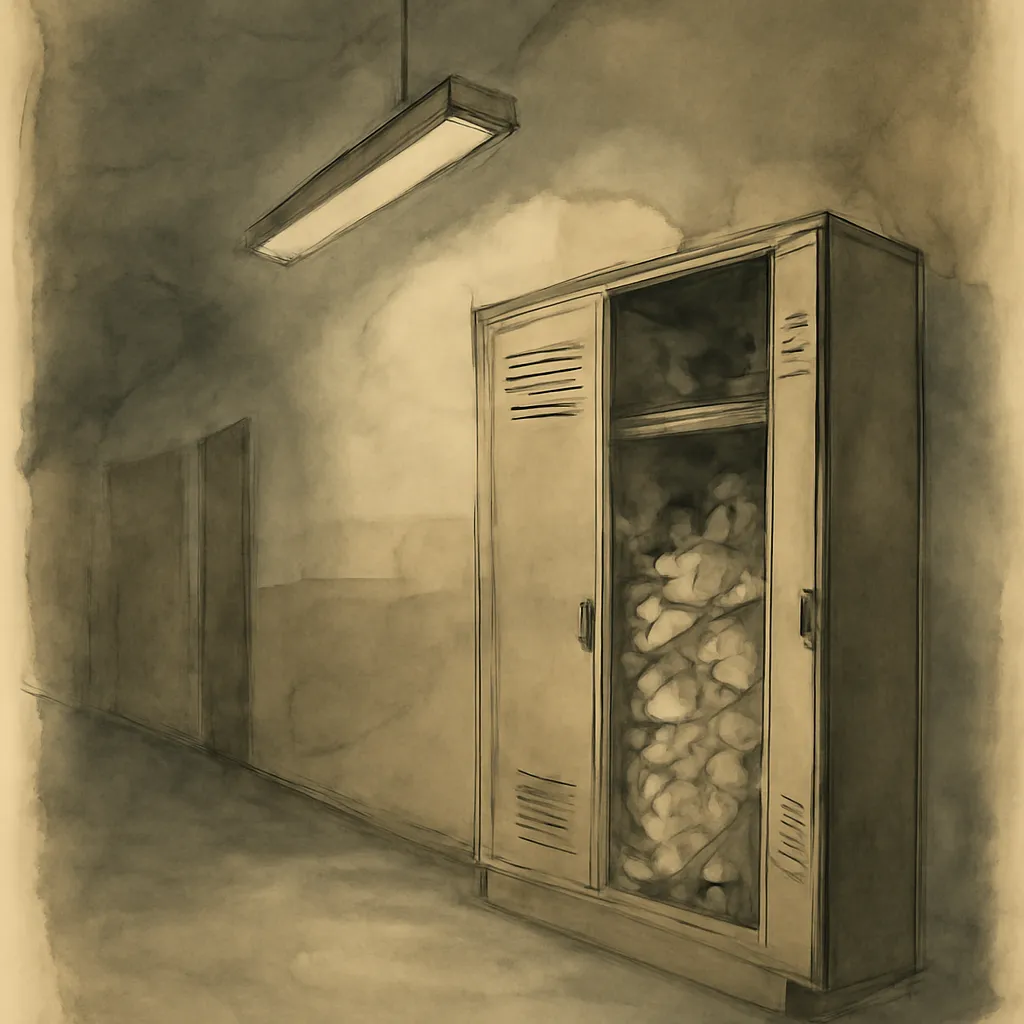
Vernon is an outsider, misunderstood by his mother, peers, and almost everyone else in his town. His voice is raw, confused, and authentically adolescent, capturing the sense of isolation and powerlessness that can define teenage life. The novel explores how young people are often dismissed or scapegoated by adults, and how their struggles to articulate themselves can lead to tragic misunderstandings.
4.The Quest for Innocence and Redemption
At its core, the novel is about Vernon's desperate attempt to prove his innocence and reclaim his life. As he flees to Mexico, the story becomes a darkly comic odyssey of self-discovery. Pierre raises questions about what it means to be innocent—not just legally, but morally—and whether redemption is possible in a world eager to condemn.
5.Language and Voice
Pierre’s narrative style is distinctive, blending slang, malapropisms, and sharp wit to create Vernon's unique voice. The language is both a shield and a weapon, reflecting Vernon's confusion and resilience. The novel’s style immerses readers in the protagonist’s psyche, making his experiences more visceral and immediate.
6.The Absurdity of Justice
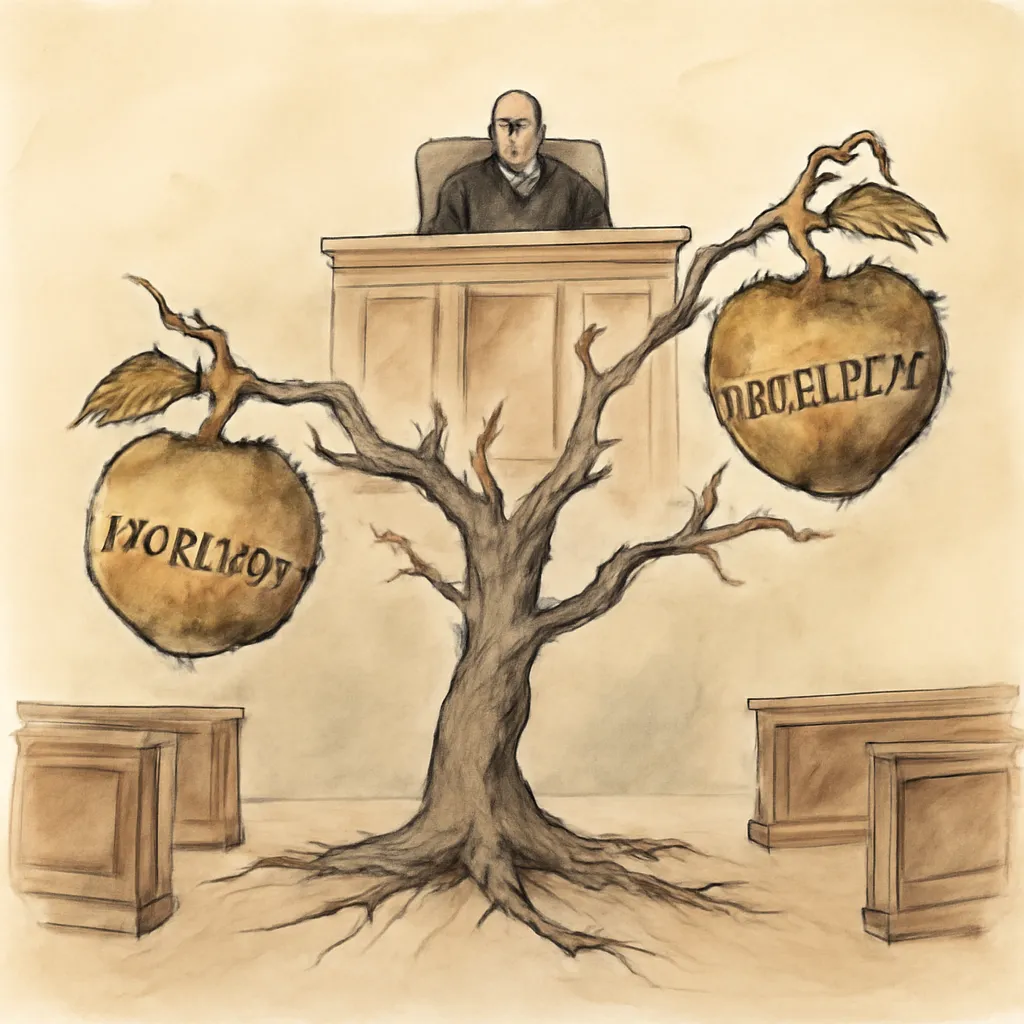
The legal system in the novel is portrayed as farcical, more concerned with appearances and expediency than with truth. Vernon's journey through the courts and media circus exposes the flaws and absurdities of a system that prioritizes closure over justice, and spectacle over substance.