1.The Rise of Opaque Algorithms
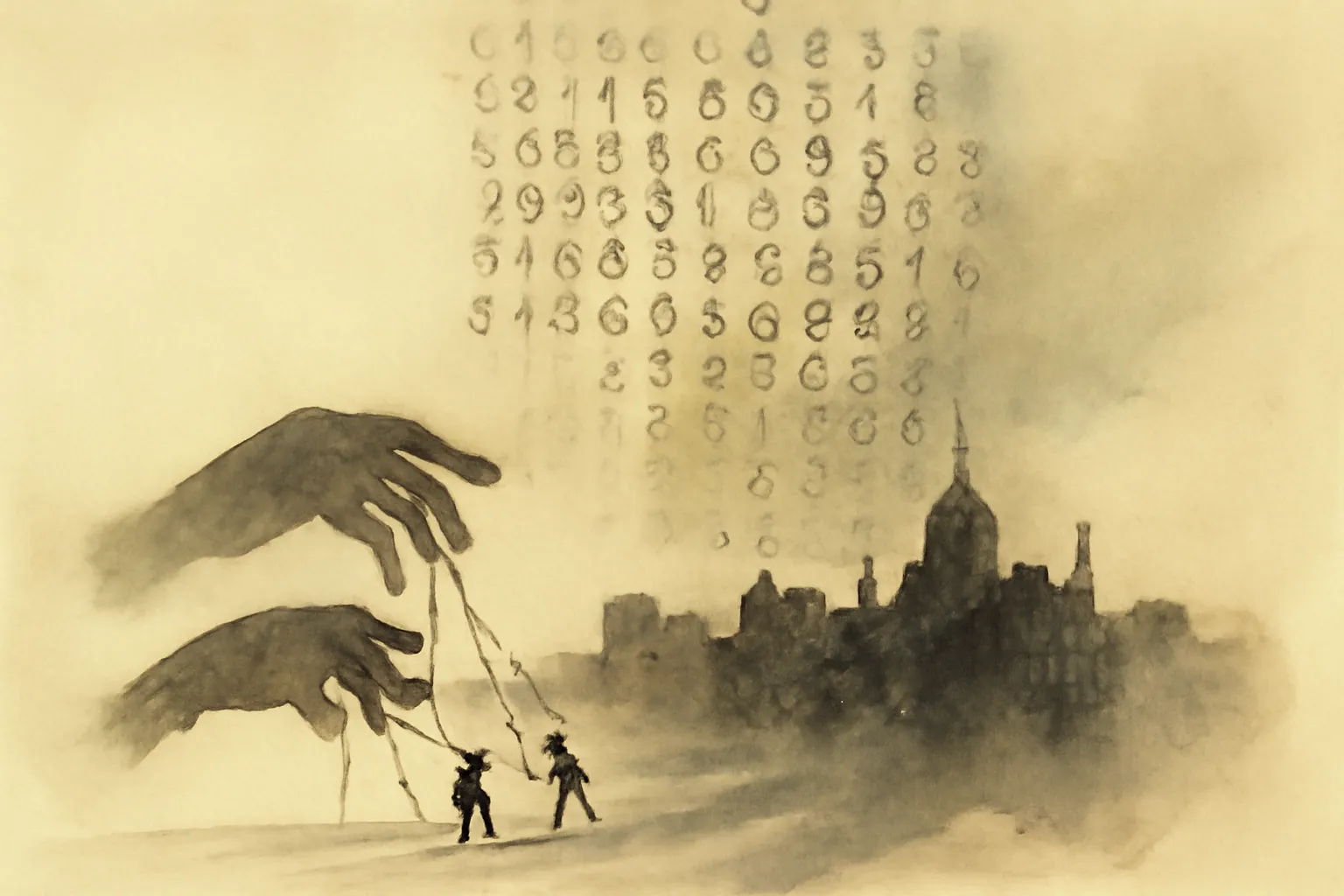
O’Neil argues that algorithms—once the domain of specialized fields—now pervade everyday life, making decisions about credit, insurance, hiring, policing, and more. These models are often proprietary and secretive, making it nearly impossible for individuals to understand or challenge the logic behind decisions that affect their lives. This opacity allows harmful errors and biases to go unchecked, eroding trust and accountability.
2.Feedback Loops and Self-Fulfilling Prophecies
A central danger of 'Weapons of Math Destruction' (WMDs) is their tendency to create destructive feedback loops. For example, predictive policing models target certain neighborhoods, leading to more arrests there, which in turn justifies further policing. Similarly, credit or hiring algorithms can lock individuals into cycles of disadvantage, as negative outcomes reinforce the model’s assumptions, making escape nearly impossible.
3.Scale, Opacity, and Damage
O’Neil defines WMDs as models that are widespread (scale), secretive (opacity), and harmful (damage). Unlike transparent or accountable algorithms, WMDs affect millions, operate without oversight, and can inflict real harm—especially on the vulnerable. Their scale amplifies their negative effects, turning individual injustices into systemic problems.
4.Embedded Bias and Discrimination
Despite claims of objectivity, many models encode and perpetuate existing social biases. O’Neil shows how proxies for race, class, or gender (like zip codes or school attended) can lead to discriminatory outcomes, even if the model’s creators have no explicit intent to discriminate. This hidden bias is especially insidious because it is masked by the veneer of mathematical neutrality.
5.Lack of Accountability and Oversight
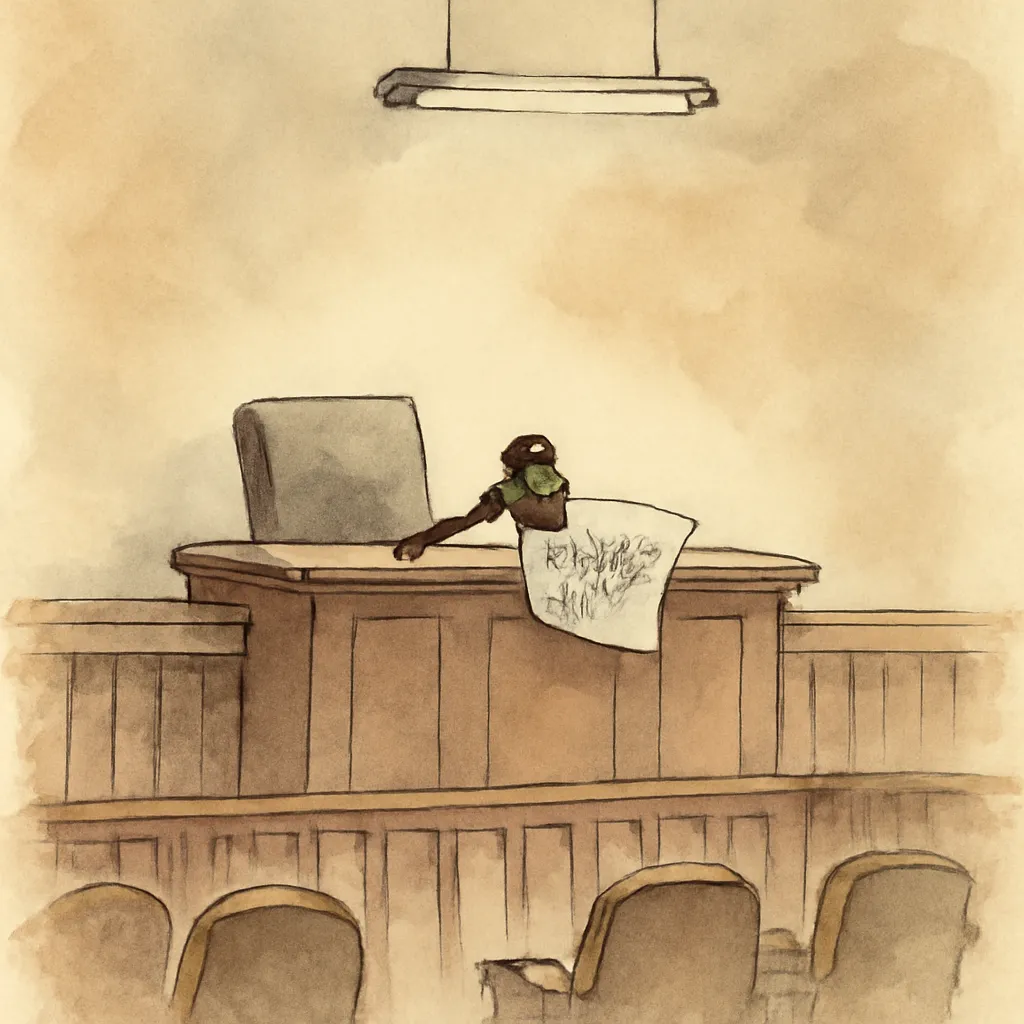
WMDs often operate in a regulatory vacuum. Individuals affected by algorithmic decisions typically have no way to appeal or even understand those decisions. The lack of transparency and recourse means that errors or injustices can persist unchecked, with little incentive for companies or institutions to fix them.
6.The Call for Ethical Data Science
O’Neil concludes by urging data scientists, policymakers, and the public to demand greater transparency, fairness, and accountability in algorithmic systems. She advocates for models that can be audited, challenged, and improved, emphasizing the need for ethical standards in the design and deployment of mathematical models that shape society.