1.Confronting Mortality
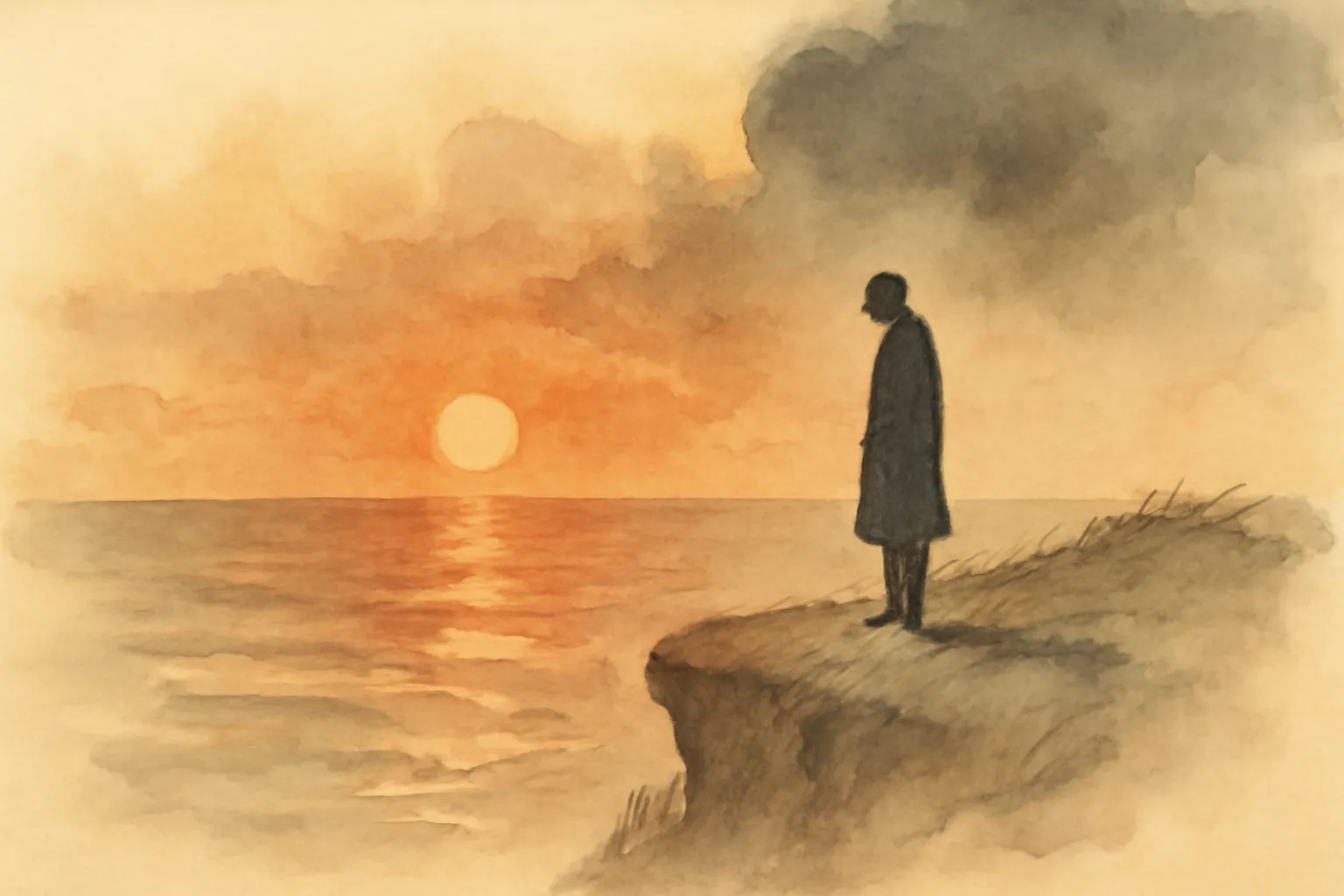
Kalanithi’s diagnosis of stage IV lung cancer forces him to face his own mortality, a reality he had previously encountered only through his patients. The memoir explores how awareness of death transforms one’s priorities, relationships, and sense of self. Rather than succumbing to despair, Kalanithi uses his remaining time to reflect deeply on what makes life meaningful, demonstrating that confronting death can clarify what truly matters.
2.The Search for Meaning
A central theme is the quest for meaning in the face of suffering and uncertainty. Kalanithi, who studied literature and philosophy before medicine, weaves existential questions throughout his narrative. He examines how purpose is found not in grand achievements but in everyday acts of love, service, and connection. The book challenges readers to consider what gives their own lives meaning, especially under the shadow of impermanence.
3.The Physician’s Perspective
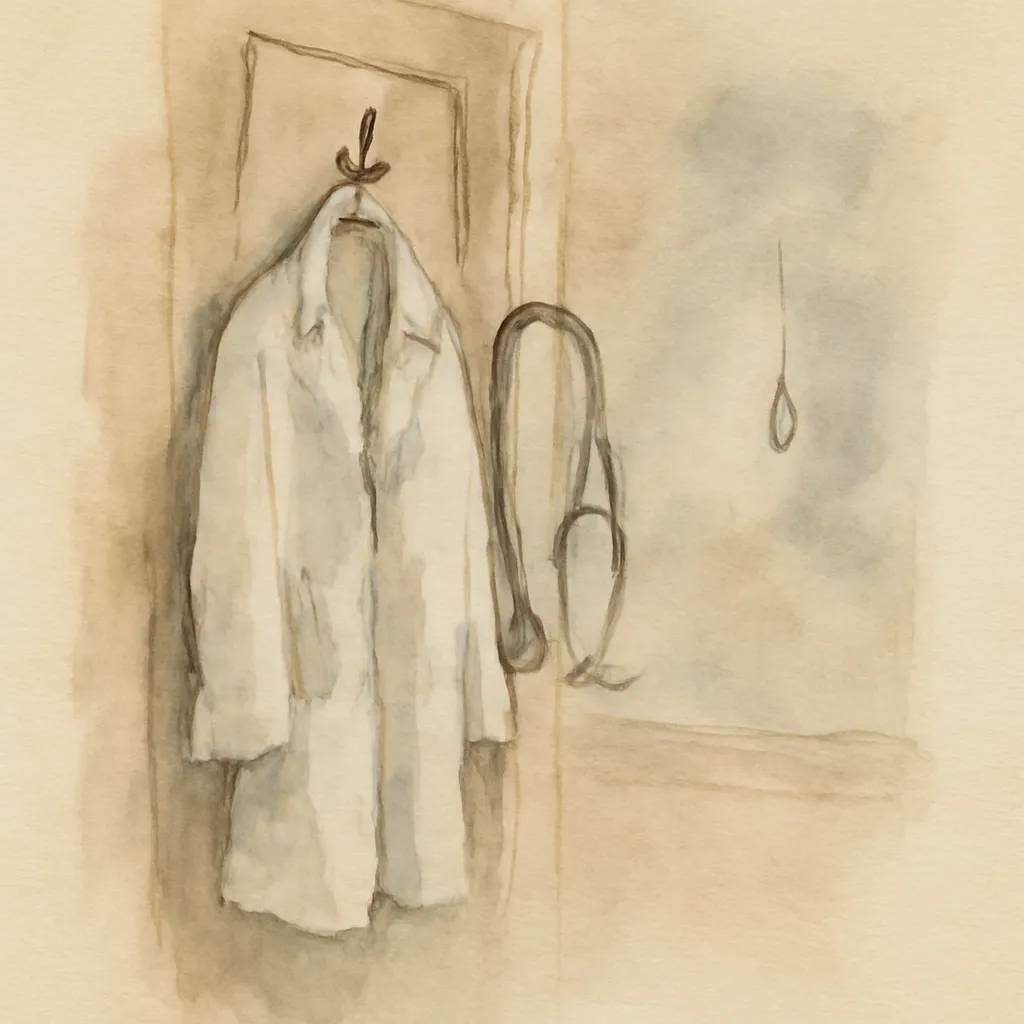
Kalanithi offers a unique dual perspective: as both doctor and patient. He reflects on the responsibilities, limits, and emotional burdens of being a physician, particularly in the high-stakes world of neurosurgery. When the roles reverse, he experiences firsthand the vulnerability and uncertainty of illness, leading to a profound empathy for patients and a nuanced understanding of the doctor-patient relationship.
4.Identity and Vocation
The memoir explores how identity is shaped by vocation, and how illness can threaten that sense of self. For Kalanithi, medicine was not just a career but a calling—a way to engage with life’s deepest questions. As his illness progresses, he grapples with the loss of his professional identity and the challenge of redefining himself beyond his work, highlighting the universal struggle to find self-worth amid change.
5.Love, Family, and Legacy
Kalanithi’s journey is also a testament to the sustaining power of love and family. His relationship with his wife, Lucy, evolves as they navigate the emotional terrain of terminal illness, and the decision to have a child despite his prognosis underscores the human drive to create and nurture life. The memoir is, in part, a legacy for his daughter—a meditation on what he hopes to leave behind.
6.The Limits of Control
A recurring motif is the tension between control and surrender. As a surgeon, Kalanithi was accustomed to precision and mastery; as a patient, he must accept uncertainty and relinquish control. This shift prompts reflection on the unpredictability of life and the necessity of embracing vulnerability, humility, and acceptance.