1.The Harsh Reality of Nature
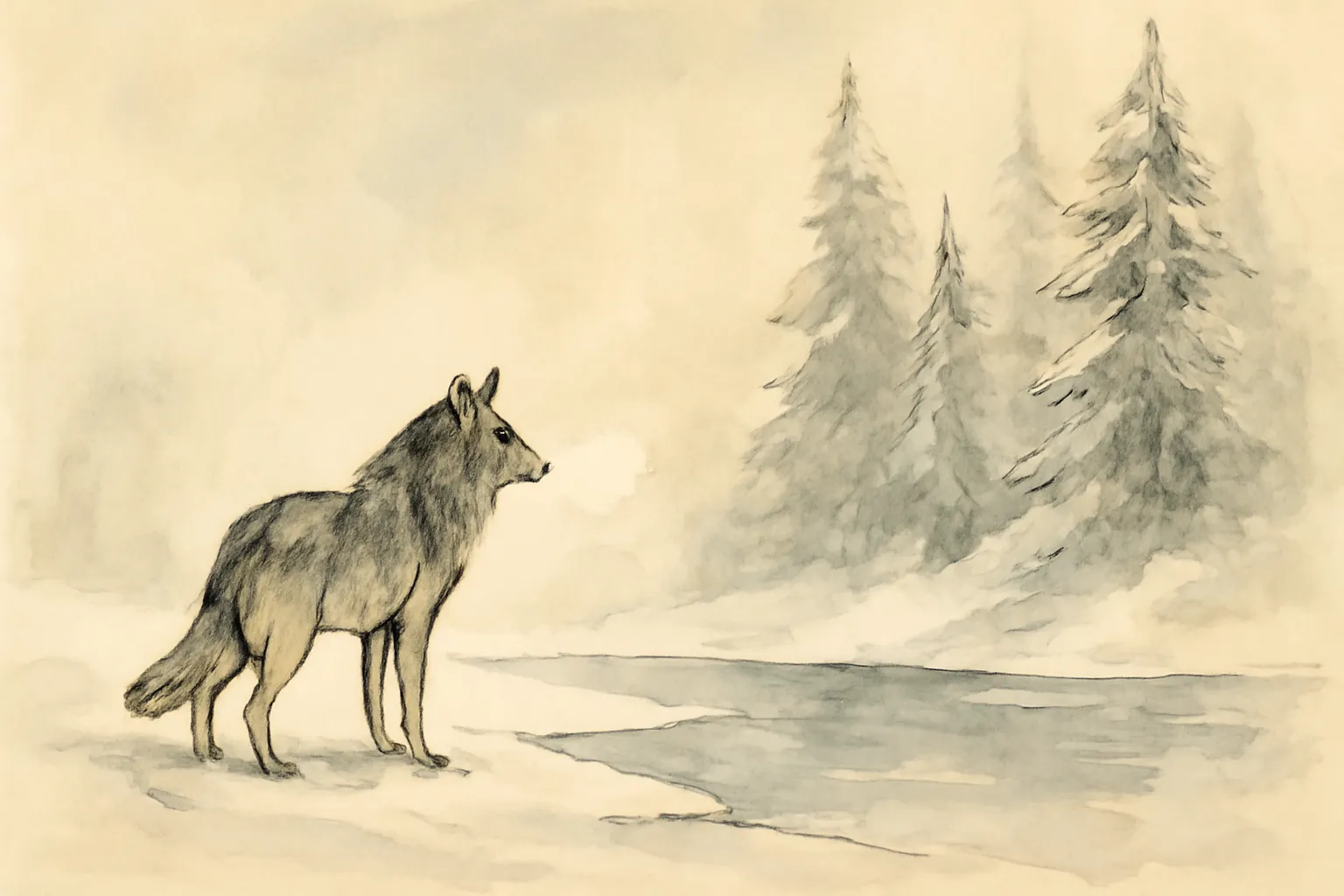
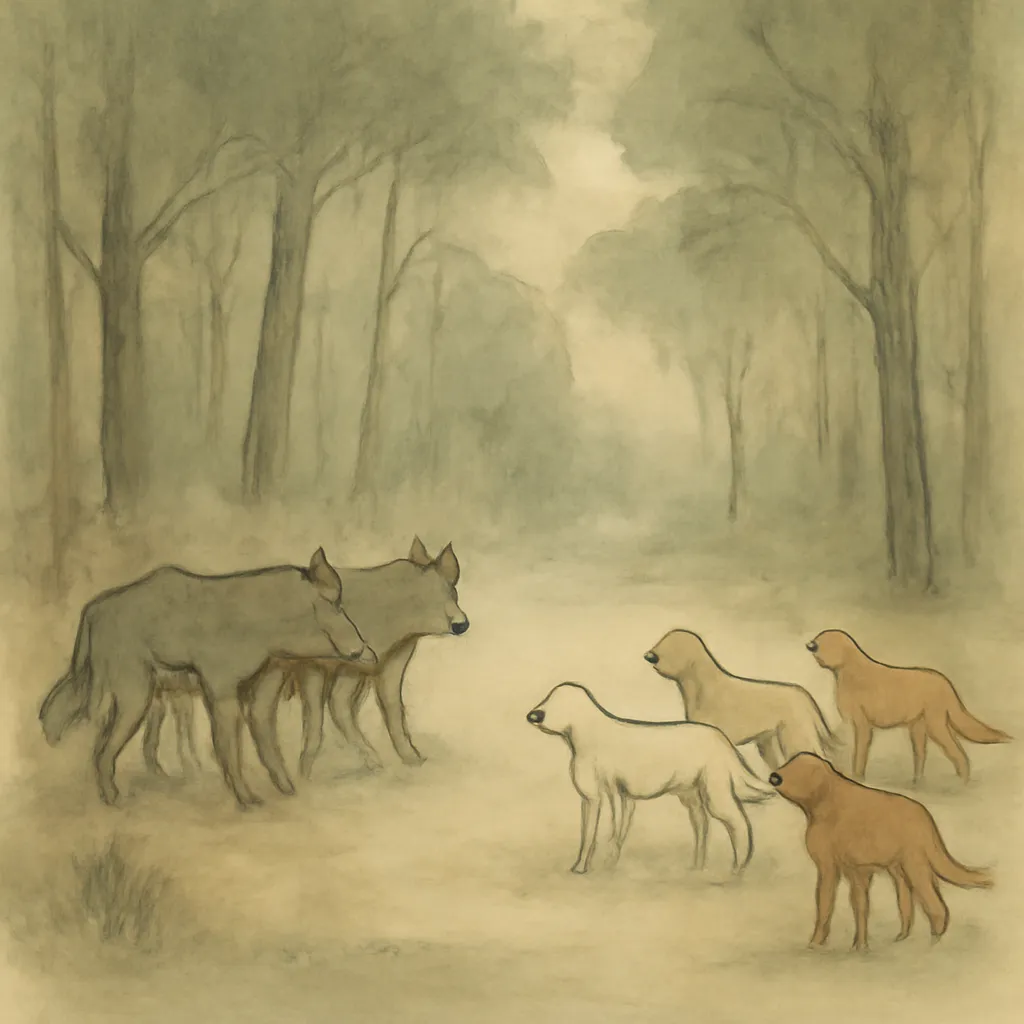
The story begins with a vivid portrayal of the brutal landscape of the Yukon wilderness, where survival hinges on the ability to adapt and endure. The cold, desolate environment is not just a backdrop but a character in its own right, embodying the 'Wild' that London describes with chilling precision. The opening chapters illustrate the struggle of the sled dog team, emphasizing the relentless challenges that the men and their dogs face. This harsh reality is a constant reminder that life in the wild is governed by the laws of nature, where every creature must fight for survival. White Fang's early experiences, including witnessing the death of his mother and learning to hunt, shape his understanding of life and death, instilling in him a sense of caution and resilience that will follow him throughout his journey.
2.The Duality of Instinct and Experience
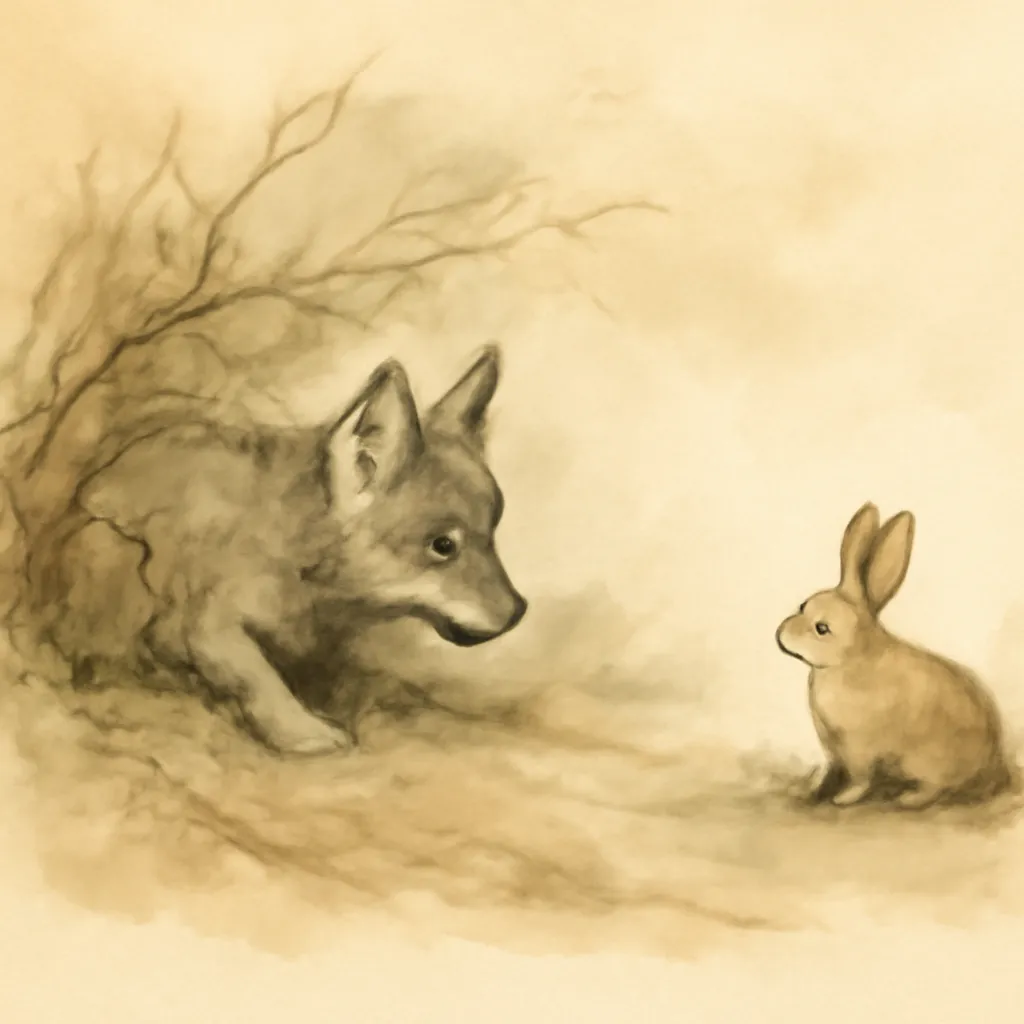
London intricately weaves the themes of instinct and experience throughout White Fang's life. As a cub, White Fang is driven by the instincts inherited from his wolf lineage, which dictate his behavior and reactions to the world around him. However, as he encounters various challenges and adversities, he learns to navigate his environment and the complexities of social interactions. For example, his initial encounters with humans are marked by fear and confusion, but as he observes their actions and learns from them, his instincts evolve. This duality illustrates the conflict between nature and nurture, showcasing how instinct can be tempered or enhanced by experience. White Fang's journey highlights the importance of adaptability and learning, suggesting that survival often depends on the ability to balance innate instincts with acquired knowledge.
3.The Impact of Betrayal
Betrayal plays a significant role in shaping White Fang's character and worldview. Early in his life, he experiences the treachery of the wild when he is abandoned by his mother and left to fend for himself. This betrayal instills a deep-seated mistrust of others, particularly humans, who he perceives as threats rather than allies. As he navigates the complexities of life in the Indian camp, he encounters further betrayal from both his peers and humans, reinforcing his belief that the world is a hostile place. The character of Lip-lip, a fellow dog who bullies White Fang, exemplifies the cruelty that can arise from jealousy and competition. These experiences of betrayal lead White Fang to develop a fierce independence and a reluctance to form bonds, which complicates his relationships with both animals and humans.
4.The Search for Belonging
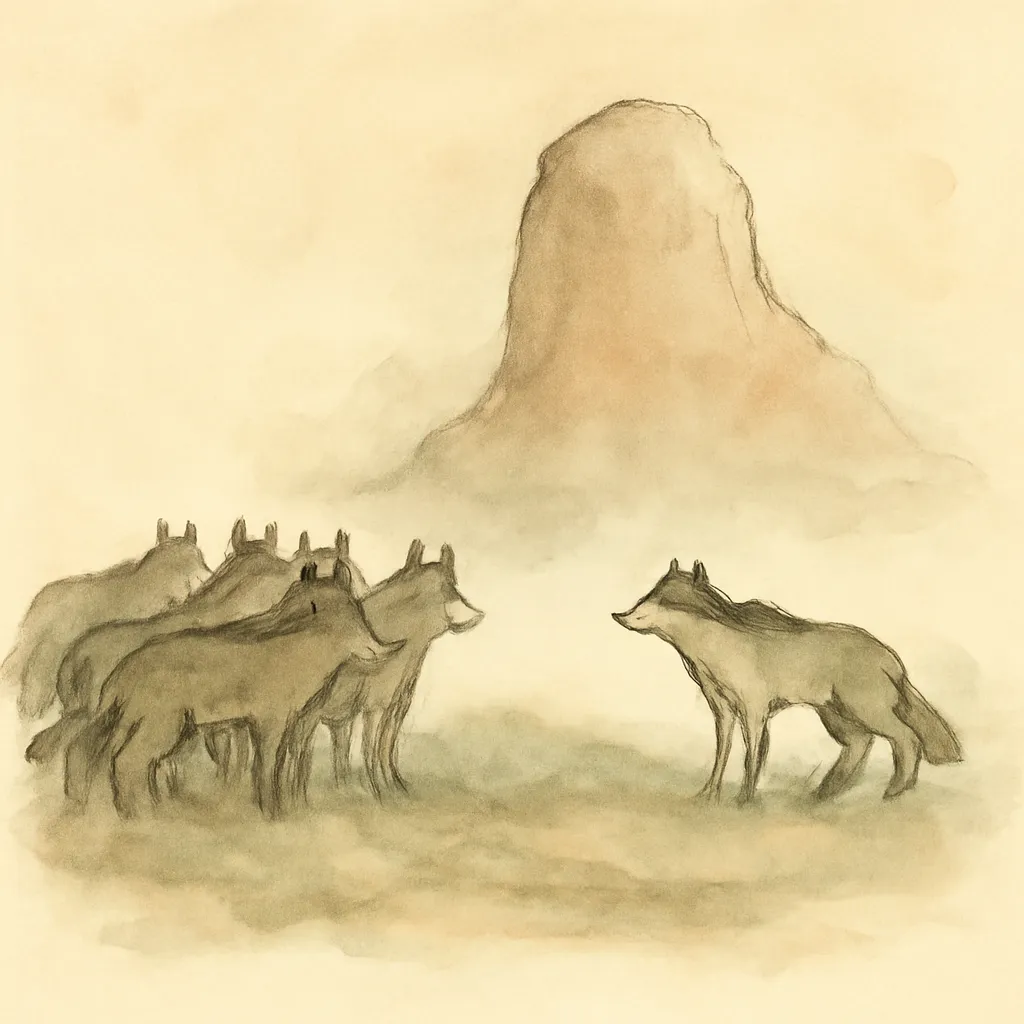
Throughout 'White Fang', the theme of belonging is central to the character's development. As a half-wolf, half-dog, White Fang struggles with his identity and place in the world. His early life in the wild teaches him the importance of pack dynamics, yet he is often an outcast, unable to fully integrate into any group. This sense of alienation is exacerbated by his experiences in the Indian camp, where he is both feared and misunderstood. London poignantly captures White Fang's longing for acceptance, which becomes a driving force in his actions. His eventual bond with Weedon Scott represents a turning point in his quest for belonging, as Scott offers him not only companionship but also unconditional love. This relationship becomes a sanctuary for White Fang, allowing him to reconcile his wild instincts with the desire for connection.
5.The Transformation through Love
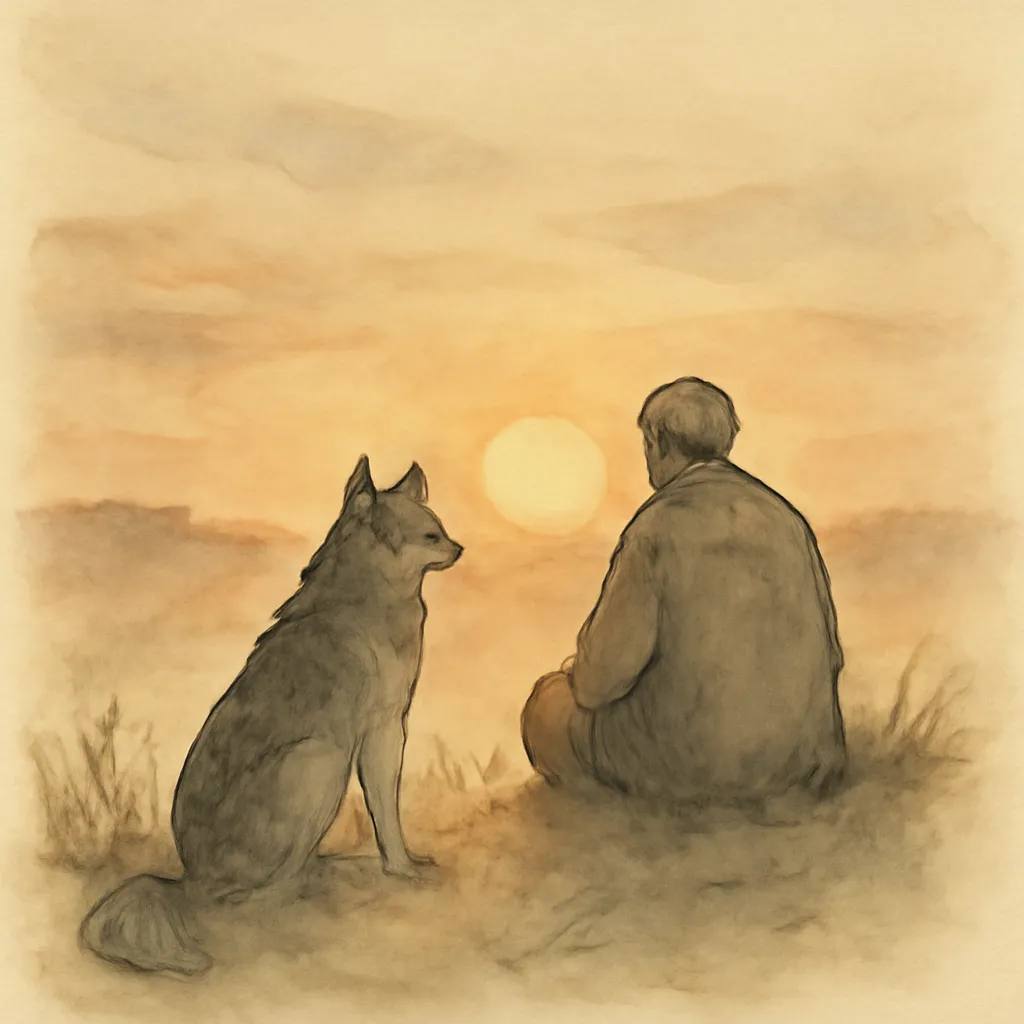
White Fang's transformation from a savage creature of the wild to a loyal companion is profoundly influenced by the love he receives from Weedon Scott. This relationship serves as a powerful counterpoint to his earlier experiences of betrayal and violence. Scott's patient and gentle approach allows White Fang to gradually lower his defenses and embrace his more tender side. London illustrates how love can act as a transformative force, enabling White Fang to overcome his instinctual fear and aggression. This transformation is not instantaneous; it requires time, trust, and consistent care. The contrast between Scott's nurturing and the harshness of White Fang's past underscores the novel's message that love can heal even the most deeply ingrained scars and foster personal growth.
6.The Nature of Violence
London does not shy away from depicting violence in 'White Fang', using it as a lens to explore the darker aspects of both animal and human behavior. The novel presents violence as a necessary reality of life in the wild, where it is often a means of survival. White Fang's early encounters with violence, whether through hunting or conflict with other animals, shape his understanding of power and dominance. However, as he enters human society, violence takes on a different connotation, often manifesting through cruelty and abuse. The character of Beauty Smith exemplifies this shift, as he uses violence to assert control and inflict suffering. London prompts readers to consider the ramifications of violence, questioning whether it is an inherent aspect of nature or a learned behavior influenced by societal factors.
7.The Struggle for Identity
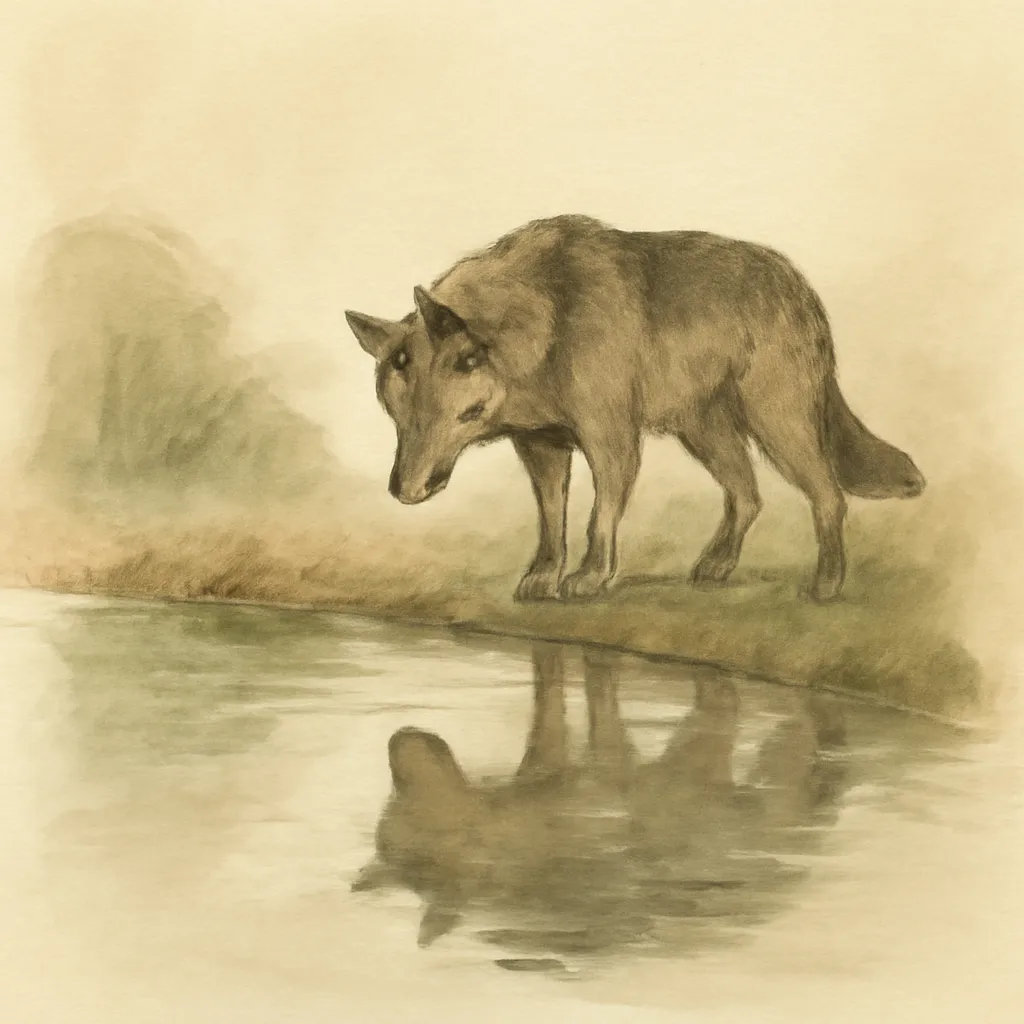
White Fang's journey is as much about self-discovery as it is about survival. As he navigates the complexities of his existence, he grapples with his identity as both a wolf and a domesticated dog. This struggle is illustrated through his interactions with other dogs and humans, as he often finds himself at odds with his instinctual behaviors. The duality of his nature creates internal conflict, as he oscillates between the desire to embrace his wild side and the longing for acceptance within human society. London's portrayal of this struggle underscores the broader theme of identity formation, suggesting that it is shaped by both innate characteristics and external influences. Through White Fang's experiences, readers are invited to reflect on their own identities and the factors that contribute to their sense of self.
8.The Role of Environment in Shaping Behavior
The environment in which White Fang exists plays a crucial role in shaping his behavior and outlook on life. The harshness of the wilderness instills in him a survival instinct that is both fierce and pragmatic. As he transitions from the wild to the Indian camp and then to the home of Weedon Scott, the changing environments reflect the shifting dynamics of his life. Each setting presents unique challenges and opportunities for growth, influencing his interactions with other characters and his understanding of the world. London emphasizes the importance of environment in shaping behavior, suggesting that context is a critical factor in determining how individuals respond to their circumstances. This idea resonates with readers, as it highlights the interplay between nature and nurture in the development of character and the formation of identity.
9.Redemption and Forgiveness
At its core, 'White Fang' is a story of redemption and forgiveness. White Fang's journey from a savage creature to a beloved companion illustrates the power of second chances and the potential for transformation. London portrays the characters of Weedon Scott and Kiche as embodiments of forgiveness, offering White Fang the opportunity to redefine his identity. Their love and acceptance allow him to confront his past traumas and embrace a new future. This theme of redemption extends beyond White Fang, as it invites readers to consider the capacity for change within themselves and others. Through the lens of forgiveness, London suggests that healing is possible, even for those who have experienced profound suffering and loss.