1.The Coyote: A Complex Character
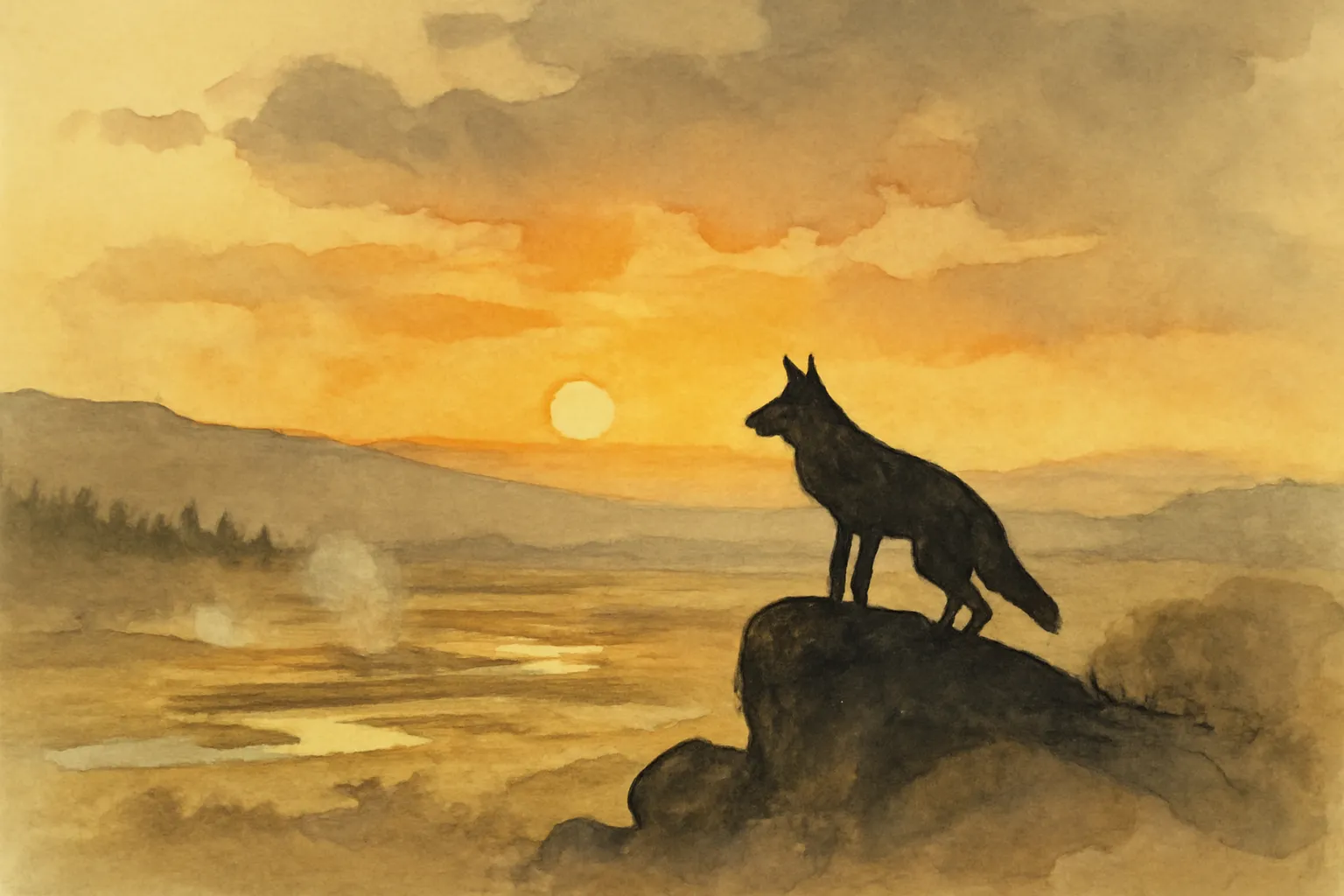
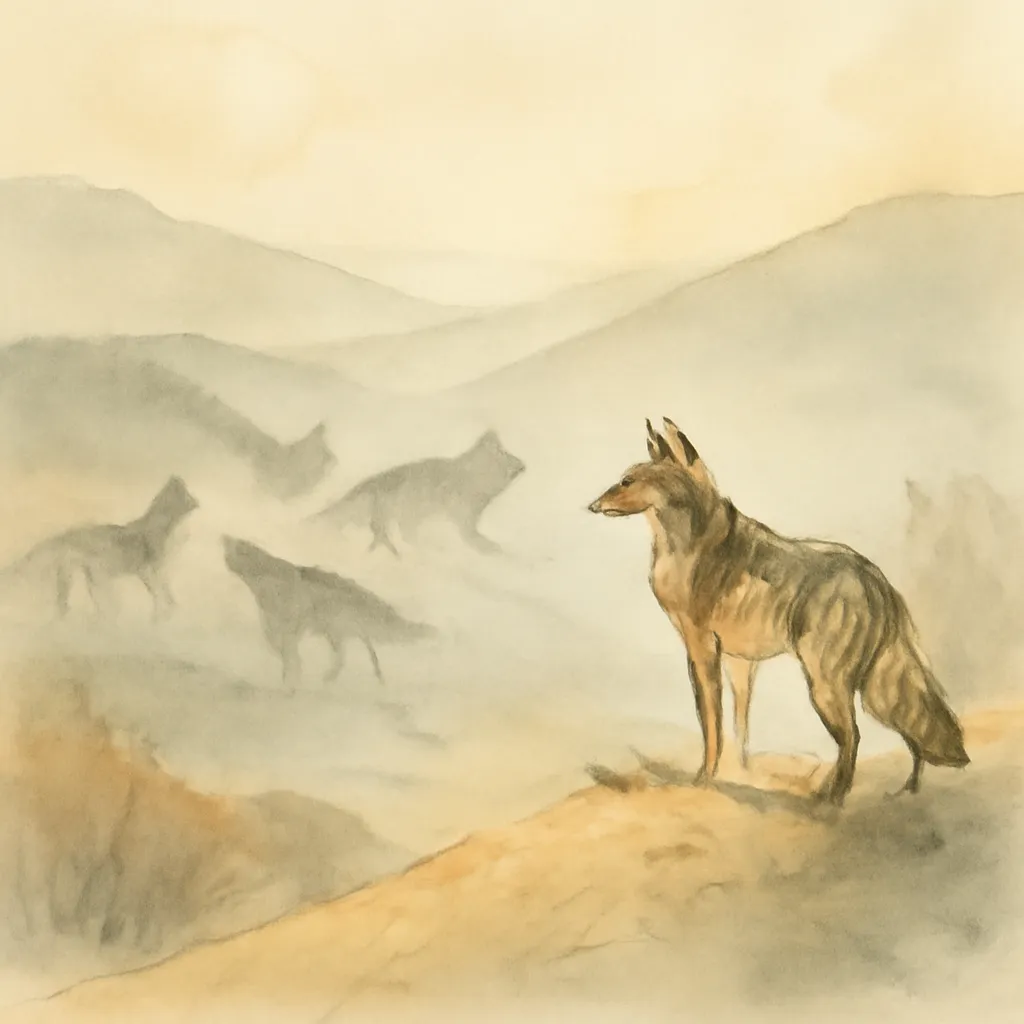
The Coyote, a quintessential symbol of the Wild West, embodies a unique blend of cunning and adaptability. Found throughout the western regions, Seton describes the Coyote as a 'halfbreed' between a Fox and a Wolf, showcasing traits from both animals that contribute to its survival. Unlike the more elusive Wolf, Coyotes often display a degree of tameness, particularly in areas where human hunters are absent. However, this relationship with humans has shifted dramatically over time; as hunting techniques evolved, so did the Coyote’s wariness. Seton observes that these creatures are not only skilled hunters but also devoted partners, often seen working in tandem with their mates. Their social structure and intelligence make them fascinating subjects for study, revealing profound insights into the natural world and the delicate balance of predator and prey.
2.The Prairie-Dog: Community and Survival
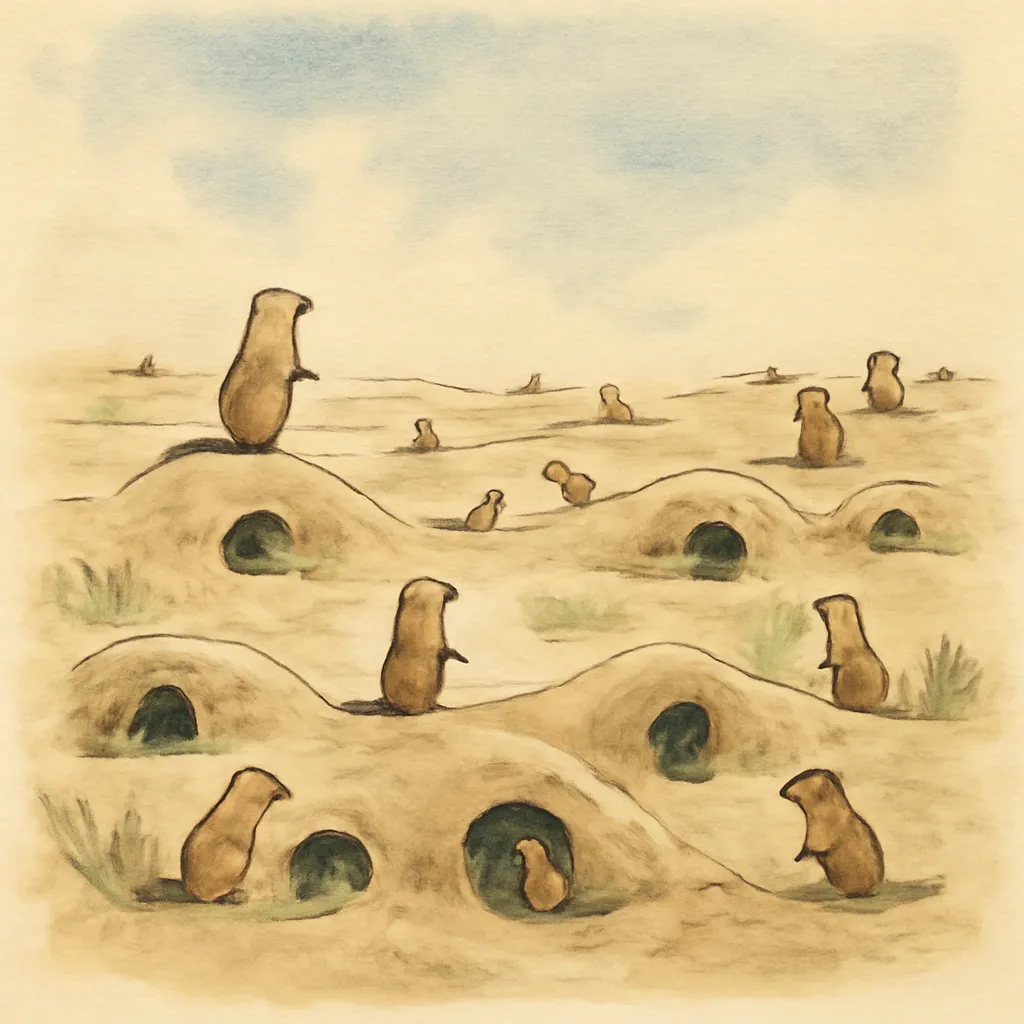
Seton introduces the Prairie-dog as a quintessential inhabitant of the American plains, rivaling the Buffalo in its representation of the West. Known for their distinctive 'yek-yek' calls, these animals are social creatures that live in intricate burrow systems, showcasing a remarkable level of community organization. Seton recounts the various threats that Prairie-dogs face, not just from predators like Coyotes but also from environmental challenges. He highlights the symbiotic relationships that develop within their ecosystem, such as their interactions with Rattlesnakes and Burrowing Owls, which create a fascinating dynamic of mutual benefit and survival. The Prairie-dog's lifestyle exemplifies the complexities of animal communities, emphasizing the importance of social structures in the animal kingdom and the need for conservation efforts to protect such ecosystems.
3.Fur-Bearers: Nature's Adaptations
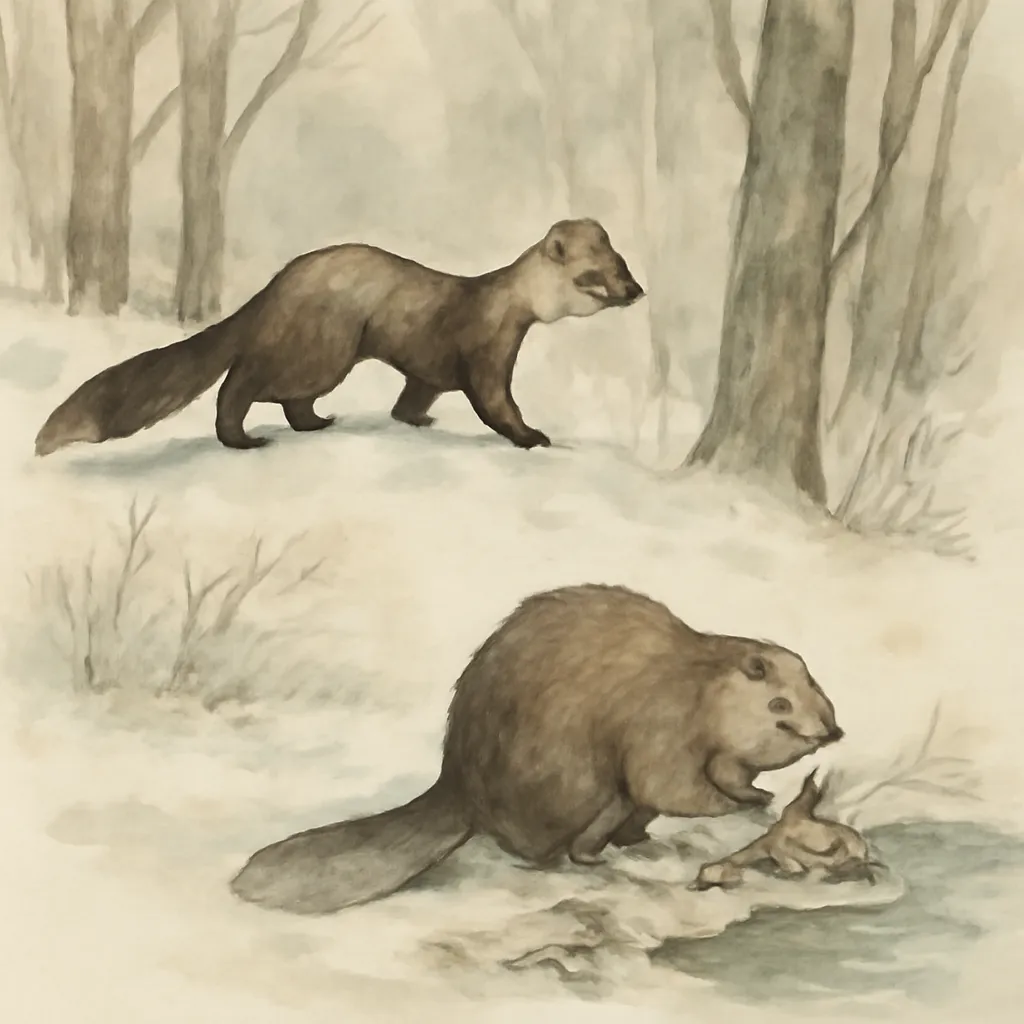
The chapter on fur-bearing animals delves into the evolutionary adaptations that have equipped these creatures to thrive in harsh northern climates. Seton discusses the Marten, Beaver, and Otter, each possessing unique furs that serve not only for warmth but also for protection and camouflage. The Silver Fox, a particularly captivating example, is described as a 'black freak' born from a lineage of red-headed ancestors, showcasing nature's ability to produce variations that enhance survival. Seton emphasizes the delicate relationship between humans and these animals, illustrating how fur has become both a commodity and a symbol of beauty and status. He advocates for a deeper appreciation of these creatures, urging readers to recognize their intrinsic value beyond material wealth. This exploration of fur-bearers highlights the intersection of nature, culture, and conservation.
4.The Bounding Blacktail: Grace in Motion
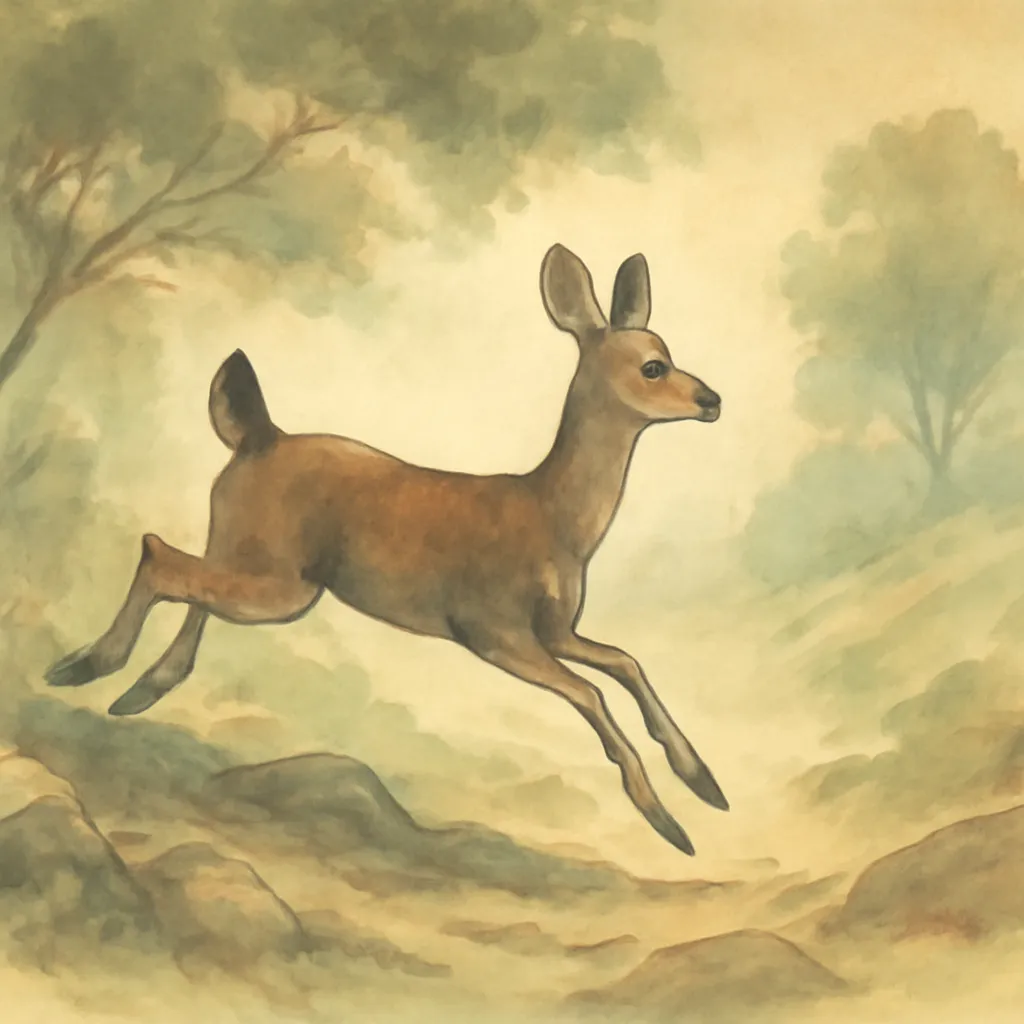
Seton paints a vivid portrait of the Blacktailed Deer, known for its remarkable agility and grace. The Mule Deer, as it is also called, is characterized by its large ears and distinctive bounding gait, which allows it to navigate the rugged terrains of the Rockies with ease. Seton recalls encounters with these deer in Yellowstone, where they exhibit a surprising level of familiarity with humans, allowing for close observation. He contemplates the evolutionary advantages of their unique locomotion, noting how it aids in escaping predators while traversing uneven landscapes. The Blacktail serves as a reminder of the beauty of adaptation in nature, as well as the importance of preserving habitats that support such magnificent creatures. Seton's reflections encourage readers to appreciate the elegance of wildlife in motion and the role of conservation in maintaining these natural wonders.
5.The Misunderstood Bat: A Creature of Wonder
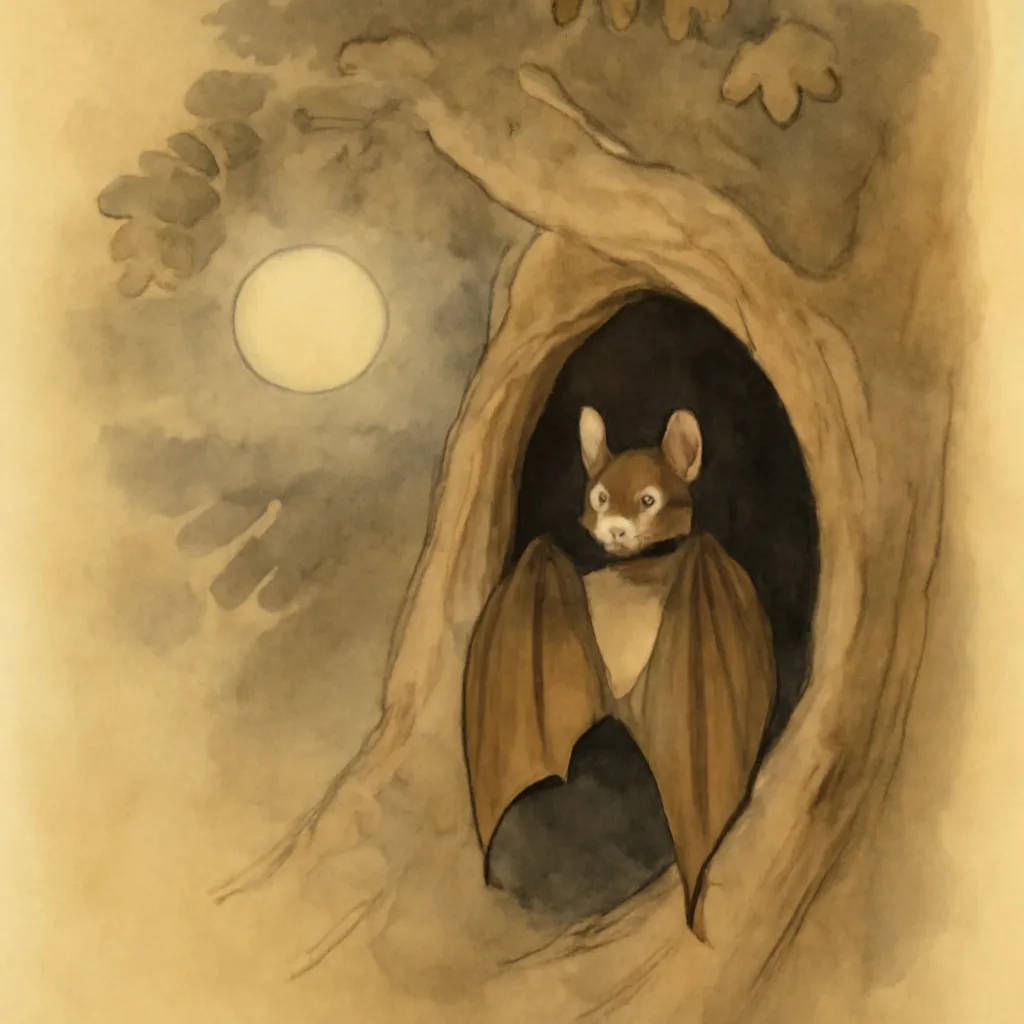
In a surprising twist, Seton champions the often-maligned Bat, celebrating its unique adaptations and ecological role. He argues against the common misconceptions that paint bats as sinister creatures, instead portraying them as marvels of nature, equipped with keen senses and the gift of flight. Seton shares personal anecdotes of his fascination with bats, revealing their intelligence and social behaviors. He acknowledges the fear they evoke in many, but urges readers to reconsider their perceptions and recognize the vital role bats play in controlling insect populations and pollinating plants. This chapter serves as a poignant reminder of the need to challenge societal narratives about wildlife and to foster a deeper appreciation for all creatures, regardless of their reputation.
6.The Skunk: An Unlikely Hero
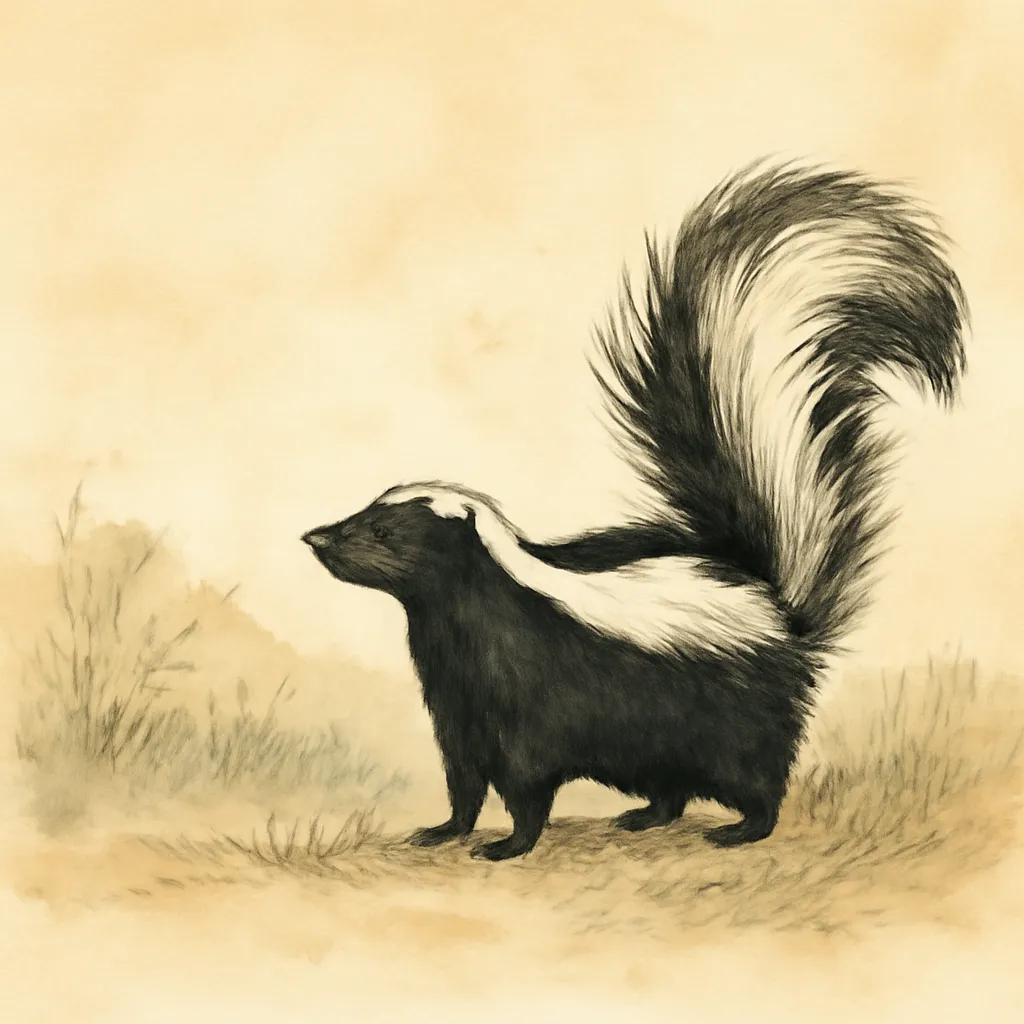
Seton expresses a profound admiration for the Skunk, highlighting its unique characteristics and misunderstood nature. As a creature native to North America, the Skunk embodies the spirit of the continent, with its distinctive markings and defensive mechanisms. Seton emphasizes that while the Skunk is capable of producing a foul odor when threatened, it is generally a peaceful animal that prefers to avoid confrontation. He recounts encounters with Skunks in Yellowstone, illustrating their curious and inoffensive nature. Seton argues that the Skunk deserves recognition as an emblem of America, promoting the idea that every animal, no matter how unassuming, plays a crucial role in the ecosystem. This chapter encourages readers to embrace the diversity of wildlife and to appreciate the unique contributions of all species, even those that may seem less glamorous.
7.The Badger: An Endearing Excavator
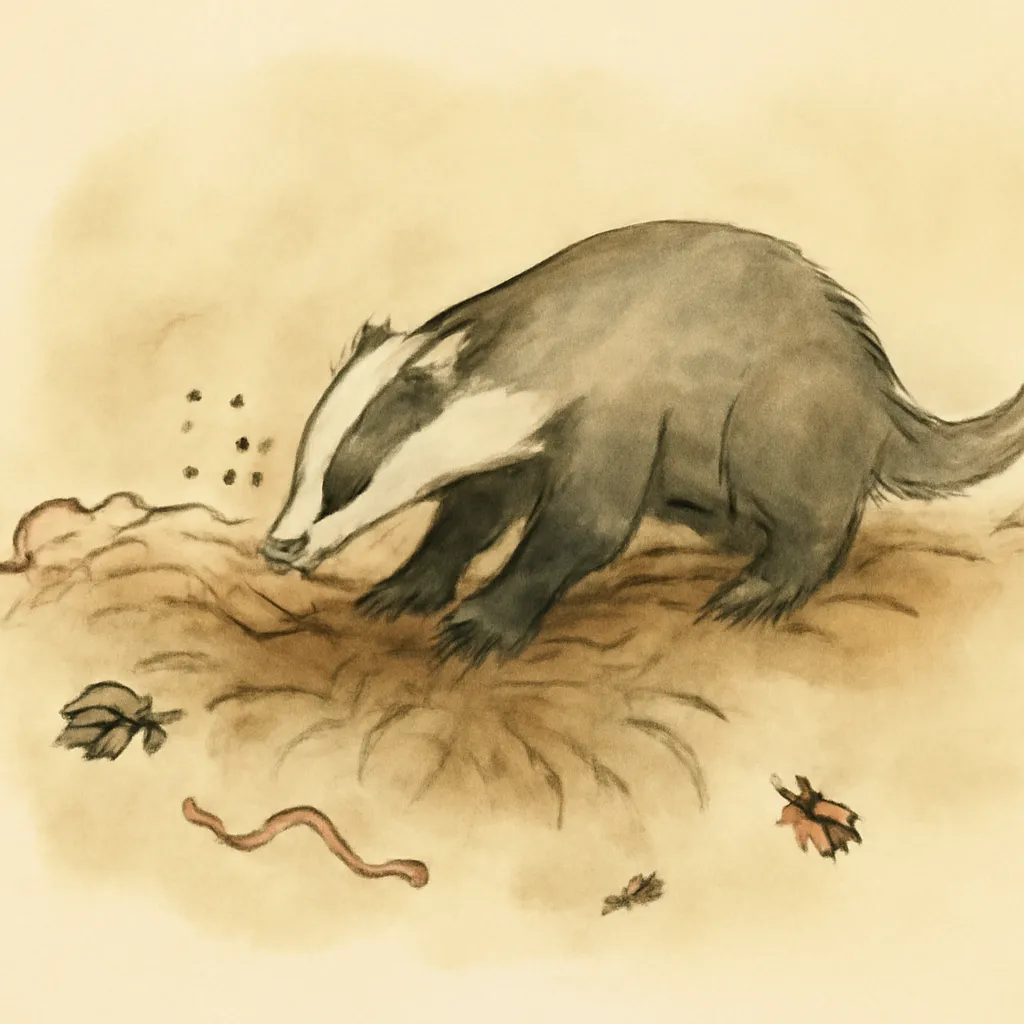
Seton presents the Badger as a misunderstood creature, often viewed negatively due to its digging habits. He describes the Badger's impressive burrowing abilities and its role in maintaining ecological balance by controlling populations of rodents and insects. Despite its reputation, Seton portrays the Badger as a valiant and harmless character, emphasizing its importance in the ecosystem. He shares humorous anecdotes of encounters with Badgers, illustrating their shy nature and reluctance to approach humans. This chapter highlights the need for a nuanced understanding of wildlife, urging readers to recognize the benefits that even the most unassuming creatures offer to their habitats. Seton's admiration for the Badger serves as a call to embrace the complexity of nature and the interconnectedness of all living beings.
8.Squirrels: The Agile Acrobats
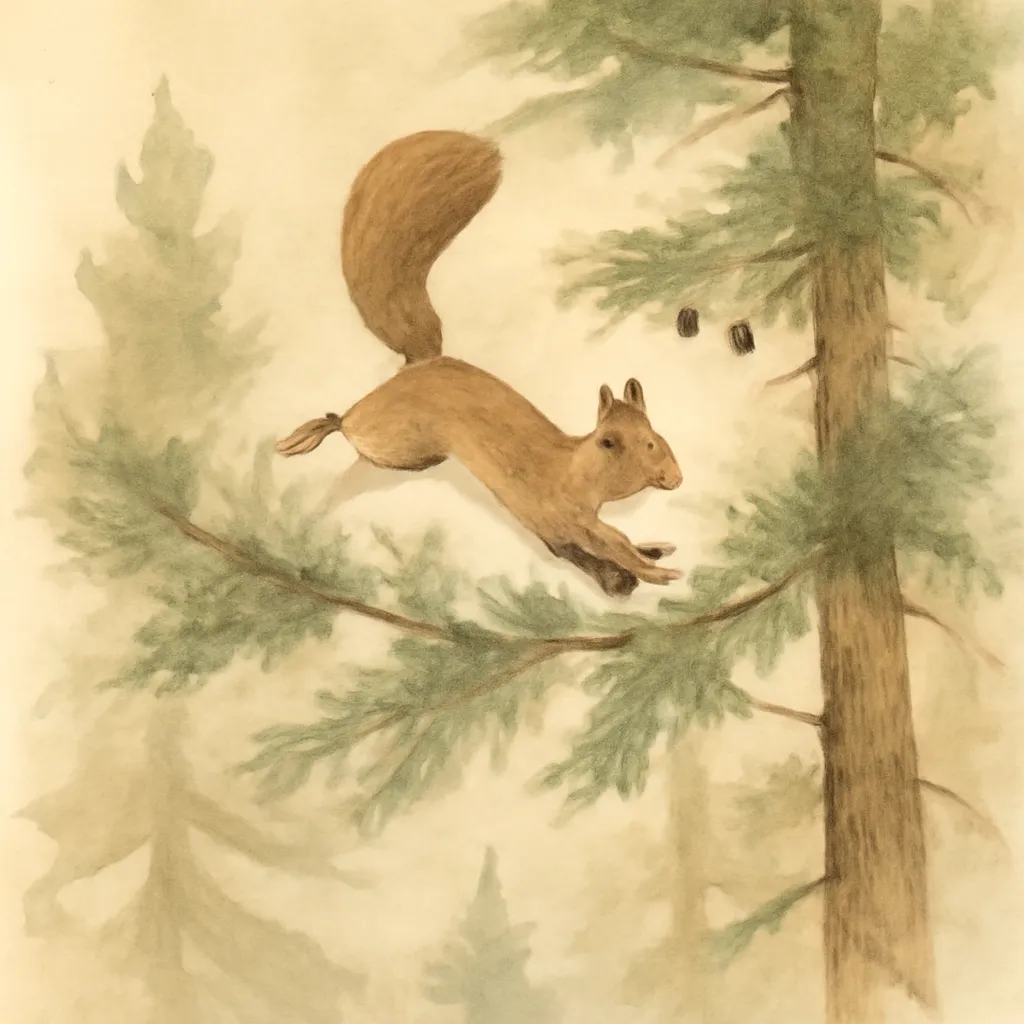
Seton explores the world of Squirrels, particularly the Pine Squirrel, known for its energetic antics and adaptability. He describes the Squirrel's unique behaviors, such as its tail communication and foraging strategies, which enable it to thrive in various environments. Seton notes the Squirrel's role in seed dispersal and forest regeneration, underscoring its ecological significance. Through detailed observations, he captures the lively spirit of these creatures, inviting readers to appreciate their contributions to the ecosystem. The Squirrel's ability to adapt to changing environments speaks to the resilience of wildlife, reminding us of the importance of preserving natural habitats. Seton’s observations encourage a sense of wonder and curiosity about the seemingly ordinary animals that share our world.
9.Rabbits: The Masters of Reproduction
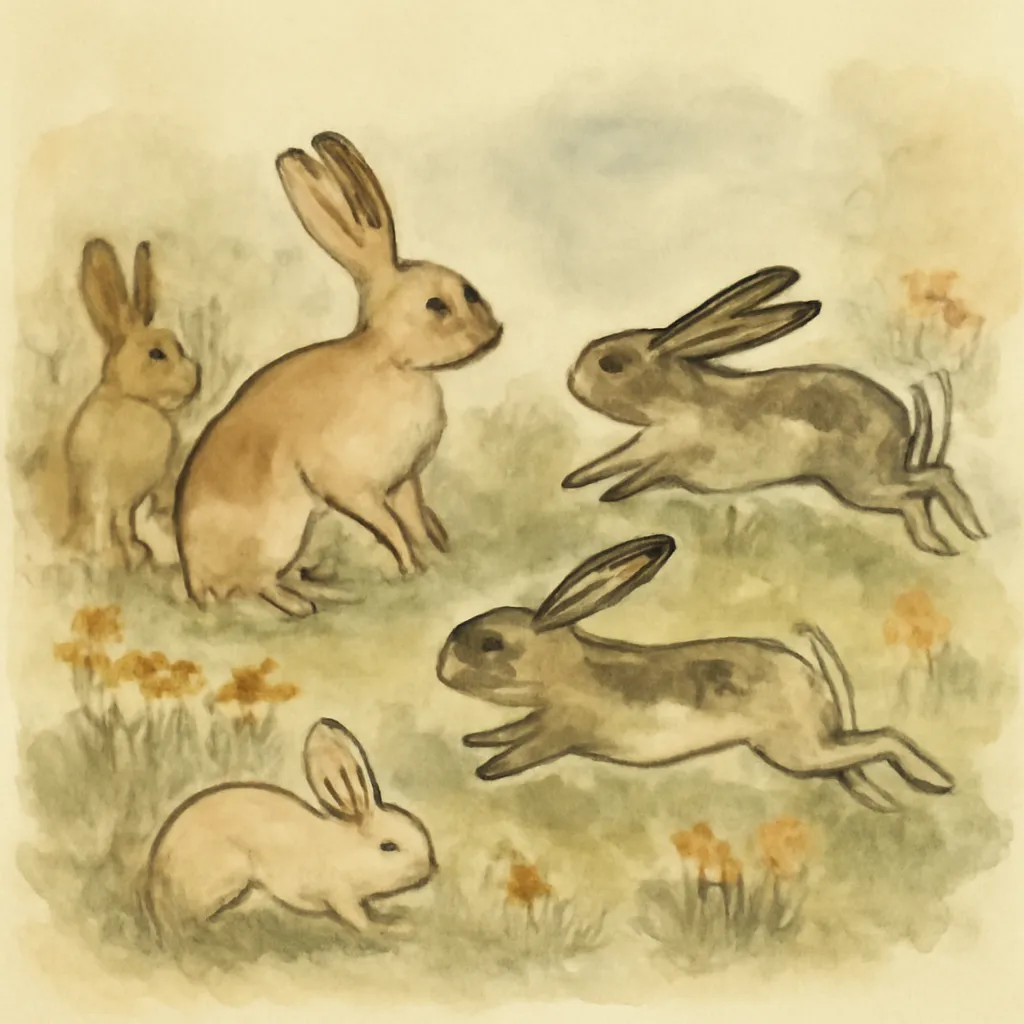
Seton delves into the world of Rabbits, celebrating their remarkable reproductive capabilities as a key to their survival. He describes the three main types found in the Rockies: Cottontails, Snowshoes, and Jackrabbits, each with unique adaptations suited to their environments. Seton highlights the Rabbit's strategy of 'freezing' in response to danger, a tactic that showcases its instinctual behaviors. He recounts personal experiences observing these creatures in the wild, emphasizing their vulnerability and the challenges they face from predators. This chapter serves as a reminder of the delicate balance of life in nature, where every species plays a role in the web of existence. Seton's reflections on Rabbits invite readers to consider the intricate relationships between prey and predator, and the importance of conservation in maintaining these dynamics.
10.The Silent Watchers: Mice of the Mountains
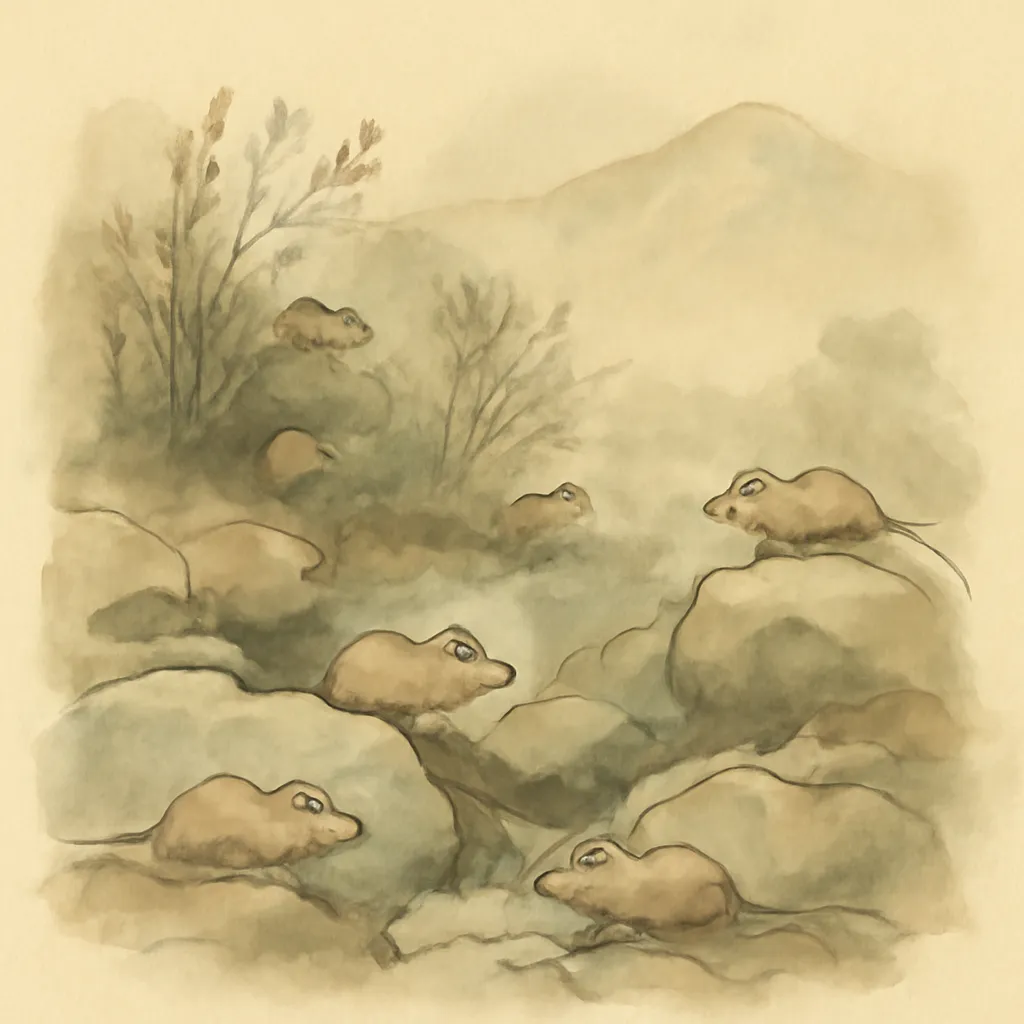
In a fascinating exploration of the lesser-known inhabitants of the mountains, Seton introduces readers to the various species of Mice that thrive in the wild. He describes their behaviors, habitats, and the integral roles they play in the ecosystem, often overlooked by those focused on larger animals. Seton captures the charm of these small creatures, emphasizing their adaptability and resilience in the face of environmental challenges. He notes how Mice can often be found in close proximity to human camps, serving as silent observers of the activities around them. This chapter encourages readers to appreciate the diversity of wildlife, recognizing that every creature, no matter how small, contributes to the rich tapestry of life. Seton's observations on Mice highlight the interconnectedness of all species and the importance of protecting their habitats.