1.The Call of Adventure
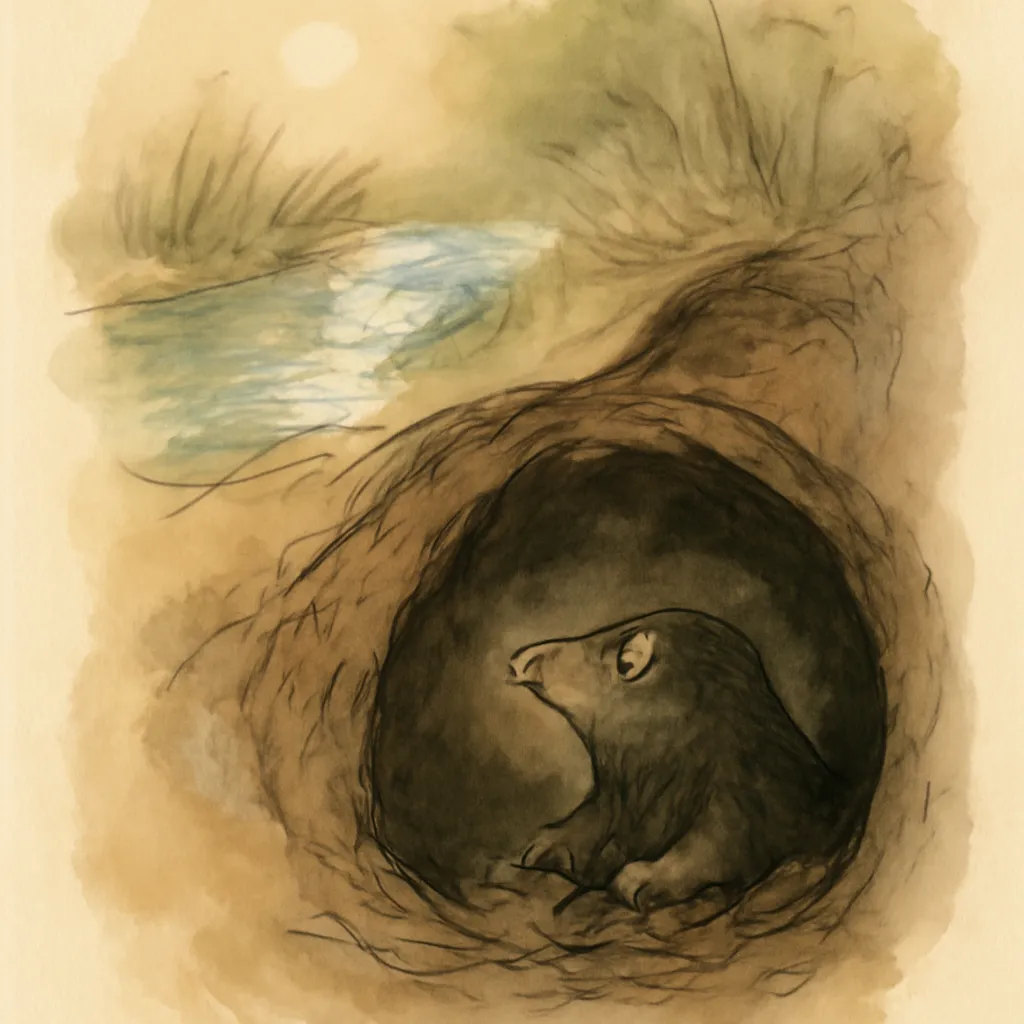
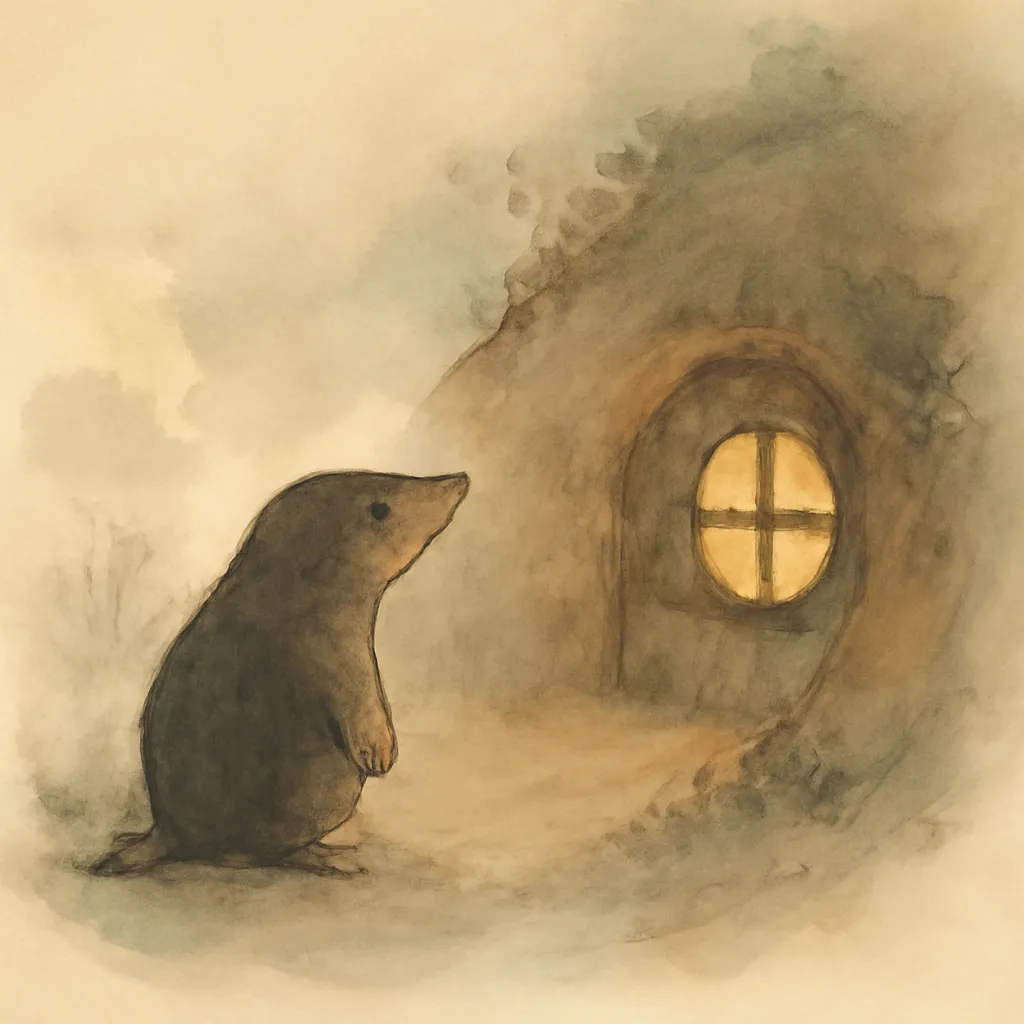
The story begins with the Mole, who, overwhelmed by the mundane task of spring-cleaning, feels a deep yearning for something more. This longing is a universal theme that resonates with anyone who has ever felt trapped in routine. The moment he emerges from his underground home into the warm embrace of the sunlit meadow symbolizes the awakening of his spirit and the call of adventure. This pivotal moment sets the stage for the exploration of the world beyond his familiar surroundings. It emphasizes the importance of responding to one's inner calling, encouraging readers to embrace change and seek new experiences, much like the Mole does when he steps out of his comfort zone. The adventure that follows serves as a reminder that life is full of opportunities waiting to be seized.
2.Friendship as a Guiding Force
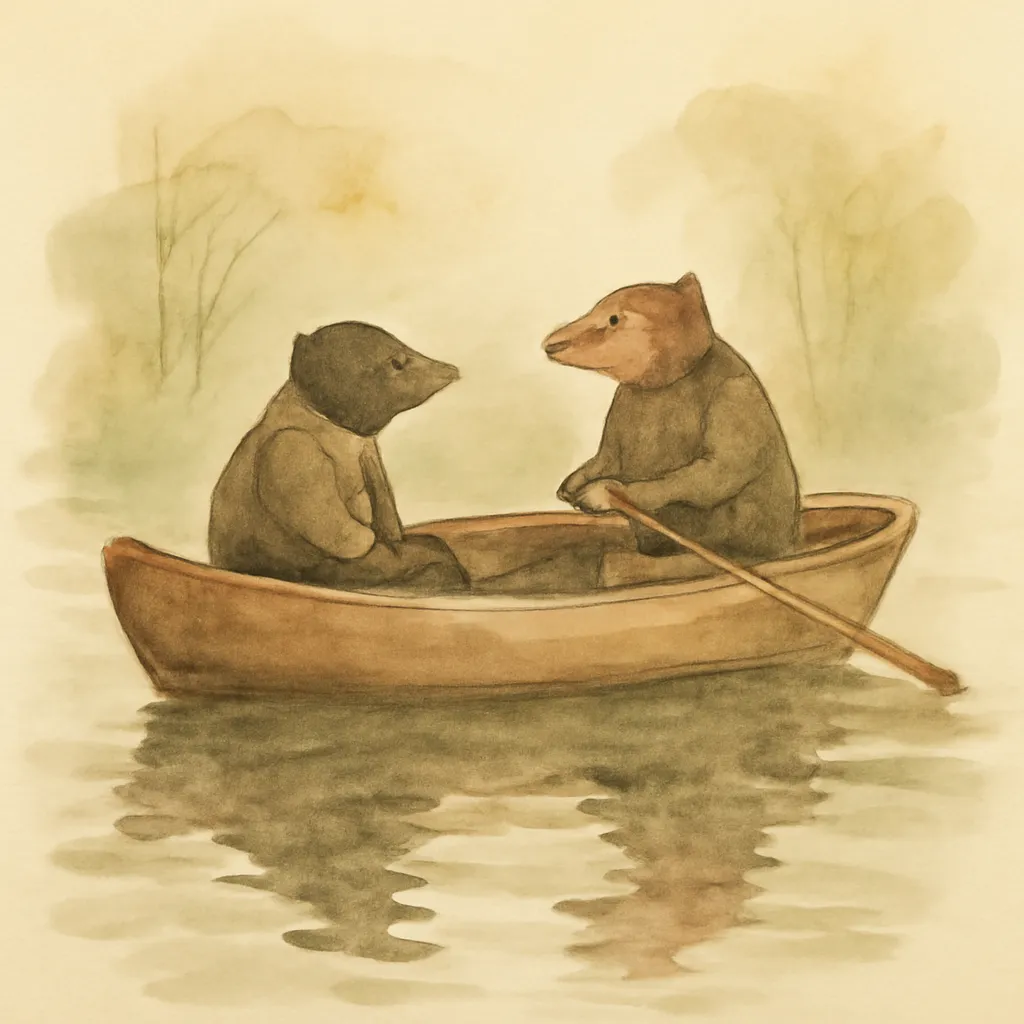
At the heart of 'The Wind in the Willows' lies the theme of friendship, beautifully exemplified through the relationship between Mole and Ratty. Their bond reflects the importance of companionship in navigating life's challenges. Ratty, with his easygoing nature and love for the river, acts as a guide for the Mole, introducing him to the joys of boating and the simple pleasures of life by the water. This friendship not only enriches their lives but also allows them to grow individually. Mole learns to appreciate the beauty of the world around him, while Ratty finds joy in sharing his passions. Their dynamic highlights the value of supporting one another, demonstrating that true friends help us discover our strengths and expand our horizons. The story encourages readers to cultivate meaningful relationships that inspire and uplift.
3.The Wisdom of Badger
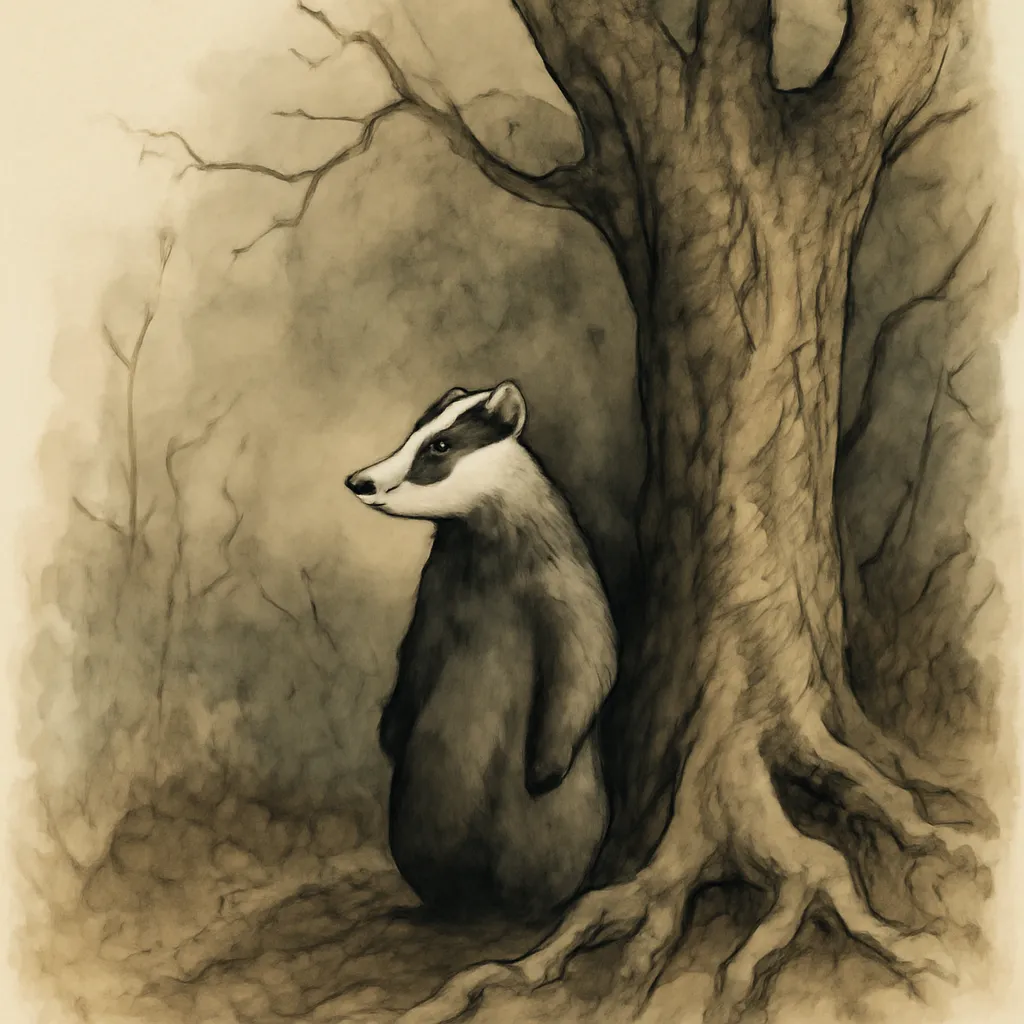
Badger, often seen as a reclusive figure, embodies wisdom and stability in contrast to the impulsive nature of Toad. His character serves as a grounding force for the other animals, particularly when Toad's reckless behavior spirals out of control. Badger's reluctance to conform to societal expectations highlights the importance of individuality and authenticity. He teaches the others that true strength lies in understanding oneself and one's values rather than seeking approval from others. Badger’s home in the Wild Wood symbolizes a sanctuary where one can reflect and recharge away from the chaos of the outside world. His wisdom is often sought after, reminding readers that seeking guidance from those with experience can be invaluable in times of uncertainty. The narrative suggests that wisdom often comes from solitude and introspection.
4.Toad's Recklessness and Redemption
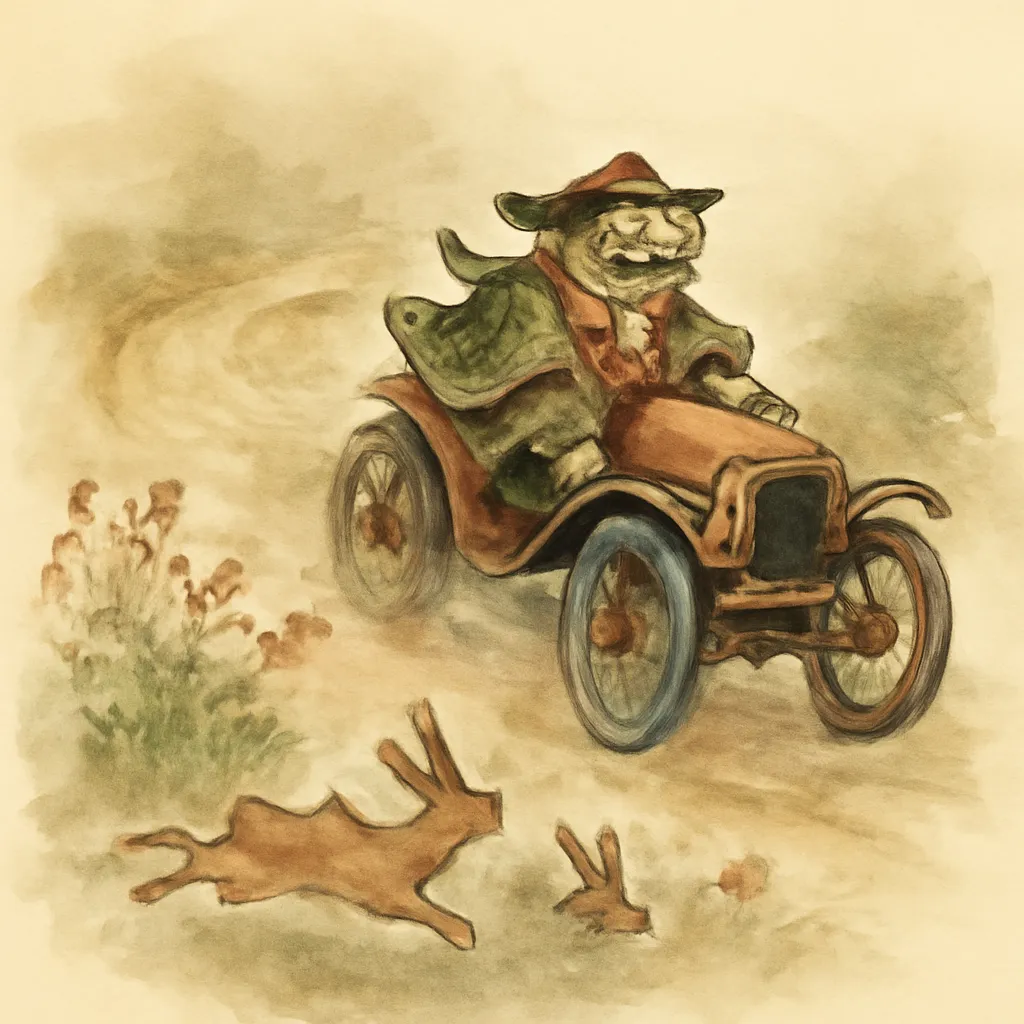
Toad's character is a vivid portrayal of the pitfalls of excess and impulsivity. His obsession with motor cars leads him into a series of misadventures that ultimately result in his imprisonment. Toad's journey is one of transformation; he must confront the consequences of his actions and learn humility. His friends, particularly Ratty and Badger, represent the support system that helps him navigate his struggles. They embody the idea that true friends will stand by you, even during your lowest moments. Toad's eventual redemption underscores the importance of personal growth and the capacity for change. The narrative encourages readers to reflect on their own behaviors and the value of accountability, ultimately portraying Toad's journey as a relatable struggle for self-improvement.
5.Nature as a Character
The English countryside is not merely a backdrop but a character in its own right in 'The Wind in the Willows.' Grahame's vivid descriptions of the river, meadows, and woodland evoke a deep appreciation for nature's beauty. The changing seasons serve as a metaphor for the cycles of life, reflecting the characters' emotional journeys. Spring symbolizes renewal and adventure, while winter represents introspection and the comforts of home. The river, with its gentle flow, embodies the passage of time and the continuity of life. This connection to nature invites readers to explore their relationship with the environment, urging them to find solace and inspiration in the natural world. Grahame's portrayal of nature as a nurturing presence reinforces the idea that our surroundings profoundly influence our well-being and happiness.
6.The Importance of Home
The concept of home is woven throughout the narrative, serving as a refuge for the characters amidst their adventures. Mole's longing for home after his escapades illustrates the comfort and security that a familiar place provides. When he and Ratty visit Toad Hall, the grandeur of Toad's home contrasts with Mole's modest dwelling, highlighting different interpretations of home. Toad’s eventual return to Toad Hall signifies not only physical safety but also a return to one’s roots and identity. The story emphasizes that home is not just a physical space but also a feeling of belonging and acceptance. Through the characters' experiences, readers are reminded of the emotional connections we form with places and the significance of creating a sense of home wherever we are.
7.Facing Fears and Overcoming Challenges
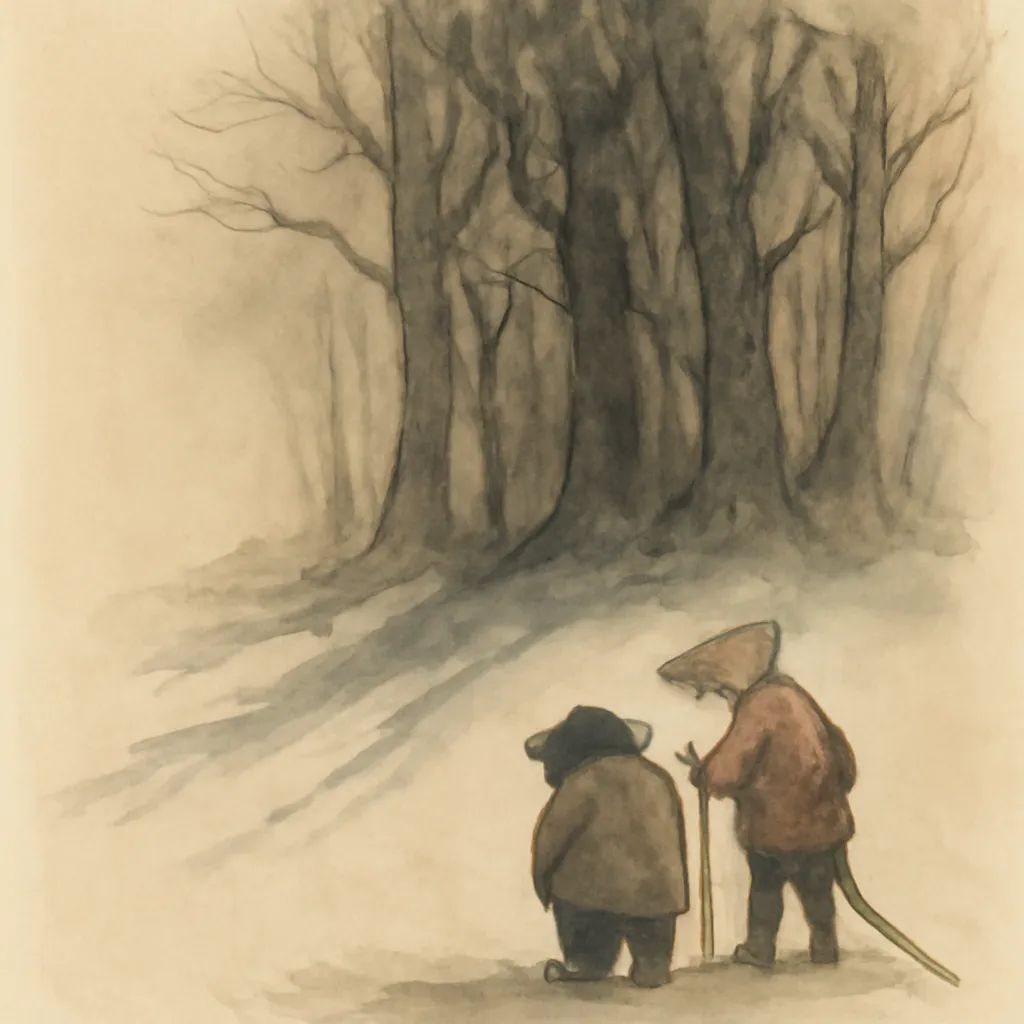
The characters in 'The Wind in the Willows' frequently face their fears and confront challenges that test their resolve. Mole's initial trepidation about venturing into the Wild Wood reflects a common fear of the unknown. However, his eventual decision to explore it alongside Ratty showcases the importance of courage and the willingness to step outside one's comfort zone. Similarly, Toad's journey through imprisonment and subsequent escape illustrates the theme of resilience. Each character learns to navigate their fears and emerge stronger, highlighting the human experience of facing adversity. This theme resonates with readers, encouraging them to confront their own challenges with courage and determination. The narrative suggests that growth often comes from overcoming the obstacles we encounter along the way.
8.The Value of Simplicity
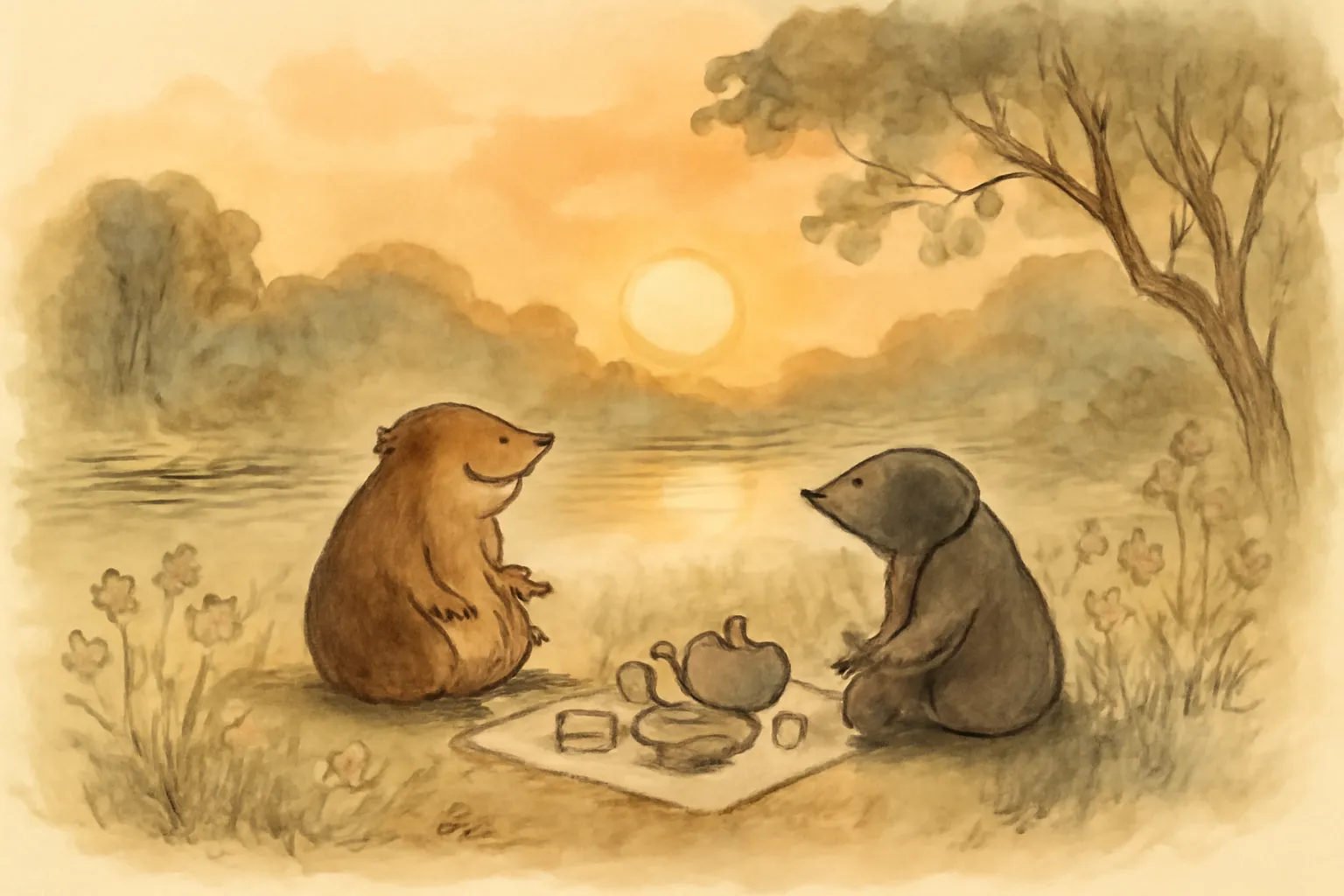
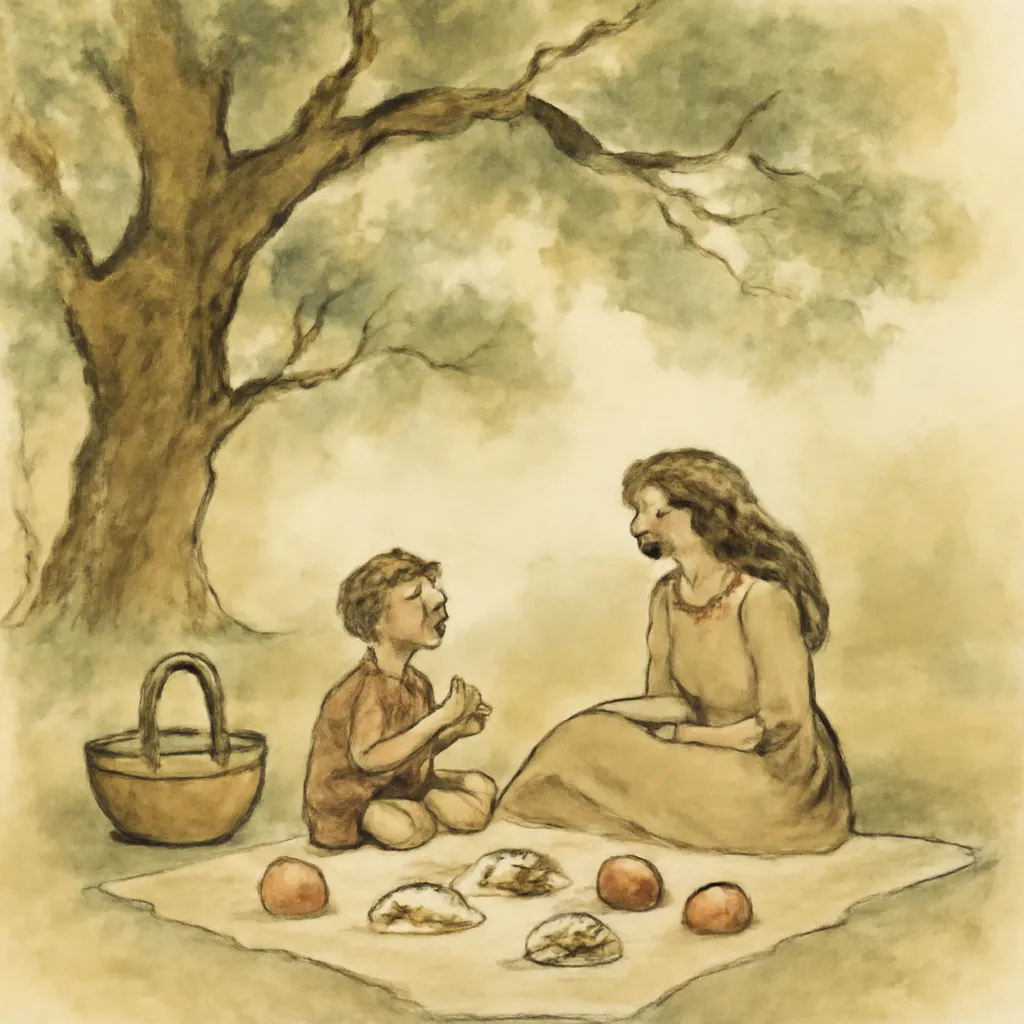
Amidst the whimsical adventures, 'The Wind in the Willows' conveys a profound appreciation for the simple pleasures of life. The characters find joy in leisurely activities such as boating, picnicking, and exploring nature, emphasizing that happiness often lies in the ordinary moments. Ratty’s love for the river and Mole’s newfound appreciation for the outdoors illustrate the richness of life when one embraces simplicity. The story encourages readers to slow down and savor the beauty of everyday experiences, reminding us that fulfillment can be found in the small things. This message is particularly relevant in today’s fast-paced world, where the pursuit of material wealth often overshadows the joys of living. Grahame’s narrative serves as a gentle reminder to cherish life’s simple pleasures and to cultivate mindfulness.
9.Community and Belonging
The interactions among the animals in 'The Wind in the Willows' highlight the significance of community and belonging. Each character brings unique qualities to their friendship, creating a supportive network that helps them navigate life's challenges. The camaraderie between the Mole, Rat, Badger, and Toad emphasizes the importance of unity and collaboration in overcoming difficulties. Their adventures often require teamwork, showcasing how collective efforts can lead to success. The story suggests that belonging to a community provides strength and resilience, enabling individuals to face obstacles with confidence. This theme resonates with readers, reminding us of the value of nurturing relationships and fostering a sense of belonging in our own lives. Grahame’s portrayal of friendship as a source of strength underscores the idea that we are stronger together.