1.The Legacy of Lord Cochrane
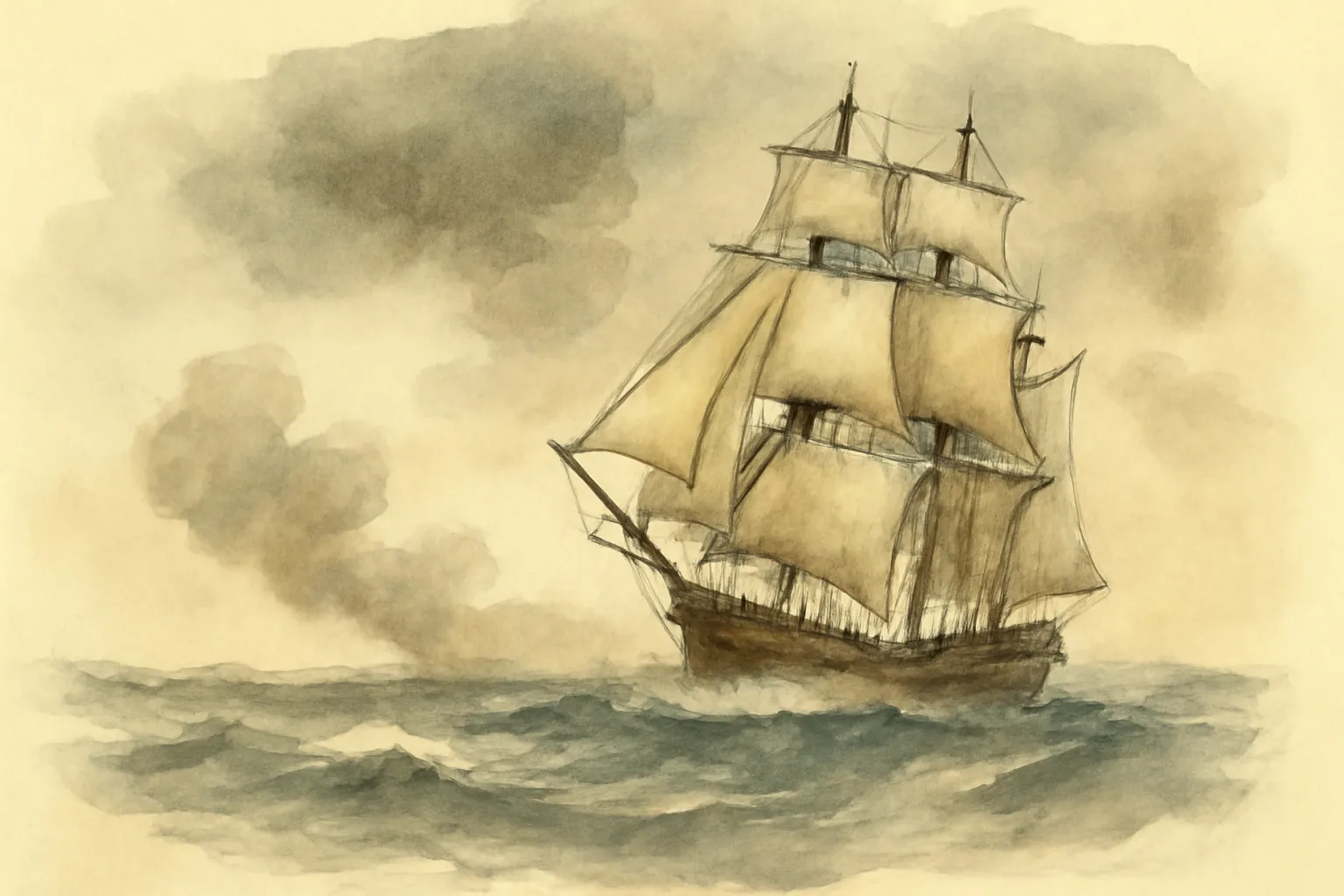
Lord Cochrane, a naval officer of remarkable courage and ingenuity, stands as a pivotal figure in British maritime history. His life is characterized by a relentless pursuit of justice for oppressed nations, which often put him at odds with the British government. Cochrane's commitment to reforming the naval administration in Britain earned him numerous enemies and ultimately led to his temporary ostracization from the Royal Navy. However, his unyielding spirit propelled him to South America, where he played a crucial role in liberating Chile, Peru, and Brazil from Spanish and Portuguese rule. His naval campaigns were marked by audacious tactics, such as the daring capture of enemy ships through surprise attacks and innovative maneuvers. Cochrane's legacy is one of bravery, innovation, and a deep-seated belief in the cause of freedom, illustrating how one individual's actions can resonate through history and inspire future generations. His tragic fall from grace, facing ingratitude from the very nations he fought to liberate, adds a poignant layer to his story, emphasizing the often-unrecognized sacrifices of true heroes.
2.Stephen Embleton's Journey

Stephen Embleton, the protagonist and son of a former lieutenant, embarks on a voyage that transforms him from a boy to a man. His father, Lieutenant Embleton, grapples with the challenges of post-war life and the difficulties of finding employment, reflecting a broader sentiment among naval veterans struggling to reintegrate into society. Stephen's yearning for adventure and a calling to the sea ultimately lead him to serve under Lord Cochrane. Throughout his journey, Stephen learns not only the skills of navigation and seamanship but also the values of courage, loyalty, and compassion. His experiences aboard Cochrane's ship expose him to the harsh realities of naval warfare, the complexities of leadership, and the importance of standing up for what is right, regardless of the personal cost. The narrative follows his evolution, showing how the challenges he faces onboard shape his character and prepare him for future trials. As he witnesses Cochrane's relentless determination, Stephen is inspired to embody the same values of bravery and integrity, making his journey a rich exploration of personal growth amid historical conflict.
3.The Cruelty of Naval Life

Life at sea during the early 19th century was fraught with peril and hardship. The novel vividly depicts the brutal conditions sailors faced, from the threat of starvation to the dangers of storms and shipwrecks. Stephen and his fellow crew members endure the relentless heat of the Malay Archipelago, encounter treacherous weather patterns, and confront the ever-present risk of mutiny among the crew. The depiction of a cyclone showcases the raw power of nature and the vulnerability of seafarers, illustrating how they are at the mercy of the elements. Additionally, the story reveals the psychological toll of life at sea, as men grapple with isolation and the ever-looming threat of death. Henty does not shy away from showing the brutal realities—such as scurvy, malnutrition, and the harsh discipline imposed by superiors—that plagued sailors during this era. This exploration of naval life highlights not only the physical challenges but also the emotional struggles faced by those who dedicated their lives to the sea, emphasizing the resilience and camaraderie among sailors who band together to navigate these adversities.
4.Cochrane's Revolutionary Tactics
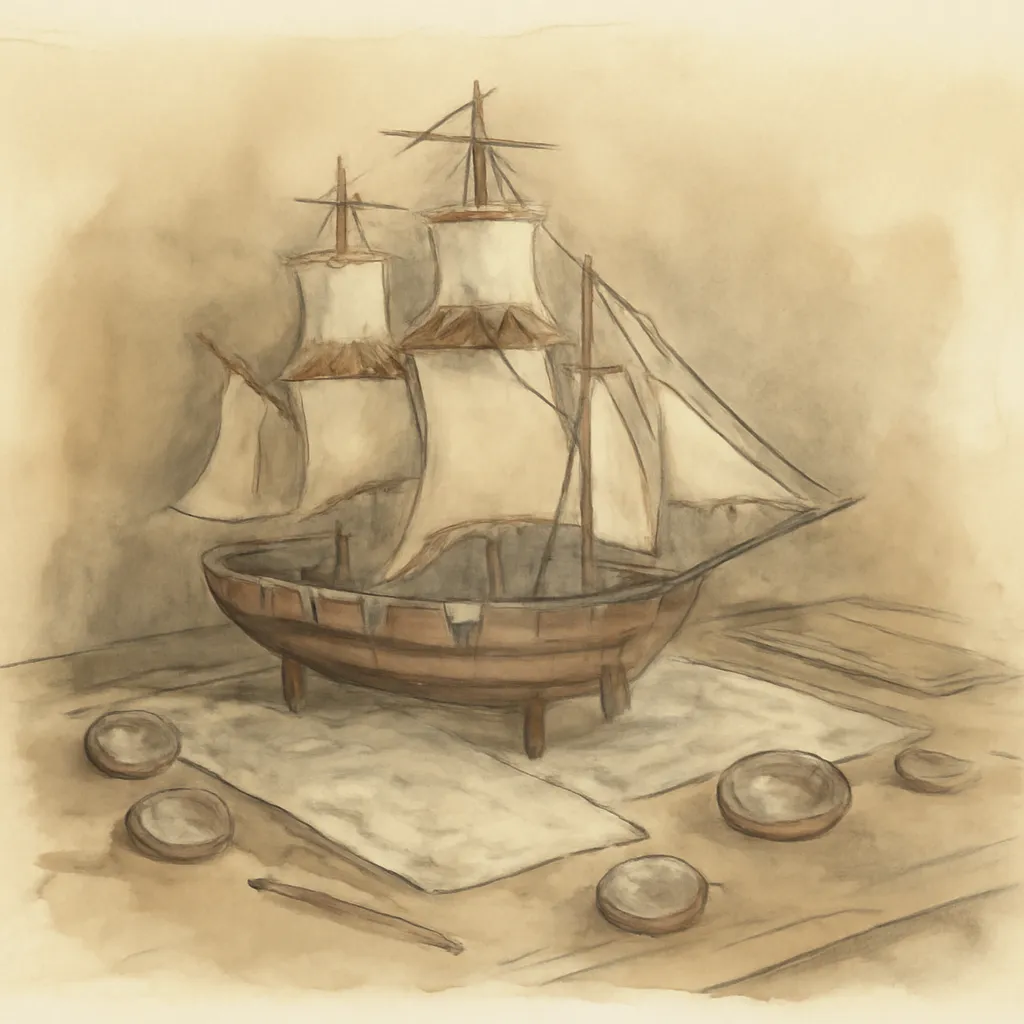
Lord Cochrane's naval strategies were ahead of their time, often employing unconventional tactics that would later influence modern naval warfare. His ability to think outside the box allowed him to outmaneuver larger enemy fleets and achieve remarkable victories. For instance, during his campaigns in South America, Cochrane utilized deception to create the illusion of strength, misleading his enemies into underestimating his force. His tactics included the use of fireships, surprise raids, and clever strategies to cut off enemy supply lines, which exemplified his innovative approach to naval combat. Cochrane's reliance on speed and maneuverability rather than sheer firepower allowed him to achieve success against seemingly insurmountable odds. He transformed the way naval battles were fought, emphasizing the importance of agility and surprise. By highlighting these tactics, the novel not only pays tribute to Cochrane's military genius but also illustrates the evolution of naval warfare, where intellect and strategy could triumph over brute force.
5.The Cost of Reform
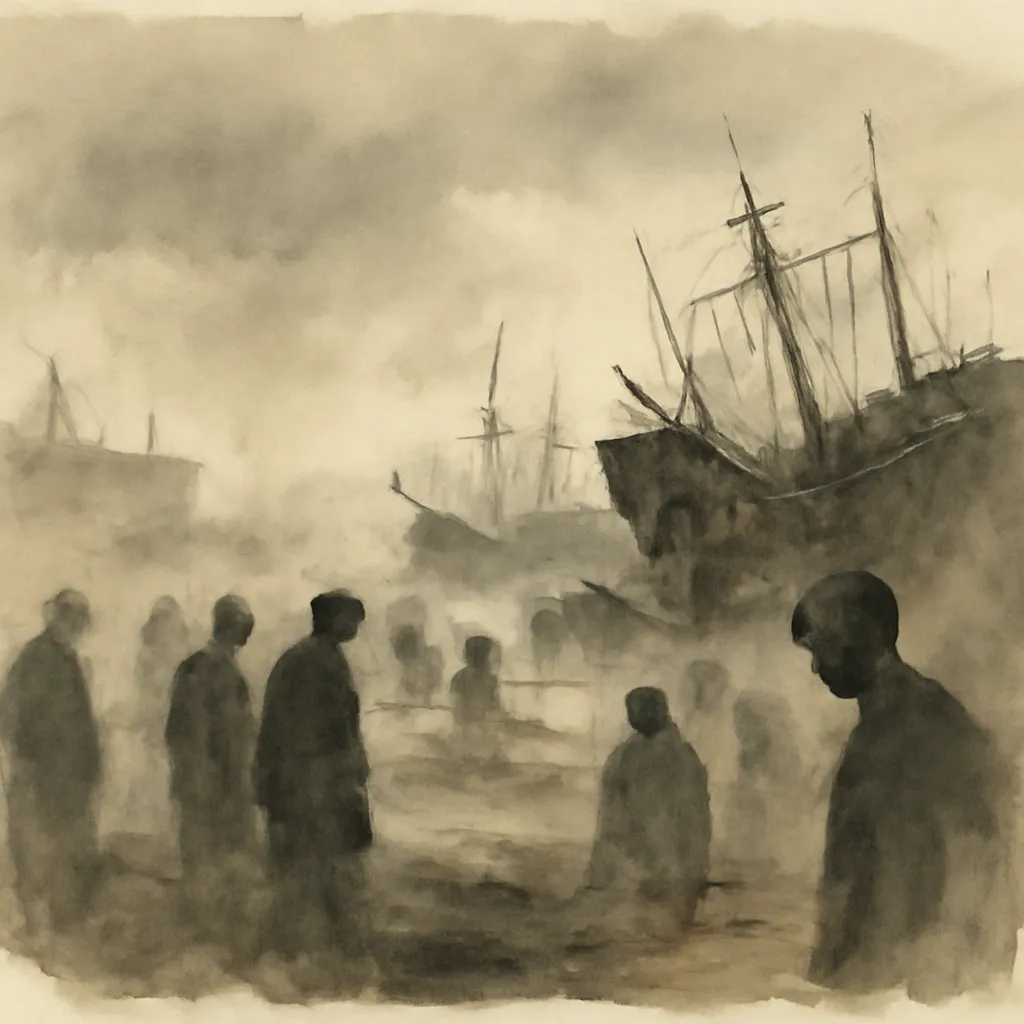
Cochrane's crusade for reform extended beyond military tactics to include a deep desire to address the systemic corruption within the British Navy and the governments of the nations he fought to liberate. His commitment to reform often came at a personal cost, as he faced hostility from those in power who felt threatened by his advocacy for change. Henty illustrates this struggle through Cochrane's experiences with corrupt officials and the bureaucratic inefficiencies that plagued the navy. His attempts to implement reforms were met with resistance, and his outspoken criticism of the system earned him numerous enemies. The narrative underscores the theme that the path to reform is riddled with obstacles, requiring not only courage but also resilience in the face of adversity. Cochrane's experiences serve as a reminder that challenging the status quo often comes with significant personal and professional risks. The novel ultimately champions the idea that true leaders must be willing to fight against injustice, regardless of the societal backlash they may face.
6.The Role of Honor and Loyalty

Honor and loyalty are central themes in 'With Cochrane the Dauntless,' shaping the relationships among characters and their decisions throughout the narrative. Stephen's loyalty to Cochrane exemplifies the bond forged between a mentor and mentee, highlighting the importance of trust and respect in leadership. However, loyalty is tested when faced with the reality of mutiny and dissent among the crew. The tension between personal honor and collective loyalty often leads characters to make difficult choices, raising questions about the nature of duty and allegiance. These moral dilemmas manifest when crew members are forced to choose between following their commander or succumbing to peer pressure during times of strife. Henty skillfully illustrates the emotional weight of these decisions, emphasizing that loyalty to a flawed leader can be just as challenging as loyalty to a noble cause. This exploration of honor serves to deepen the moral complexities of warfare, as characters grapple with the consequences of their actions and the impact of their decisions on those they lead.
7.The Struggle for Independence

The backdrop of the novel is the broader struggle for independence in South America, where Cochrane's efforts align with the aspirations of nations seeking to break free from colonial rule. The narrative weaves together personal stories with historical events, illustrating how individual actions can contribute to larger movements for freedom. The depiction of the Chilean, Peruvian, and Brazilian fights for independence reflects the tumultuous political landscape of the time, characterized by revolutions and uprisings against oppressive regimes. Henty masterfully intertwines the personal stakes of Stephen and Cochrane with the collective aspirations of these nations, creating a rich tapestry of conflict and hope. Through Cochrane's leadership, readers witness the power of collective action in challenging the status quo and the profound impact that a single individual can have on the course of history. The novel emphasizes that the fight for freedom is not merely a political endeavor but a deeply personal one, resonating with the universal desire for dignity and self-determination.
8.Cochrane's Inventions and Innovations
Beyond his military achievements, Cochrane's inventive spirit is showcased through his post-naval career, where he engaged in various inventions that laid the groundwork for future advancements. His passion for innovation is evident in his designs that sought to improve naval technology and efficiency. Cochrane's experiments with steam power and other technologies reflect a forward-thinking mindset that transcended the traditional boundaries of his time. For example, he pursued the development of a steam-powered ship, which was revolutionary for its time and showcased his belief in the potential of technology to enhance naval capabilities. By highlighting this aspect of his life, the novel not only celebrates Cochrane as a military leader but also as a pioneer whose contributions to science and technology would influence generations to come. This duality of character emphasizes the multifaceted nature of heroism, where achievements extend beyond the battlefield to shape the future.
9.The Price of Gratitude

Despite his monumental contributions to the liberation of several nations, Cochrane's life is marked by a profound sense of ingratitude from those he fought to save. The narrative poignantly illustrates how the very nations he helped liberate often turned their backs on him, reflecting a harsh reality faced by many reformers and heroes throughout history. This theme of ingratitude underscores the complexities of human relationships and the often-unrecognized sacrifices made by those who champion causes greater than themselves. Cochrane's experience serves as a powerful reminder that true heroism may not always be met with the acknowledgment it deserves, prompting readers to reflect on the nature of gratitude and the societal responsibilities toward those who fight for justice. Henty emphasizes that the journey of a hero is as much about personal conviction as it is about the reception of one's actions, challenging readers to consider how society honors and remembers its benefactors.
10.The Bond of Brotherhood

Throughout his adventures, Stephen forms strong bonds with his fellow sailors, illustrating the importance of camaraderie in the face of adversity. The friendships forged at sea become a source of strength and resilience, allowing the crew to navigate the challenges of naval life together. This sense of brotherhood is particularly evident during moments of crisis, where solidarity among the crew members becomes vital for survival. The novel emphasizes how shared experiences and mutual support can forge unbreakable ties, highlighting the human capacity for connection and loyalty in the most trying of circumstances. In instances of battle, the crew's willingness to fight for one another exemplifies the spirit of brotherhood that transcends individual fears and encourages collective bravery. This exploration of brotherhood not only enriches the narrative but also serves as a testament to the power of unity in overcoming obstacles, reminding readers that true strength often lies in the bonds we create with others.