1.The Power of Home
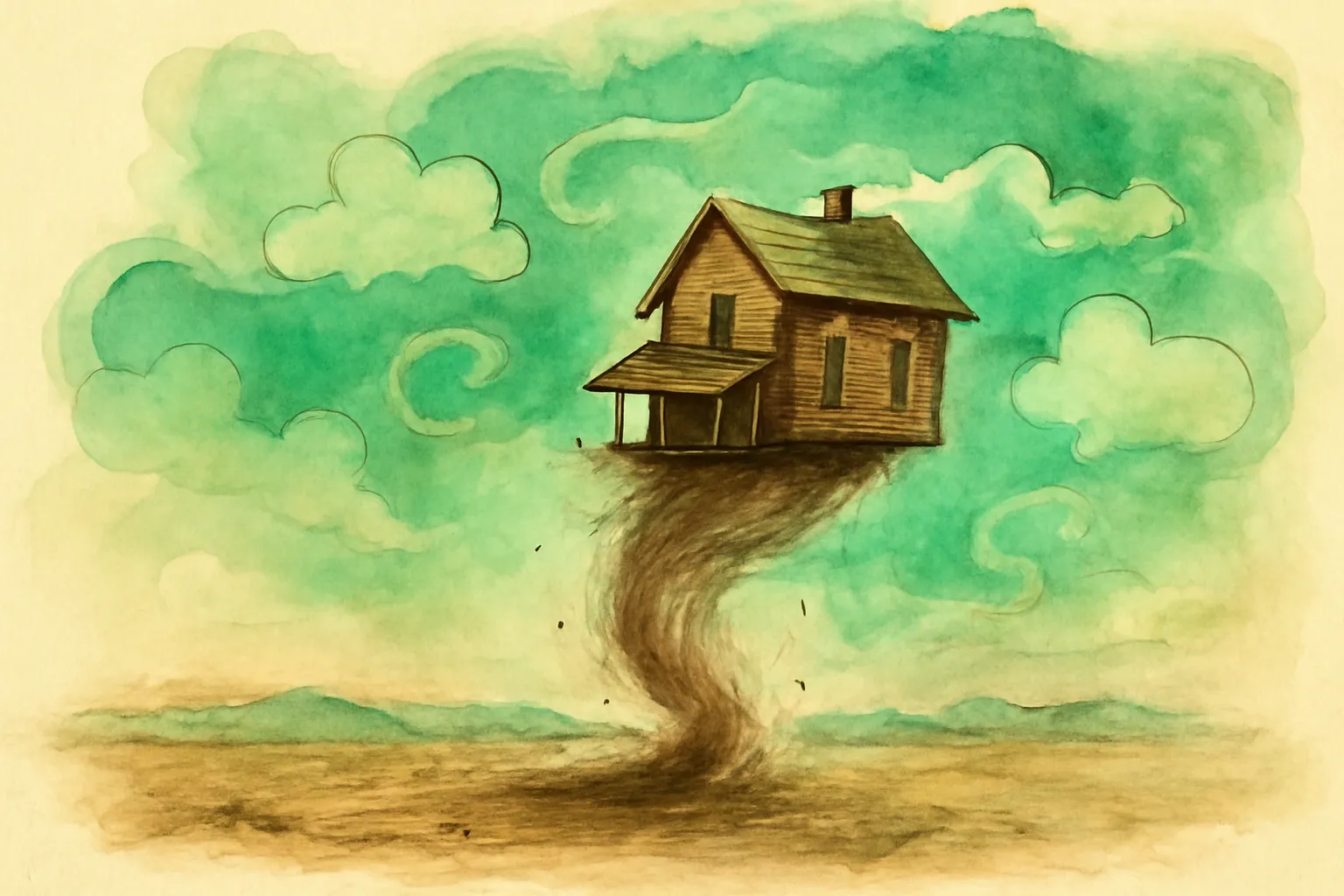
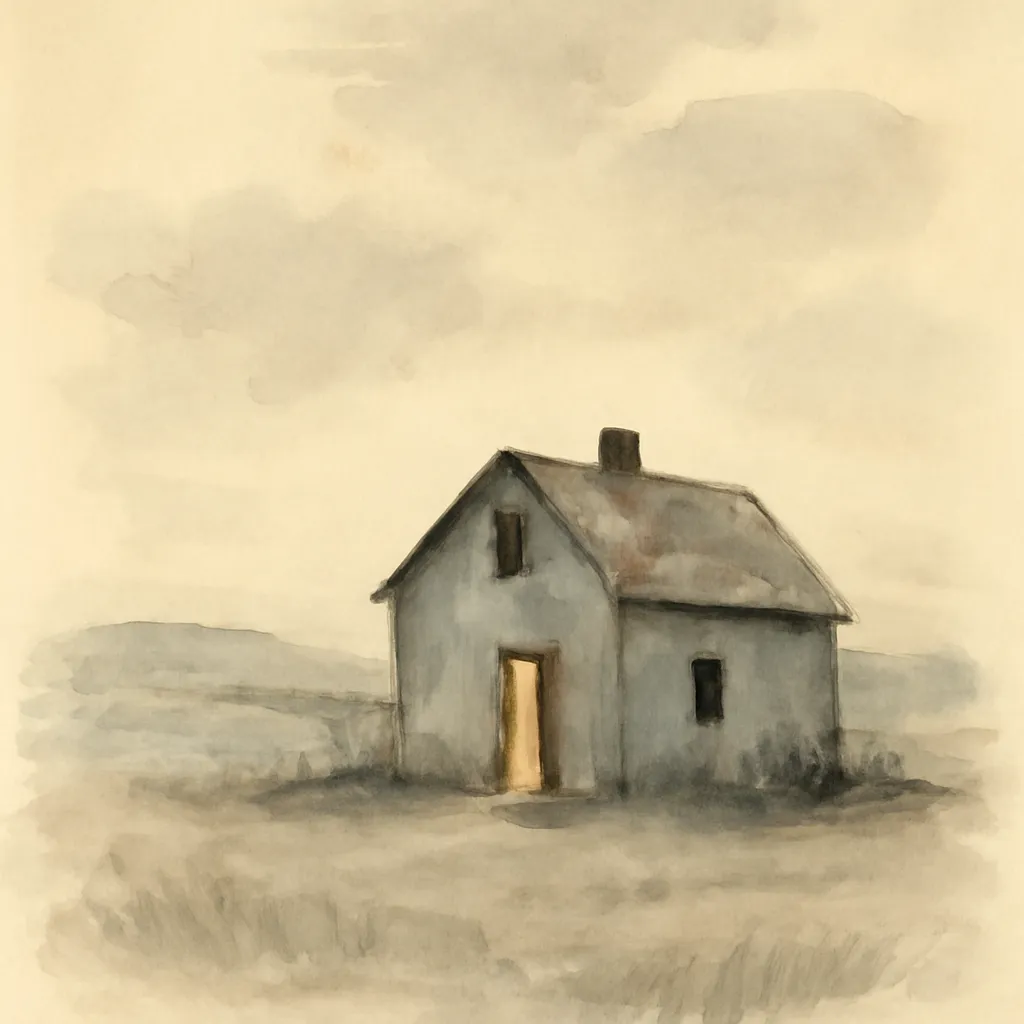
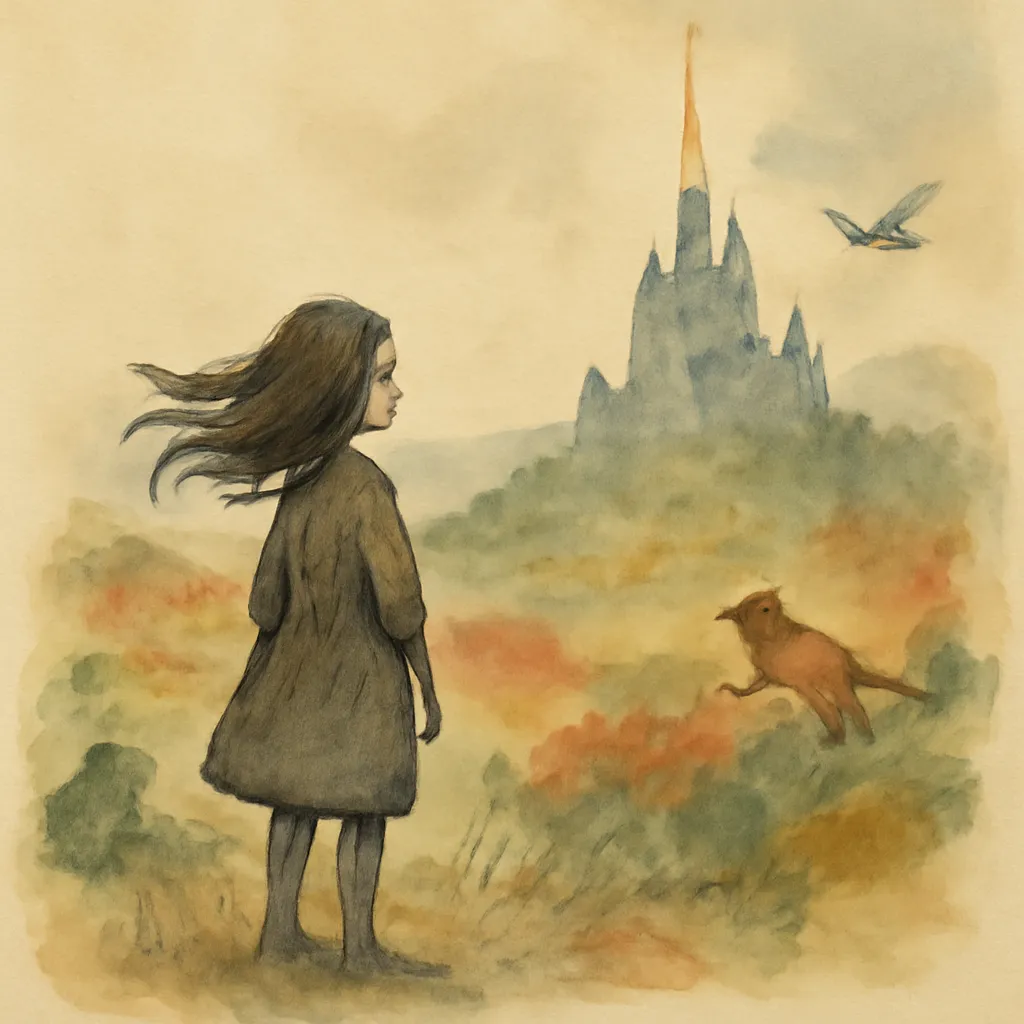
At its core, 'The Wonderful Wizard of Oz' is a celebration of the idea that there is no place like home. Dorothy's journey begins with her longing to return to Kansas, a place that, despite its grayness, represents comfort and familiarity. As she traverses the vibrant land of Oz, she encounters various characters who, despite their unique qualities, all share a common desire for something they believe they lack—brains, courage, and heart. Dorothy's repeated assertion that she wants to go home serves as a reminder that true happiness often lies in the love and security of home, regardless of its imperfections. This theme resonates deeply, encouraging readers to appreciate their own homes and the people in them, no matter the challenges they face.
2.Companionship and Friendship
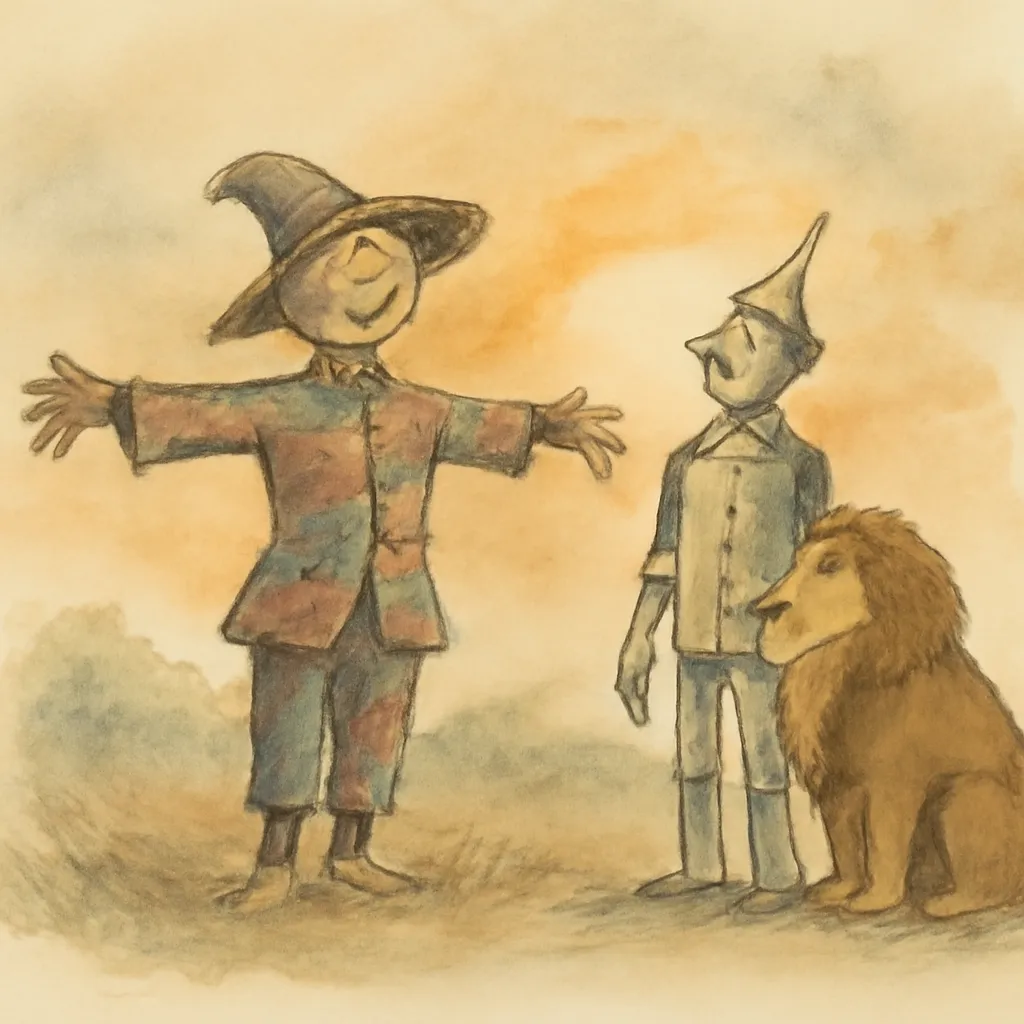
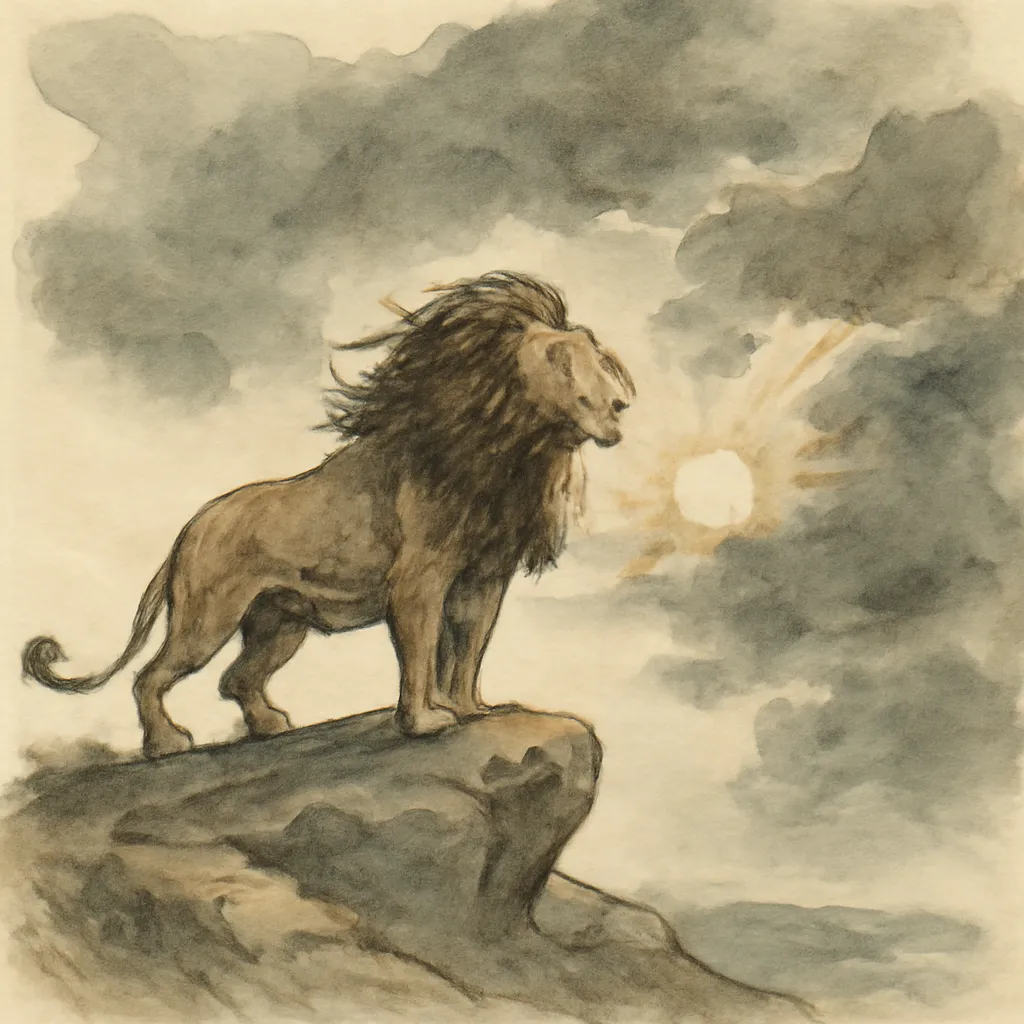
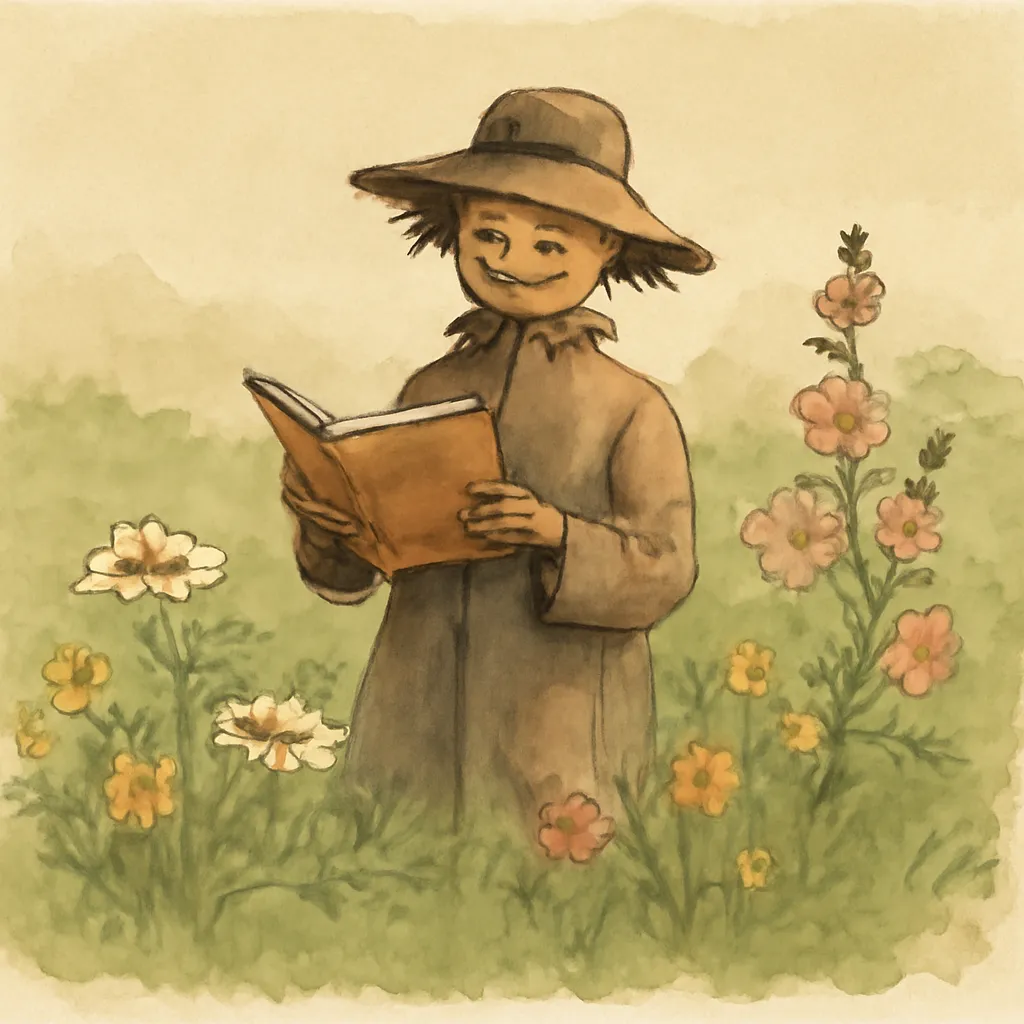
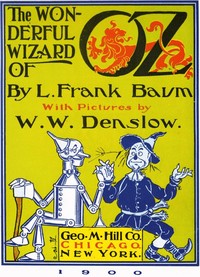
The friendships that develop between Dorothy and her companions—the Scarecrow, the Tin Woodman, and the Cowardly Lion—are central to the story's emotional depth. Each character embodies a different aspect of the human experience: the Scarecrow seeks intelligence, the Tin Woodman desires a heart, and the Cowardly Lion longs for bravery. Through their collective journey to the Emerald City, they learn to rely on one another and discover that the qualities they seek are often found within themselves. For instance, the Lion, who initially believes he is cowardly, ultimately demonstrates great courage when he protects Dorothy from danger. This theme of companionship highlights the importance of support systems in overcoming personal struggles and achieving one's goals, illustrating that true strength often comes from the bonds we forge with others.
3.The Illusion of Power
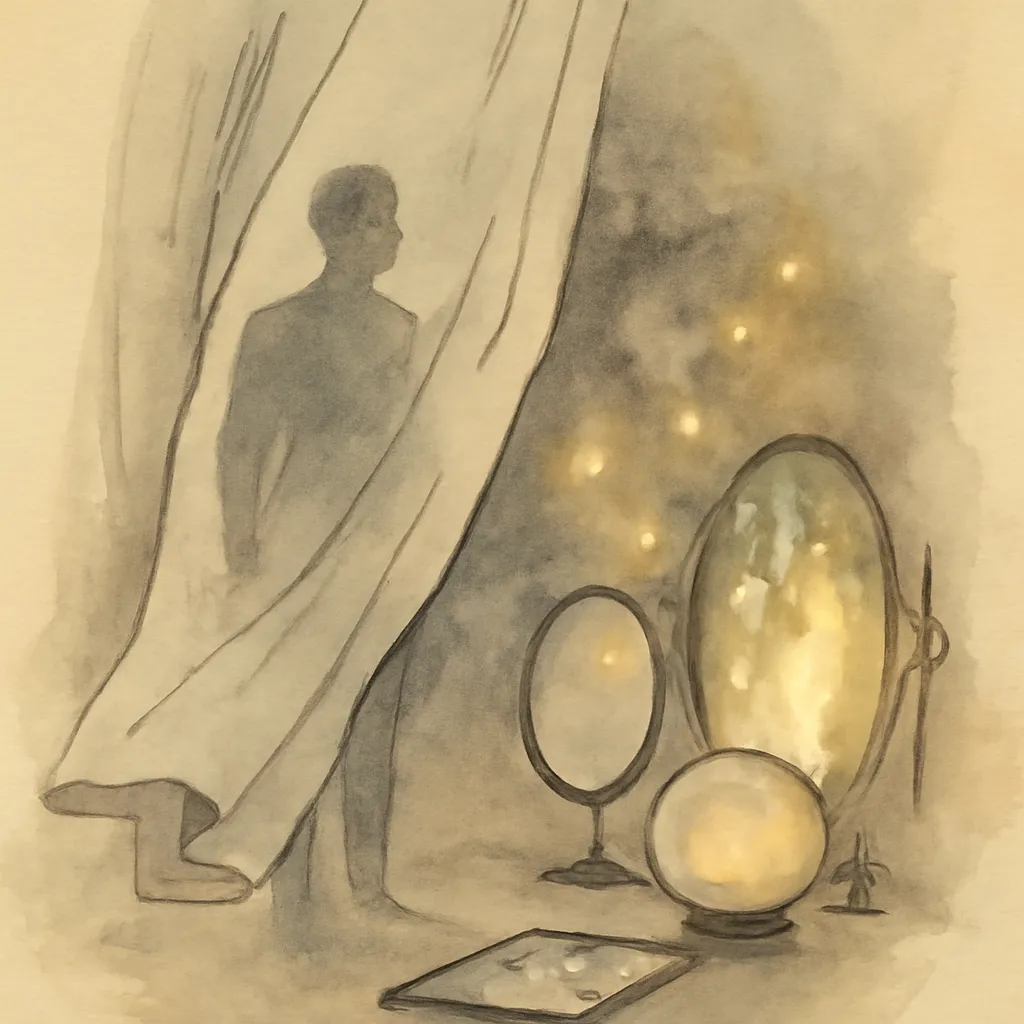
The character of the Wizard of Oz serves as a powerful commentary on the nature of authority and illusion. Initially perceived as a great and powerful figure, the Wizard is ultimately revealed to be a mere man using tricks and deception to maintain his facade of power. This revelation challenges the notion of authority, suggesting that true power lies not in external appearances but in genuine qualities such as wisdom, kindness, and authenticity. The characters' journey to meet the Wizard symbolizes their quest for validation and self-worth, only to discover that they had the potential to achieve their desires all along. This critique of authority encourages readers to question the validity of those in power and highlights the importance of self-empowerment in the face of societal expectations.
4.Courage and Overcoming Fear
The Cowardly Lion's quest for courage is a poignant exploration of fear and bravery. Throughout the story, the Lion grapples with his self-image, believing himself to be cowardly despite his instinctual protective nature. His journey alongside Dorothy and the others reveals that courage is not the absence of fear but the ability to act despite it. This lesson is illustrated when the Lion confronts various threats, ultimately proving that he possesses the bravery he sought from the Wizard. Baum's portrayal of courage as an internal strength rather than an external attribute serves as an empowering message for readers, encouraging them to confront their own fears and recognize their inherent bravery.
5.The Quest for Identity
Each character in 'The Wonderful Wizard of Oz' embarks on a personal quest for identity and self-acceptance. The Scarecrow, who believes he lacks intelligence, learns that he is capable of profound thought and creativity. Similarly, the Tin Woodman, who longs for a heart, discovers the depth of his compassion and empathy. Their journeys reflect the universal struggle for self-discovery, emphasizing that identity is not determined by societal labels but by one's actions and choices. Dorothy's own transformation throughout the story reinforces this theme, as she learns to embrace her strength and resilience. Baum's exploration of identity encourages readers to reflect on their own journeys of self-acceptance and the importance of recognizing one's unique qualities.
6.The Role of Feminine Strength
Dorothy's character exemplifies feminine strength and resilience in a world dominated by male figures. Throughout her journey, she demonstrates resourcefulness, determination, and courage, often taking the lead in critical situations. Her ability to navigate the challenges of Oz and protect her friends showcases the power of feminine agency. Additionally, the portrayal of strong female characters, such as Glinda the Good Witch, reinforces the importance of female solidarity and empowerment. Baum's narrative challenges traditional gender roles, presenting women as capable leaders and decision-makers. This theme resonates with contemporary discussions on gender equality, highlighting the enduring relevance of Dorothy's character as a symbol of female empowerment.
7.Nature and Transformation
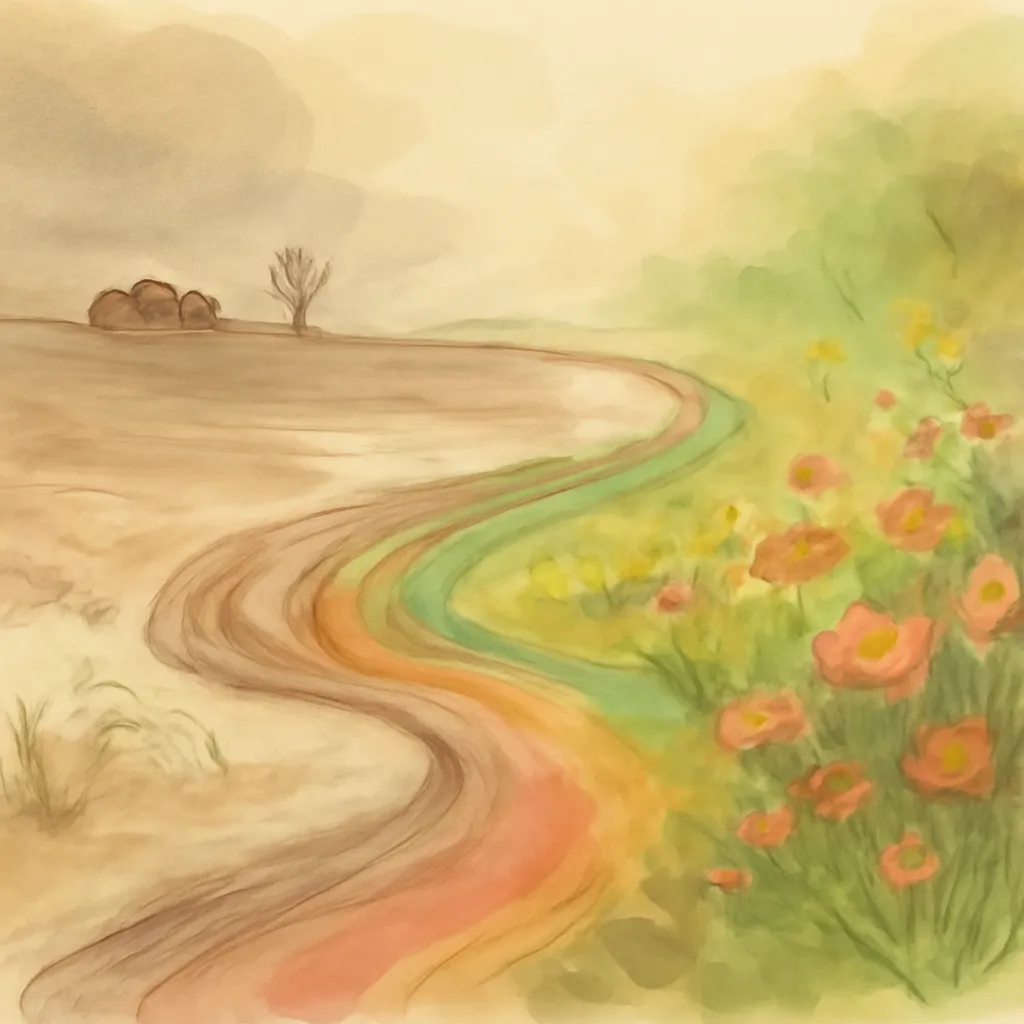
The vibrant landscapes of Oz serve as a backdrop for the characters' transformations and personal growth. Each region they traverse—from the gray prairies of Kansas to the colorful fields of the Emerald City—mirrors their internal journeys. The contrast between the dullness of Kansas and the vividness of Oz symbolizes the transformative power of adventure and exploration. As the characters face challenges and obstacles, they undergo significant changes, emerging stronger and more self-aware. Baum's depiction of nature as a catalyst for transformation encourages readers to embrace change and view challenges as opportunities for growth. This theme invites reflection on the ways in which our environments shape our identities and experiences.
8.The Importance of Kindness
Acts of kindness permeate the narrative, illustrating the profound impact that compassion can have on individuals and communities. Dorothy's instinct to help others, whether it's freeing the Scarecrow from his post or rescuing the Tin Woodman from rust, highlights the significance of empathy in building connections. The characters they meet along the way, such as the Munchkins and the Winkies, exemplify the importance of community and support. Baum's emphasis on kindness serves as a reminder that small acts of compassion can lead to significant changes, fostering unity and understanding among diverse individuals. This theme encourages readers to cultivate kindness in their own lives, recognizing its potential to create positive ripple effects in the world.
9.The Journey as a Metaphor for Life
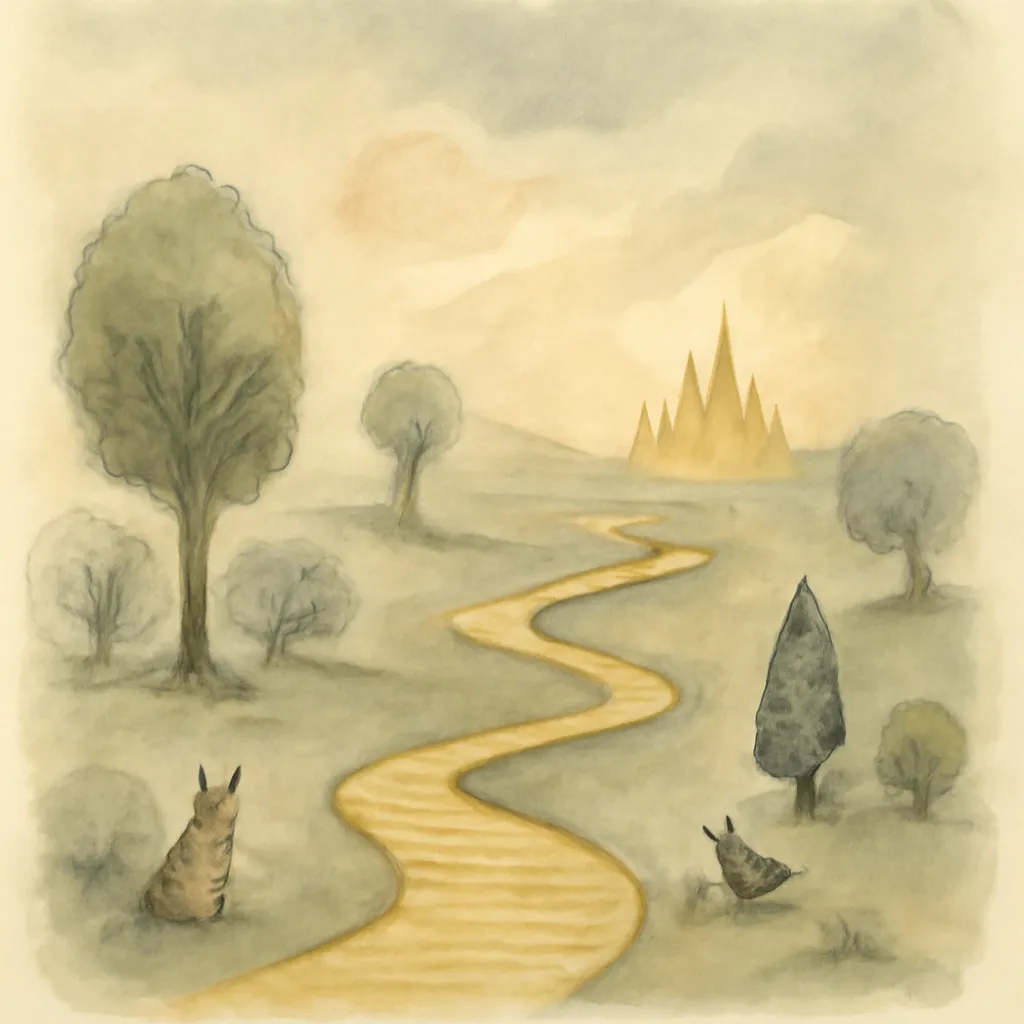
The journey to the Emerald City serves as a metaphor for the journey of life, filled with trials, tribulations, and moments of joy. Each character's quest reflects the universal human experience of seeking purpose and fulfillment. The obstacles they face—be it the treacherous forest, the daunting poppy field, or the menacing Wicked Witch—represent the challenges that everyone encounters in their lives. Baum's narrative suggests that the journey itself is as valuable as the destination, as it shapes individuals and fosters growth. This perspective encourages readers to embrace their own life journeys, recognizing the lessons learned through adversity and the importance of perseverance in the face of obstacles.