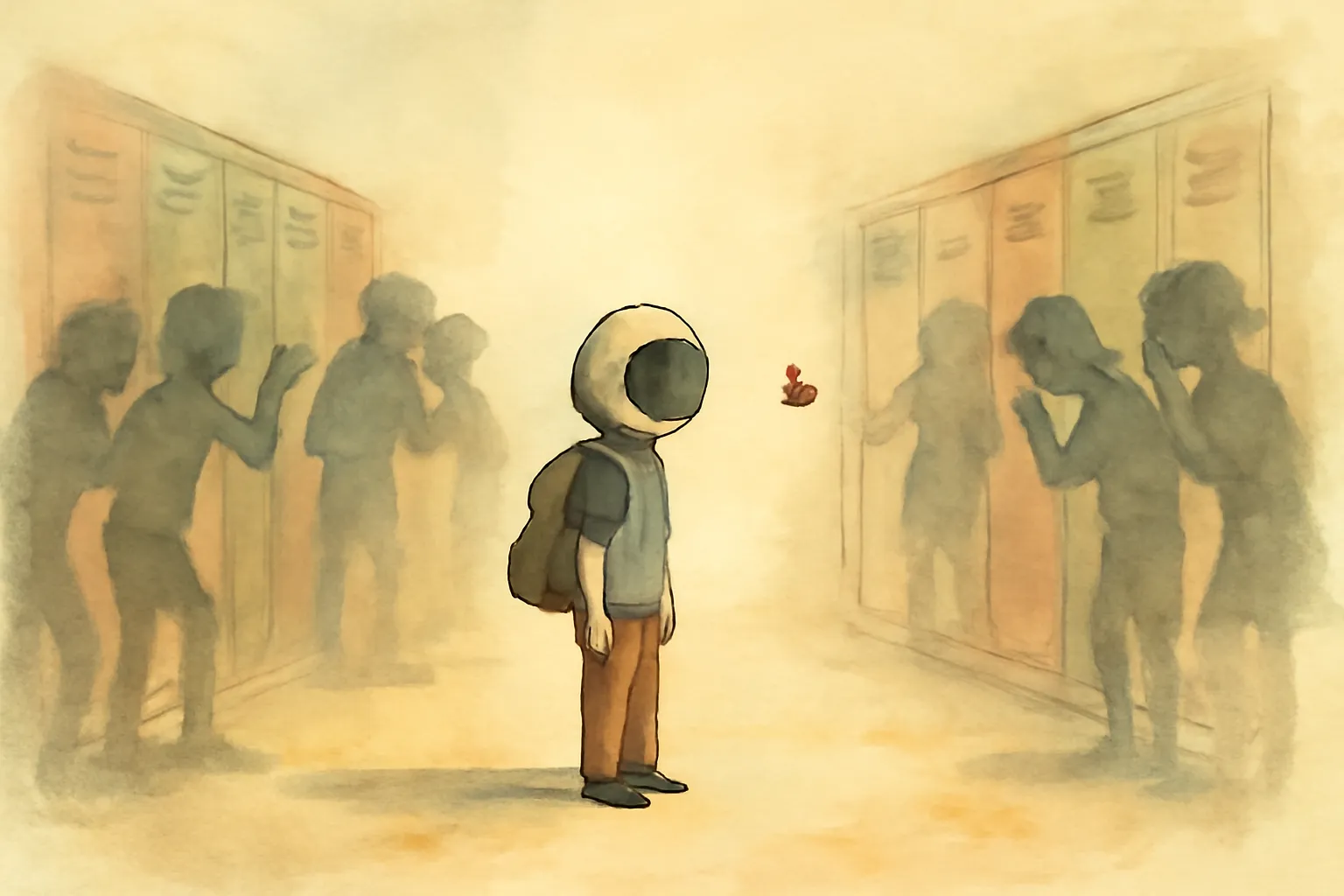
1.The Challenge of Being Different
At the heart of Wonder is August 'Auggie' Pullman, whose rare facial condition makes him stand out wherever he goes. The novel explores not just the external challenges Auggie faces—stares, whispers, and bullying—but also the internal journey of self-acceptance. Palacio sensitively portrays the emotional toll of being visibly different, inviting readers to consider how society treats those who don't fit the norm and to empathize with their struggles.
2.Multiple Perspectives Build Empathy
Wonder is told through multiple narrators, including Auggie, his sister Via, and several classmates. This structure allows readers to see how one person's difference affects an entire community, and how each character's struggles are unique yet interconnected. By shifting perspectives, Palacio encourages us to look beyond first impressions and understand the hidden battles everyone faces.
3.Kindness as a Radical Act
The book’s recurring theme is the transformative power of kindness. Through both small gestures and significant acts of courage, characters show that kindness can bridge divides and heal wounds. Palacio doesn't shy away from depicting cruelty, but she ultimately frames kindness as a choice—with the power to change lives, including our own.
4.Family, Friendship, and Loyalty
Wonder delves deeply into the dynamics of family and friendship. Auggie’s family is loving but strained by the demands of his condition, and his friendships are tested by peer pressure and fear of social ostracism. The novel highlights the importance of loyalty and standing up for others, even when it’s difficult, showing how relationships can be both fragile and resilient.
5.Growth Through Adversity
The characters in Wonder are shaped by the challenges they face. Auggie’s journey is not just about surviving middle school, but about growing into his own skin and inspiring others to do the same. The story emphasizes that adversity can foster strength, empathy, and maturity—not just for Auggie, but for everyone around him.
6.The Ripple Effect of Compassion
Palacio illustrates how one person's courage and kindness can influence an entire community. Auggie’s presence at Beecher Prep becomes a catalyst for change, prompting classmates and adults alike to reconsider their values and actions. The novel suggests that inclusion and acceptance are collective responsibilities, and that even small acts can have far-reaching effects.