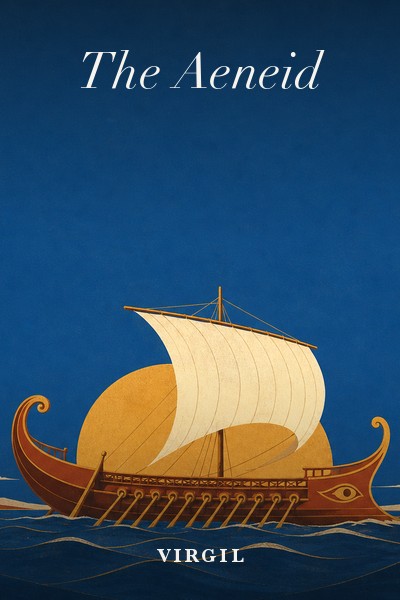

Aeneas flees burning Troy to found Rome — war, destiny, and sacrifice in the great epic of the Latin world.
Read full overviewShow less›
Virgil's 'The Aeneid' is a timeless epic that weaves the tale of Aeneas, a noble Trojan, as he embarks on a perilous journey to fulfill his destiny of establishing a new homeland in Italy. This work is not just a story of adventure; it delves into themes of duty, love, and the struggle against fate. Through Aeneas's encounters with gods, monsters, and the complexities of human emotions, readers are invited to explore the profound connections between personal sacrifice and national identity. The narrative is rich with allegorical significance, reflecting the cultural and political ideals of ancient Rome, and it continues to resonate with contemporary audiences. By the end, readers will find themselves contemplating the deeper meanings of heroism and the cost of legacy.
In 'The Aeneid', Virgil masterfully intertwines personal and national narratives, exploring the complexities of fate, duty, and the human experience. Through Aeneas's journey, readers are invited to reflect on the sacrifices that define heroism and the legacies we leave behind. The epic serves as a powerful reminder of the enduring nature of love, loss, and the quest for identity, resonating across time and cultures. As Aeneas navigates the trials set before him, he embodies the spirit of resilience and the struggle for a greater purpose, making 'The Aeneid' not just a story of a hero but a timeless exploration of the human condition. Ultimately, this epic challenges us to consider our own paths and the legacies we wish to create in our lives.
- 1The Role of Fate
- 2Divine Intervention
- 3The Burden of Leadership
- 4The Tragic Love of Dido
- 5Heroism Redefined
A glimpse inside

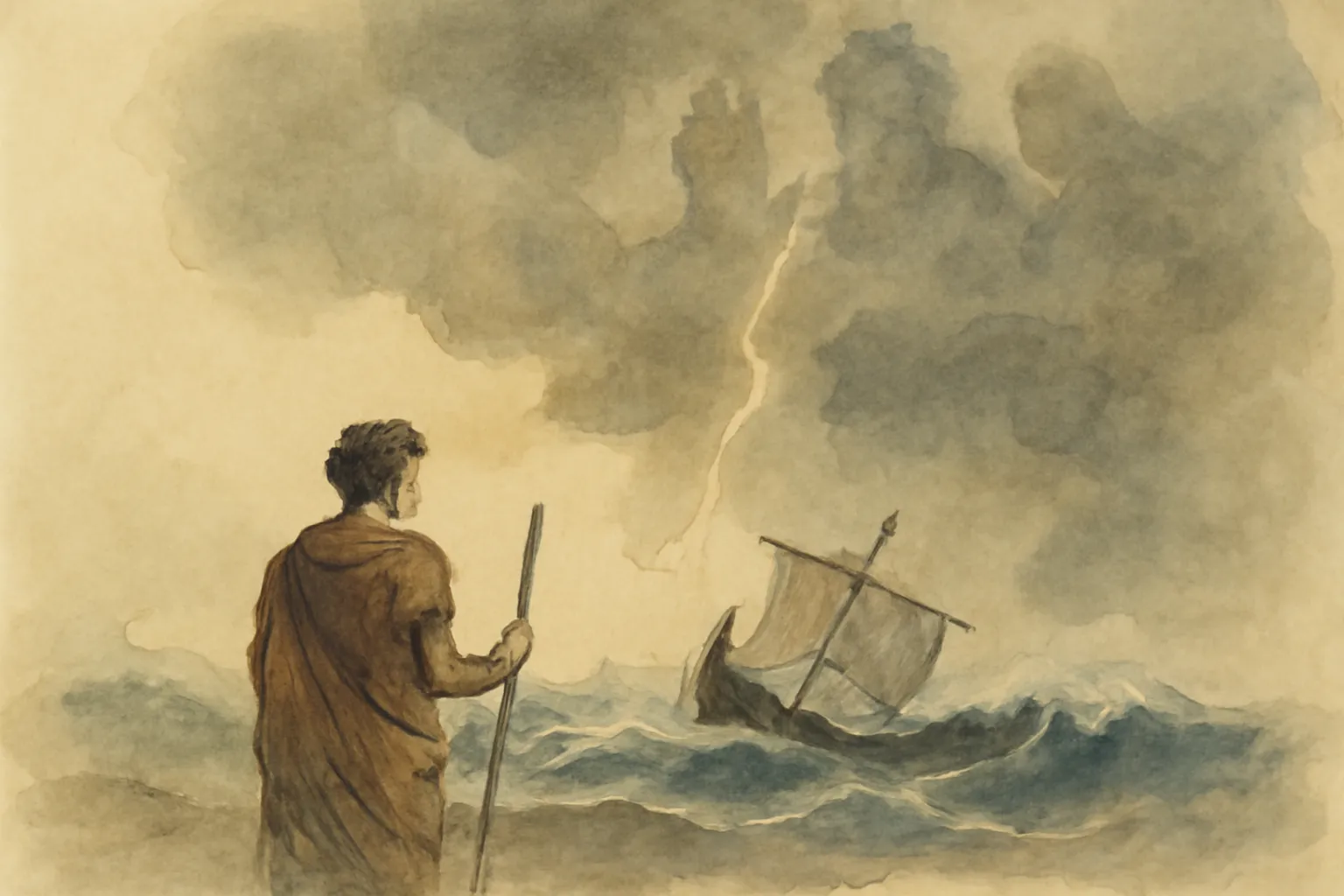
Fate is a central theme in 'The Aeneid', guiding Aeneas through his journey while also presenting him with formidable challenges. Read moreFate is a central theme in 'The Aeneid', guiding Aeneas through his journey while also presenting him with formidable challenges. From the outset, Aeneas is portrayed as a man destined to create a new homeland, yet he is constantly thwarted by the whims of the gods, particularly Juno, who harbors a deep-seated grudge against the Trojans. This interplay between fate and free will raises questions about the extent of human agency in the face of divine will. Aeneas’s struggles emphasize that while destiny is preordained, the path to fulfillment is fraught with obstacles that test one's resolve and character. The narrative suggests that true heroism lies in accepting one's fate and persevering, even when the odds seem insurmountable. Show less
The gods play a pivotal role in shaping the events of Aeneas’s journey, often intervening in ways that complicate his quest. Read moreThe gods play a pivotal role in shaping the events of Aeneas’s journey, often intervening in ways that complicate his quest. Juno's animosity is a driving force behind many of the trials Aeneas faces, manifesting in storms and enemies. Conversely, Venus, Aeneas’s mother, aids him by appealing to other deities, showcasing the duality of divine influence—both supportive and antagonistic. This dynamic underscores the ancient belief in the capriciousness of the gods and the uncertainty of human endeavors. Aeneas’s reliance on divine favor reflects the Roman values of piety and respect for the gods, suggesting that success in life is intertwined with one's relationship with the divine. The epic thus becomes a commentary on the necessity of navigating both mortal and immortal realms to achieve one's destiny. Show less
Read the full text — free
About the author
Read Virgil's work free on Lumina — the complete text plus an 8-minute summary and key ideas, no account needed.
Frequently asked
Worlds to get lost in
Take Lumina everywhere
Read offline, listen to AI summaries, speed-read, and sync your progress across devices — free on iPhone.
Download for iPhone