1.The Role of Fate
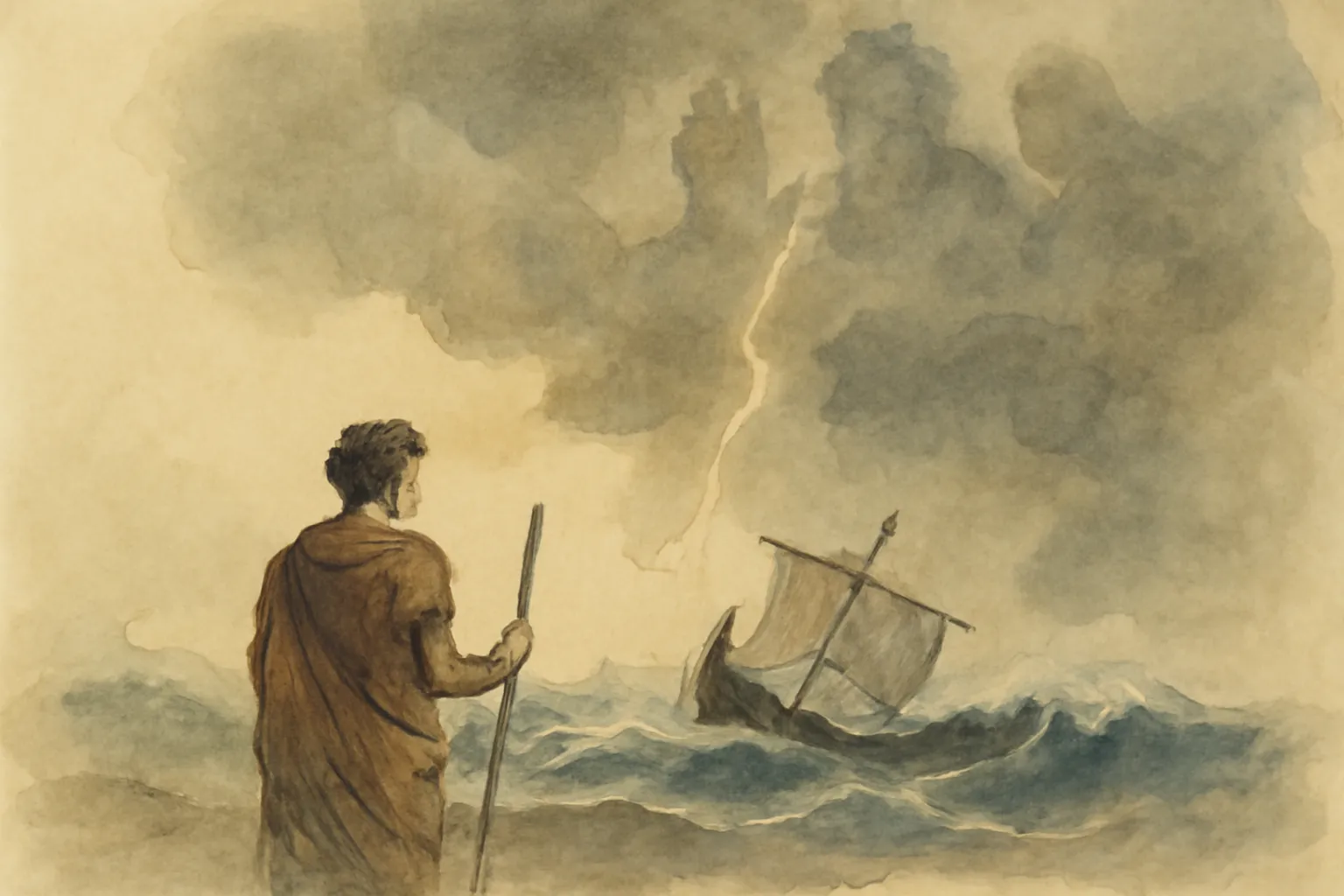
Fate is a central theme in 'The Aeneid', guiding Aeneas through his journey while also presenting him with formidable challenges. From the outset, Aeneas is portrayed as a man destined to create a new homeland, yet he is constantly thwarted by the whims of the gods, particularly Juno, who harbors a deep-seated grudge against the Trojans. This interplay between fate and free will raises questions about the extent of human agency in the face of divine will. Aeneas’s struggles emphasize that while destiny is preordained, the path to fulfillment is fraught with obstacles that test one's resolve and character. The narrative suggests that true heroism lies in accepting one's fate and persevering, even when the odds seem insurmountable.
2.Divine Intervention
The gods play a pivotal role in shaping the events of Aeneas’s journey, often intervening in ways that complicate his quest. Juno's animosity is a driving force behind many of the trials Aeneas faces, manifesting in storms and enemies. Conversely, Venus, Aeneas’s mother, aids him by appealing to other deities, showcasing the duality of divine influence—both supportive and antagonistic. This dynamic underscores the ancient belief in the capriciousness of the gods and the uncertainty of human endeavors. Aeneas’s reliance on divine favor reflects the Roman values of piety and respect for the gods, suggesting that success in life is intertwined with one's relationship with the divine. The epic thus becomes a commentary on the necessity of navigating both mortal and immortal realms to achieve one's destiny.
3.The Burden of Leadership
Aeneas is not just a warrior; he embodies the qualities of a leader burdened by the responsibility of his people's fate. His journey is marked by the constant weight of leadership, as he must balance his personal desires with the needs of his followers. This tension is particularly evident in his relationship with Dido, the queen of Carthage, who falls deeply in love with him. Aeneas's eventual departure from her, driven by his duty to fulfill his destiny, highlights the sacrifices leaders must make for the greater good. His internal conflict reflects the struggles faced by those in power, where personal happiness often clashes with public obligation. Through Aeneas, Virgil explores the complexities of leadership and the moral dilemmas that accompany it, suggesting that true leaders must prioritize their responsibilities over personal desires.
4.The Tragic Love of Dido
The tragic love story between Aeneas and Dido serves as one of the most poignant narratives in 'The Aeneid'. Their relationship begins with passion and mutual admiration, as Dido offers Aeneas refuge and companionship. However, Aeneas’s divine mission ultimately drives a wedge between them, leading to Dido's heart-wrenching despair and eventual suicide. This episode illustrates the theme of love as a powerful yet destructive force, capable of leading to profound personal anguish. Dido’s fate reflects the consequences of unfulfilled desires and the harsh realities of duty and sacrifice. Through her tragic end, Virgil emphasizes the emotional toll of destiny and the often-painful choices that accompany the pursuit of greatness. Dido’s despair serves as a stark reminder of the personal costs associated with the pursuit of larger goals.
5.Heroism Redefined
Virgil redefines heroism through Aeneas, presenting him as a character who embodies not just physical prowess but also moral integrity and a sense of duty. Unlike the traditional epic hero who seeks personal glory, Aeneas is driven by a higher purpose—to establish a new home for his people. His journey is marked by acts of compassion, selflessness, and a willingness to endure suffering for the sake of others. This portrayal aligns with the Roman ideals of virtus and pietas, emphasizing that true heroism lies in fulfilling one's responsibilities to family and society. Aeneas’s character challenges the notion of the lone hero, suggesting that collective well-being takes precedence over individual achievements. This nuanced understanding of heroism resonates with contemporary notions of leadership and sacrifice, making Aeneas a timeless figure.
6.The Founding of Rome
At its core, 'The Aeneid' serves as a foundational myth for Rome, intertwining the city's origins with themes of struggle and perseverance. Aeneas’s journey is not just about personal redemption; it symbolizes the broader narrative of Rome's rise from the ashes of Troy. The epic presents Rome as a product of divine favor and human effort, suggesting that its greatness is rooted in the sacrifices of its forebears. The prophetic visions Aeneas receives, including glimpses of Rome's future glory, reinforce the idea that his struggles are not in vain. This connection between Aeneas's trials and the eventual establishment of a powerful empire elevates the narrative from a personal saga to a national epic, celebrating the virtues that would come to define Roman identity. The founding of Rome is depicted as a monumental achievement that is both divinely ordained and hard-won, reflecting the complexities of its historical legacy.
7.The Role of Memory and Legacy
Memory and legacy are recurrent motifs in 'The Aeneid', shaping the motivations and actions of its characters. Aeneas is driven by the desire to honor his past, particularly the memory of his fallen comrades and the destruction of Troy. This connection to memory fuels his determination to create a new home where his people can thrive. The epic emphasizes the importance of remembering those who came before, as their sacrifices pave the way for future generations. Anchises, Aeneas’s father, serves as a symbol of this legacy, guiding Aeneas through his journey and imparting wisdom about the responsibilities of leadership. The narrative suggests that the past is not merely a series of events but a powerful force that influences the present and shapes the future. By intertwining personal and collective memory, Virgil highlights the significance of legacy in the human experience, urging readers to reflect on their own connections to history.
8.War and Its Consequences
The theme of war is central to 'The Aeneid', portraying both its glory and its devastating consequences. The epic showcases the valor and heroism of warriors, yet it does not shy away from depicting the harsh realities of conflict. The battles fought by Aeneas and Turnus are not just physical confrontations; they symbolize the larger struggles between civilizations and the costs associated with power and conquest. Through vivid imagery, Virgil captures the chaos of war and its impact on individuals and communities, reminding readers of the human toll that accompanies the pursuit of glory. The deaths of characters like Pallas and Mezentius highlight the tragic losses endured in battle, prompting reflections on the futility of war and the grief it leaves in its wake. This exploration of war serves as a cautionary tale, urging a consideration of the moral implications of violence in pursuit of one's goals.
9.The Journey to the Underworld
Aeneas's descent into the Underworld is one of the most significant episodes in 'The Aeneid', offering profound insights into life, death, and the afterlife. Guided by the Sibyl, Aeneas encounters the spirits of the dead, including his father Anchises, who reveals the glorious future awaiting Rome. This journey serves as a rite of passage, allowing Aeneas to confront his fears and gain clarity about his purpose. The Underworld is depicted as a realm where the past and future converge, emphasizing the interconnectedness of all human experiences. Anchises's teachings about the cycle of life and the importance of legacy resonate deeply, reinforcing the notion that one's actions have lasting repercussions. This exploration of the afterlife invites readers to contemplate their own beliefs about mortality and the impact of their choices on future generations.
10.Unity and Division
The tension between unity and division is a recurring theme in 'The Aeneid', reflecting the struggles of both Aeneas and the Trojans as they navigate their journey. Aeneas’s leadership is constantly challenged by internal strife among his people and external threats from rival factions, particularly Turnus and his allies. The contrasting depictions of unity in Aeneas’s quest and the disunity among the Latins highlight the complexities of human relationships and the challenges of forging a cohesive identity. Virgil illustrates that true strength lies in unity, as Aeneas's resolve and the support of his allies ultimately lead to victory. However, the divisions among the Latins also serve as a cautionary reminder of the fragility of alliances and the consequences of discord. This exploration of unity and division resonates with contemporary issues, urging readers to reflect on the importance of solidarity in the face of adversity.