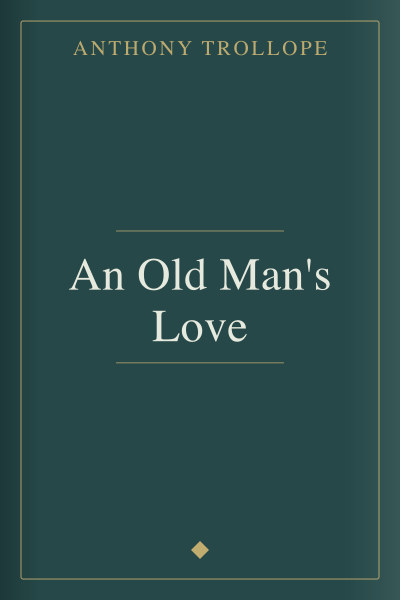

In 'An Old Man's Love,' Anthony Trollope intricately explores the complexities of love, sacrifice, and the societal expectations that shape relationships
Read full overviewShow less›
Set in the Victorian era, 'An Old Man's Love' follows Mr. William Whittlestaff, who faces an emotional upheaval when he learns that the young woman he has come to love, Mary Lawrie, is still tied to her past with John Gordon, a man who has returned from South Africa seeking her affection. Trollope delves into the themes of love, duty, and sacrifice, illustrating how societal norms and personal desires intersect, often leading to painful dilemmas. The narrative unfolds through a rich tapestry of character dynamics, uncovering how love can be both a source of joy and a burden. Readers will find themselves contemplating the nature of relationships, the impact of past choices, and the sacrifices that accompany genuine affection, all set against the backdrop of life's unpredictable emotional currents.
Ultimately, 'An Old Man's Love' is a masterful exploration of the intricacies of love, societal expectations, and the sacrifices individuals make for the sake of happiness. Trollope's nuanced characters invite readers to reflect on their own relationships and the choices that define them. The novel serves as a powerful reminder that love is not merely about passion; it involves navigating the complexities of human emotions, societal norms, and personal desires. Through the lens of Mr. Whittlestaff, Mary, and John Gordon, Trollope champions the idea that true love requires both courage and selflessness. This timeless narrative resonates with anyone grappling with the complexities of love, making it a worthy addition to the canon of classic literature.
- 1The Burden of Societal Expectations
- 2A Portrait of Love's Complexity
- 3The Essence of Sacrifice in Love
- 4The Impact of Past Relationships
- 5Exploring Gender Dynamics
Notable quotes
“I'll be whipped if I will have anything to do with her.”
“He had been opposed in everything to his father's views.”
“What are you going to do, you stupid woman?”
A glimpse inside

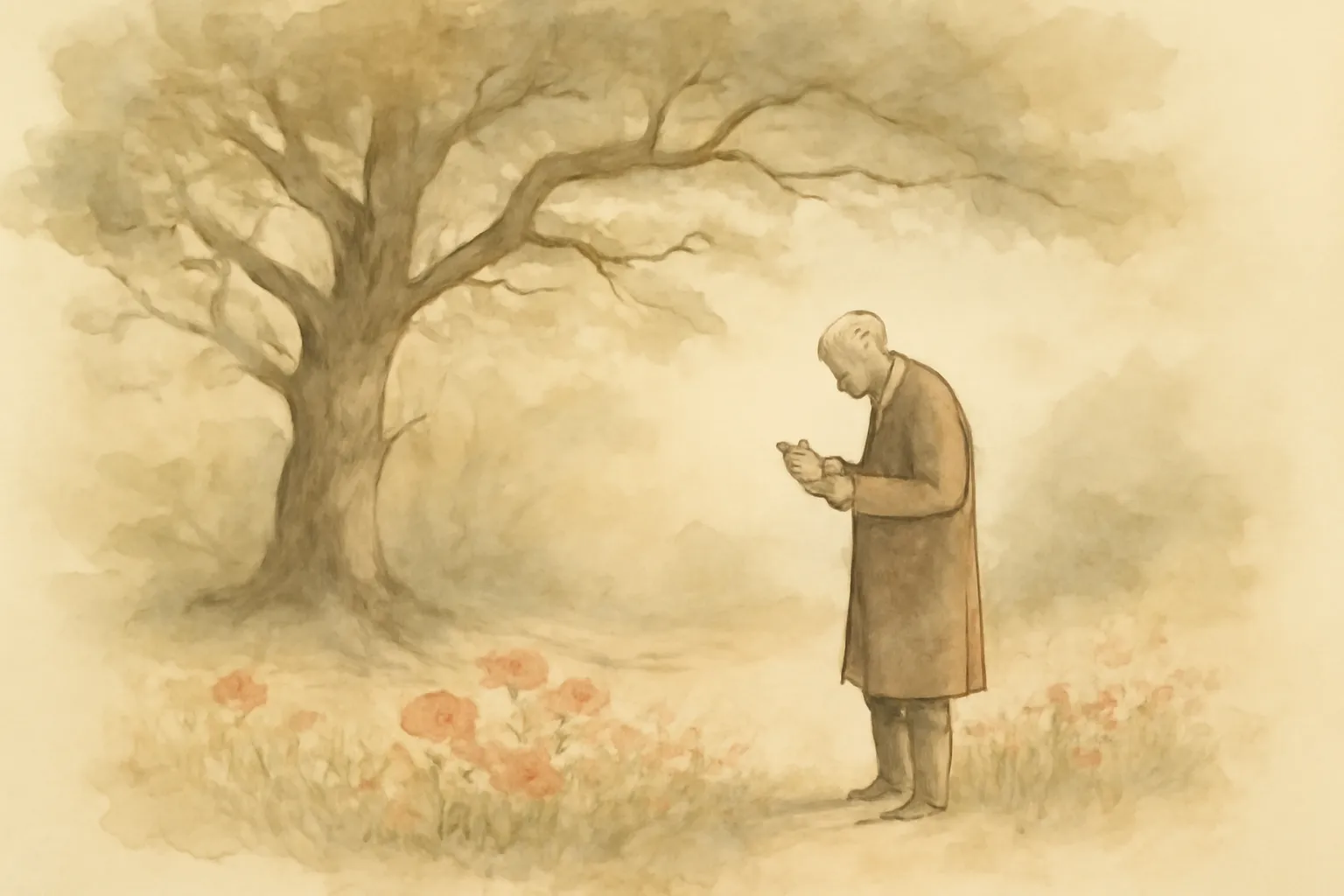
Mr. Whittlestaff is acutely aware of his societal standing as a well-to-do, middle-aged man. His wealth and age come with implicit expectations: he is expected to marry a… Read moreMr. Whittlestaff is acutely aware of his societal standing as a well-to-do, middle-aged man. His wealth and age come with implicit expectations: he is expected to marry and secure a stable future for any potential wife. Yet, Trollope portrays Whittlestaff as a man plagued by self-doubt, who questions whether he can fulfill the role of a husband in a world that often values status over emotional compatibility. His internal conflict is intensified by Mary's recent bereavement and her previous attachment to John Gordon, emphasizing the weight of social norms that dictate the course of their lives. Whittlestaff's struggle against these societal pressures showcases the broader theme of how societal expectations can hinder personal happiness, forcing individuals to navigate their desires within the rigid frameworks of their social environment. Through his character, Trollope reflects on the pressures men face to conform to societal ideals, illustrating that wealth and status do not equate to emotional fulfillment. Show less
Trollope intricately illustrates the multifaceted nature of love, particularly through the interactions between Whittlestaff, Mary, and Gordon. Read moreTrollope intricately illustrates the multifaceted nature of love, particularly through the interactions between Whittlestaff, Mary, and Gordon. The love triangle formed by these three characters is emblematic of the complexities inherent in human relationships. For Whittlestaff, his feelings for Mary are genuine and deep, yet he grapples with the fear that he may never be able to replace Gordon in her heart. Mary, on her part, is torn between her burgeoning affection for Whittlestaff and her lingering feelings for Gordon, who symbolizes a past she is reluctant to sever completely. This layered depiction of love forces readers to confront the reality that love is not black and white; it encompasses a spectrum of emotions, loyalties, and regrets. Trollope’s exploration of this theme resonates deeply, reflecting the real-life struggles many face when caught between different loves and the choices they compel. The tension between past loves and new connections invites readers to reflect on their own experiences with love, underscoring the idea that the heart often leads us down unpredictable paths. Show less
Read the full text — free
About the author
Anthony Trollope has 3 works free to read on Lumina, including The Small House at Allington, The Warden
All 3 books by Anthony Trollope →