1.The Burden of Societal Expectations
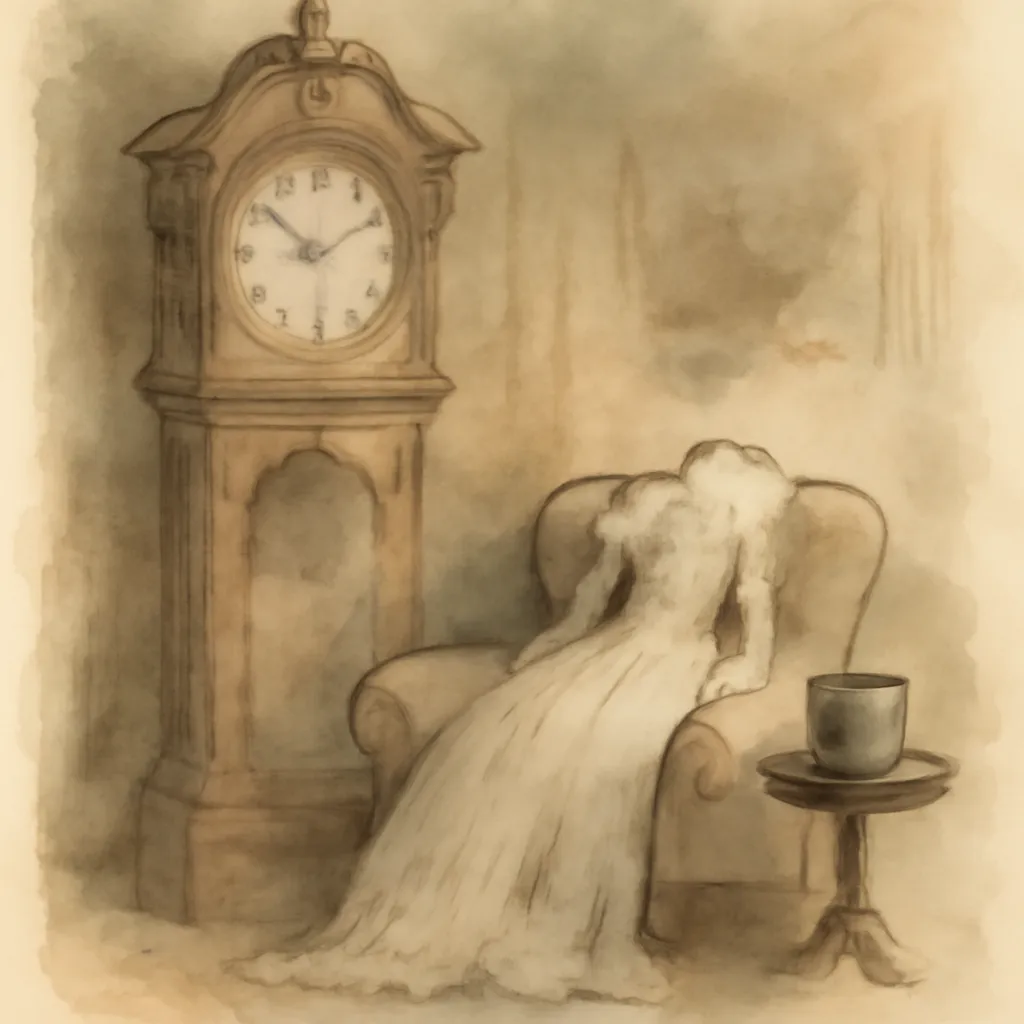
Mr. Whittlestaff is acutely aware of his societal standing as a well-to-do, middle-aged man. His wealth and age come with implicit expectations: he is expected to marry and secure a stable future for any potential wife. Yet, Trollope portrays Whittlestaff as a man plagued by self-doubt, who questions whether he can fulfill the role of a husband in a world that often values status over emotional compatibility. His internal conflict is intensified by Mary's recent bereavement and her previous attachment to John Gordon, emphasizing the weight of social norms that dictate the course of their lives. Whittlestaff's struggle against these societal pressures showcases the broader theme of how societal expectations can hinder personal happiness, forcing individuals to navigate their desires within the rigid frameworks of their social environment. Through his character, Trollope reflects on the pressures men face to conform to societal ideals, illustrating that wealth and status do not equate to emotional fulfillment.
2.A Portrait of Love's Complexity

Trollope intricately illustrates the multifaceted nature of love, particularly through the interactions between Whittlestaff, Mary, and Gordon. The love triangle formed by these three characters is emblematic of the complexities inherent in human relationships. For Whittlestaff, his feelings for Mary are genuine and deep, yet he grapples with the fear that he may never be able to replace Gordon in her heart. Mary, on her part, is torn between her burgeoning affection for Whittlestaff and her lingering feelings for Gordon, who symbolizes a past she is reluctant to sever completely. This layered depiction of love forces readers to confront the reality that love is not black and white; it encompasses a spectrum of emotions, loyalties, and regrets. Trollope’s exploration of this theme resonates deeply, reflecting the real-life struggles many face when caught between different loves and the choices they compel. The tension between past loves and new connections invites readers to reflect on their own experiences with love, underscoring the idea that the heart often leads us down unpredictable paths.
3.The Essence of Sacrifice in Love

Sacrifice is portrayed as an essential component of true love throughout the novel. Mr. Whittlestaff's willingness to prioritize Mary's happiness over his own desires is a poignant example of this theme. He contemplates stepping aside for her to pursue a life with Gordon, showcasing an altruistic aspect to his character that highlights the nobility of his feelings. As he wrestles with his emotions, the audience is left to ponder whether the act of letting go is more loving than holding on. This theme of sacrifice is not confined to Whittlestaff; it also appears in Mary's dilemma, as she must navigate her own sense of duty to Whittlestaff while grappling with her memories of Gordon. Trollope effectively conveys that love often requires individuals to make difficult choices, revealing the bittersweet nature of affection that can bring both joy and heartache. This idea is reinforced by the contrasting desires of the characters, as Whittlestaff’s selflessness stands in stark contrast to Mary’s struggle to reconcile her past and present. The narrative thus becomes a meditation on the sacrifices inherent in love, suggesting that true affection may lie in the willingness to let go.
4.The Impact of Past Relationships

Mary Lawrie's past with John Gordon serves as a significant factor influencing her present decisions. Trollope emphasizes that past relationships can have profound effects on one's emotional landscape, complicating new beginnings. For Mary, her history with Gordon is a source of both comfort and confusion, as she feels a sense of loyalty to the memories they shared. This sense of lingering attachment makes it difficult for her to fully embrace a future with Whittlestaff, who offers stability and affection but cannot compete with the allure of a first love. The juxtaposition of past and present highlights the reality that individuals are often shaped by their histories, and the scars of previous relationships can resurface, complicating the path toward future happiness. Trollope's portrayal of this conflict resonates with readers, as it reflects the universal truth that love is seldom straightforward, often intertwined with the shadows of past experiences. Through Mary’s internal struggle, the narrative probes the difficulties of moving on, illustrating how deeply embedded emotional ties can hinder personal growth.
5.Exploring Gender Dynamics

The novel presents a stark examination of gender dynamics, particularly through Mary Lawrie's character. In the context of Victorian society, women are often viewed as commodities, their value measured by their ability to marry and secure a man's affection. Mary finds herself in a precarious position, caught between societal expectations and her quest for personal happiness. Trollope sheds light on the limitations placed on women, who, despite possessing desires and ambitions, often find themselves subjugated to the whims of the men in their lives. Whittlestaff's character, on the other hand, enjoys a degree of agency that Mary does not, highlighting the uneven power dynamics that permeate their relationship. This exploration of gender norms not only enriches the characters' motivations but also serves as a critique of the patriarchal structures that dictate their lives, prompting readers to consider the implications of such dynamics in contemporary society. The struggles faced by Mary underscore the notion that women’s autonomy is often compromised by societal expectations, making her eventual choices all the more poignant.
6.The Importance of Communication

Communication—or the failure of it—plays a pivotal role in shaping the relationships among the characters in Trollope's narrative. Mr. Whittlestaff's initial reluctance to express his true feelings for Mary leads to misunderstandings that complicate their relationship. His internal struggles, marked by reticence, prevent him from articulating his intentions clearly, leaving Mary uncertain of her position. Similarly, Mary's silence about her past with Gordon creates barriers that hinder the development of her relationship with Whittlestaff. Trollope underscores the notion that open dialogue is essential in fostering trust and understanding in relationships. The novel advocates for vulnerability, suggesting that unspoken truths can lead to unnecessary suffering and emotional distance. Through the characters' interactions, readers are reminded that effective communication is fundamental to nurturing and sustaining love. The absence of open discussions and the characters' assumptions about each other’s feelings ultimately create friction, highlighting the need for honesty in relationships to bridge gaps that arise from misunderstanding.
7.The Duality of Wealth

Wealth serves as both a blessing and a burden for Mr. Whittlestaff, influencing his relationships and interactions with others. His financial stability allows him to support Mary but also imposes societal expectations that complicate their connection. Trollope portrays Whittlestaff as a man who grapples with the implications of his wealth. He feels obligated to provide for Mary, yet this obligation creates a sense of pressure that weighs heavily on him. The narrative raises questions about the authenticity of love when financial stability is involved, highlighting how wealth can create power dynamics that undermine genuine affection. Through Whittlestaff’s character, Trollope suggests that financial status can distort relationships, prompting readers to explore the delicate balance between love and materialism and the potential consequences of this interplay. The juxtaposition of Whittlestaff’s affluence against his emotional struggles serves to critique the societal pressures that accompany wealth, emphasizing that financial security does not guarantee emotional fulfillment or relational harmony.
8.The Symbolism of Setting
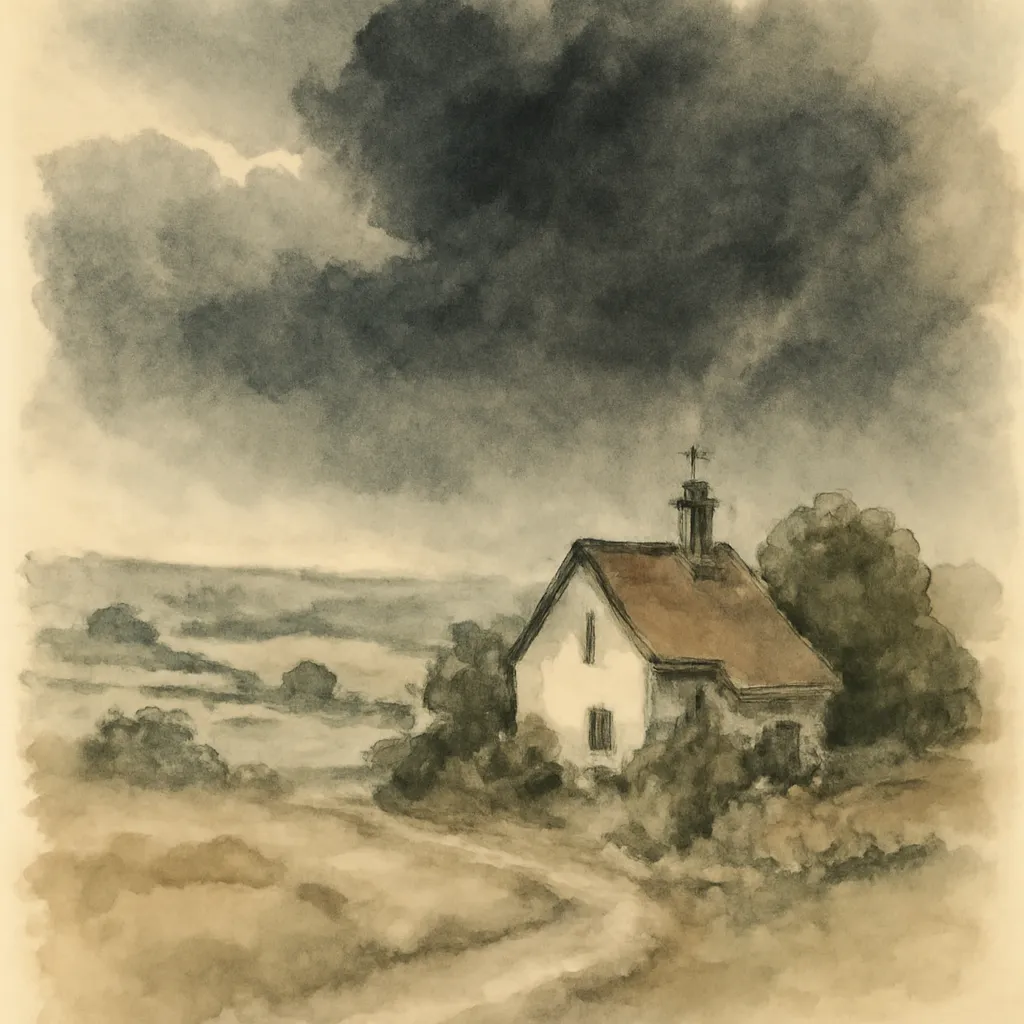
The setting of Hampshire and Croker's Hall is not merely a backdrop but plays a crucial role in shaping the narrative and its characters' experiences. The idyllic English countryside serves as a stark contrast to the emotional turmoil faced by the characters, creating a rich environment that enhances the story's themes. Croker's Hall becomes a symbol of both safety and confinement for Mary. As she navigates her feelings for Whittlestaff and Gordon, the hall represents her internal struggle between the past and the future. It is a physical manifestation of her entrapment in societal expectations and her desire for personal autonomy. The rural setting, with its serene beauty, juxtaposes the inner conflict and emotional chaos that the characters endure. Trollope utilizes this interplay between setting and character to emphasize that our environments can significantly influence our emotions and choices. The landscape of Hampshire not only reflects the tranquility of the natural world but also echoes the characters’ emotional states, revealing that external circumstances can deeply impact personal decisions.
9.The Quest for Self-Discovery
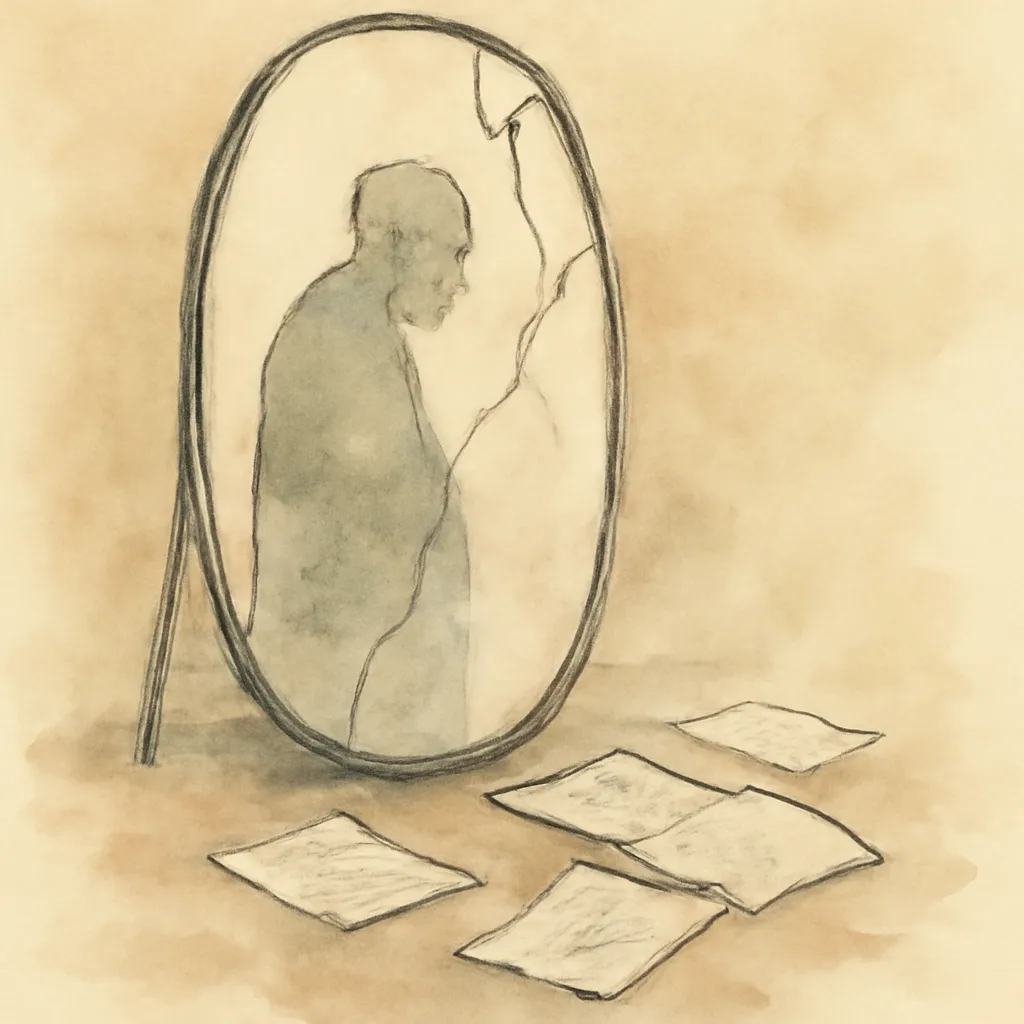
Trollope skillfully portrays the journeys of self-discovery undertaken by both Whittlestaff and Mary. Whittlestaff's internal conflict regarding his affections is marked by moments of reflection where he must confront his own identity and values. His willingness to sacrifice his own happiness for Mary's sake signifies a profound personal growth that ultimately leads him to understand the true nature of love. Meanwhile, Mary’s journey is equally transformative, as she learns to assert her desires while recognizing the weight of her promises. These arcs of self-discovery highlight the theme that love often requires individuals to embark on paths of introspection, revealing that true fulfillment comes from understanding one's own identity in relation to others. Through these journeys, Trollope emphasizes the importance of self-awareness in fostering genuine connections and the courage needed to navigate the complexities of love. Both characters emerge from their experiences with a deeper understanding of themselves and what they truly value, suggesting that personal growth is an essential part of the human experience.
10.The Role of Friendship and Community

Friendship and community play vital roles in shaping the characters' lives and decisions throughout the narrative. Mr. Whittlestaff's relationships with other characters, such as Mrs. Baggett and Mr. Blake, illustrate the support systems that exist within the community. Mrs. Baggett, despite her own struggles, provides a sense of stability and loyalty that is crucial to Whittlestaff as he navigates his feelings for Mary. Mr. Blake represents another facet of community life, demonstrating how friendships can influence personal decisions and provide counsel during times of uncertainty. Trollope uses these relationships to show that, while romantic love is central to the story, the bonds of friendship and community are equally important in guiding individuals through life's challenges. The interdependencies among these characters highlight the idea that no one exists in a vacuum; rather, relationships with others significantly impact our choices and emotional well-being. The narrative ultimately suggests that a supportive community can be a source of strength as individuals confront personal dilemmas.