

Irish Americans · Irlandeses-americanos · Family
Angela's Ashes by Frank McCourt — Summary, Key Ideas & Quotes
1996432 pages✦ 3-min Big ideas★ 3.8 (54)
Rate it
"When I look back on my childhood I wonder how I managed to survive at all. It was, of course, a miserable childhood: the happy childhood is hardly worth your while. Worse than the ordinary miserable childhood is the miserable Irish childhood, and worse yet is the miserable Irish Catholic childhood." So begins the luminous memoir of Frank McCourt, born in Depression-era Brooklyn to recent Irish immigrants and raised in the slums of Limerick, Ireland. in the 1930s and 40s. Frank's mother, Angela, has no money to feed the children since Frank's father, Malachy, rarely works, and when he does he drinks his wages. Yet Malachy -- exasperating, irresponsible and beguiling -- does nurture in Frank an appetite for the one thing he can provide: a story. Frank lives for his father's tales of Cuchulain, who saved Ireland, and of the Angel on the Seventh Step, who brings his mother babies. Perhaps it is story that accounts for Frank's survival. Wearing rags for diapers, begging a pig's head for Christmas dinner and gathering coal from the roadside to light a fire, Frank endures poverty, near-starvation and the casual cruelty of relatives and neighbors -- yet lives to tell his tale with eloquence, exuberance and remarkable forgiveness. - Jacket flap.
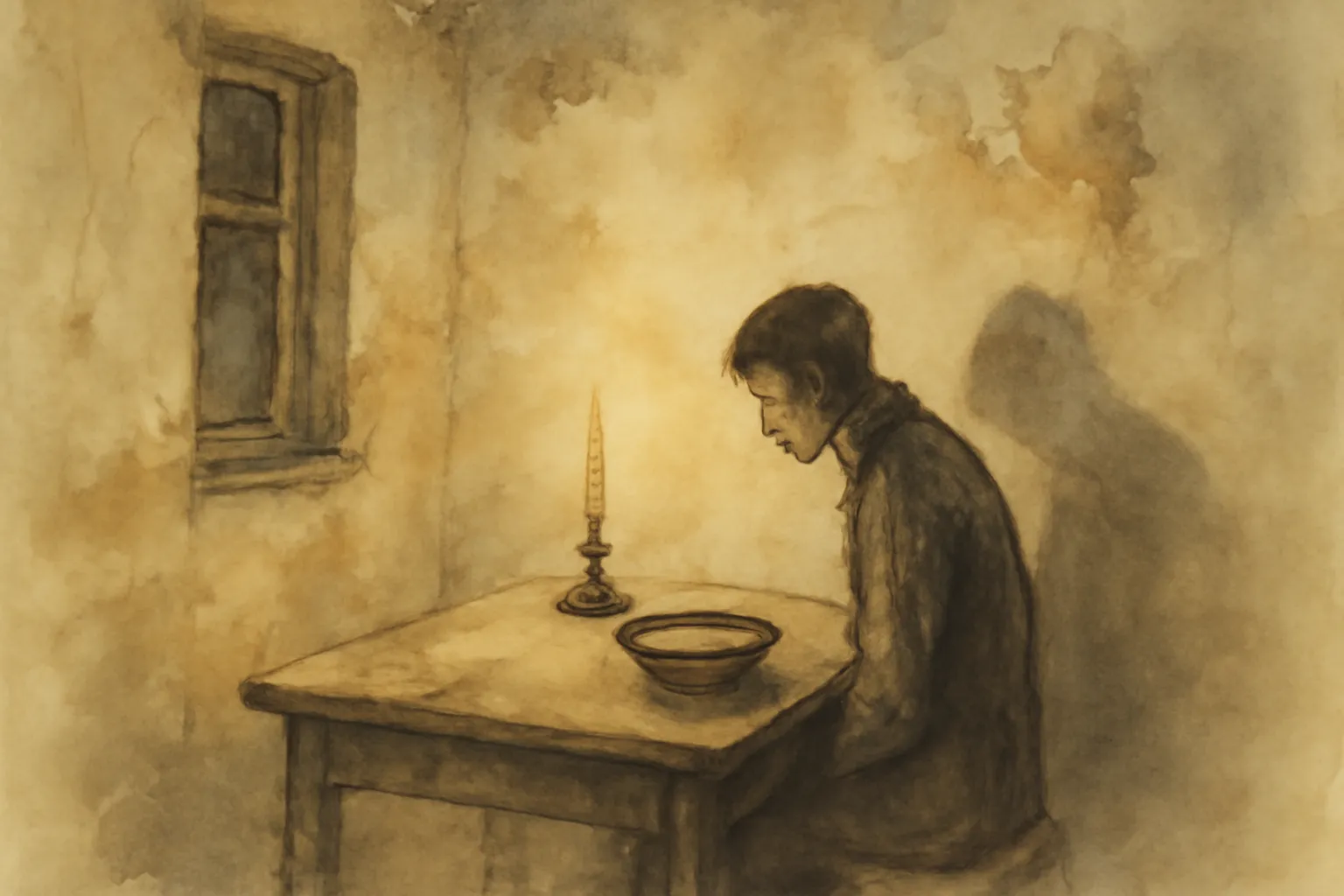
McCourt exposes how poverty is not just material deprivation but a corrosive force that shapes identity, relationships, and self-worth. The family's struggle is compounded by the social stigma of being poor and Irish Catholic, leading to constant humiliation and a sense of exclusion. The memoir confronts how poverty is perpetuated by systemic failures, cultural attitudes, and personal choices, showing its emotional and psychological toll as much as its physical hardships.
At the heart of the story is a dysfunctional family: a loving but desperate mother, Angela, and a charming yet unreliable father, Malachy. McCourt neither idealizes nor demonizes his parents; instead, he presents them with nuance, revealing how love and resentment coexist. The memoir is a journey toward understanding and, ultimately, forgiving the people who shaped him, despite their failings.
“When I look back on my childhood I wonder how I managed to survive at all.”
“It was, of course, a miserable childhood: the happy childhood is hardly worth your while.”
“Worse than the ordinary miserable childhood is the miserable Irish childhood, and worse yet is the miserable Irish Catholic childhood.”