1.The Cycle of Poverty and Shame
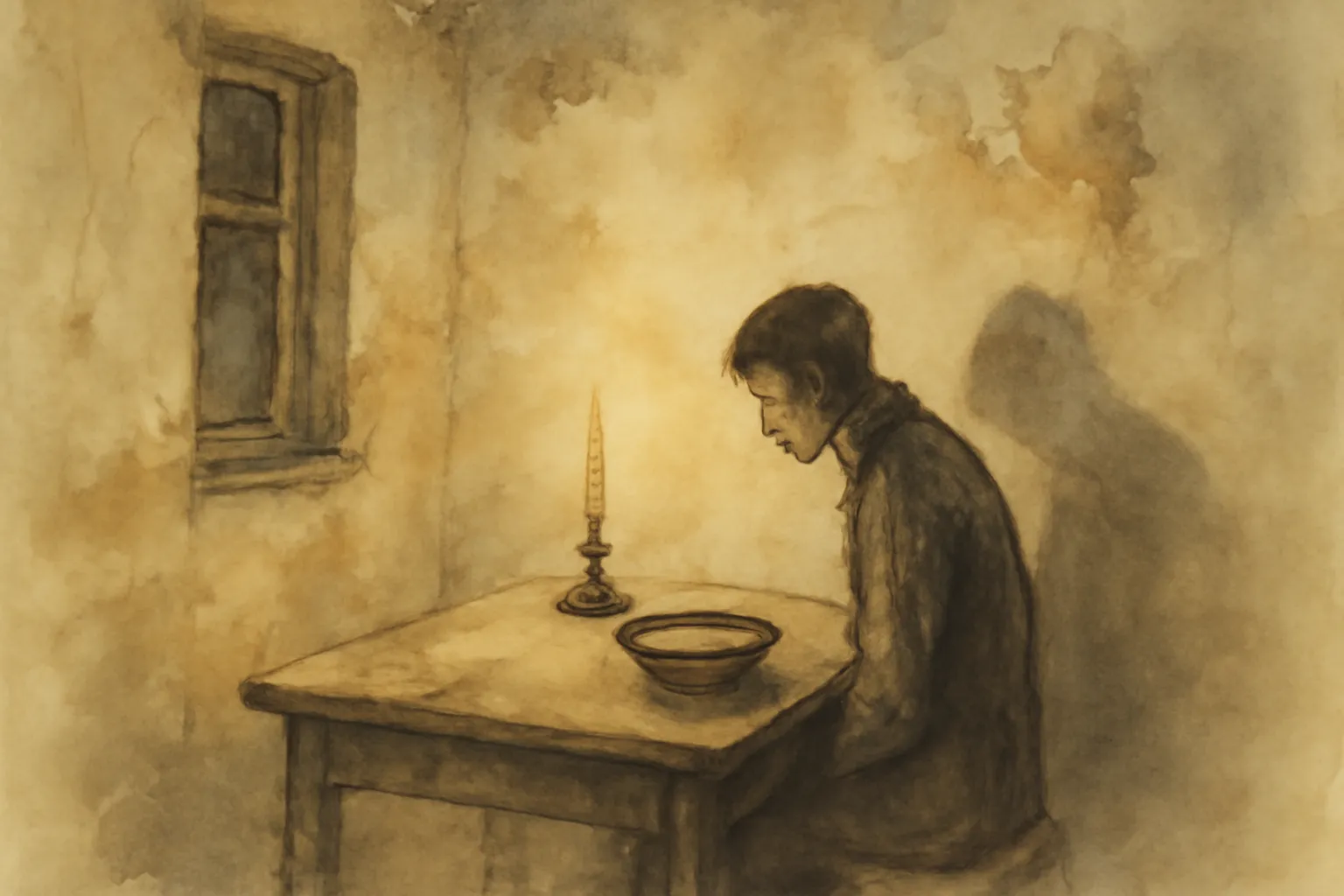
McCourt exposes how poverty is not just material deprivation but a corrosive force that shapes identity, relationships, and self-worth. The family's struggle is compounded by the social stigma of being poor and Irish Catholic, leading to constant humiliation and a sense of exclusion. The memoir confronts how poverty is perpetuated by systemic failures, cultural attitudes, and personal choices, showing its emotional and psychological toll as much as its physical hardships.
2.Family, Flaws, and Forgiveness
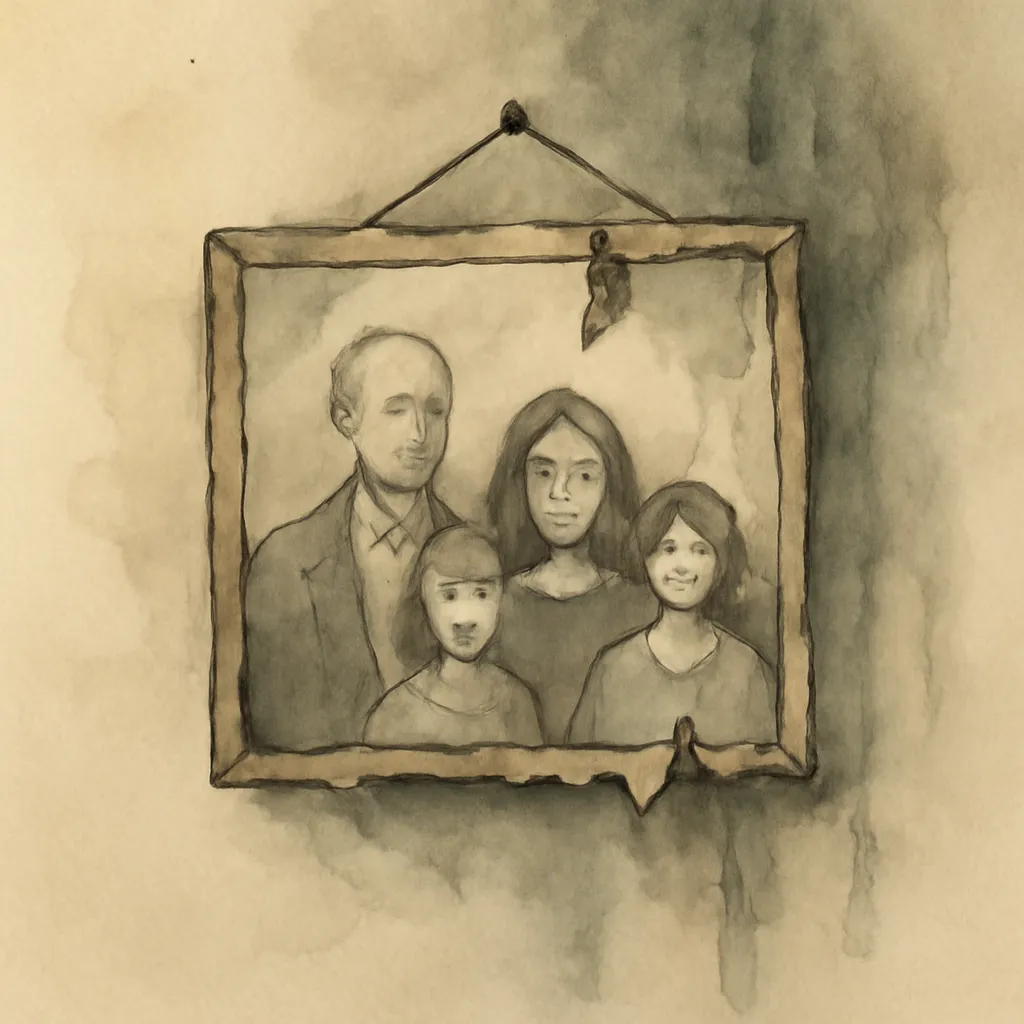
At the heart of the story is a dysfunctional family: a loving but desperate mother, Angela, and a charming yet unreliable father, Malachy. McCourt neither idealizes nor demonizes his parents; instead, he presents them with nuance, revealing how love and resentment coexist. The memoir is a journey toward understanding and, ultimately, forgiving the people who shaped him, despite their failings.
3.Religion and Guilt
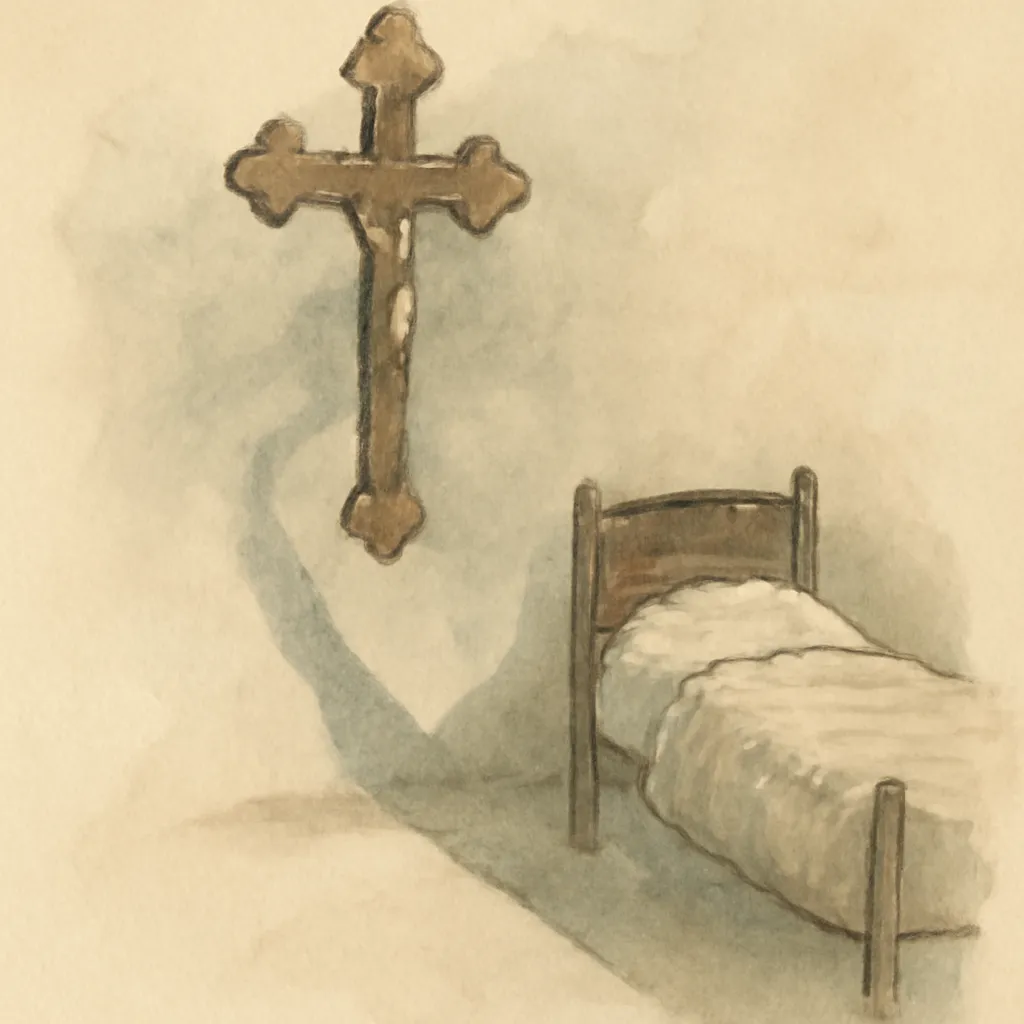
Growing up in deeply Catholic Limerick, Frank is steeped in religious dogma that both comforts and oppresses. The Church is omnipresent, dictating morality and instilling guilt, especially around poverty and sexuality. McCourt explores how faith can be both a source of hope and a mechanism for control, shaping his worldview and internal conflicts.
4.The Power of Storytelling
Despite relentless hardship, stories—especially those told by Frank’s father—become a lifeline. Storytelling is depicted as a means of escape, survival, and connection. McCourt’s own narrative voice, blending humor and lyricism, shows how art can transform suffering into meaning and give dignity to even the bleakest circumstances.
5.Resilience and the Will to Escape
Frank’s journey is marked by a fierce determination to break free from the limitations of his environment. The memoir captures the tension between resignation and aspiration, chronicling his small acts of rebellion and resourcefulness. Ultimately, it is Frank’s hope, intelligence, and perseverance that enable him to envision—and eventually seize—a different future.
6.Humor Amid Hardship
One of the memoir’s most striking features is its dark, irreverent humor. Even as McCourt describes deprivation and tragedy, he finds moments of absurdity and laughter. This humor is not just a coping mechanism but a form of resistance, allowing him to maintain dignity and perspective.