

History · Emperors · Fiction
Augustus by John Williams — Summary, Key Ideas & Quotes
1972305 pages✦ 3-min Big ideas★ 4.0 (4)
Rate it
A compelling fictional portrait of Augustus Caesar follows the ancient Roman leader from his youth to his rise to power following the murder of his uncle, Julius Caesar, in the midst of fierce competition, intrigue, and political machinations, in a new edition of the National Book Award-winning novel.
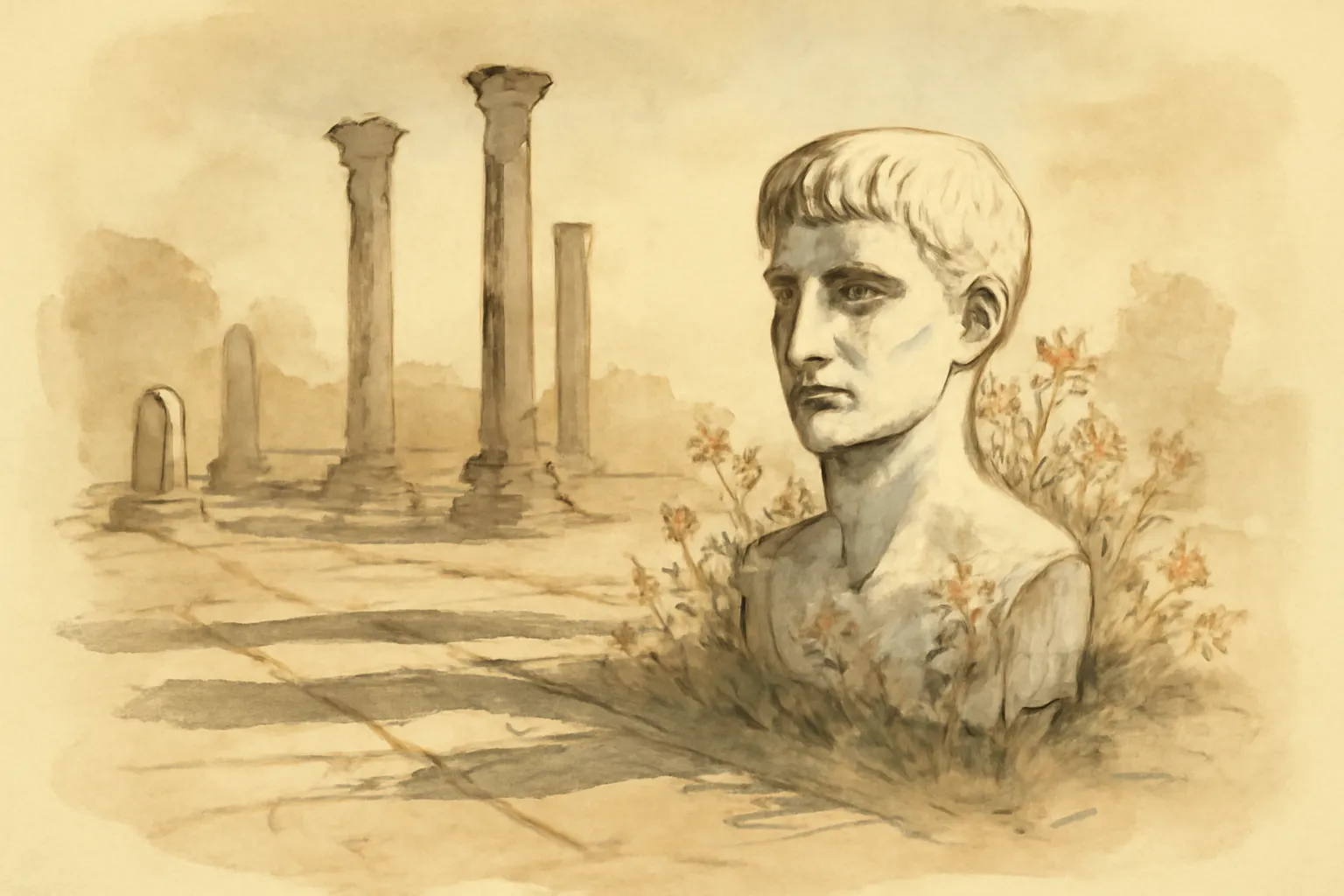
Williams structures 'Augustus' as a mosaic of letters, memoirs, and official documents, allowing the story to unfold through the eyes of friends, enemies, family, and the emperor himself. This approach not only gives a panoramic view of Augustus’s life but also underscores the elusiveness of historical truth. Readers are prompted to consider how reputation, rumor, and personal bias shape our understanding of the past—and how even the most powerful figures are subject to the interpretations of others.
At its core, 'Augustus' explores the isolating nature of absolute authority. Williams delves into the emotional and ethical compromises Augustus must make to secure Rome’s future, revealing how leadership demands both vision and ruthlessness. The novel interrogates whether greatness can coexist with personal happiness, and whether the sacrifices required for political stability are justified by their outcomes.
“The greatest mistake is to imagine that we ever know what is really going on.”
“No one is so brave that he is not disturbed by something unexpected.”