

Open Library Staff Picks · Rock climbing accidents · Mountaineers
Between a Rock and a Hard Place by Aron Ralston — Summary, Key Ideas & Quotes
2004368 pages✦ 3-min Big ideas★ 4.5 (2)
Rate it
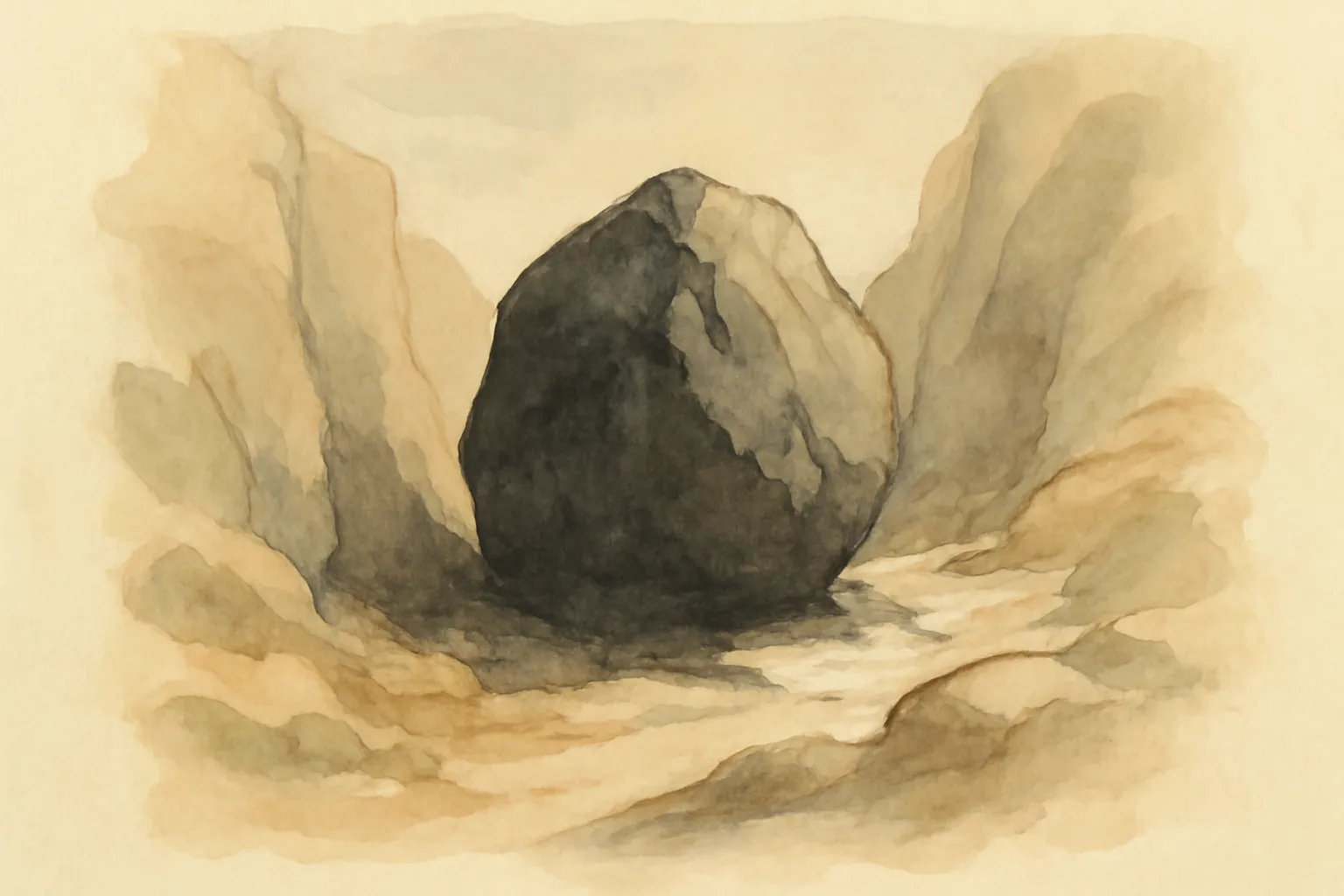
Hiking into the remote Utah canyonlands, Aron Ralston felt perfectly at home in the beautiful natural world. Then, at 2:41 p.m., eight miles from his truck, in a deep and narrow slot canyon, an eight-hundred-pound boulder tumbled loose, pinning Aron's right hand and wrist against the canyon wall. Through six days of hell, with scant water, food, or warm clothing, and the terrible knowledge that no one knew where he was, Aron eliminated his escape options one by one. Then a moment of stark clarity helped him to solve the riddle of the boulder, and commit one of the most extreme and desperate acts imaginable.
Ralston’s ordeal pushes the boundaries of physical and psychological endurance. Trapped for six days with minimal supplies, he confronts starvation, dehydration, and hallucinations. The narrative details both the body’s vulnerabilities and its surprising resilience, highlighting how survival is as much about mental fortitude as physical strength. Ralston’s experience underscores the idea that the will to live can drive people to astonishing feats, even when all options seem exhausted.
The book explores the consequences of isolation, both literal and emotional. Ralston’s decision not to tell anyone his hiking plans becomes a central regret, emphasizing the importance of connection and communication. Yet, his isolation also forces him to rely entirely on his own ingenuity and resourcefulness. The story becomes a meditation on what it means to be truly alone, and how self-reliance can be both empowering and perilous.
“I chose to live.”
“This is the boulder that will teach me the most important lesson of my life.”