

Nobleza · Noblesse · Biographies
A Distant Mirror: The Calamitous 14th Century by Barbara W. Tuchman — Summary, Key Ideas & Quotes
1600691 pages✦ 3-min Big ideas★ 4.1 (15)
Rate it
Amazon.com Review In this sweeping historical narrative, Barbara Tuchman writes of the cataclysmic 14th century, when the energies of medieval Europe were devoted to fighting internecine wars and warding off the plague. Some medieval thinkers viewed these disasters as divine punishment for mortal wrongs; others, more practically, viewed them as opportunities to accumulate wealth and power. One of the latter, whose life informs much of Tuchman's book, was the French nobleman Enguerrand de Coucy, who enjoyed the opulence and elegance of the courtly tradition while ruthlessly exploiting the peasants under his thrall. Tuchman looks into such events as the Hundred Years War, the collapse of the medieval church, and the rise of various heresies, pogroms, and other events that caused medieval Europeans to wonder what they had done to deserve such horrors.
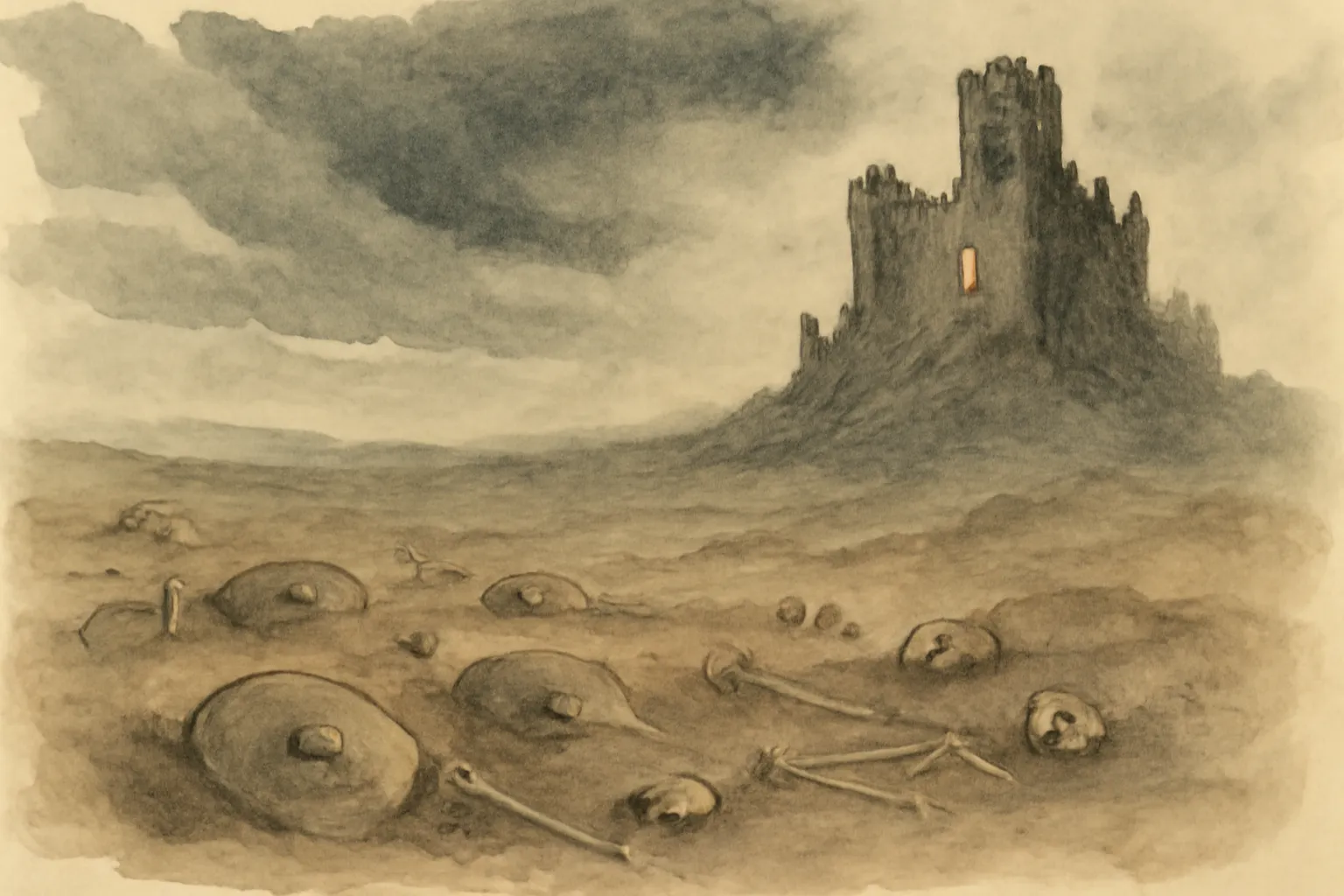
Tuchman frames the 14th century as a 'distant mirror' for the 20th (and by extension, our own) era, emphasizing recurring themes of war, social upheaval, and leadership failure. By drawing parallels between the crises of the Middle Ages and those of her own time, she invites readers to reflect on the cyclical nature of human history and the persistent vulnerabilities of societies under stress.
The arrival of the plague was a seismic event, wiping out a third of Europe's population and upending every aspect of life. Tuchman details not only the horror and suffering but also the social and economic consequences: labor shortages, rising wages for peasants, and a shaken faith in established authorities. The plague serves as both a literal and metaphorical agent of transformation, accelerating changes already underway.
“When the gap between ideal and real becomes too wide, the system breaks down.”


