

Campaigns · European War, 1914-1918 · Western Front
The Guns of August by Barbara W. Tuchman — Summary, Key Ideas & Quotes
1962575 pages✦ 3-min Big ideas★ 3.5 (6)
Rate it
Published to immediate acclaim in 1962 and the winner of the Pulitzer Prize in 1963, The Guns of August is the classic account of the cataclysmic outbreak of World War I in 1914 and the 30 days of battle that followed. This opening clash determined the future course of the war and shaped the history of our century. Its tense drama continues to enthrall readers of Barbara W. Tuchman's magnificent best-selling work, now in 25th anniversary edition with a new preface by the author. In the summer of 1914, Europe with a heap of swords piled as delicately as jackstraws, and not one could be drawn out without upsetting the others. Still, statesmen, field marshals, admirals, kings, and patriots believed what they wanted to believe -- or what they feared not to believe -- and waited in profound ignorance for victory to reveal itself within a matter of weeks. Instead, the holocaust of August was the prelude to 4 bitter years of deadlocked war that cost a generation of European lives. The German, French, English, and Russian General Staffs had had their plans for war completed as early as 10 years before hostilities began. Germany intended to invade France; England had committed her army to cooperation with the French Army. France, bolstered by her alliance with Russia and her "entente" with Britain, designed her strategy in terms solely of the offensive and the attaque brusqueée. Russia planned a pincer invasion of East Prussia while the main German armies were involved in the West. None of these plans allowed for the contingencies of the others, or recognized their own intrinsic errors. Yet for perhaps five years before the war began, each General Staff knew what the others would do; all that was planned. The bloody catalogue of the battles of August 1914 includes the almost mythic names of Liège, Tannenberg, Mons, the Battle of the Frontiers, and Charleroi. And of men like Joffre, indomitably rebuilding his shattered French armies; Samsonov dying a suicide after the annihilation of the Russian 2nd Army; von Kluck stubbornly committing his fatal mistake; Admiral Souchon choosing his desperate and fateful course for Constantinople. Through her unforgettable portraits of these characters and many others, Mrs. Tuchman has made her book doubly exciting -- revealing the human reasons for the disasters of war. - Jacket flap. In this landmark, Pulitzer Prize-winning account, renowned historian Barbara W. Tuchman re-creates the first month of World War I: thirty days in the summer of 1914 that determined the course of the conflict, the century, and ultimately our present world. Beginning with the funeral of Edward VII, Tuchman traces each step that led to the inevitable clash. And inevitable it was, with all sides plotting their war for a generation. Dizzyingly comprehensive and spectacularly portrayed with her famous talent for evoking the characters of the war's key players, Tuchman's magnum opus is a classic for the ages. - Random House.
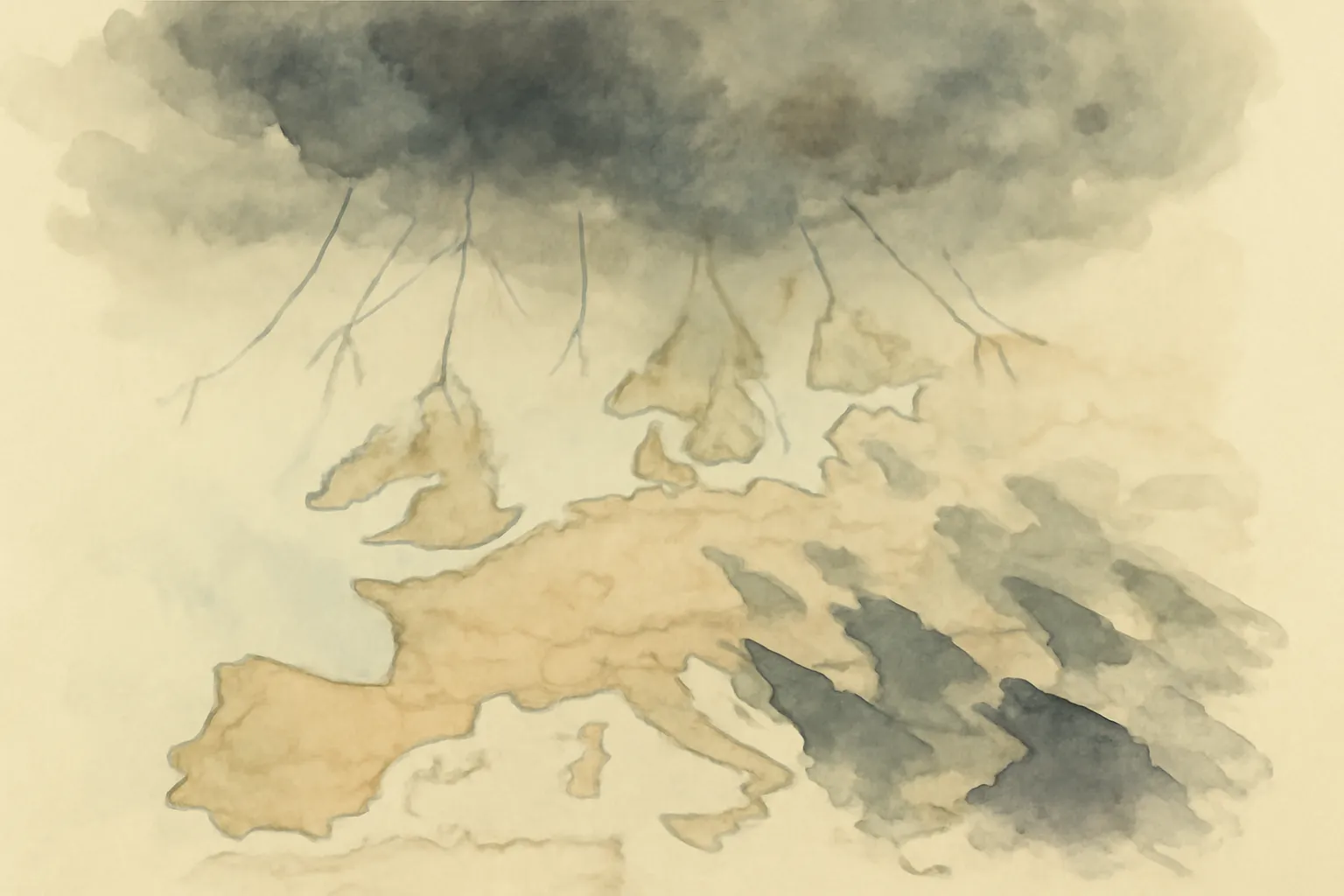
Tuchman demonstrates that the peace of prewar Europe was precarious, balanced on a web of alliances, rivalries, and mutual suspicions. The continent’s leaders, lulled by decades without major war, underestimated the consequences of their actions. The book shows how the very systems designed to maintain peace—such as the alliance networks—made the outbreak of war more likely, as one misstep could trigger a chain reaction. This fragility is a cautionary tale about the dangers of complacency and overconfidence in international affairs.
A central theme is how rigid military planning—especially Germany’s Schlieffen Plan—locked nations into courses of action from which they could not easily deviate. Tuchman details how the mobilization timetables and logistical preparations became self-fulfilling prophecies; once set in motion, they left little room for diplomacy or reconsideration. The generals’ faith in their plans blinded them to changing realities, illustrating the peril when strategy becomes dogma rather than guidance.
“The lamps are going out all over Europe; we shall not see them lit again in our lifetime.”
“No more distressing moment can ever face a British government than that which requires it to come to a hard, fast and specific decision.”


