

Campaigns · World War, 1914-1918 · World war, 1914-1918, campaigns
The Great War: A Combat History of the First World War by Peter Hart — Summary, Key Ideas & Quotes
2013522 pages✦ 3-min Big ideas
Rate it
Focusing on the decisive engagements of World War I, the author explores the immense challenges faced by the commanders, looking at the changing weapons and tactics and offering his own assessment on what brought about the war's outcome.
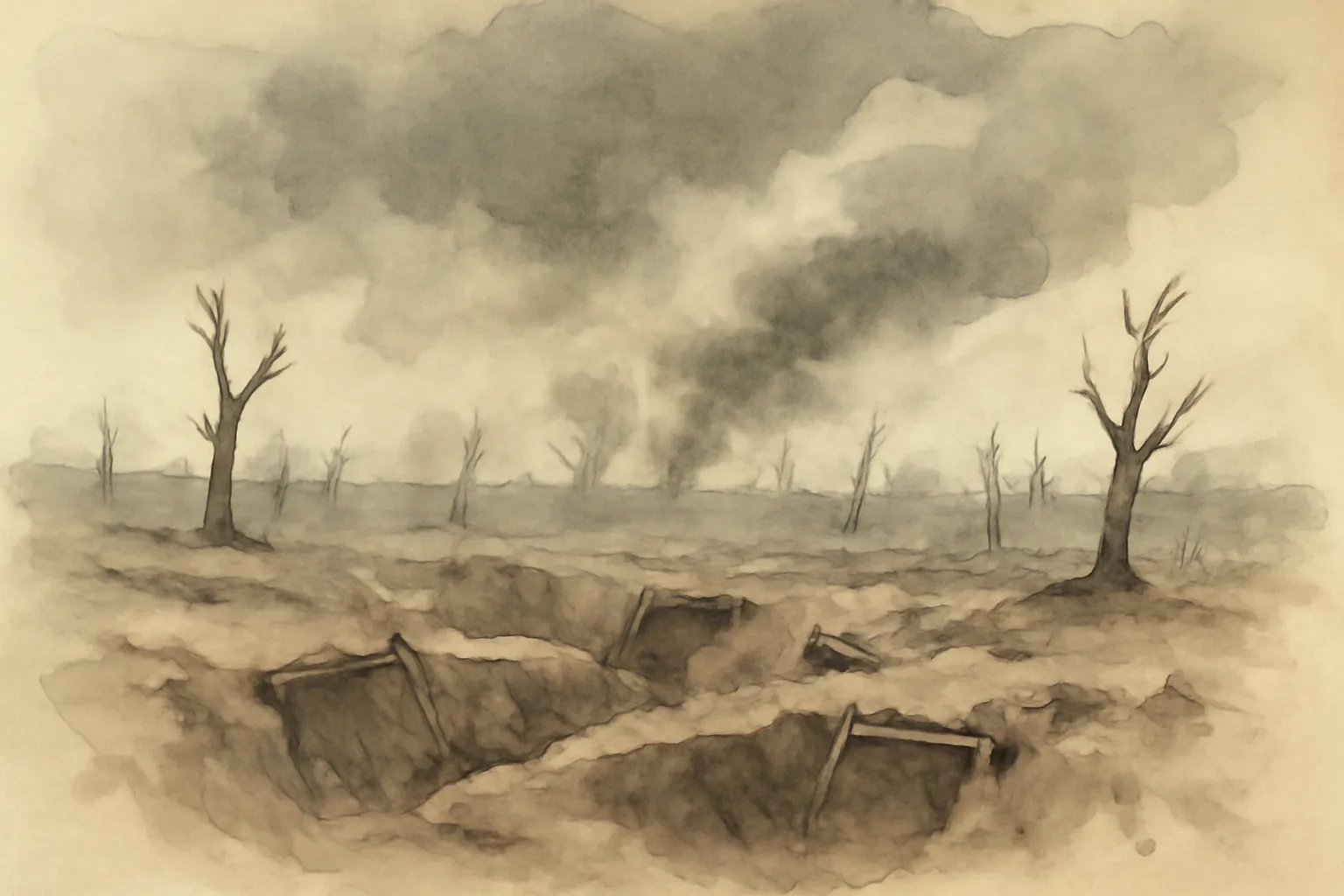
Hart’s approach is unapologetically focused on the battlefield. Rather than a broad survey of political or social undercurrents, the book zeroes in on the key military engagements—Marne, Verdun, the Somme, Passchendaele, and others. Hart reconstructs these battles with vivid detail, using firsthand accounts and operational analysis to show how soldiers and commanders coped with the unprecedented scale and horror of industrialized warfare. This focus brings immediacy and clarity to the war’s evolving tactics and the realities of combat.
A central theme is the rapid transformation in weapons and tactics during the war. Hart traces how the static slaughter of early trench warfare forced armies to innovate—developing new artillery techniques, infiltration tactics, tanks, and coordinated assaults. He argues that the learning curve was steep and costly, but by 1918, the Allies had forged effective methods that broke the stalemate. This analysis dispels the stereotype of unthinking generals and highlights the adaptability (and limitations) of military institutions.