1.Combat-Centric Narrative
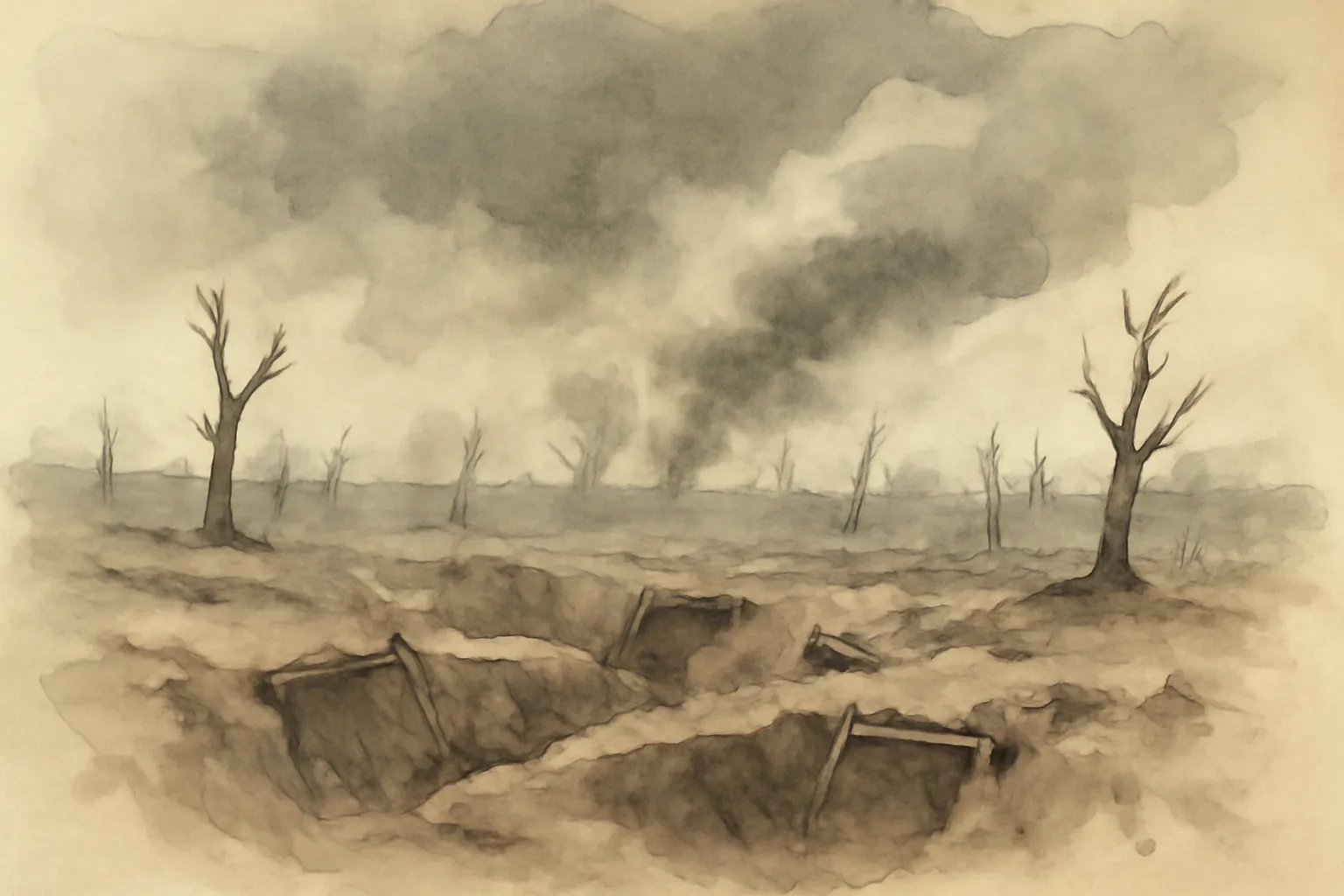
Hart’s approach is unapologetically focused on the battlefield. Rather than a broad survey of political or social undercurrents, the book zeroes in on the key military engagements—Marne, Verdun, the Somme, Passchendaele, and others. Hart reconstructs these battles with vivid detail, using firsthand accounts and operational analysis to show how soldiers and commanders coped with the unprecedented scale and horror of industrialized warfare. This focus brings immediacy and clarity to the war’s evolving tactics and the realities of combat.
2.Evolution of Tactics and Technology
A central theme is the rapid transformation in weapons and tactics during the war. Hart traces how the static slaughter of early trench warfare forced armies to innovate—developing new artillery techniques, infiltration tactics, tanks, and coordinated assaults. He argues that the learning curve was steep and costly, but by 1918, the Allies had forged effective methods that broke the stalemate. This analysis dispels the stereotype of unthinking generals and highlights the adaptability (and limitations) of military institutions.
3.Commanders Under Pressure
Hart offers a nuanced assessment of the war’s leaders, from Haig and Foch to Hindenburg and Ludendorff. He critiques their mistakes but also acknowledges the immense challenges they faced: unreliable communications, logistical nightmares, and the unpredictability of new technology. The book argues that, while errors were made, many commanders were neither fools nor butchers, but men grappling with unprecedented problems under extreme pressure.
4.Human Cost and Soldier Experience
Interwoven with strategic analysis are the voices of ordinary soldiers—British Tommies, French poilus, German landser—whose letters and diaries Hart draws upon extensively. He emphasizes the psychological and physical toll of trench warfare, the camaraderie and fatalism of the front lines, and the resilience required to endure. This human perspective grounds the narrative, reminding readers that the war’s history is not just about grand strategy, but about millions of individual lives.
5.Why the Allies Won
Hart’s ultimate argument is that the Allies’ victory was not inevitable, but the result of hard-won operational improvements, superior resources, and the cumulative attrition of the Central Powers. He challenges simplistic explanations and highlights the interplay of battlefield innovation, morale, and material advantage. The book’s conclusion underscores that the outcome was shaped by both strategic choices and the grinding realities of combat.