

Fiction · World War, 1914-1918 · Poets
The Ghost Road by Pat Barker — Summary, Key Ideas & Quotes
1996608 pages✦ 3-min Big ideas★ 4.0 (1)
Rate it
Regeneration: When Dr William Rivers treats a patient at a mental hospital who has spoken out against World War I, the relationship that develops between them makes them debate the logic of their respective positions. Thus the doctor questions the sanity of the war which is his duty to return his patients to. The eye in the door: Drawing of the history of the Pemberton Billing libel trial in which all Britain's military troubles were laid at the door of the British homosexuals, themes of persecution and prejudice are explored alongside questions of class and identity. The ghost road: Based on a mix of real and imagined characters and events, this book concentrates on Sarah, a young woman working in a munitions factory, and on Wilfred Owen. The position of women has been a sub-theme throughout the books and here it moves to the forefront.
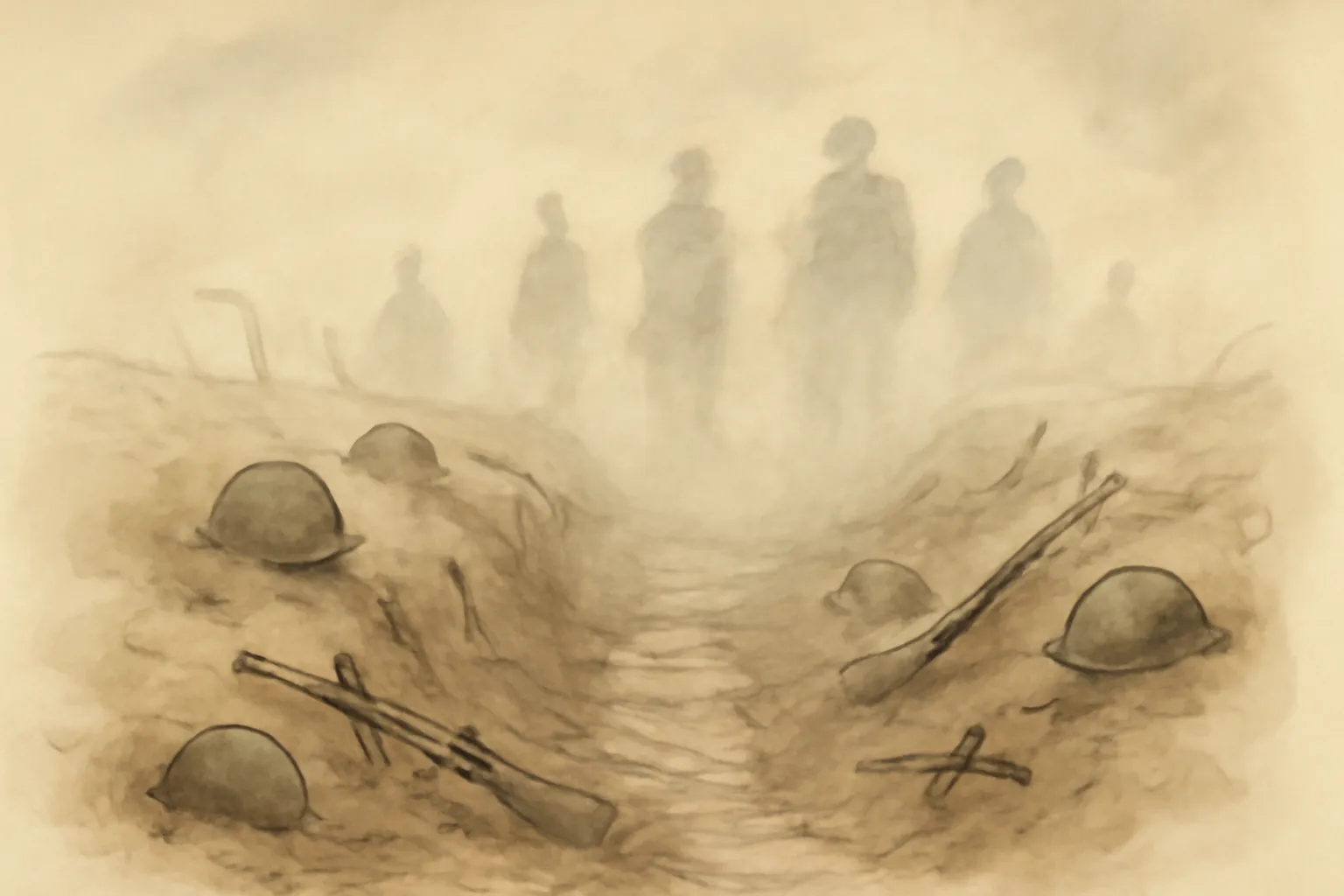
Barker delves deeply into the mental scars left by World War I, focusing on Dr. William Rivers and his patients. The novel interrogates the boundaries between sanity and madness, questioning the very notion of 'curing' men only to send them back to the front. Through Rivers's internal struggles and the trauma of characters like Billy Prior, Barker exposes the persistent, haunting nature of psychological wounds—suggesting that the real ghosts of war are the memories and moral injuries that linger long after the guns fall silent.
Interwoven with the war narrative are Rivers’s anthropological memories of his time on Melanesian islands, drawing parallels between colonial violence and the mechanized slaughter of the Western Front. Barker uses these flashbacks to highlight the destructive legacies of empire and the ways in which Western rationality often masks deep-seated brutality. The 'ghost road' thus becomes both a literal and metaphorical path haunted by the specters of colonial and military pasts.
“He was not going to think about the future. He was going to think about now.”
“Nothing justifies this. Nothing ever could. But it happens anyway.”
