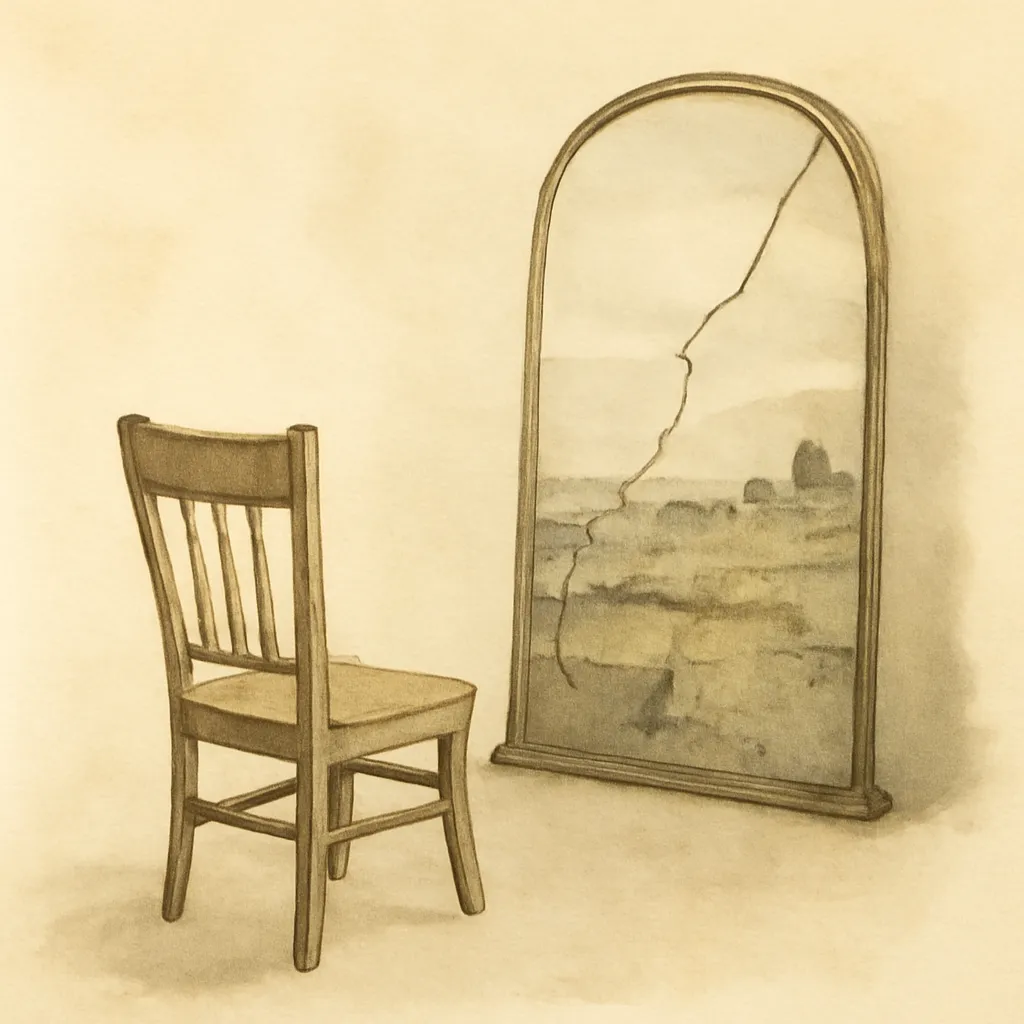
A haunting, multi-layered meditation on war, trauma, and the ghosts that shape us.
The Ghost Road, the Booker Prize-winning conclusion to Pat Barker's Regeneration Trilogy, plunges readers into the final days of World War I. Through the intersecting lives of soldiers and civilians, Barker explores the psychological and moral aftermath of conflict, challenging our understanding of healing, duty, and memory. This novel is essential for those seeking a profound, unsettling examination of war's enduring impact on individuals and society.
Pat Barker is a renowned British novelist, celebrated for her unflinching portrayals of war and its psychological toll. Her Regeneration Trilogy, informed by extensive historical research and a background in social history, has established her as a leading voice in contemporary historical fiction.
Key ideas
1.War's Psychological Aftershocks
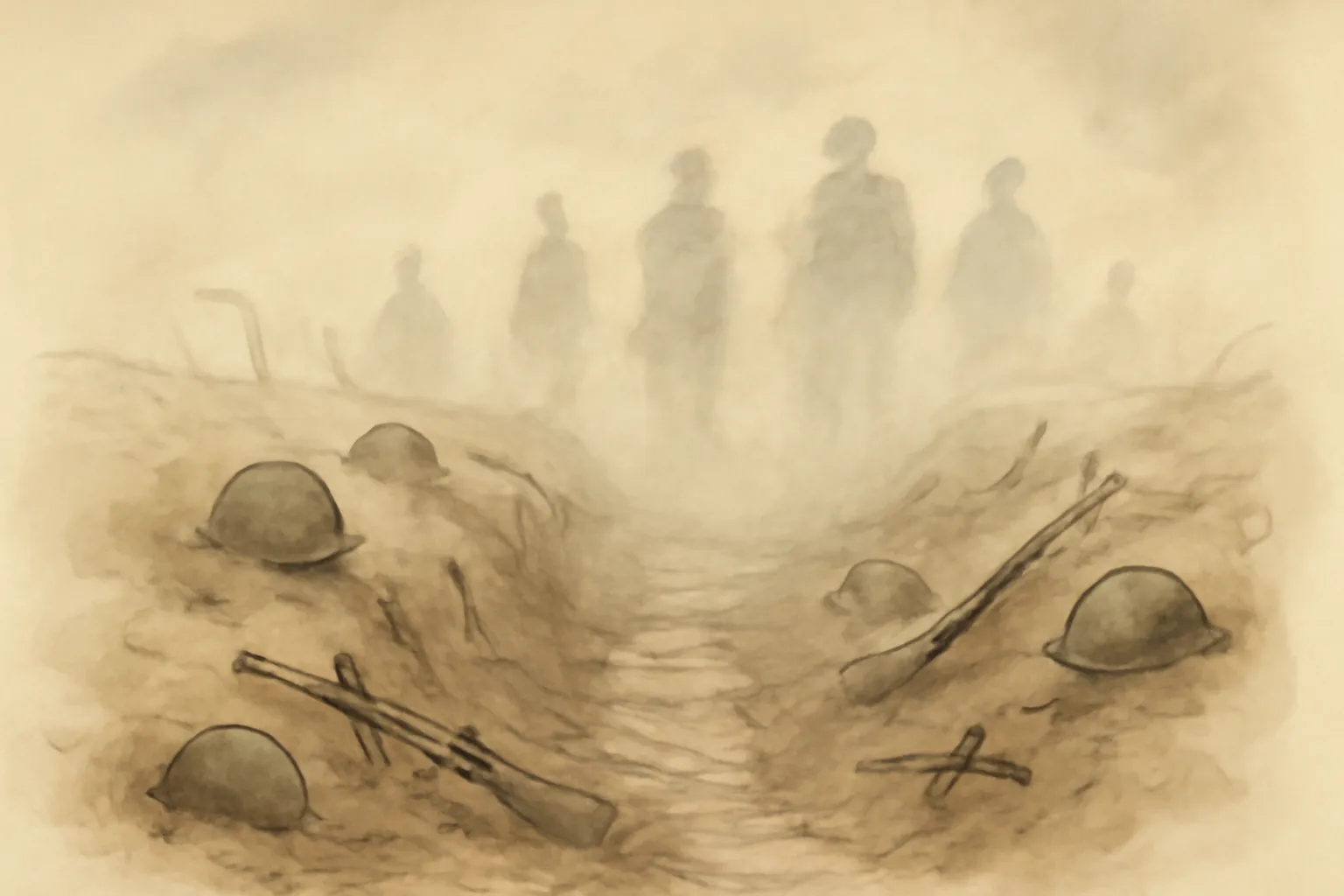
Barker delves deeply into the mental scars left by World War I, focusing on Dr. William Rivers and his patients. The novel interrogates the boundaries between sanity and madness, questioning the very notion of 'curing' men only to send them back to the front. Through Rivers's internal struggles and the trauma of characters like Billy Prior, Barker exposes the persistent, haunting nature of psychological wounds—suggesting that the real ghosts of war are the memories and moral injuries that linger long after the guns fall silent.
2.The Ghosts of Empire and Colonialism
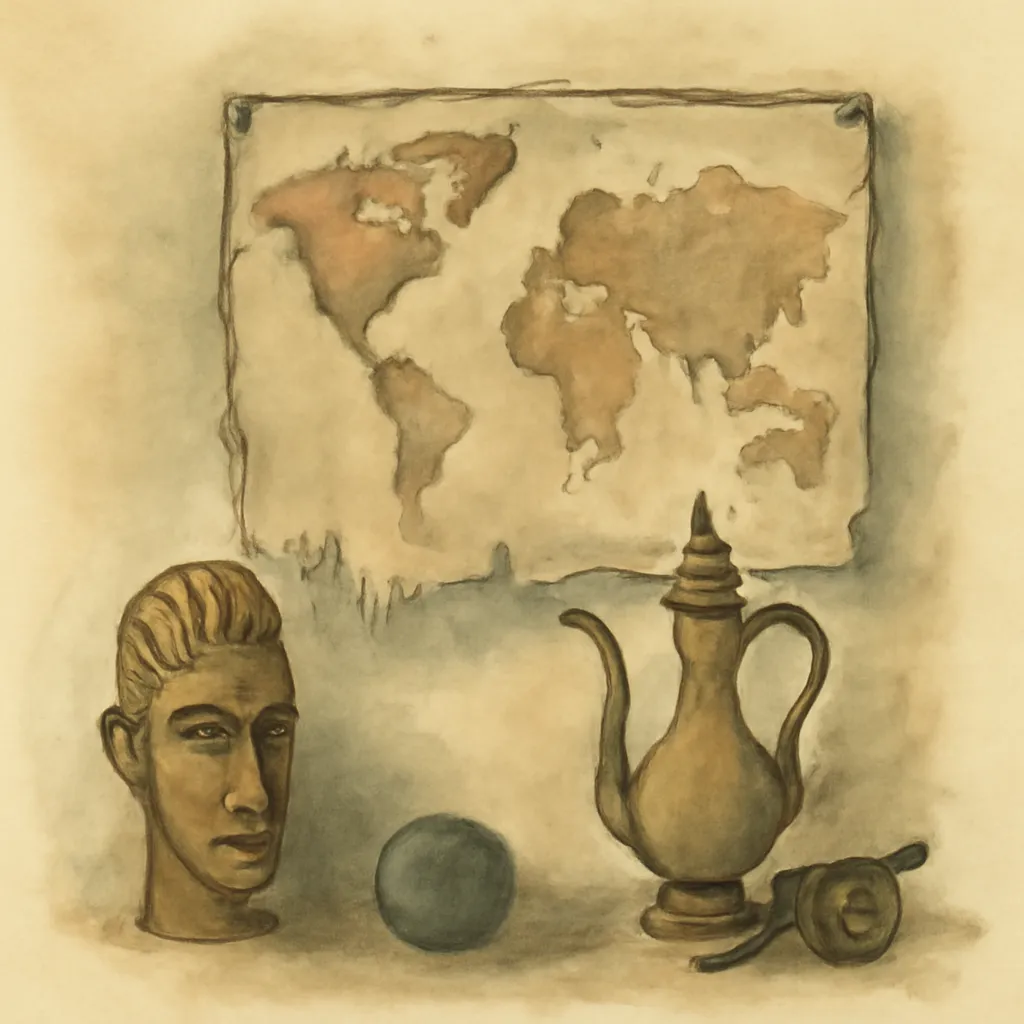
Interwoven with the war narrative are Rivers’s anthropological memories of his time on Melanesian islands, drawing parallels between colonial violence and the mechanized slaughter of the Western Front. Barker uses these flashbacks to highlight the destructive legacies of empire and the ways in which Western rationality often masks deep-seated brutality. The 'ghost road' thus becomes both a literal and metaphorical path haunted by the specters of colonial and military pasts.
3.Masculinity and Vulnerability
The Ghost Road scrutinizes the expectations placed on men during wartime—courage, stoicism, and sacrifice—while revealing their vulnerabilities. Through characters like Prior and Owen, Barker challenges traditional notions of heroism, showing how the war exposes the fragility of the male psyche. The novel complicates the idea of masculinity, suggesting that true strength may lie in acknowledging pain and questioning authority.
4.Women at the Margins and Center
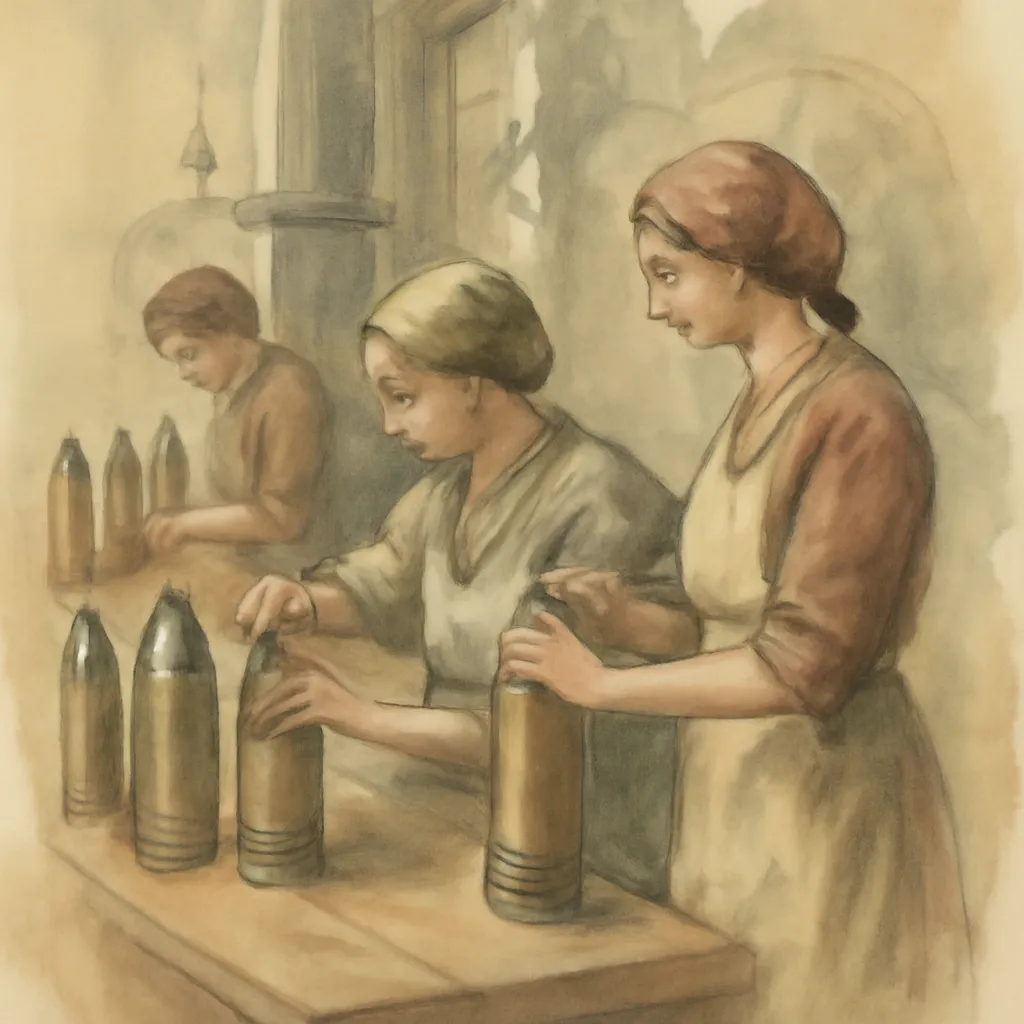
While the trilogy has always touched on the position of women, this final volume brings their experiences to the forefront. Characters like Sarah and her fellow munitions workers embody the shifting roles and newfound agency of women during the war. Barker explores both their contributions and the limitations imposed by class and gender, using their stories to critique a society in flux and the persistent inequalities that survive even in times of upheaval.
5.Memory, Healing, and the Limits of Reconciliation
Barker questions whether true healing is possible after such profound trauma. Rivers’s therapeutic methods are juxtaposed with the reality that many of his patients will not survive the war, and those who do may never fully recover. The novel suggests that memory is both a tool for healing and a source of perpetual pain, complicating easy narratives of closure or redemption.
6.The Blurring of History and Fiction
By blending real historical figures like Wilfred Owen with fictional characters, Barker creates a narrative that is both grounded and imaginative. This approach allows her to explore broader truths about war and society, while also inviting readers to question the boundaries between fact and interpretation in the stories we tell about the past.
Key takeaways
- ◆War's true casualties are often invisible and lifelong.
- ◆The ghosts of empire haunt both colonizer and colonized.
- ◆Masculinity is redefined through vulnerability and doubt.
- ◆Women's wartime roles reveal shifting social boundaries.
- ◆Memory can heal, but also perpetuate trauma.
- ◆History is a blend of fact, fiction, and interpretation.
In conclusion
The Ghost Road is a powerful, unsettling exploration of war's aftermath, refusing to offer easy answers about healing, heroism, or history. Barker's nuanced characters and layered narrative invite readers to confront uncomfortable truths about violence, memory, and the enduring legacies of the past. For anyone seeking a profound literary reckoning with the costs of conflict, this novel is both a challenge and a reward.