1.The Fragility of Peace
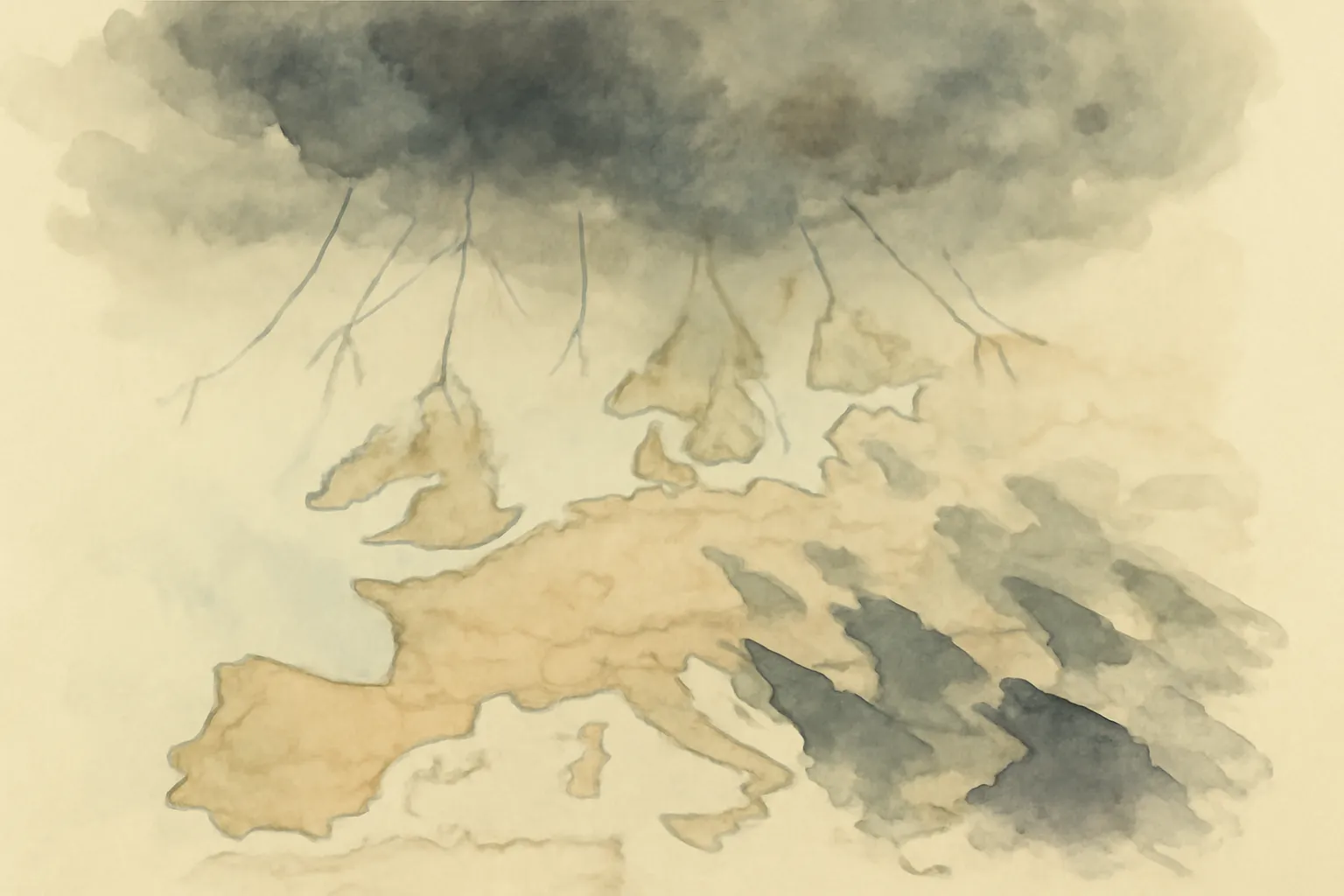
Tuchman demonstrates that the peace of prewar Europe was precarious, balanced on a web of alliances, rivalries, and mutual suspicions. The continent’s leaders, lulled by decades without major war, underestimated the consequences of their actions. The book shows how the very systems designed to maintain peace—such as the alliance networks—made the outbreak of war more likely, as one misstep could trigger a chain reaction. This fragility is a cautionary tale about the dangers of complacency and overconfidence in international affairs.
2.The Tyranny of War Plans
A central theme is how rigid military planning—especially Germany’s Schlieffen Plan—locked nations into courses of action from which they could not easily deviate. Tuchman details how the mobilization timetables and logistical preparations became self-fulfilling prophecies; once set in motion, they left little room for diplomacy or reconsideration. The generals’ faith in their plans blinded them to changing realities, illustrating the peril when strategy becomes dogma rather than guidance.
3.Leadership and Personality
Tuchman brings to life the key figures—Kaiser Wilhelm II, French General Joffre, British Admiral Jellicoe, and others—showing how their personalities, prejudices, and personal rivalries shaped events. The book argues that history is not just the product of impersonal forces but is often determined by the quirks and flaws of its leaders. Miscommunication, ego, and stubbornness among Europe’s elite played a decisive role in the rush to war.
4.The Illusion of Short War
Virtually all the powers believed the conflict would be brief and decisive. Tuchman exposes how this widespread illusion led to reckless gambles and strategic overreach. The expectation of a quick victory contributed to the willingness to escalate, while the reality—trench warfare, stalemate, and mass casualties—shattered those illusions within weeks. The book serves as a warning against underestimating the complexity and unpredictability of war.
5.The Fate of Nations Hinges on the First Moves
The narrative centers on the critical first month of the war, showing how initial decisions—such as Germany’s invasion of Belgium and France’s offensive into Alsace—set the tone for years of conflict. Tuchman argues that the momentum and consequences of these early actions made later course corrections nearly impossible, trapping Europe in a war of attrition. The book highlights how the opening moves in any conflict can have disproportionate, long-lasting effects.
6.The Power of Narrative History
Tuchman’s storytelling approach is itself a key idea: she demonstrates that history can be both analytical and vivid, combining rigorous research with compelling narrative. By weaving together diplomatic cables, personal diaries, and battlefield reports, she makes the complexity of the past accessible and immediate. This method underscores the importance of understanding history not just as a series of events, but as a human drama.