1.The 14th Century as a Mirror for Modern Times
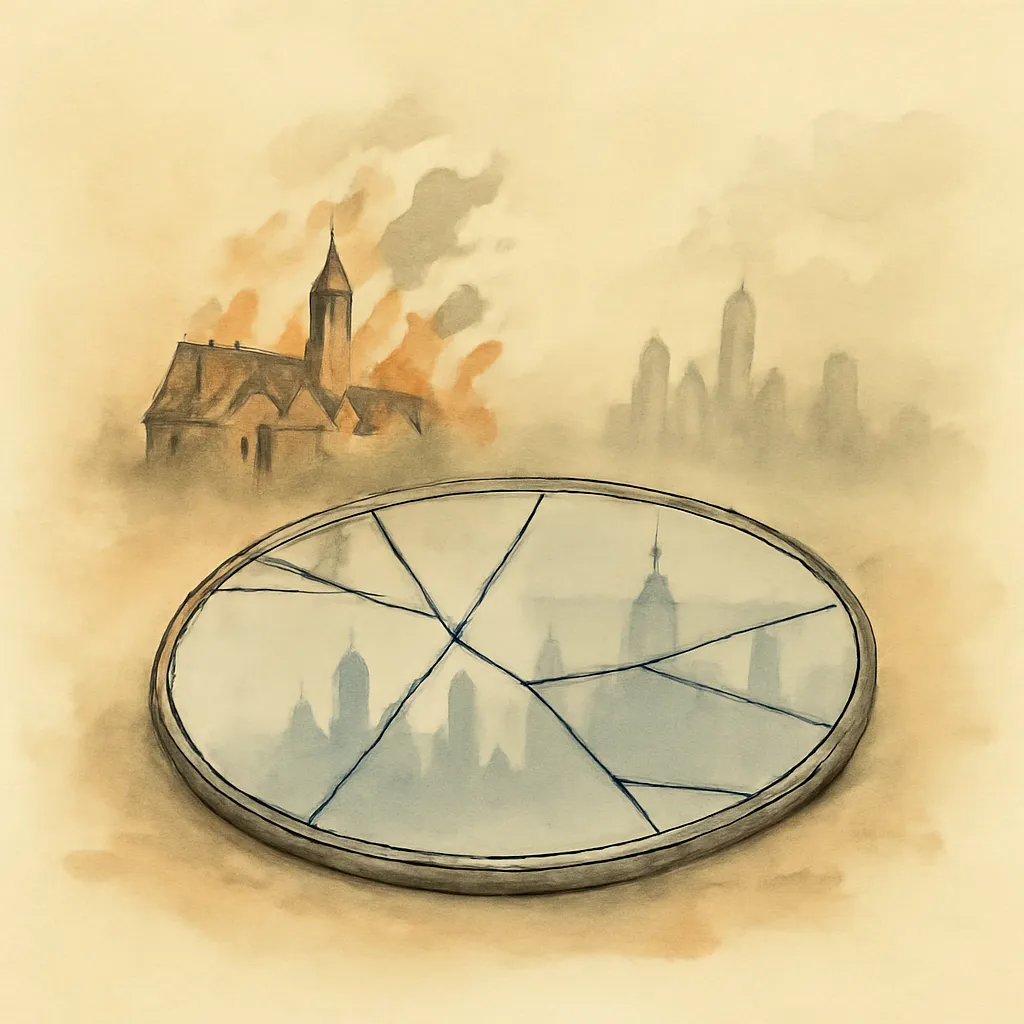
Tuchman frames the 14th century as a 'distant mirror' for the 20th (and by extension, our own) era, emphasizing recurring themes of war, social upheaval, and leadership failure. By drawing parallels between the crises of the Middle Ages and those of her own time, she invites readers to reflect on the cyclical nature of human history and the persistent vulnerabilities of societies under stress.
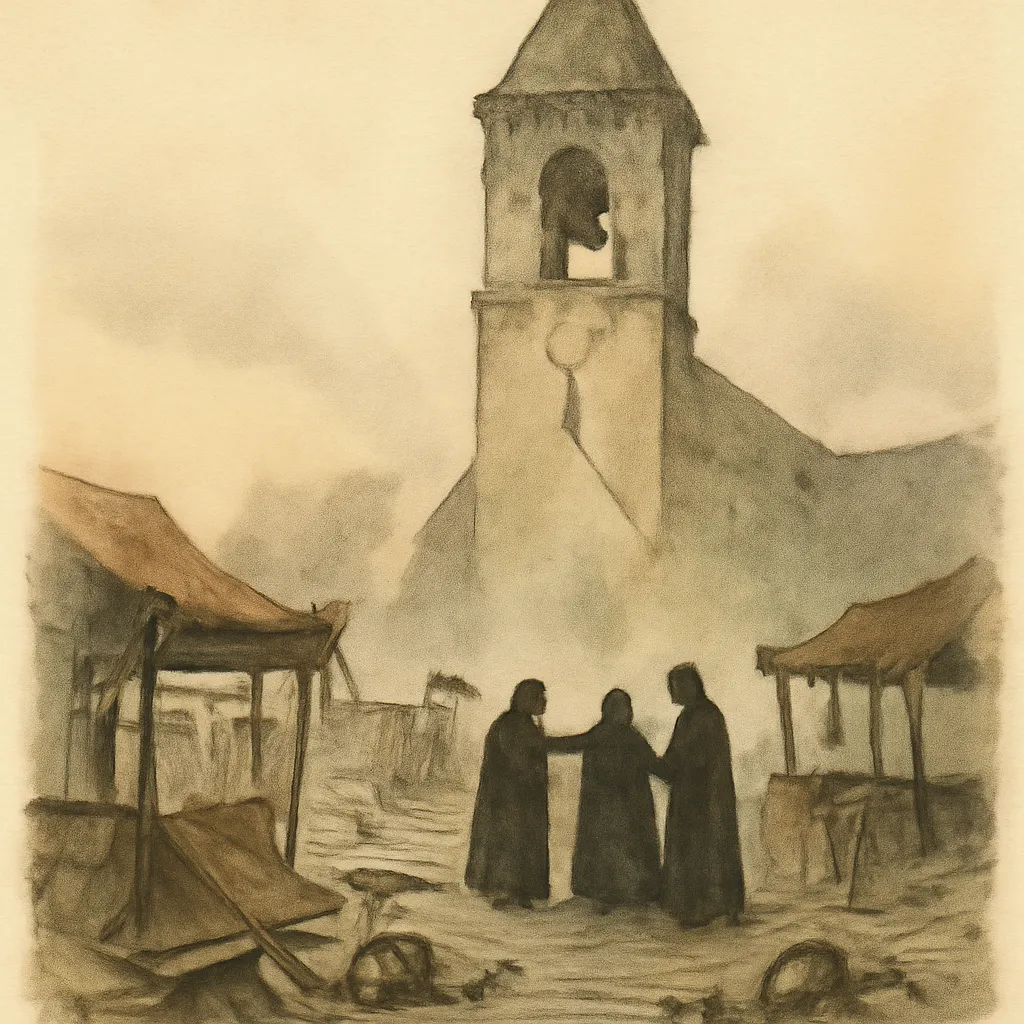
2.The Catastrophic Impact of the Black Death
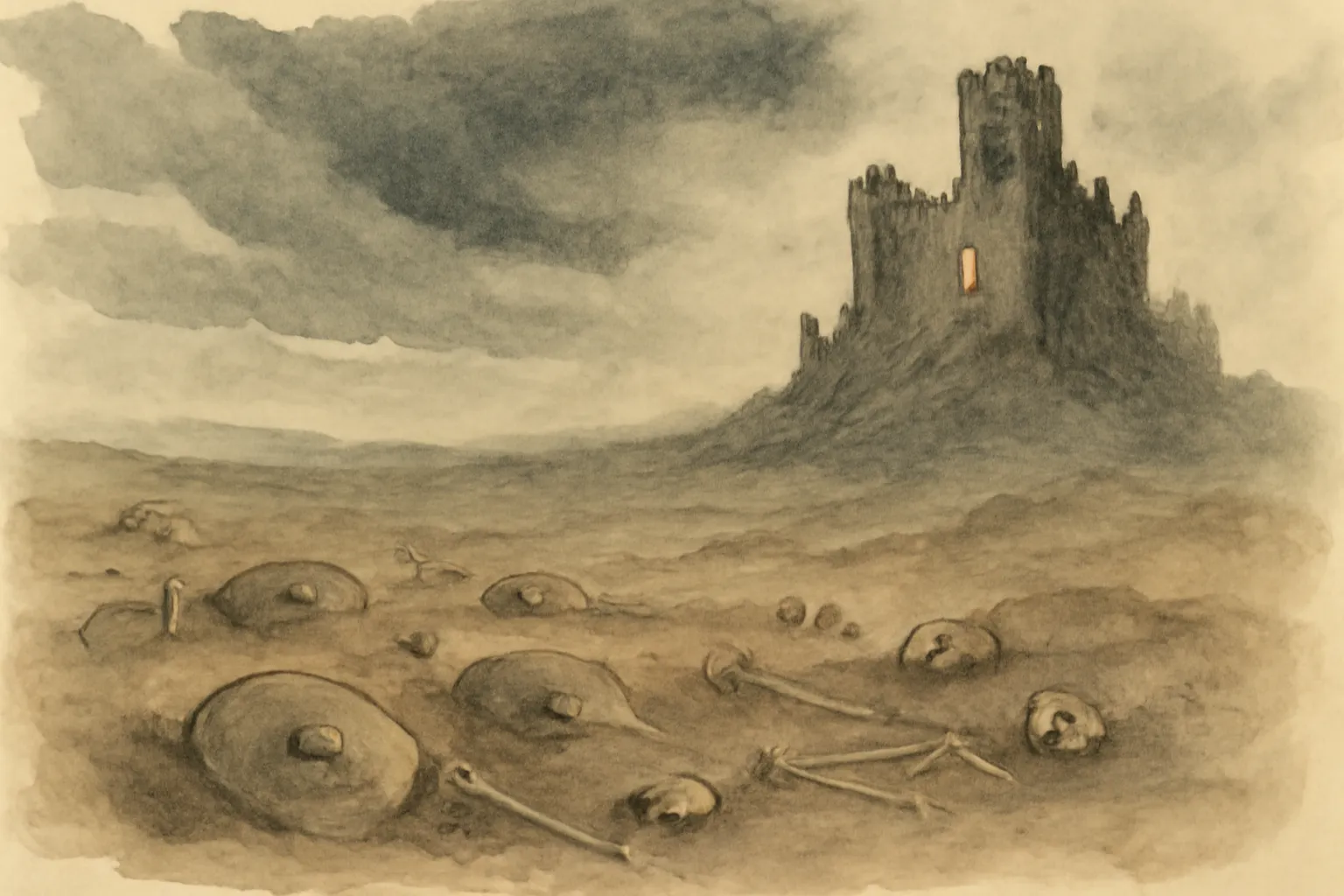
The arrival of the plague was a seismic event, wiping out a third of Europe's population and upending every aspect of life. Tuchman details not only the horror and suffering but also the social and economic consequences: labor shortages, rising wages for peasants, and a shaken faith in established authorities. The plague serves as both a literal and metaphorical agent of transformation, accelerating changes already underway.
3.The Hundred Years’ War and the Ravages of Prolonged Conflict
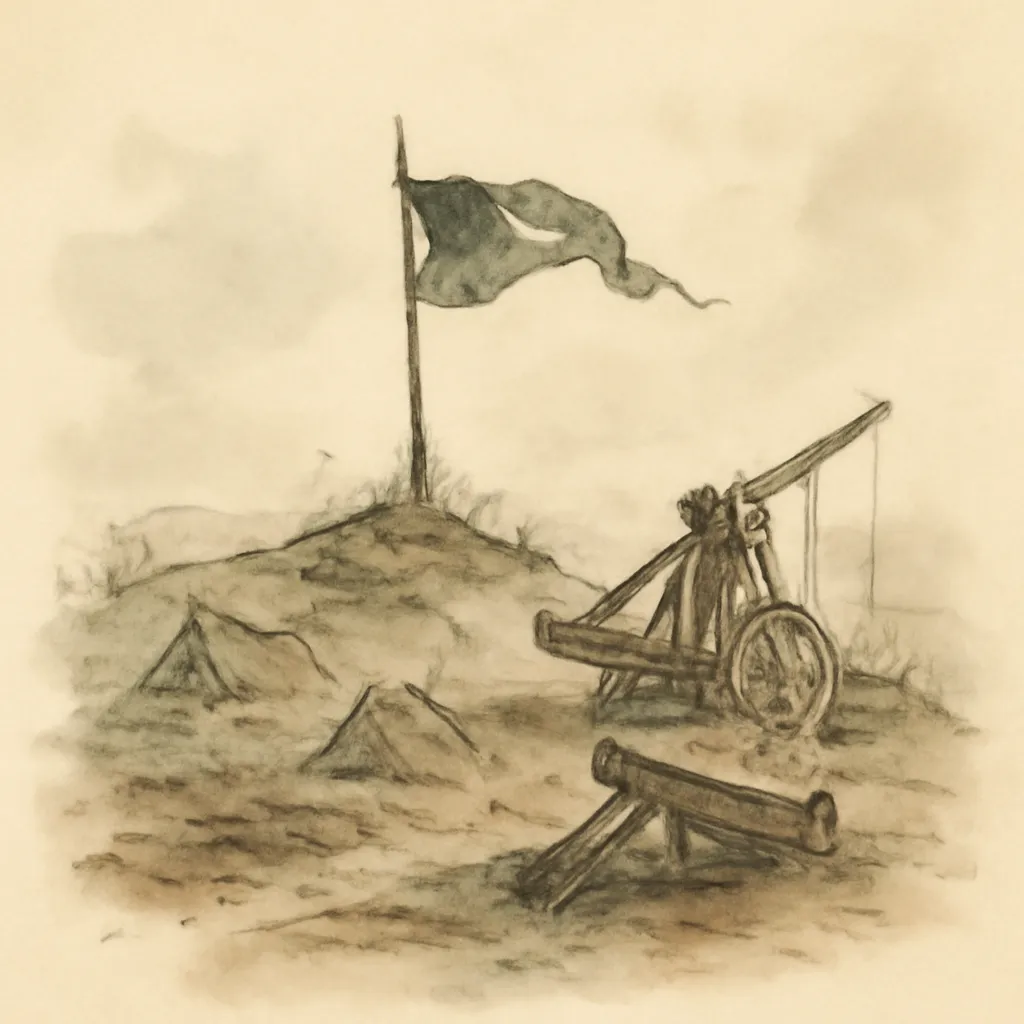
Tuchman uses the Hundred Years’ War as a central thread, exploring its devastating effects on both the nobility and the common people. The war was marked by shifting alliances, senseless violence, and the rise of mercenary armies, all of which contributed to a sense of instability and cynicism about leadership. The narrative exposes how protracted conflict can erode social structures and breed widespread disillusionment.
4.The Collapse of Medieval Institutions
This era saw the weakening of the Catholic Church’s authority, with schisms, corruption, and the rise of heretical movements undermining its influence. Tuchman illustrates how the failure of both secular and religious institutions to provide stability or moral guidance led to a crisis of confidence, setting the stage for later reforms and revolutions.
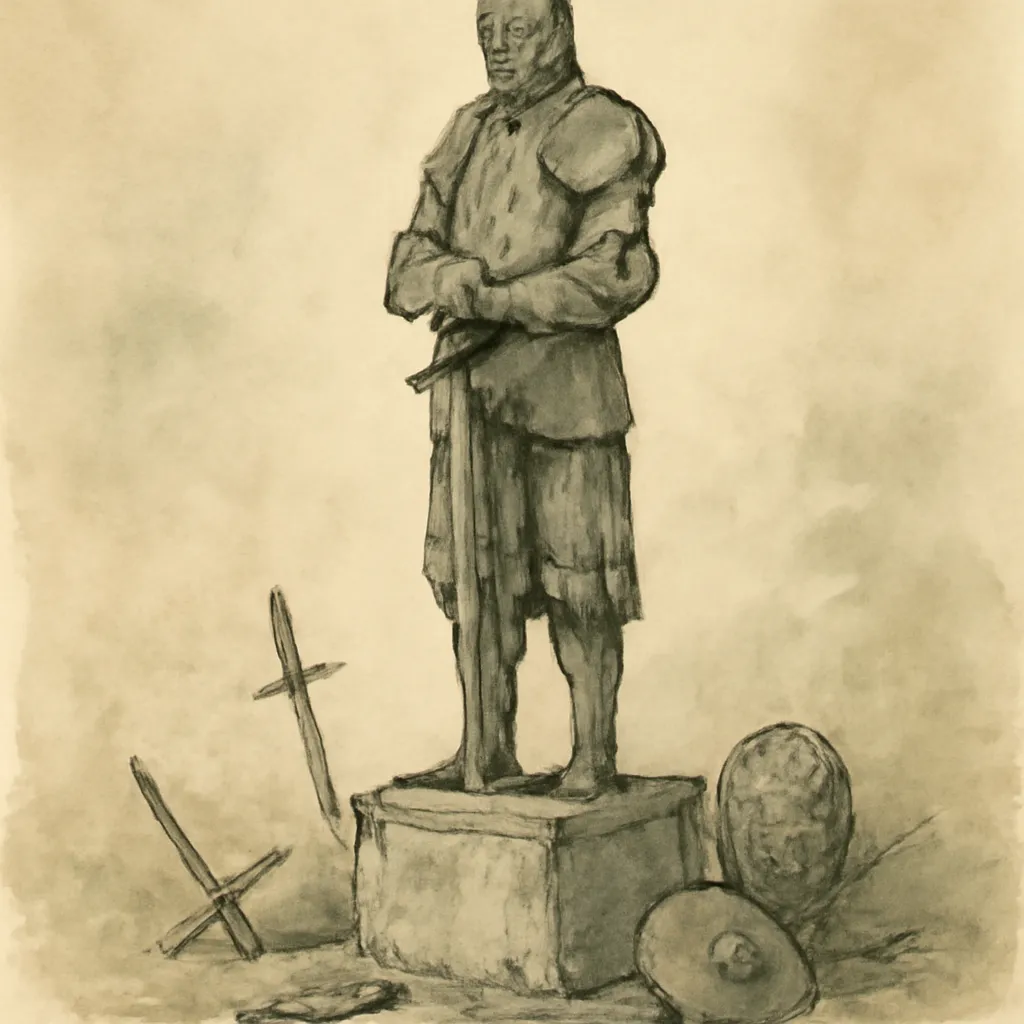
5.The Life and Times of Enguerrand de Coucy
By centering her narrative on the French nobleman Enguerrand de Coucy, Tuchman personalizes the grand sweep of history. De Coucy’s life—marked by privilege, power, and ultimate vulnerability—serves as a microcosm of the era’s contradictions: chivalric ideals clashing with brutal realities, and individual ambition set against the backdrop of uncontrollable historical forces.
6.The Endurance of Human Folly and Resilience
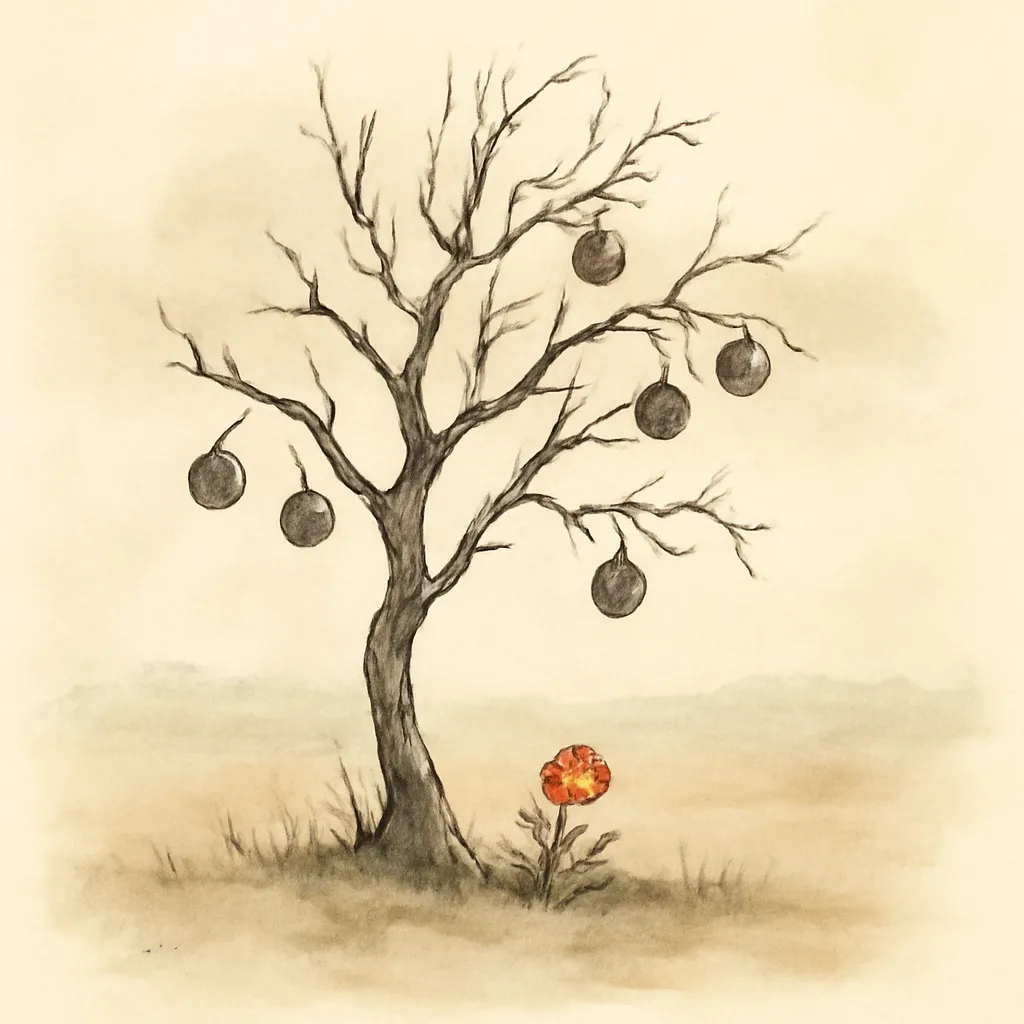
A recurring theme is the persistence of human folly—leaders who repeat mistakes, societies slow to adapt, and the suffering that ensues. Yet Tuchman also highlights resilience: the capacity of individuals and communities to survive, adapt, and even find meaning amid disaster. This duality gives the book its lasting relevance.