1.The Limits and Power of Human Endurance
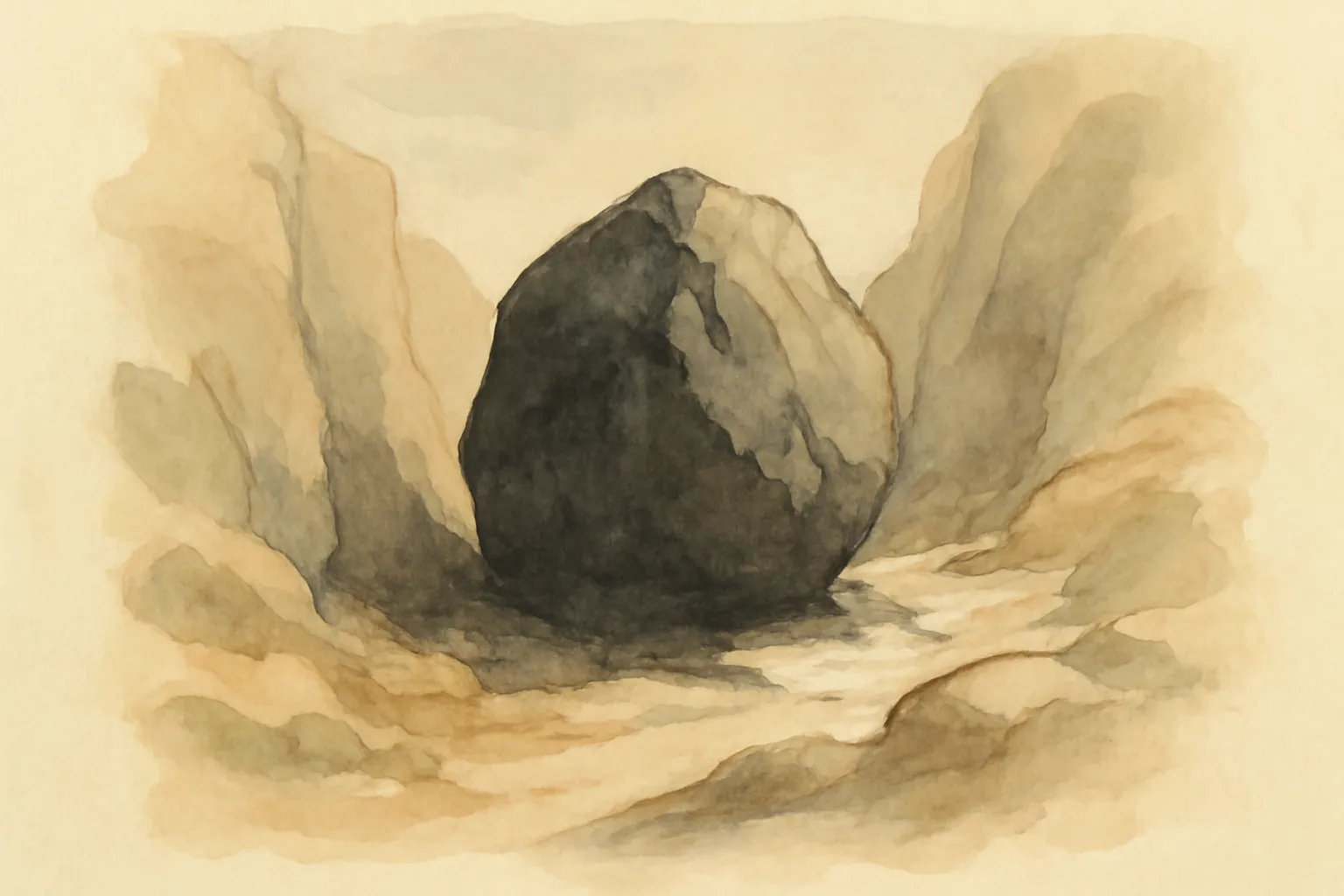
Ralston’s ordeal pushes the boundaries of physical and psychological endurance. Trapped for six days with minimal supplies, he confronts starvation, dehydration, and hallucinations. The narrative details both the body’s vulnerabilities and its surprising resilience, highlighting how survival is as much about mental fortitude as physical strength. Ralston’s experience underscores the idea that the will to live can drive people to astonishing feats, even when all options seem exhausted.
2.Isolation and Self-Reliance
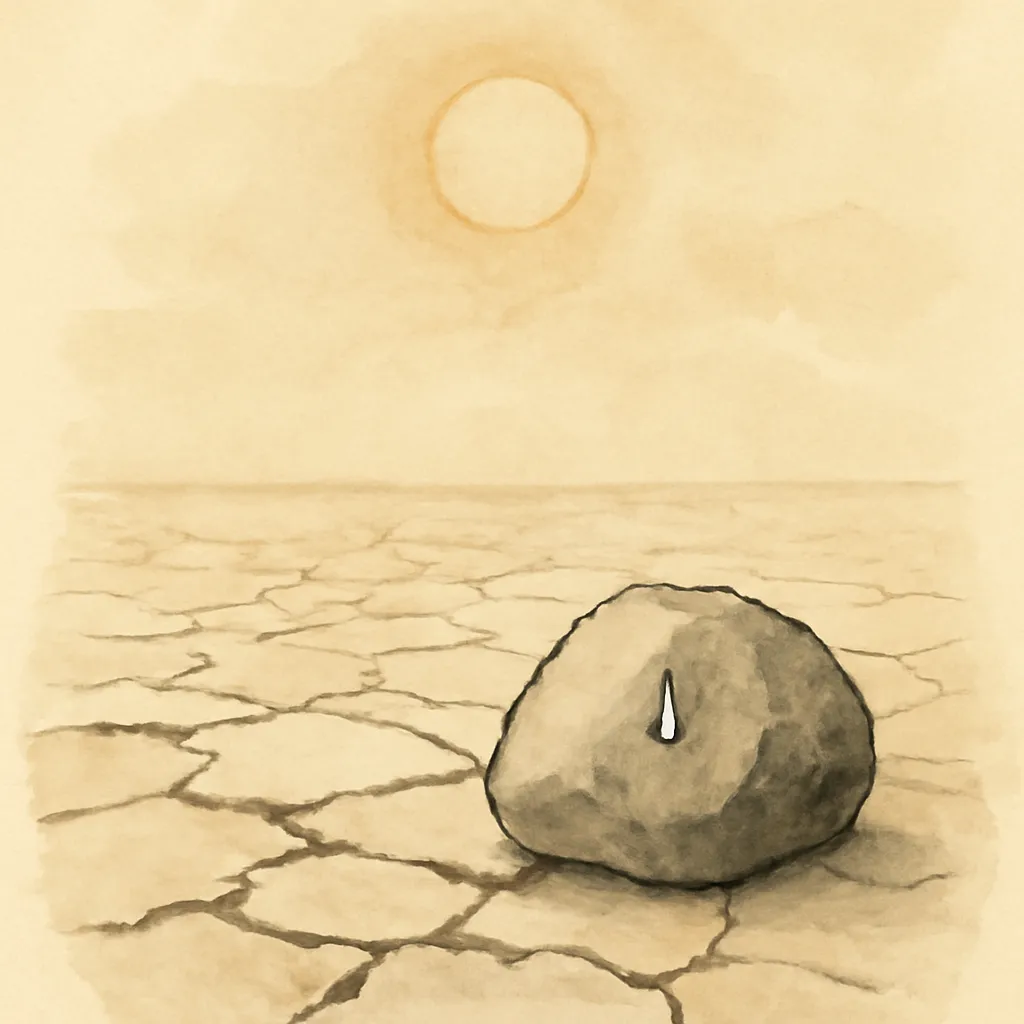
The book explores the consequences of isolation, both literal and emotional. Ralston’s decision not to tell anyone his hiking plans becomes a central regret, emphasizing the importance of connection and communication. Yet, his isolation also forces him to rely entirely on his own ingenuity and resourcefulness. The story becomes a meditation on what it means to be truly alone, and how self-reliance can be both empowering and perilous.
3.Decision-Making Under Extreme Pressure
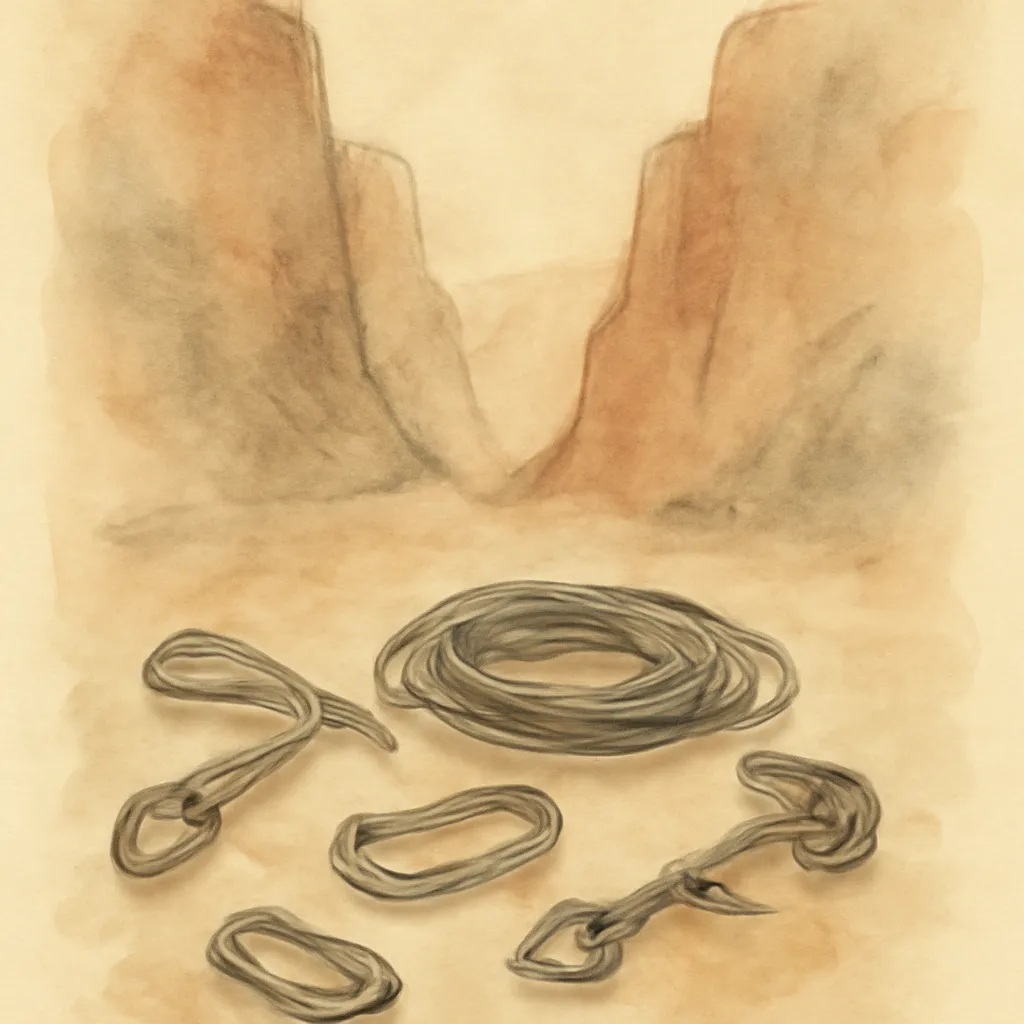
Ralston’s predicament is a study in decision-making when every choice carries life-or-death stakes. He methodically considers and attempts every possible escape, documenting his thought processes with raw honesty. The book reveals how, under extreme stress, clarity can emerge—sometimes leading to radical, even shocking, solutions. Ralston’s ultimate decision is not just about survival, but about taking responsibility for his fate.
4.Reflection, Regret, and Transformation
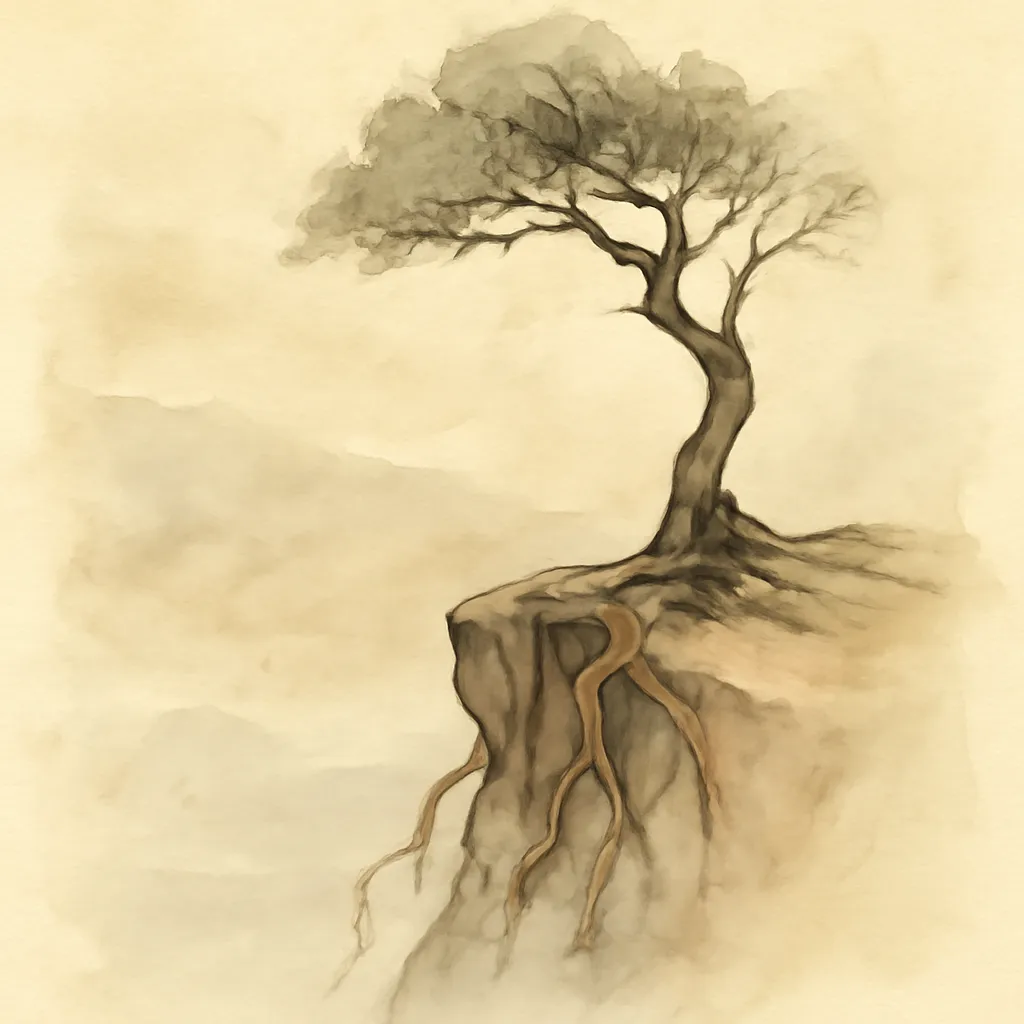
As he faces death, Ralston reflects on his life, relationships, and the choices that led him to the canyon. These introspections lend the memoir emotional depth, transforming it from a mere survival tale into a journey of self-discovery. The experience becomes a catalyst for personal change, prompting Ralston—and the reader—to reconsider what truly matters in life.
5.The Role of Nature: Beauty and Indifference
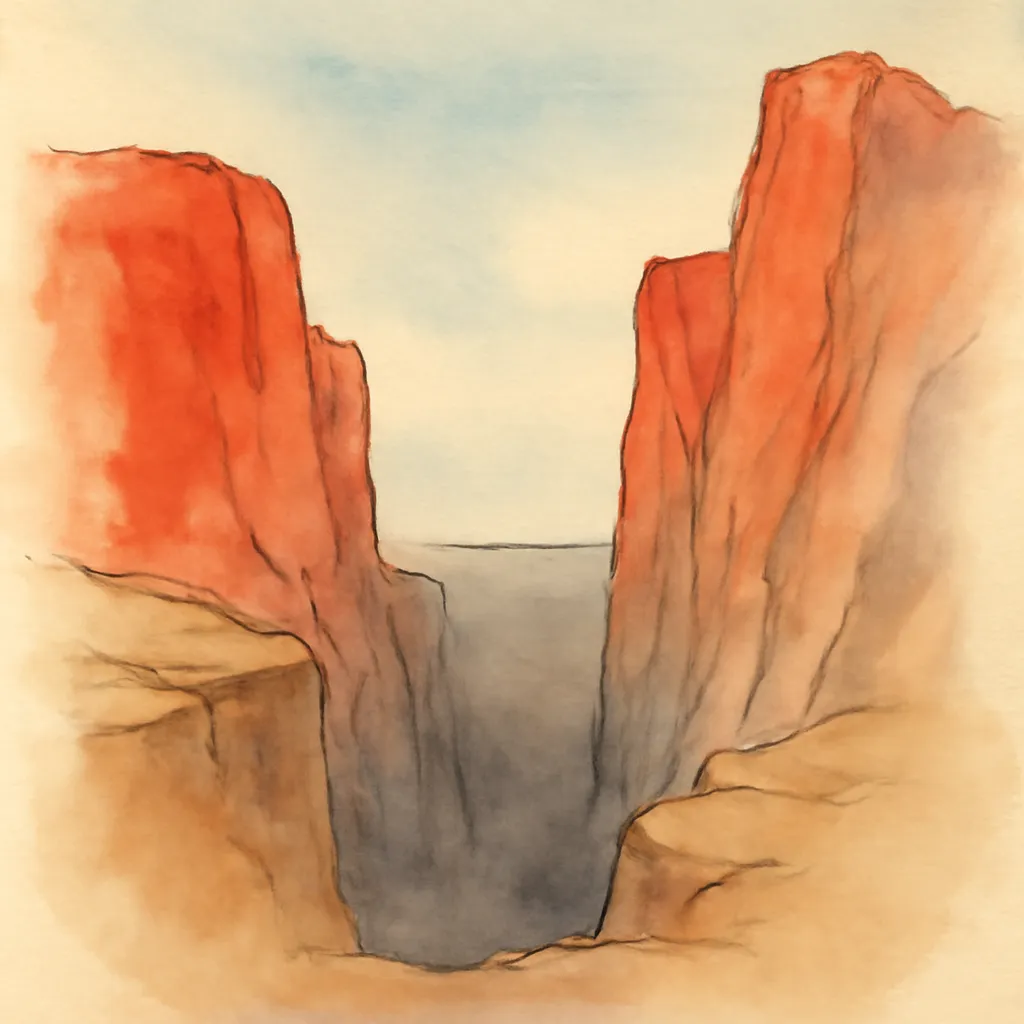
Ralston’s love for the wilderness is palpable, but his ordeal exposes nature’s indifference to human struggle. The canyon’s beauty is juxtaposed with its unforgiving dangers. The book invites readers to appreciate the awe-inspiring power of wild places while respecting their unpredictability and risk.
6.Risk, Adventure, and the Human Drive
Ralston’s story is also about why people seek adventure despite the risks. He examines his own motivations for solo exploration, acknowledging both the exhilaration and the recklessness involved. The memoir challenges readers to consider the balance between pursuing passion and respecting limits.