

Beyond Good and Evil by Friedrich Nietzsche — Summary, Key Ideas & Quotes
2013160 pages✦ 3-min Big ideas
Rate it
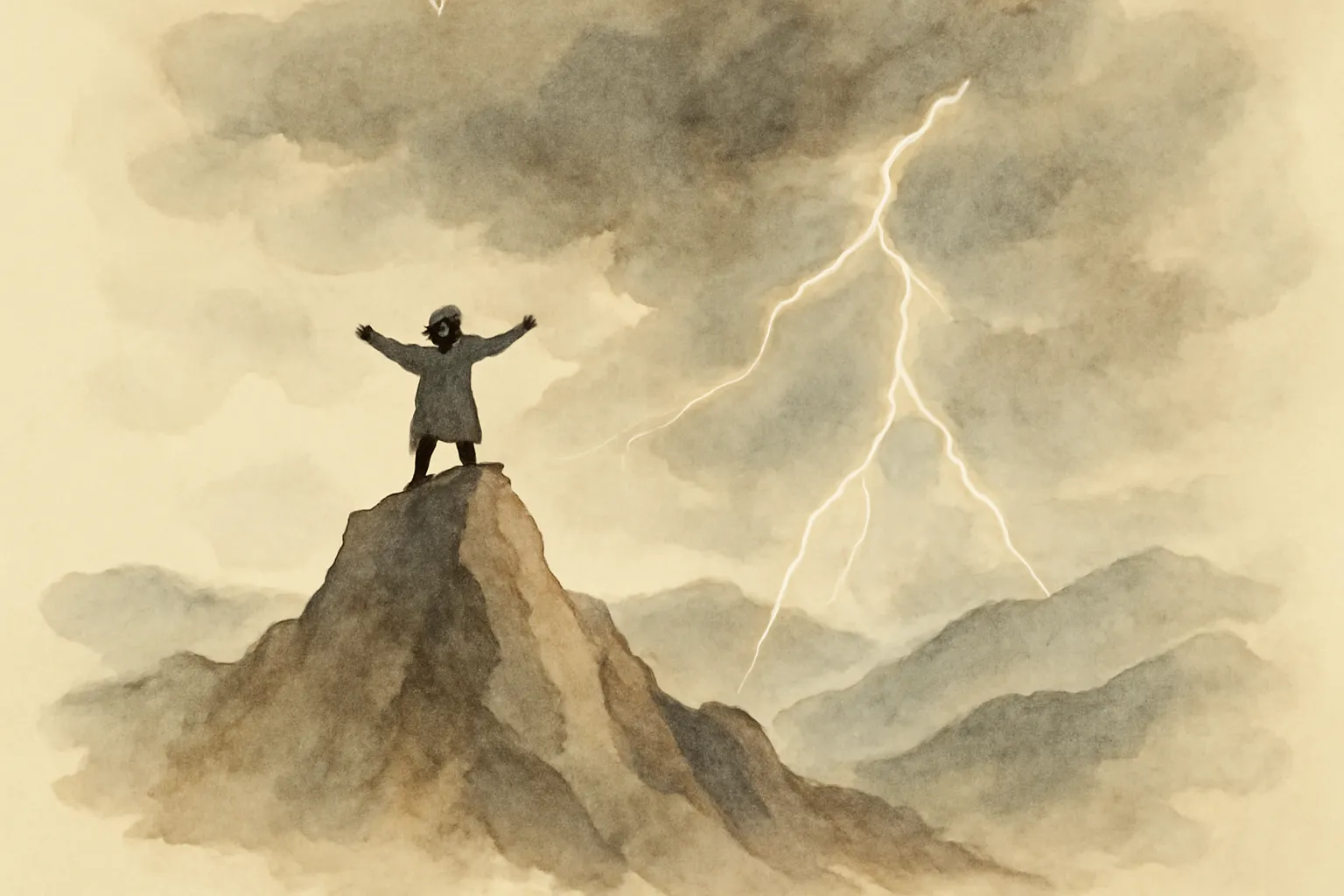
Nietzsche argues that conventional morality—rooted in religious and philosophical traditions—rests on unexamined assumptions. He claims that labeling actions as simply 'good' or 'evil' is simplistic and fails to capture the complexity of human motives and values. Instead, he urges a re-evaluation of morals, encouraging readers to look beyond inherited dichotomies and to recognize how moral systems serve particular interests and power structures.
A central concept in Nietzsche’s thought, the 'will to power' refers to the fundamental drive underlying human behavior. Rather than seeing people as motivated by a search for truth or by moral imperatives, Nietzsche suggests that individuals and cultures are driven by a desire to assert and enhance their own power. This idea challenges the notion of objective morality and reframes human striving as creative, dynamic, and often self-interested.
“He who fights with monsters should look to it that he himself does not become a monster.”
“And if you gaze long into an abyss, the abyss also gazes into you.”
“What is done out of love always takes place beyond good and evil.”
“Madness is rare in individuals - but in groups, parties, nations, and ages it is the rule.”
