1.Critique of Traditional Morality
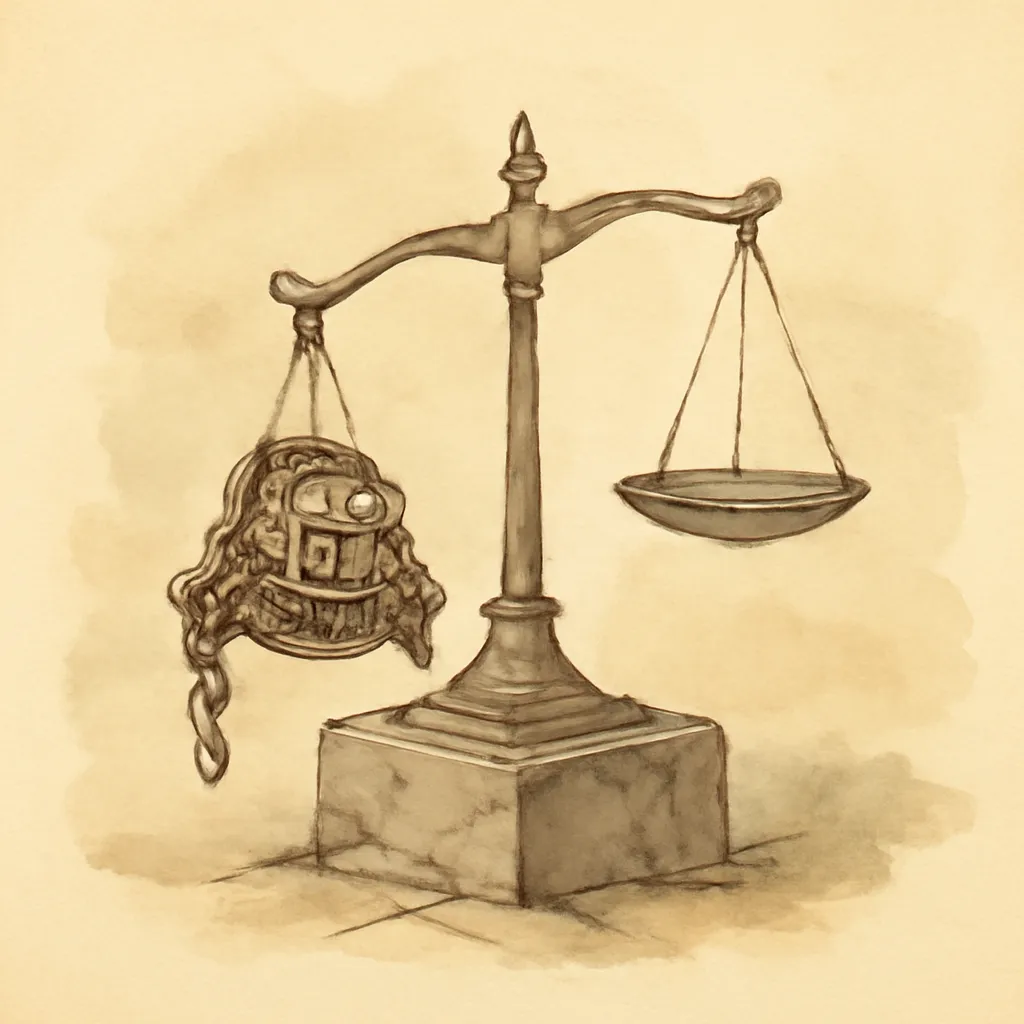
Nietzsche argues that conventional morality—rooted in religious and philosophical traditions—rests on unexamined assumptions. He claims that labeling actions as simply 'good' or 'evil' is simplistic and fails to capture the complexity of human motives and values. Instead, he urges a re-evaluation of morals, encouraging readers to look beyond inherited dichotomies and to recognize how moral systems serve particular interests and power structures.
2.Will to Power
A central concept in Nietzsche’s thought, the 'will to power' refers to the fundamental drive underlying human behavior. Rather than seeing people as motivated by a search for truth or by moral imperatives, Nietzsche suggests that individuals and cultures are driven by a desire to assert and enhance their own power. This idea challenges the notion of objective morality and reframes human striving as creative, dynamic, and often self-interested.
3.Perspectivism
Nietzsche introduces the idea that all knowledge and truth are shaped by perspective. He rejects the possibility of absolute, objective truth, arguing instead that every viewpoint is influenced by the observer’s background, instincts, and interests. This radical skepticism undermines the authority of traditional philosophy and opens the door to a more pluralistic and critical approach to understanding the world.
4.The Critique of Philosophers
Nietzsche is famously unsparing in his criticism of other philosophers. He accuses them of disguising personal prejudices as universal truths and of lacking the courage to confront uncomfortable realities. By exposing the psychological motives behind philosophical systems, Nietzsche aims to liberate philosophy from dogmatism and to foster more honest, life-affirming inquiry.
5.The Free Spirit
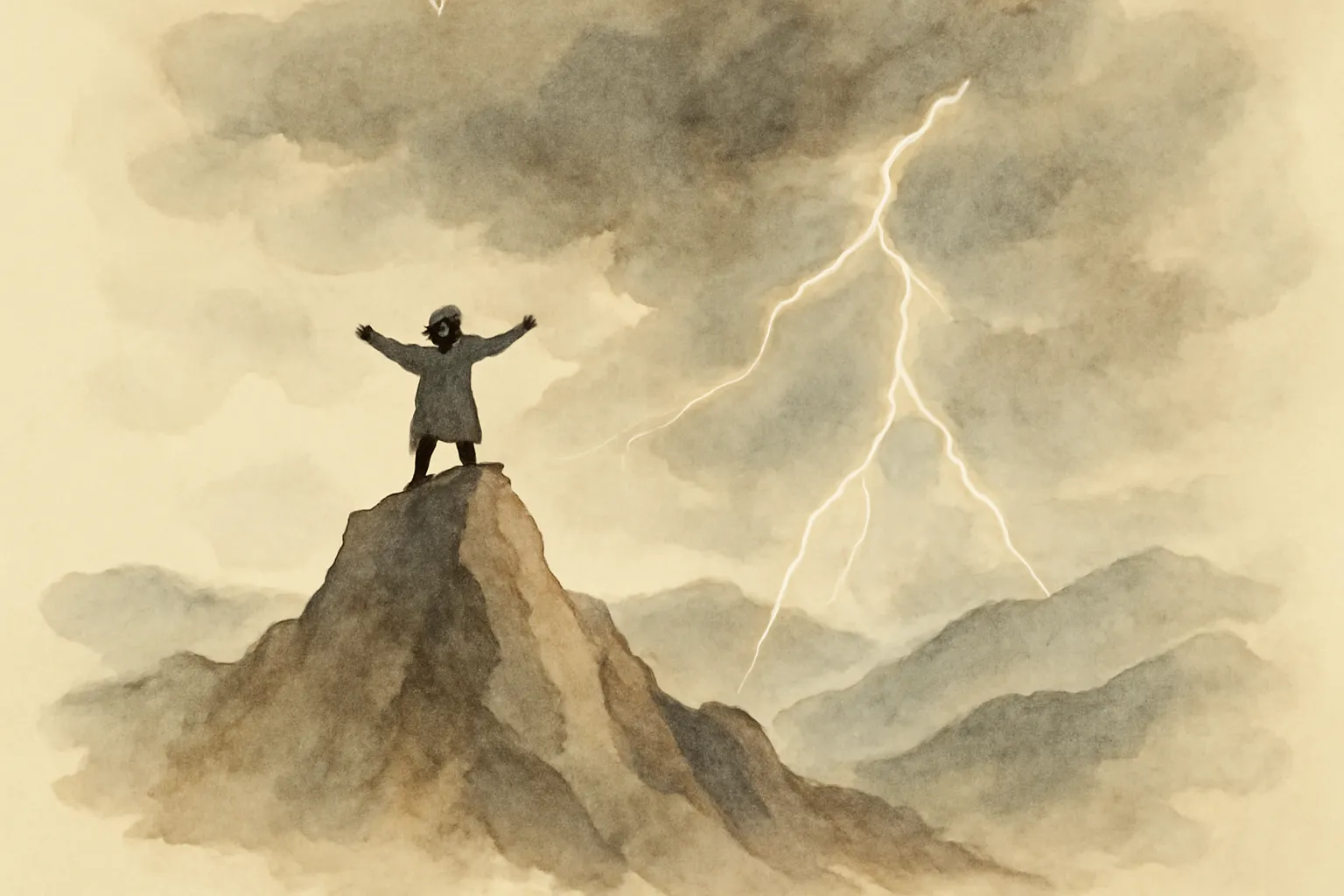
Nietzsche champions the ideal of the 'free spirit'—an individual who questions conventions, thinks independently, and is unafraid of uncertainty. For Nietzsche, the free spirit is a rare figure, willing to embrace complexity and ambiguity rather than cling to comforting certainties. This ideal serves as both a critique of herd mentality and an inspiration for readers seeking intellectual autonomy.
6.Beyond Good and Evil
The book’s title encapsulates Nietzsche’s call to transcend binary moral judgments. He argues that true creativity and greatness arise when individuals move beyond conventional notions of good and evil, forging their own values and ways of life. This theme is both liberating and unsettling, as it demands personal responsibility and the courage to face the unknown.