Philosophy
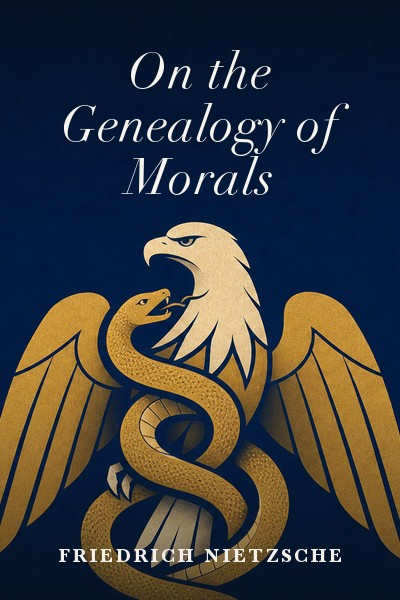
On the Genealogy of Morals by Friedrich Nietzsche — Summary, Key Ideas & Full Text
172 pages4 chapters3h 27m read2h 27m speed read✦ 7-min Big ideas★ 4.5 (2)Free · no account
Rate it
Understanding the roots of morality reveals the complexities of human nature and the paradoxes of existence
Friedrich Nietzsche's 'On the Genealogy of Morals' delves into the origins and evolution of moral values, challenging the conventional notions of good and evil. Through a rigorous exploration of our moral prejudices, Nietzsche uncovers the motivations behind our ethical frameworks and critiques the impact of societal norms on individual identity. The book invites readers to reconsider their understanding of morality by examining its historical context and psychological underpinnings. By dissecting concepts like guilt, bad conscience, and ascetic ideals, Nietzsche offers profound insights into the human condition, ultimately urging a re-evaluation of what it means to live authentically. This exploration not only enriches our philosophical perspectives but also empowers us to confront the often uncomfortable realities of our moral beliefs.
Friedrich Nietzsche's 'On the Genealogy of Morals' provides a profound exploration of the origins and implications of our moral values, challenging readers to confront uncomfortable truths about themselves and society. By dissecting concepts such as guilt, bad conscience, and ascetic ideals, Nietzsche reveals the complexities of human nature and the often contradictory motivations behind our ethical frameworks. This exploration not only encourages a critical examination of deeply held beliefs but also empowers individuals to seek authenticity in their lives. Ultimately, Nietzsche's work serves as a catalyst for self-reflection, urging us to embrace our instincts and strive for self-overcoming in the pursuit of a richer, more meaningful existence.
“Each one is the farthest away from himself.”
“What has in point of fact just struck?”
“The breeding of an animal that can promise—is not this just that very paradox of a task which nature has set itself in regard to man?”
Friedrich Nietzsche has 3 works free to read on Lumina, including Beyond Good and Evil, Thus Spoke Zarathustra
All 3 books by Friedrich Nietzsche →