1.The Quest for Self-Knowledge
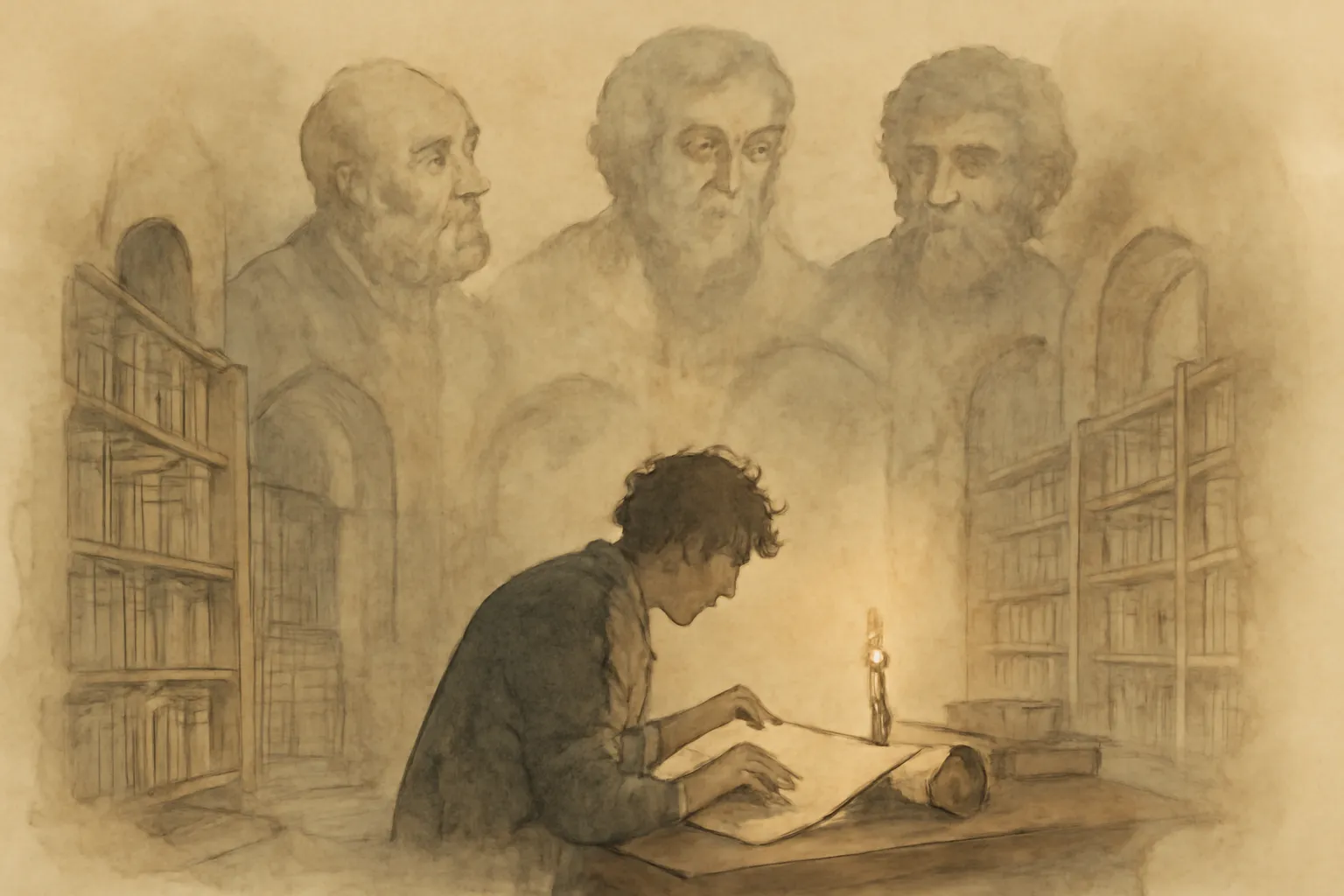
Nietzsche starts by emphasizing the profound disconnect between individuals and their understanding of themselves. He suggests that most people have never truly searched for their essence, leading to a perpetual state of confusion regarding their identities. This lack of self-awareness is likened to a person waking from a deep distraction, suddenly questioning the meaning of their experiences. Nietzsche argues that the quest for knowledge and understanding is akin to gathering honey for the hive, yet many remain unaware of their own inner lives. This metaphor illustrates the importance of self-exploration and the challenge of achieving true self-knowledge amidst societal distractions.
2.The Origin of Moral Values
Nietzsche critiques the English psychologists for their attempts to trace the origins of morality, suggesting that their findings often reveal uncomfortable truths about human nature. He highlights the tendency to focus on the less noble aspects of humanity, such as habit and instinct, rather than acknowledging the complex motivations behind moral judgments. This exploration of morality's roots leads to a deeper understanding of how societal norms shape individual beliefs. Nietzsche's approach encourages readers to question the foundations of their moral values and recognize that many of these beliefs are historically contingent rather than absolute.
3.Good vs. Evil: A Historical Perspective
In the first essay, Nietzsche discusses the distinction between 'good and evil' and 'good and bad,' revealing how these terms have evolved over time. He explains that the noble class originally defined 'good' as a trait of the powerful and aristocratic, while 'bad' was associated with the weak and subjugated. However, the rise of the oppressed led to a revaluation of these terms, where 'good' became synonymous with meekness and humility, and 'evil' was attributed to the powerful. This inversion of values highlights the dynamic nature of morality and the influence of social power structures on moral definitions. Nietzsche's analysis encourages readers to critically assess how power dynamics shape moral discourse.
4.The Role of Guilt and Bad Conscience
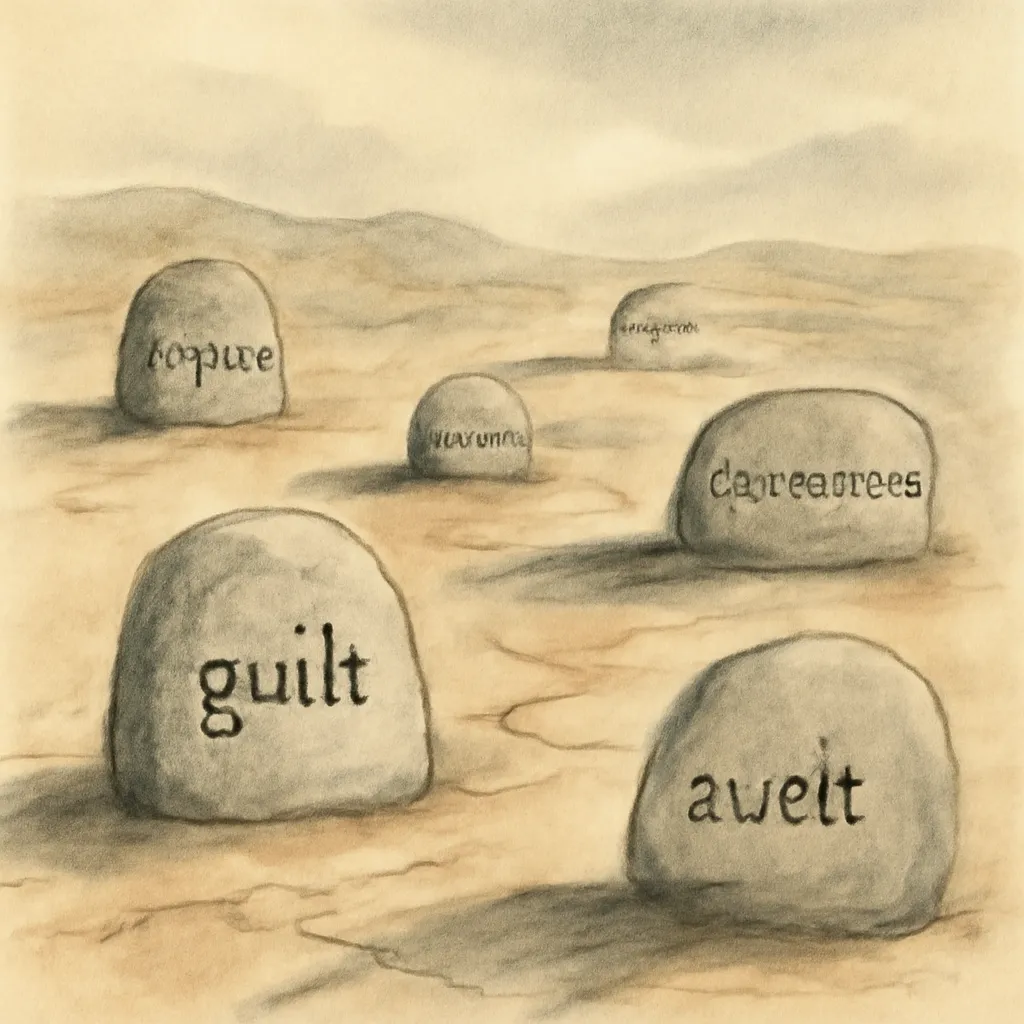
Nietzsche delves into the concepts of guilt and bad conscience in the second essay, positing that these feelings are products of societal conditioning rather than inherent human traits. He argues that the development of a 'promise' in humans is a significant achievement, yet it is accompanied by the burden of memory and obligation. Guilt arises from the conflict between the instinctual desires of individuals and the expectations imposed by society. This internal struggle leads to the 'bad conscience,' a form of self-punishment resulting from failed adherence to societal norms. Nietzsche suggests that understanding the origins of guilt can liberate individuals from self-imposed constraints, allowing for a more authentic existence.
5.The Function of Forgetfulness
Forgetfulness plays a crucial role in Nietzsche's exploration of memory and consciousness. He posits that forgetfulness is not merely a passive state but an active force that enables individuals to navigate life without being overwhelmed by past experiences. This 'power of obstruction' allows for a psychic order and the ability to focus on the present. Nietzsche argues that happiness and hope are contingent upon the ability to forget, as clinging to past failures can hinder personal growth. The interplay between memory and forgetfulness highlights the complexities of human psychology and the necessity of balancing both for a fulfilling life.
6.Ascetic Ideals and Their Implications
In the third essay, Nietzsche examines the ascetic ideals that have permeated various aspects of human life, including art, philosophy, and religion. He argues that these ideals often represent a rejection of life and vitality, favoring instead a pursuit of denial and self-restraint. Asceticism, while providing a sense of purpose for some, ultimately reveals a fundamental horror of emptiness within humanity. Nietzsche contends that the ascetic ideal reflects a deep-seated need for meaning, leading individuals to prefer nothingness over the chaos of existence. This critique invites readers to confront the implications of asceticism and to question whether such ideals enhance or diminish the richness of life.
7.The Paradox of the Ascetic Artist
Nietzsche presents the case of artists like Richard Wagner, who later in life embraced ascetic ideals, as a paradoxical shift that contradicts their earlier creative expressions. This transformation raises questions about the motivations behind such a change and its implications for artistic integrity. Wagner's turn towards chastity and restraint suggests a struggle between the desire for artistic freedom and the pressures of societal expectations. Nietzsche uses this example to illustrate the broader conflict between individual creativity and the constraints imposed by moral norms, emphasizing that artists must navigate these tensions to maintain authenticity.
8.The Need for Meaning in Life
A central theme in Nietzsche's work is the human desire for meaning and purpose. He posits that individuals are driven to find goals, even if those goals lead to nihilistic outcomes. This need for a guiding principle often leads to the embrace of asceticism as a means of coping with existential dread. Nietzsche argues that the will to power, the fundamental drive behind human actions, compels individuals to seek out meaning, even in the face of nothingness. This insight reveals the complexity of human motivation and the lengths to which individuals will go to create a sense of significance in their lives.
9.Critique of Christian Morality
Nietzsche's critique of Christian morality is a recurring theme throughout 'On the Genealogy of Morals.' He argues that Christianity promotes a morality that suppresses natural instincts and values weakness over strength. This moral framework, according to Nietzsche, leads to a denial of life and vitality, as it encourages individuals to reject their desires and embrace guilt and self-sacrifice. By dissecting the origins of Christian moral values, Nietzsche invites readers to question the validity of these beliefs and consider alternative frameworks that celebrate human potential and creativity. This critique challenges the status quo and encourages a re-evaluation of deeply held moral convictions.
10.The Importance of Self-Overcoming
Nietzsche emphasizes the concept of self-overcoming as a vital aspect of personal growth and development. He advocates for individuals to confront their limitations and strive for excellence, rather than succumbing to societal pressures or moral constraints. This process of self-overcoming involves embracing one's instincts and desires while simultaneously transcending them to achieve higher states of being. Nietzsche argues that this dynamic tension between instinct and refinement is essential for cultivating a robust and authentic life. By encouraging readers to engage in self-overcoming, Nietzsche provides a pathway to liberation from restrictive moral frameworks and a means to achieve true individuality.