

Discrimination · Prejudices · Psychological aspects
Blindspot: Hidden Biases of Good People by Mahzarin R. Banaji and Anthony G. Greenwald — Summary, Key Ideas & Quotes
2013263 pages✦ 3-min Big ideas★ 4.3 (3)
Rate it
In this accessible and groundbreaking look at the science of prejudice, Banaji and Greenwald show that prejudice and unconscious biases toward others are a fundamental part of the human psyche.
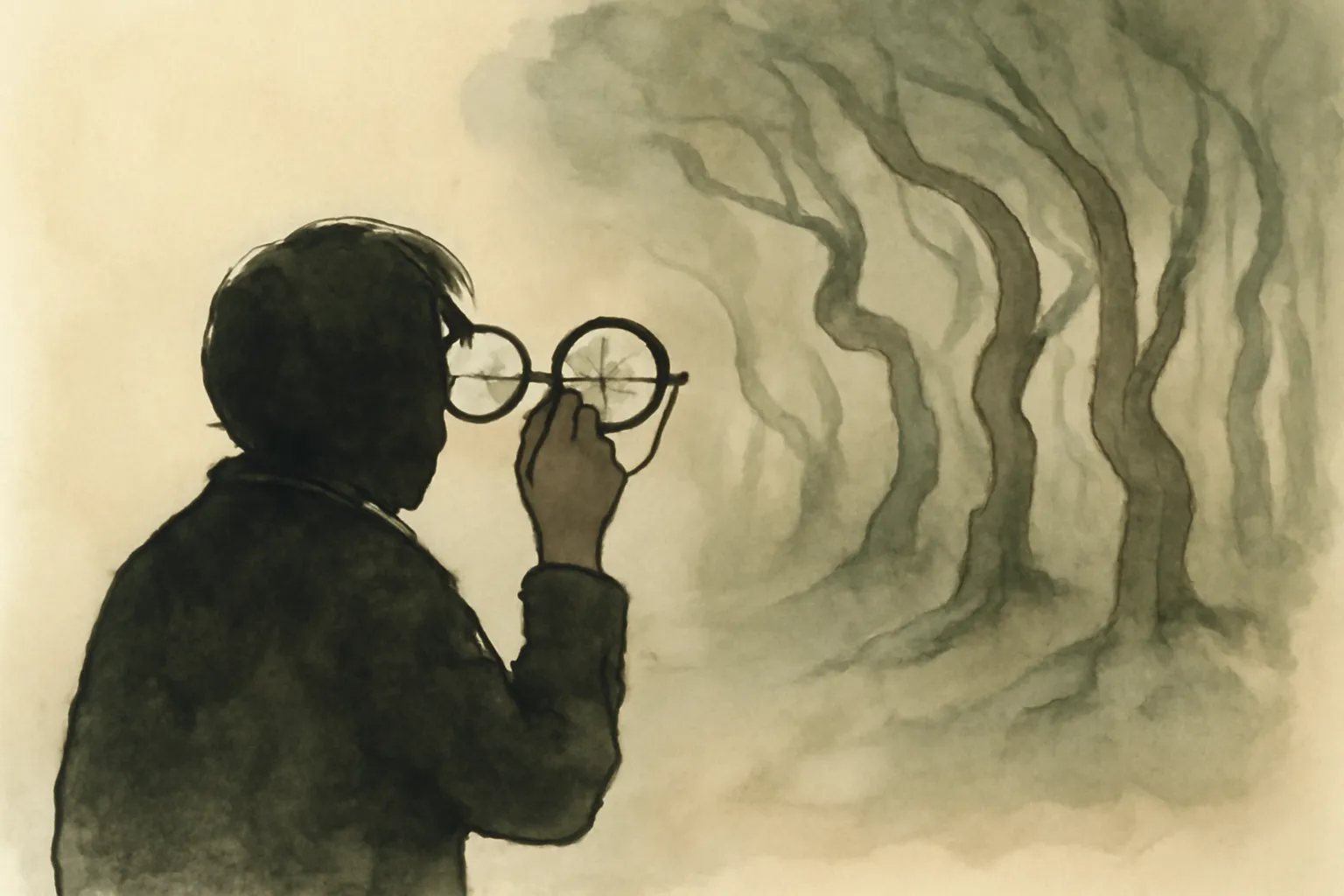
Banaji and Greenwald introduce the concept of 'implicit bias'—attitudes or stereotypes that affect our understanding, actions, and decisions unconsciously. These biases are not the result of deliberate thought or malice, but are ingrained through cultural exposure and personal experience. The authors argue that everyone, regardless of good intentions, is susceptible to these automatic associations, which can subtly influence behavior in ways that contradict our conscious values.
A central tool discussed in the book is the Implicit Association Test, co-developed by the authors, which measures the strength of automatic associations in our minds. The IAT reveals discrepancies between what people consciously believe and their unconscious attitudes, often surprising even those who see themselves as unbiased. The book explores how the IAT can be a mirror, reflecting prejudices we would otherwise deny or overlook.
“Most of us believe that we are ethical and unbiased. We imagine we’re good decision makers, fair and rational.”
“The blindspot is a metaphor to capture that portion of the mind that houses hidden biases.”