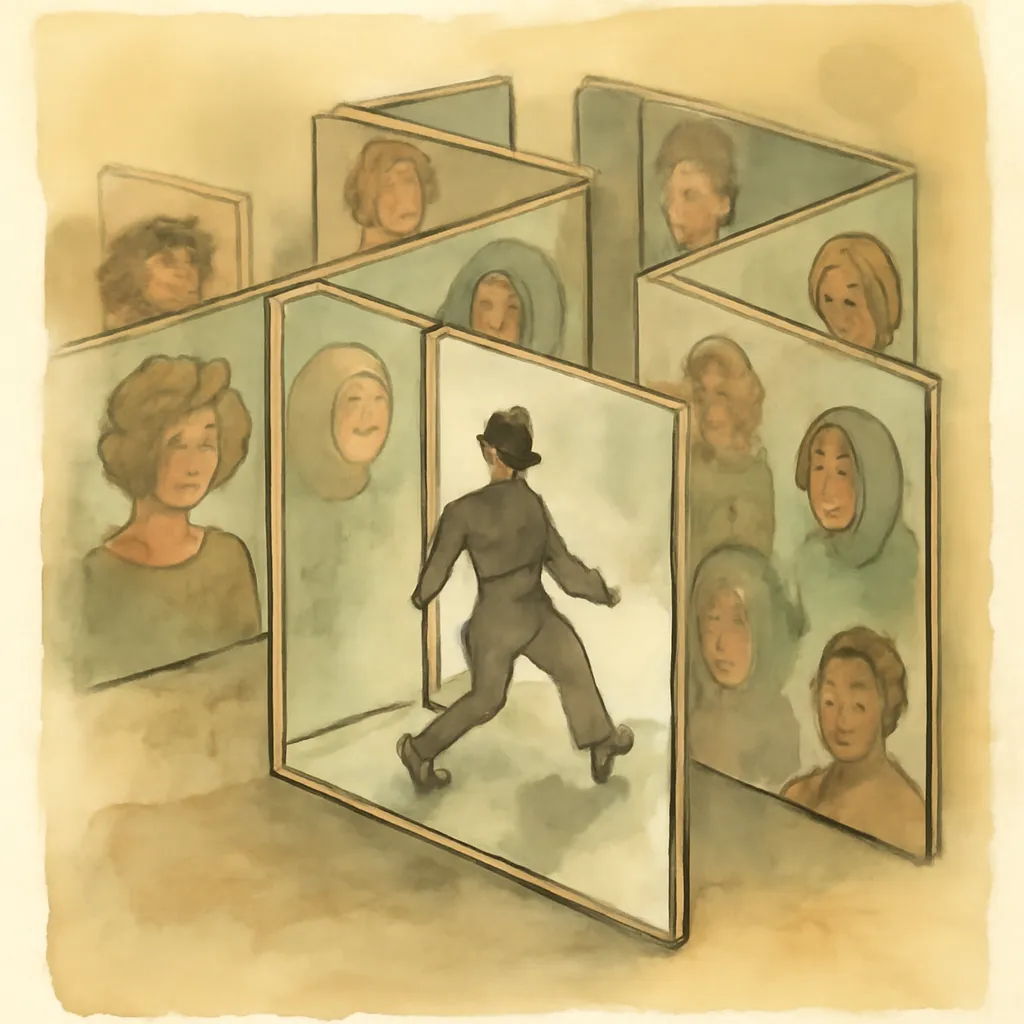
1.Implicit Bias: The Hidden Influence
Banaji and Greenwald introduce the concept of 'implicit bias'—attitudes or stereotypes that affect our understanding, actions, and decisions unconsciously. These biases are not the result of deliberate thought or malice, but are ingrained through cultural exposure and personal experience. The authors argue that everyone, regardless of good intentions, is susceptible to these automatic associations, which can subtly influence behavior in ways that contradict our conscious values.
2.The Power of the Implicit Association Test (IAT)
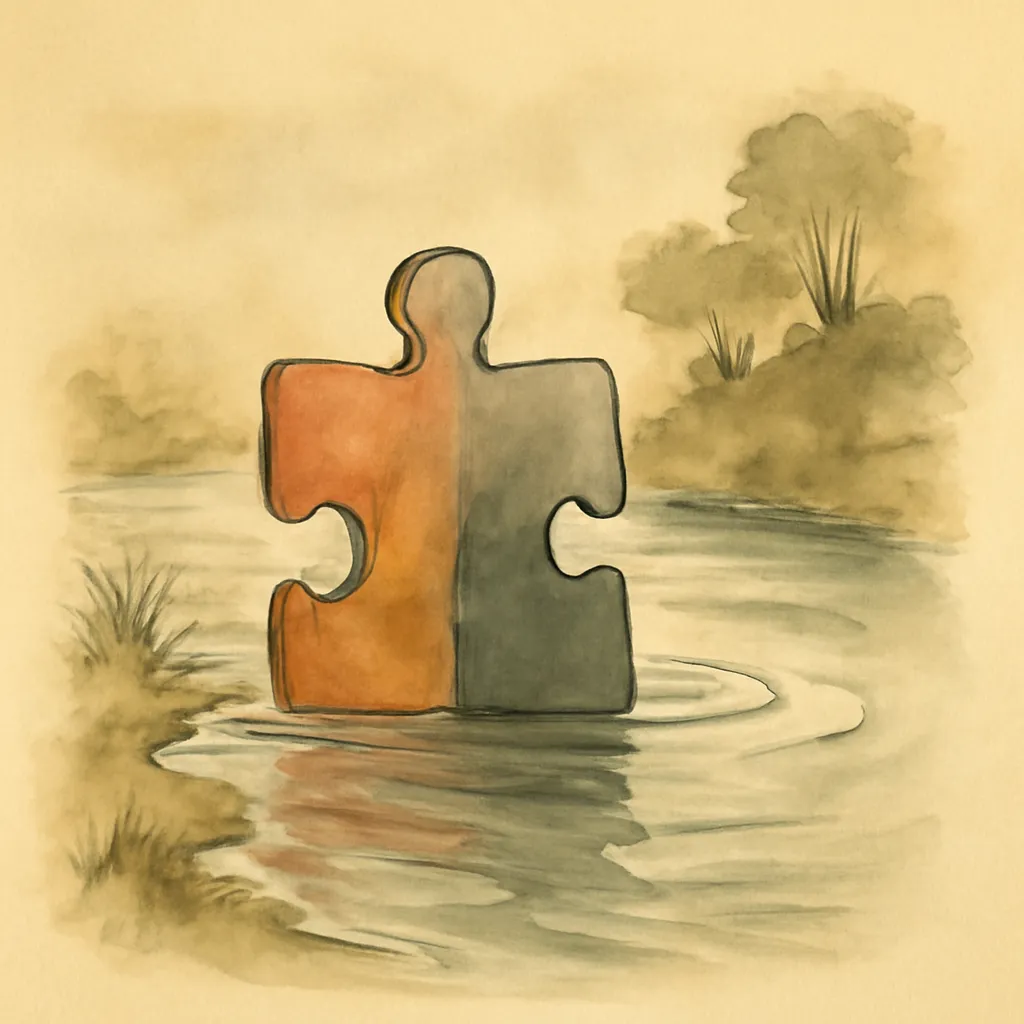
A central tool discussed in the book is the Implicit Association Test, co-developed by the authors, which measures the strength of automatic associations in our minds. The IAT reveals discrepancies between what people consciously believe and their unconscious attitudes, often surprising even those who see themselves as unbiased. The book explores how the IAT can be a mirror, reflecting prejudices we would otherwise deny or overlook.
3.The Good Person Paradox
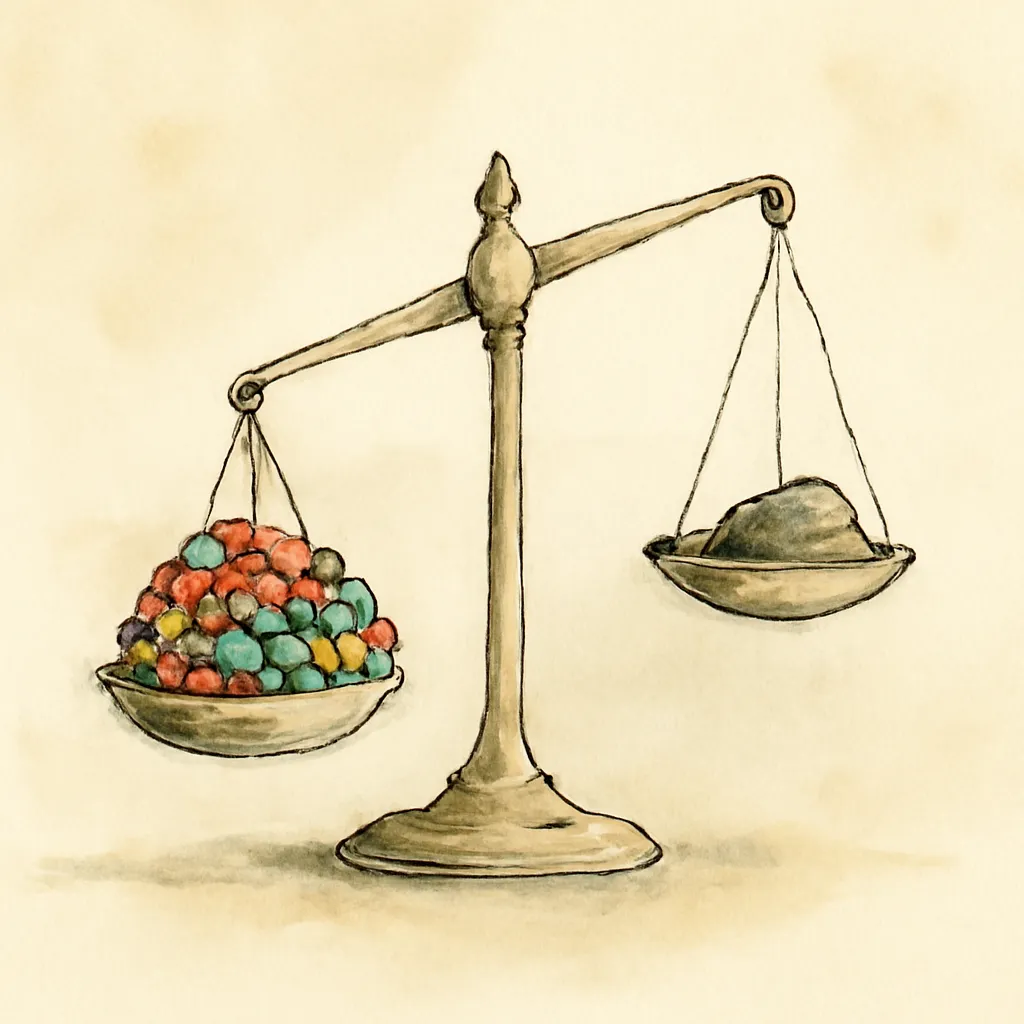
Blindspot challenges the comforting notion that being a 'good person' is enough to avoid prejudice. The authors show that unconscious biases can persist even in those who consciously reject discrimination. This paradox means that ethical intentions are not always matched by ethical outcomes, underscoring the need for humility and vigilance in our self-assessment.
4.Consequences in Everyday Life
The book details how hidden biases affect real-world outcomes—in hiring, law enforcement, education, and interpersonal relationships. Even small, automatic preferences can accumulate, leading to systemic inequalities. By illustrating these effects, Banaji and Greenwald highlight why understanding and addressing implicit bias is not just a personal issue, but a societal imperative.
5.Strategies for Change
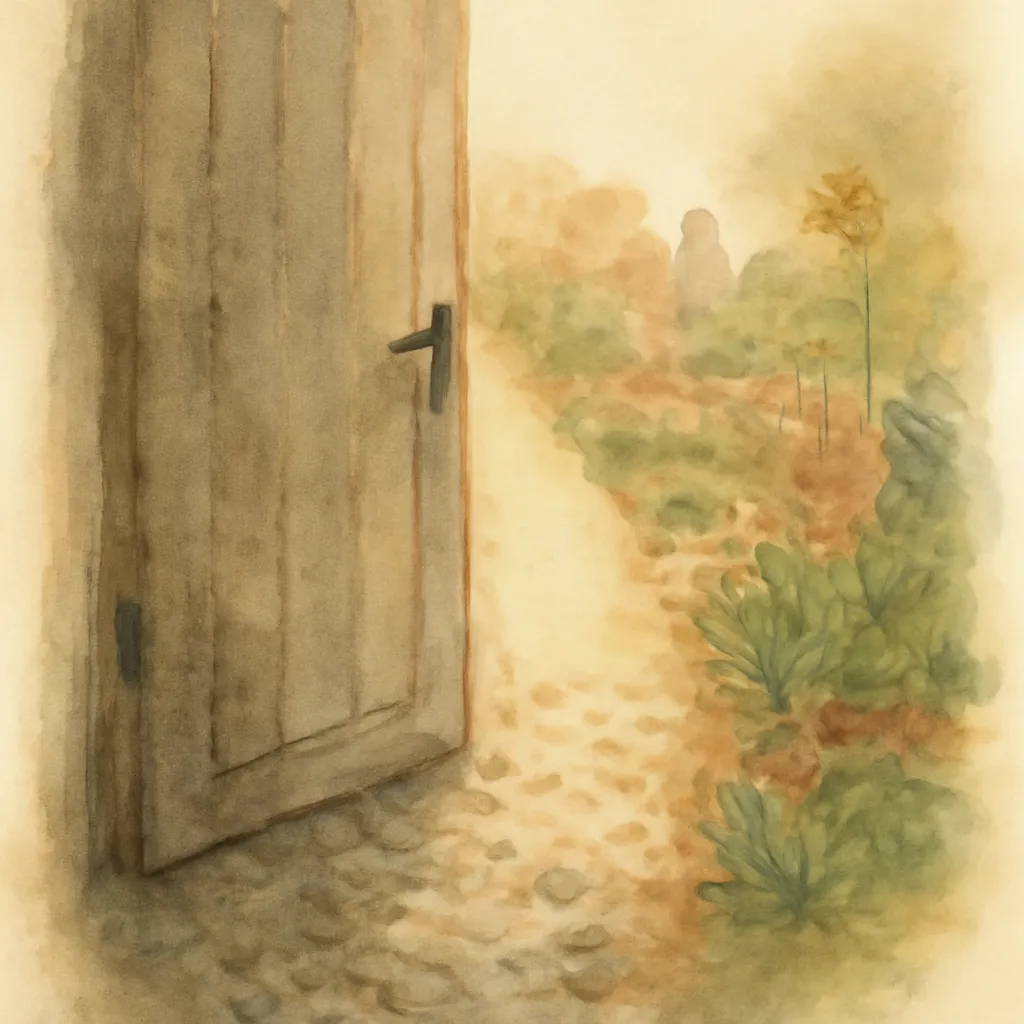
While acknowledging that implicit biases are deeply rooted, the authors offer hope for progress. They suggest practical steps: increasing awareness, seeking out counter-stereotypical experiences, and designing environments that minimize the impact of bias. The book emphasizes that change is possible, but requires sustained effort and structural support, not just individual willpower.
6.The Limits of Self-Knowledge
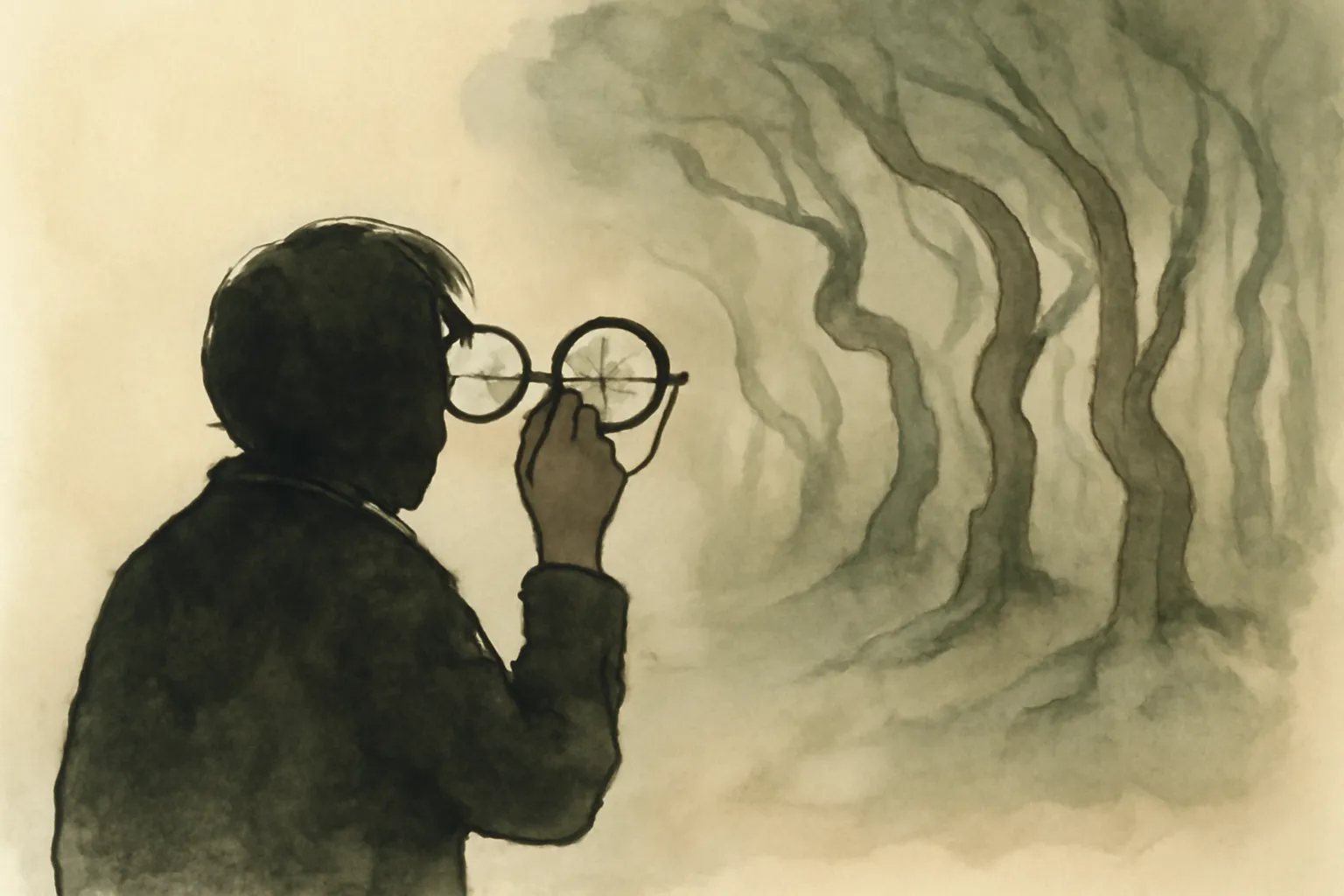
Blindspot argues that self-knowledge has limits—especially when it comes to our own biases. The authors caution against overconfidence in our objectivity, advocating instead for humility and openness to feedback. Recognizing the blind spots in our self-perception is presented as a crucial step toward personal and collective improvement.