

Parent and child · Child rearing · New York Times bestseller
Bringing Up Bébé by Pamela Druckerman — Summary, Key Ideas & Quotes
2012284 pages✦ 3-min Big ideas★ 4.5 (2)
Rate it
"The secret behind France's astonishingly well-behaved children. When American journalist Pamela Druckerman has a baby in Paris, she doesn't aspire to become a "French parent." French parenting isn't a known thing, like French fashion or French cheese. Even French parents themselves insist they aren't doing anything special. Yet, the French children Druckerman knows sleep through the night at two or three months old while those of her American friends take a year or more. French kids eat well-rounded meals that are more likely to include braised leeks than chicken nuggets. And while her American friends spend their visits resolving spats between their kids, her French friends sip coffee while the kids play. Motherhood itself is a whole different experience in France. There's no role model, as there is in America, for the harried new mom with no life of her own. French mothers assume that even good parents aren't at the constant service of their children and that there's no need to feel guilty about this. They have an easy, calm authority with their kids that Druckerman can only envy. Of course, French parenting wouldn't be worth talking about if it produced robotic, joyless children. In fact, French kids are just as boisterous, curious, and creative as Americans. They're just far better behaved and more in command of themselves. While some American toddlers are getting Mandarin tutors and preliteracy training, French kids are-by design-toddling around and discovering the world at their own pace. With a notebook stashed in her diaper bag, Druckerman-a former reporter for the Wall Street Journal sets out to learn the secrets to raising a society of good little sleepers, gourmet eaters, and reasonably relaxed parents. She discovers that French parents are extremely strict about some things and strikingly permissive about others. And she realizes that to be a different kind of parent, you don't just need a different parenting philosophy. You need a very different view of what a child actually is. While finding her own firm "non", Druckerman discovers that children-including her own-are capable of feats she'd never imagined."--Provided by publisher.
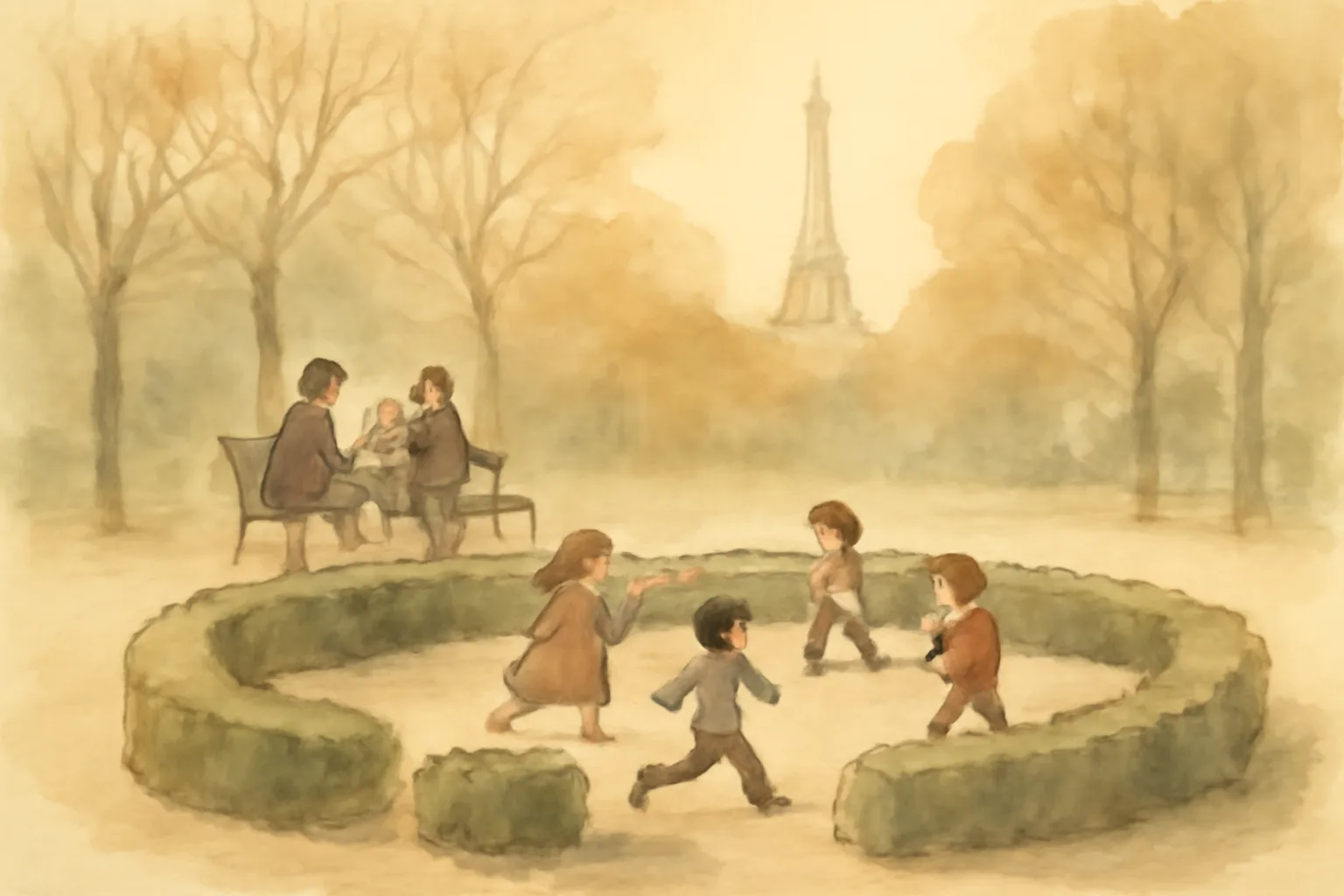
A core idea in the book is that French parents set clear, firm boundaries for their children but allow considerable freedom within those limits. This approach, sometimes called 'cadre,' gives children structure and security, while still encouraging autonomy. Druckerman observes that French parents are comfortable saying 'no' and see it as an act of love, not deprivation. This contrasts with the more permissive or negotiation-heavy style she finds common among American parents.
French parenting prioritizes teaching children to wait and tolerate frustration from a very young age. Whether it’s expecting babies to 'do their nights' (sleep through the night) or requiring children to wait for meals, patience is seen as a skill to be learned, not an innate trait. Druckerman notes that this expectation helps children develop self-control, which in turn leads to fewer tantrums and smoother family life.
“Crying is the only way babies have to communicate, but that doesn't mean we have to jump every time they do.”
“The French assume that even good parents aren't at the constant service of their children.”