1.The French Emphasis on Boundaries
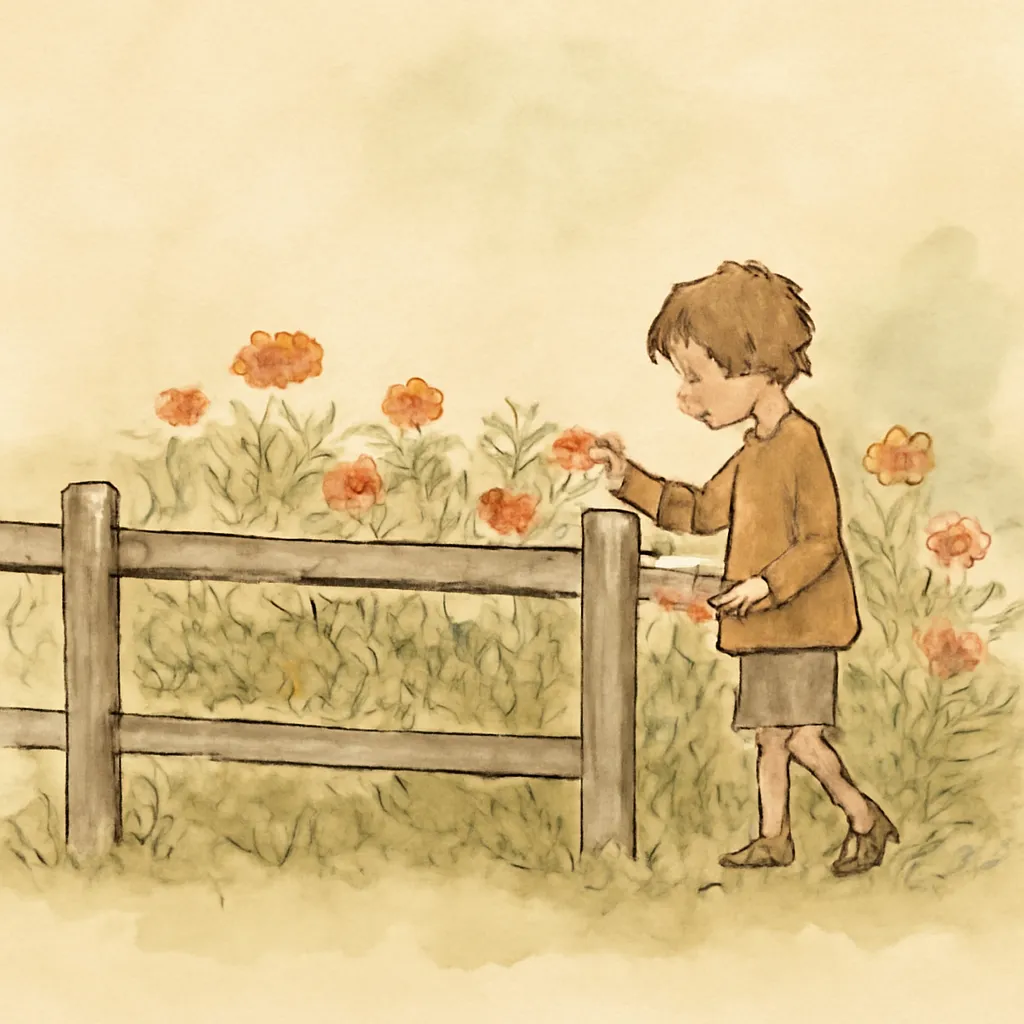
A core idea in the book is that French parents set clear, firm boundaries for their children but allow considerable freedom within those limits. This approach, sometimes called 'cadre,' gives children structure and security, while still encouraging autonomy. Druckerman observes that French parents are comfortable saying 'no' and see it as an act of love, not deprivation. This contrasts with the more permissive or negotiation-heavy style she finds common among American parents.
2.Teaching Patience Early
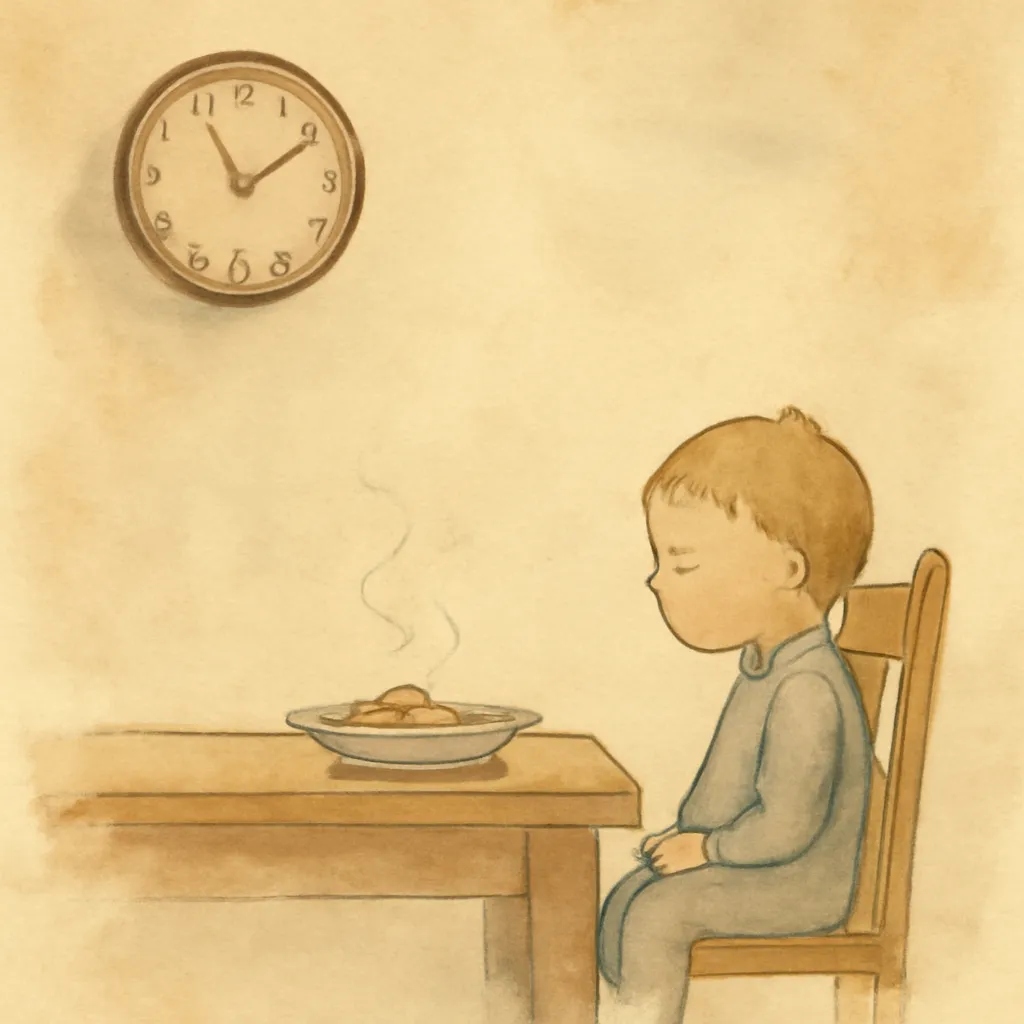
French parenting prioritizes teaching children to wait and tolerate frustration from a very young age. Whether it’s expecting babies to 'do their nights' (sleep through the night) or requiring children to wait for meals, patience is seen as a skill to be learned, not an innate trait. Druckerman notes that this expectation helps children develop self-control, which in turn leads to fewer tantrums and smoother family life.
3.The Importance of Adult Identity
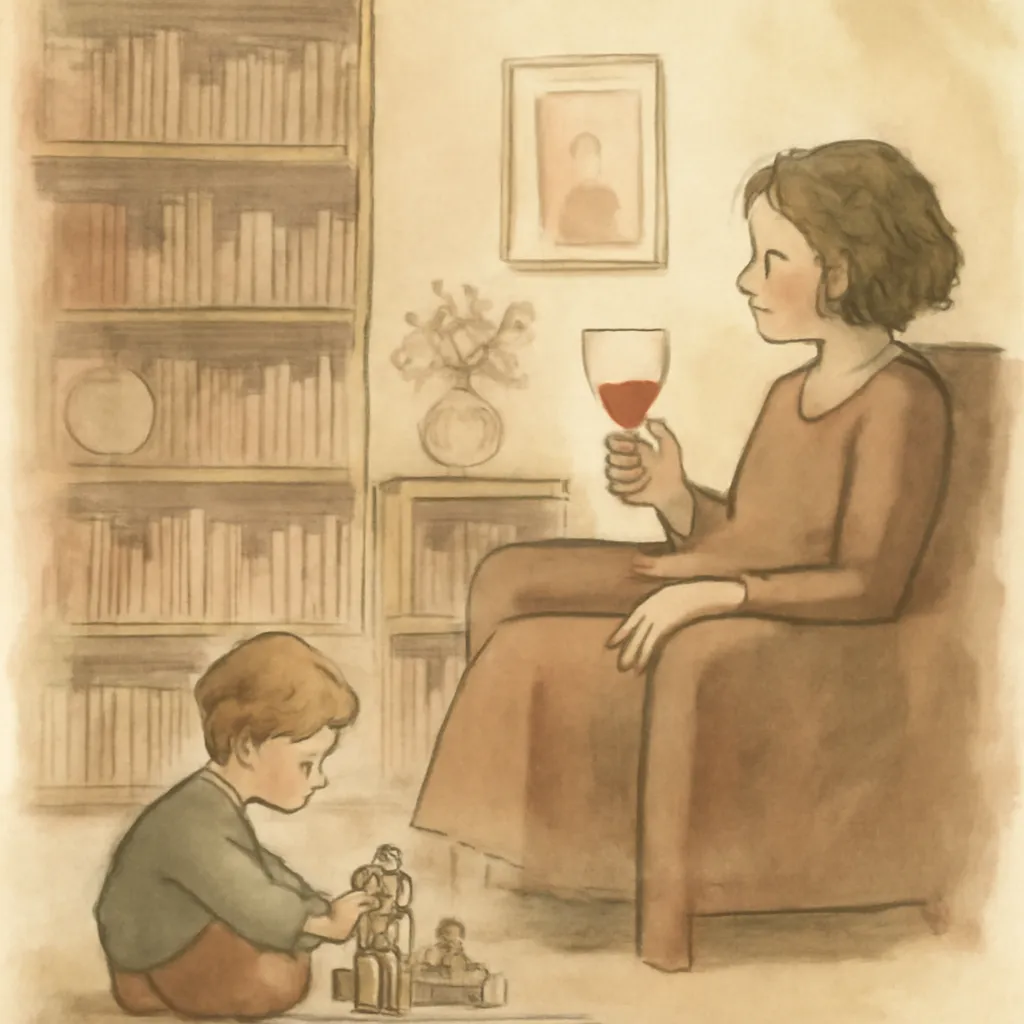
Unlike the American ideal of the self-sacrificing, child-centric parent, French mothers (and fathers) maintain a strong sense of adult identity. They believe parents should not be at their children’s constant service and that it’s healthy for kids to see their parents as people with their own needs and interests. This perspective helps prevent parental burnout and fosters respect between generations.
4.Food as Education
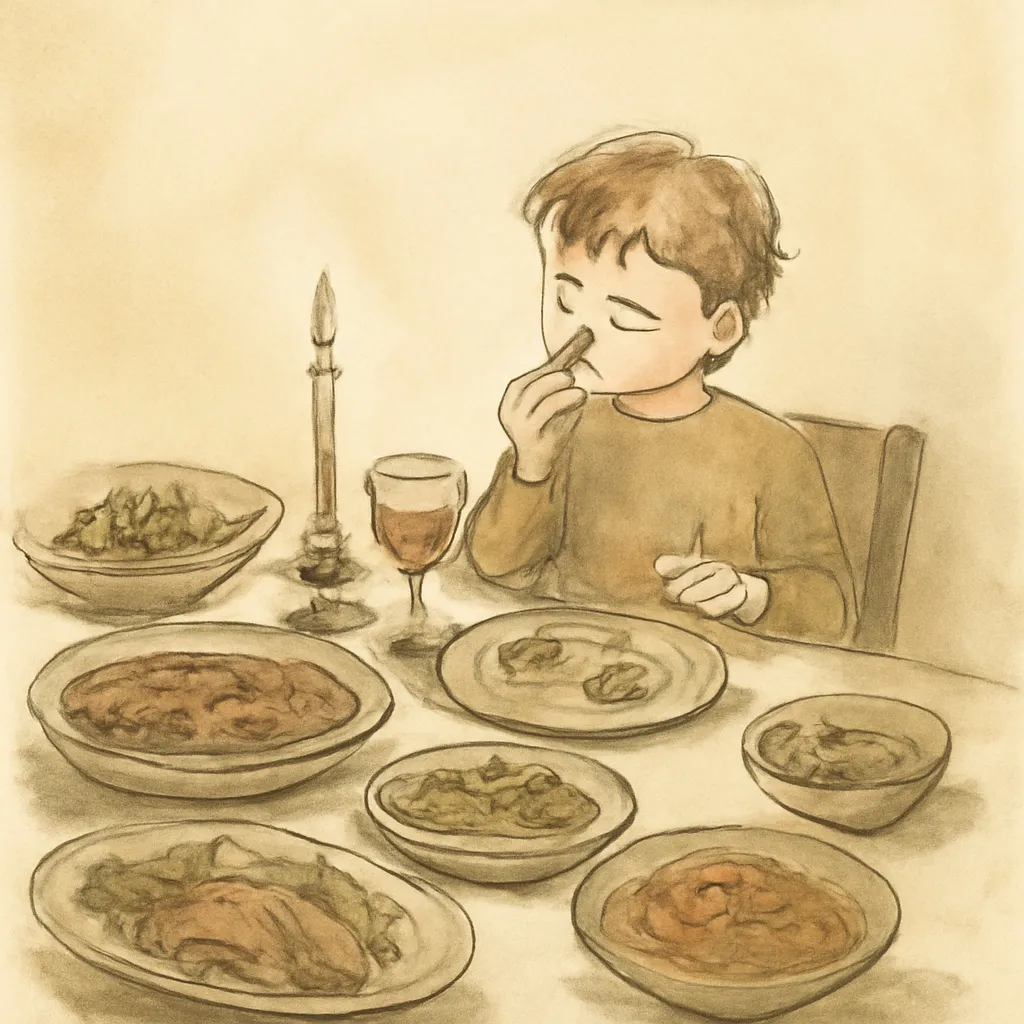
French parents treat mealtimes as opportunities to educate children about taste, manners, and self-regulation. From infancy, children are exposed to a wide variety of foods and are expected to eat what adults eat, at set times, and with minimal snacking. Druckerman highlights how this leads to adventurous eaters and a more peaceful dining experience, in contrast to the American norm of catering to picky eaters.
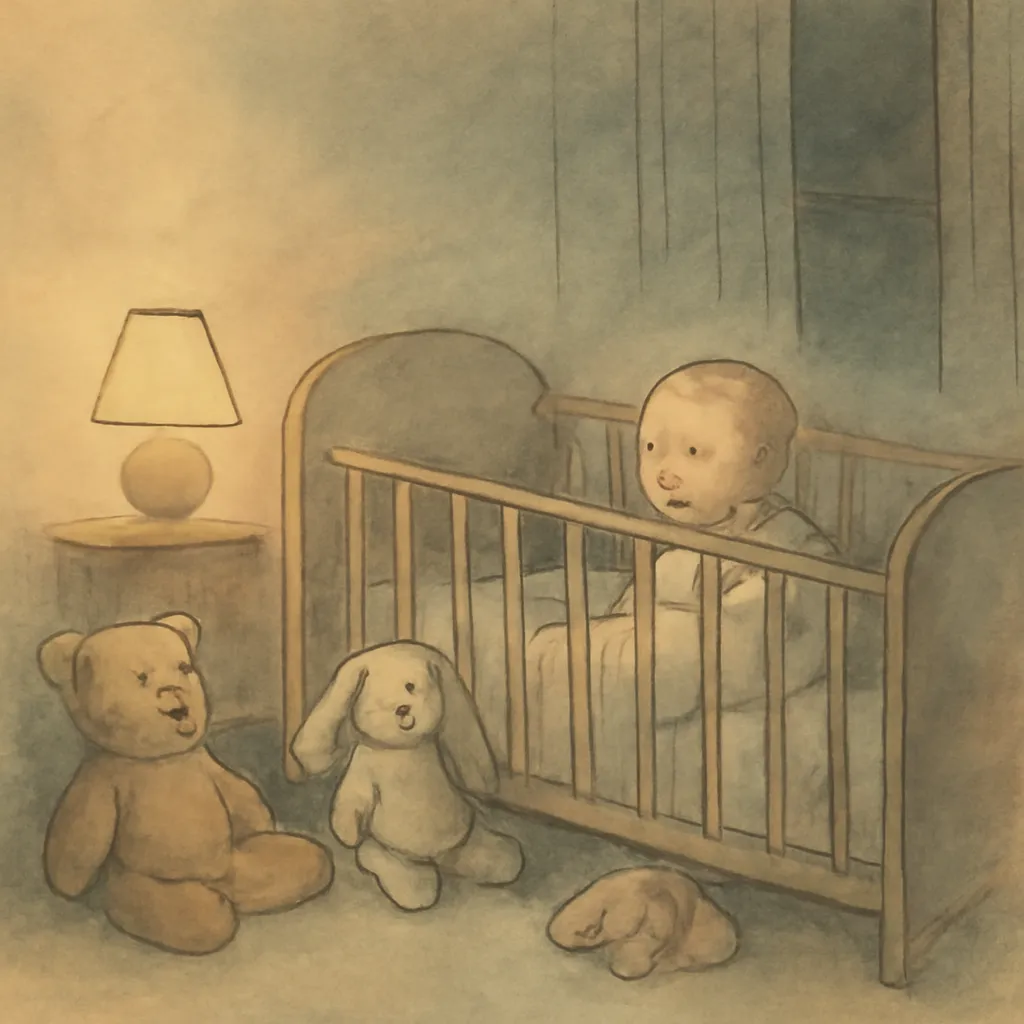
5.The Value of 'La Pause'
'La pause' is a subtle but significant French parenting technique. When a baby cries, French parents often wait a moment before intervening, allowing the child a chance to self-soothe. This is not about neglect but about giving children space to develop their own coping mechanisms. Druckerman credits this approach with the French reputation for babies who sleep through the night early on.
6.Authority Without Anger
French parents strive to exercise authority calmly and consistently, rather than through yelling or emotional outbursts. Druckerman notes that French discipline is less about punishment and more about setting expectations and following through. This calm authority helps children internalize rules and reduces family conflict.