

Voyages and travels · Graphic novels · Comic books, strips
Corto Maltese: The Ballad of the Salt Sea by Hugo Pratt — Summary, Key Ideas & Quotes
2015101 pages✦ 3-min Big ideas
Rate it
"Visiting the writer Hermann Hesse while researching alchemists with his old friend Professor Steiner, Corto drinks from the 'source of the Alchemy Rose' and becomes immersed in a surreal and dreamlike adventure that involves Klingsor, the quest for the Holy Grail, Death, the Devil, and the Sandman, among others"--Provided by publisher.
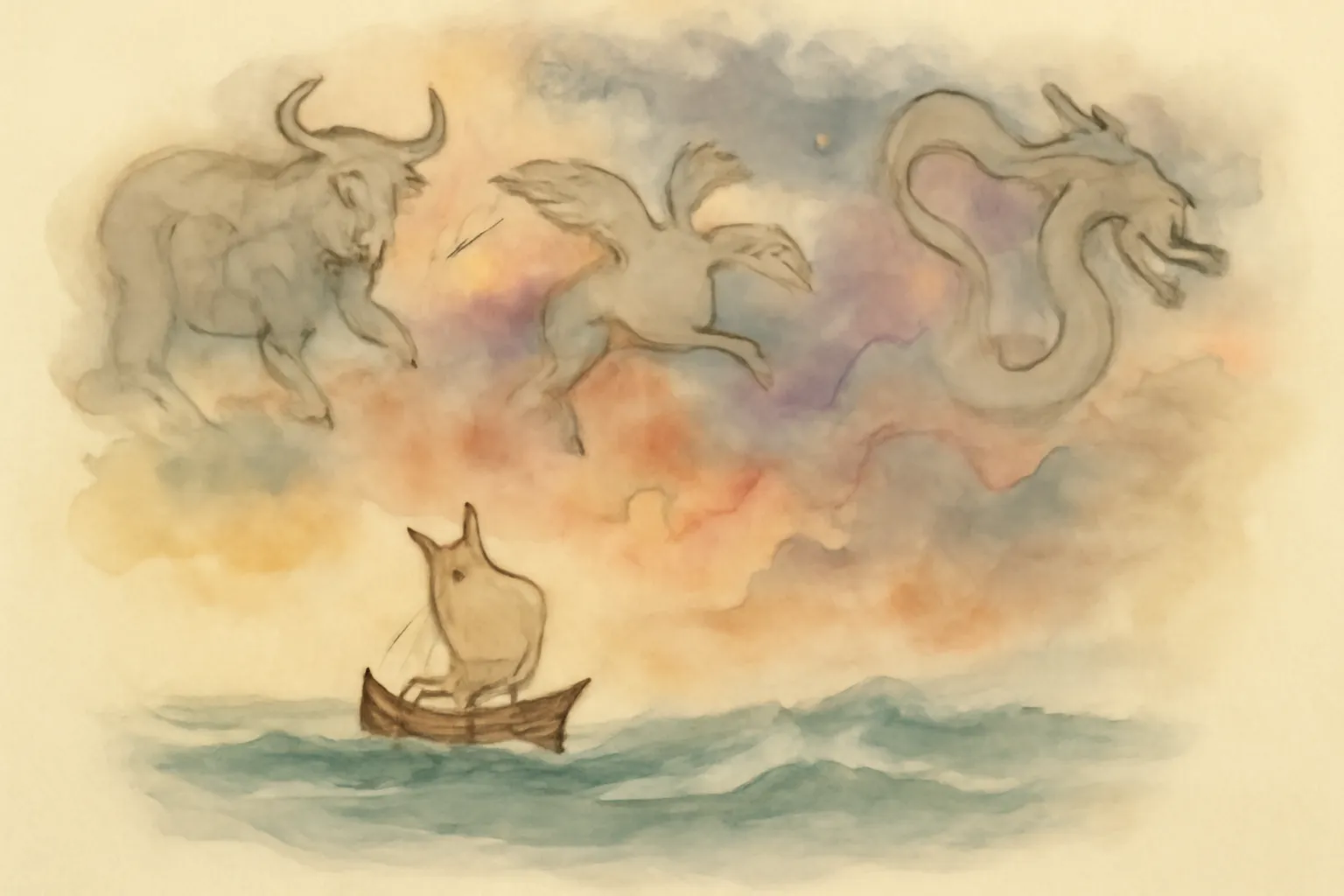
The book plunges Corto Maltese, and the reader, into a world where reality and dream are indistinguishable. This is not just a narrative device; it’s a philosophical stance, inviting us to question the solidity of our own perceptions. The surreal encounters—whether with Klingsor, Death, or the Devil—are less about literal events and more about the internal landscapes they represent. Pratt uses these dreamlike sequences to explore the subconscious, suggesting that adventure is as much an inner journey as an outer one.
Alchemy, both as a historical pursuit and a metaphor, is central to the story. Corto’s drinking from the 'source of the Alchemy Rose' is a symbolic act of transformation, echoing the alchemist’s quest to turn base metal into gold. Here, it’s the transformation of self—through trials, encounters, and reflection—that matters. The book suggests that life’s mysteries are not to be solved, but lived, and that wisdom comes from embracing change and uncertainty.