1.Surrealism and the Dream State
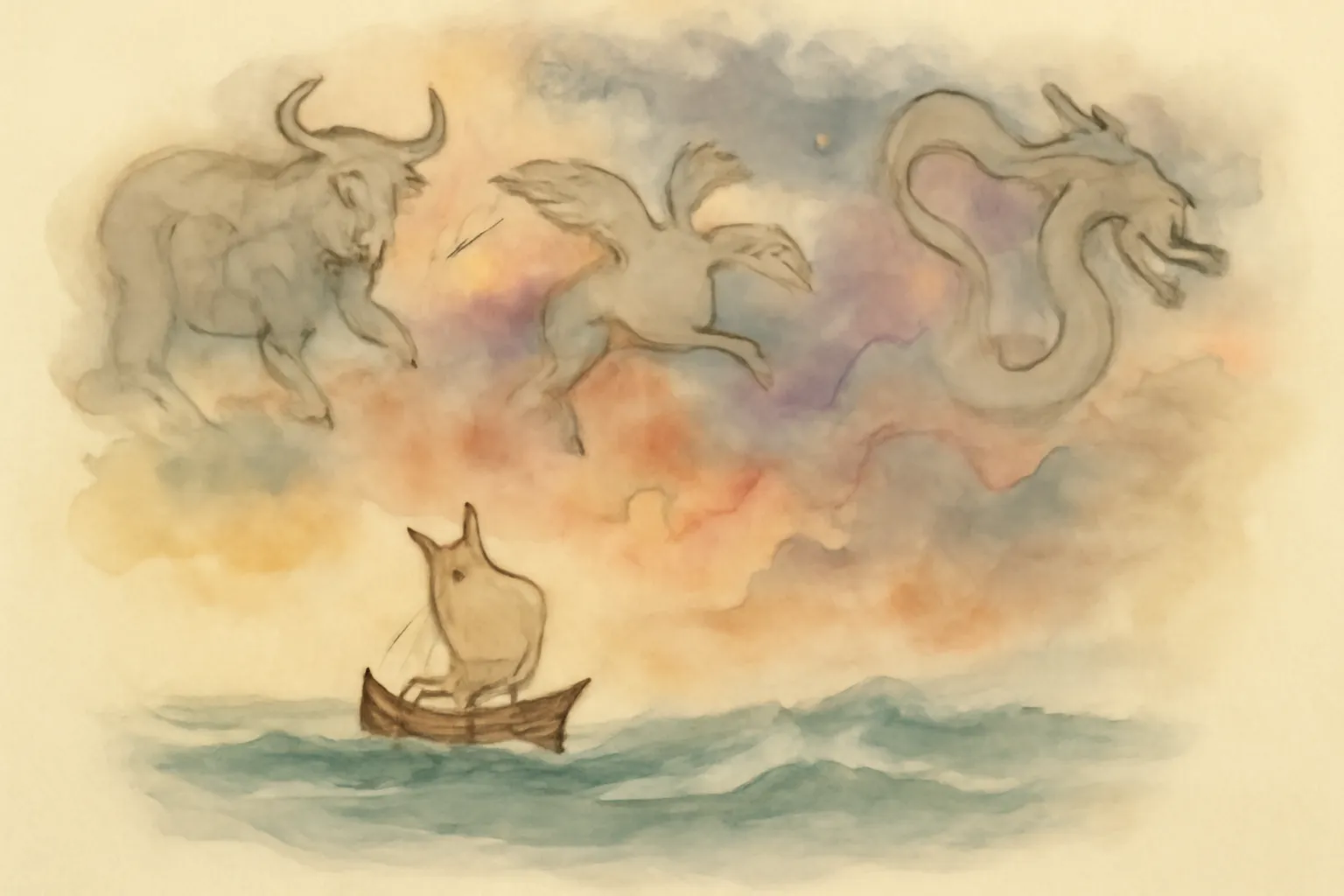
The book plunges Corto Maltese, and the reader, into a world where reality and dream are indistinguishable. This is not just a narrative device; it’s a philosophical stance, inviting us to question the solidity of our own perceptions. The surreal encounters—whether with Klingsor, Death, or the Devil—are less about literal events and more about the internal landscapes they represent. Pratt uses these dreamlike sequences to explore the subconscious, suggesting that adventure is as much an inner journey as an outer one.
2.Alchemy and Transformation
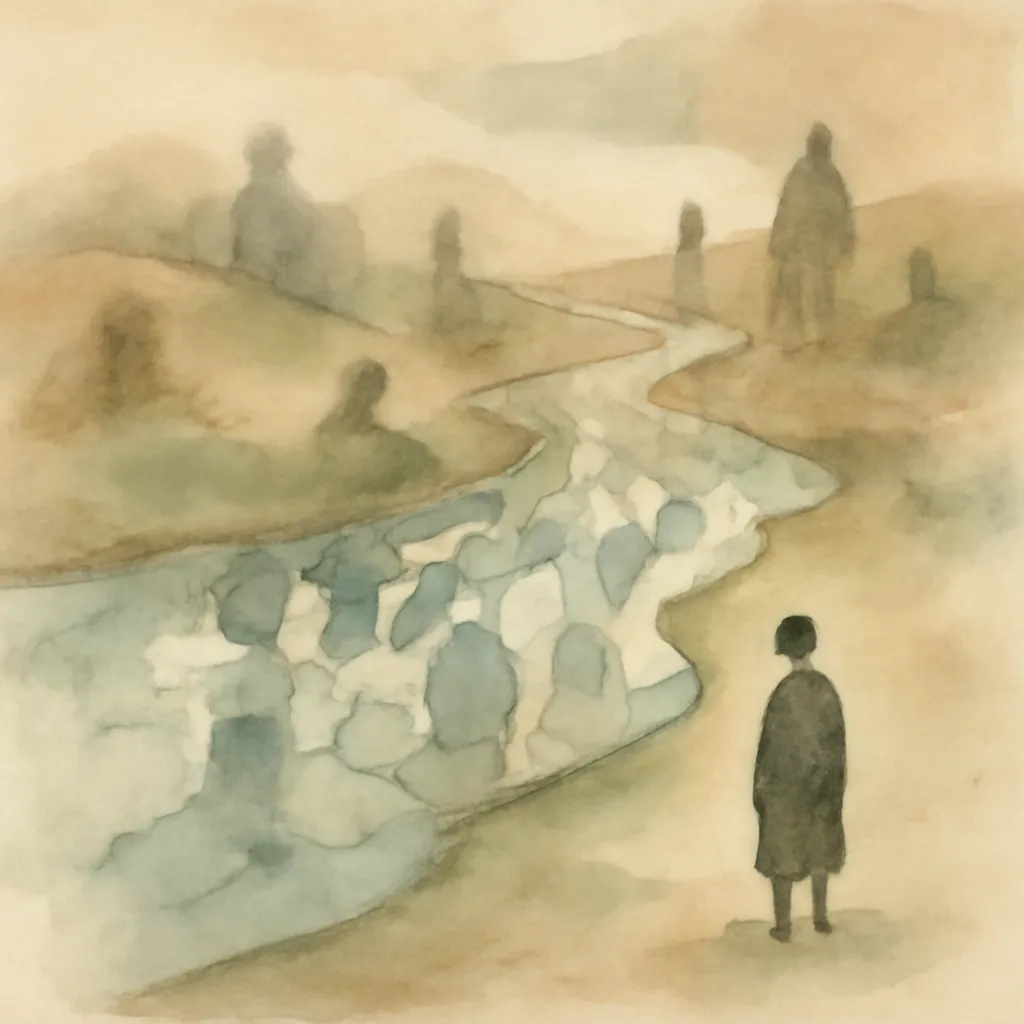
Alchemy, both as a historical pursuit and a metaphor, is central to the story. Corto’s drinking from the 'source of the Alchemy Rose' is a symbolic act of transformation, echoing the alchemist’s quest to turn base metal into gold. Here, it’s the transformation of self—through trials, encounters, and reflection—that matters. The book suggests that life’s mysteries are not to be solved, but lived, and that wisdom comes from embracing change and uncertainty.
3.The Grail Quest and the Search for Meaning
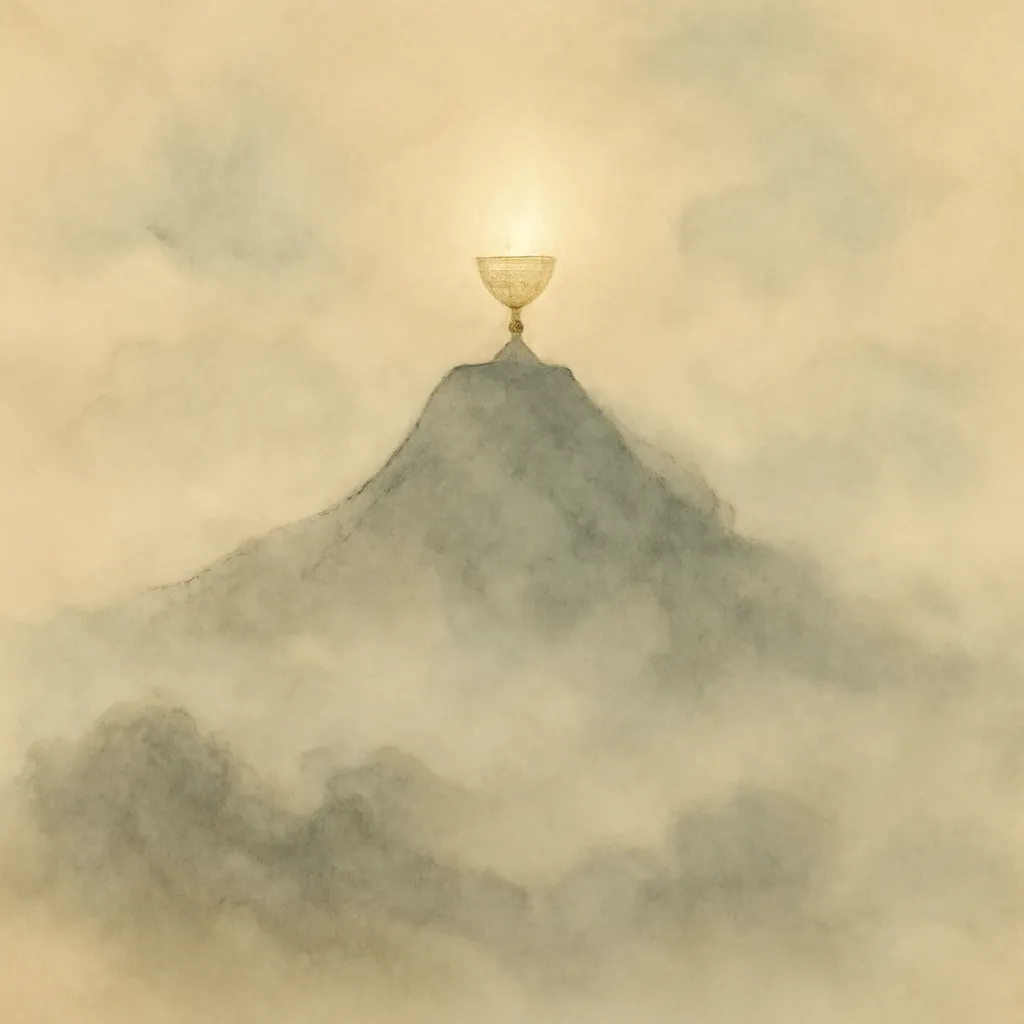
The motif of the Holy Grail recurs as an emblem of humanity’s eternal search for meaning. Corto’s quest is both literal and allegorical; the Grail stands for the unattainable, the ideal, or the ultimate truth. Pratt weaves this medieval legend into a modern context, showing how the search itself—fraught with danger, illusion, and paradox—is what gives life its depth and richness.
4.Encounters with Archetypes
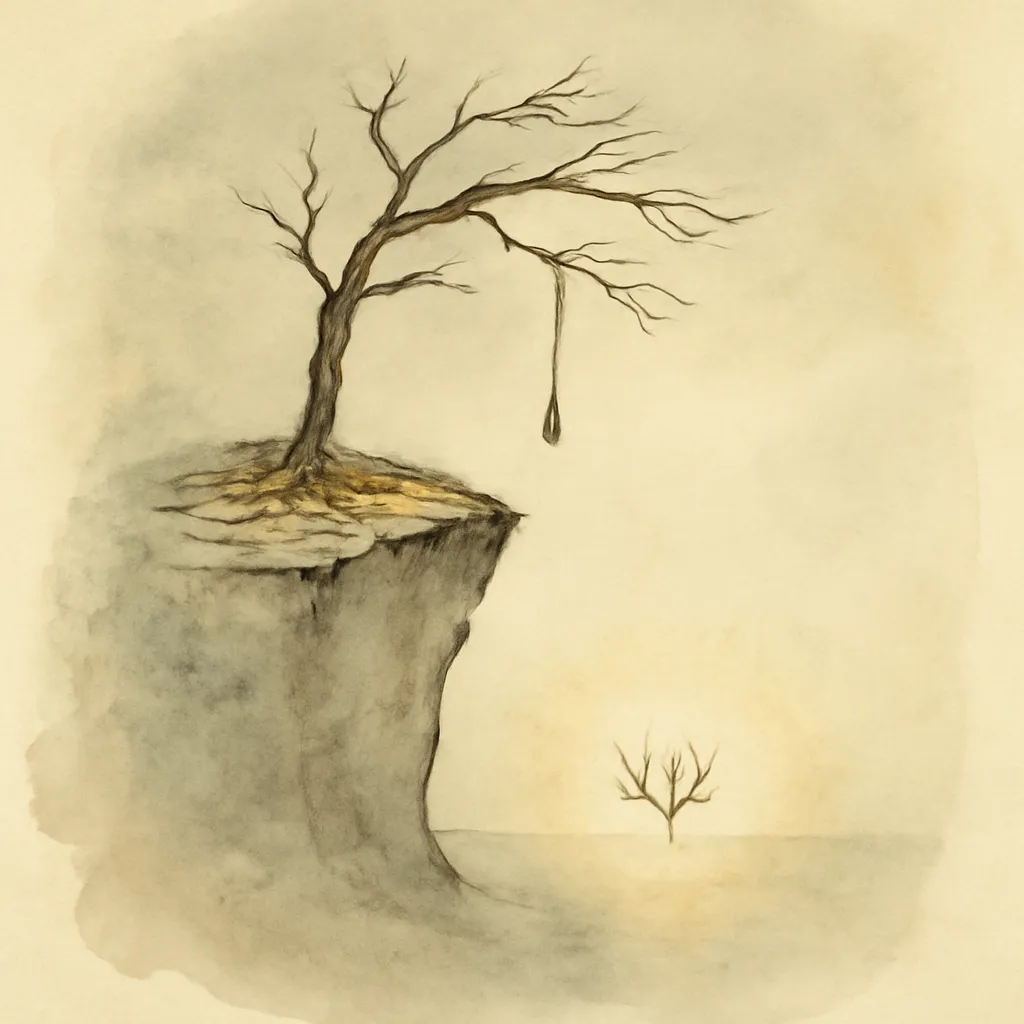
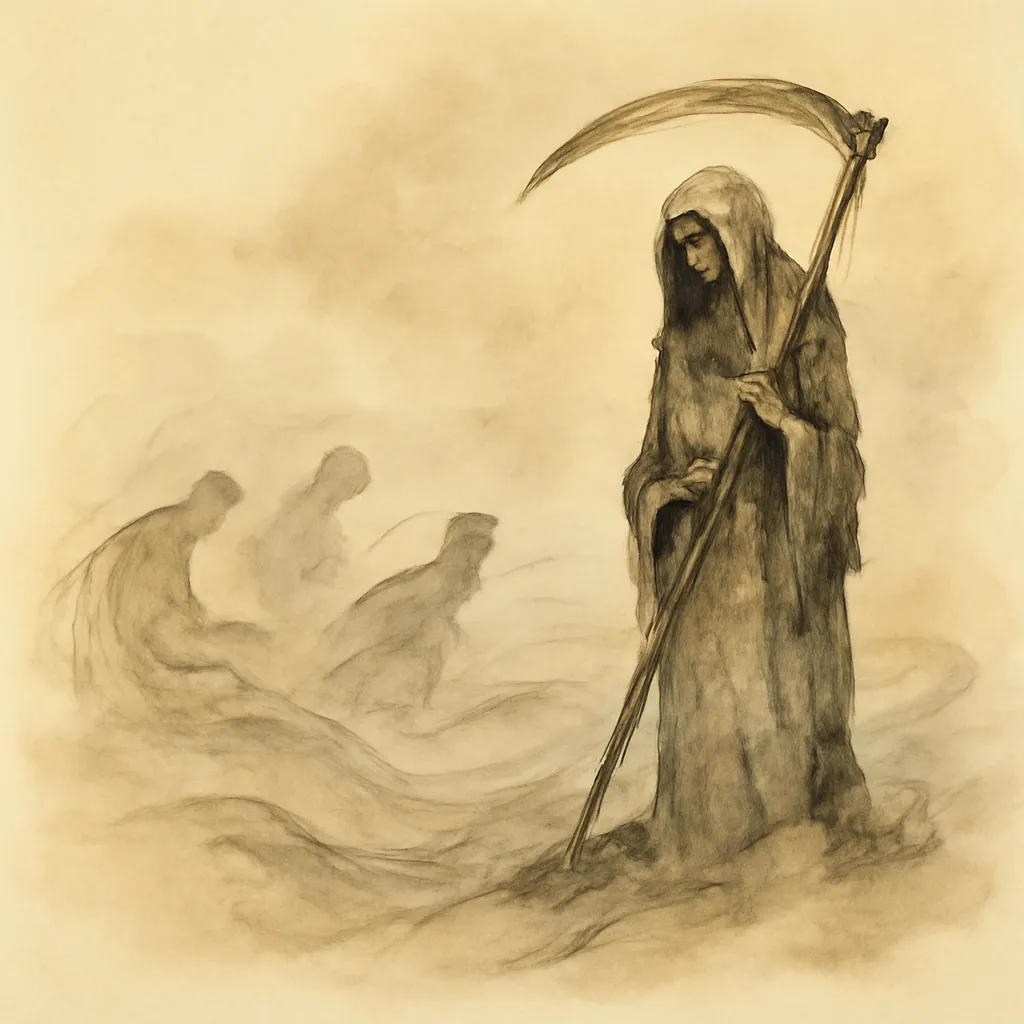
Characters like Death, the Devil, and the Sandman are not just figures from folklore, but archetypes representing universal human experiences: mortality, temptation, and the boundary between consciousness and sleep. By meeting these figures, Corto confronts aspects of his own psyche, and readers are encouraged to reflect on their own inner demons and guides. The story thus functions as a kind of psychological allegory.
5.The Role of Storytelling and Myth
Pratt’s narrative is self-aware, often referencing literary and mythological sources, including Hermann Hesse himself. This meta-textual layer invites readers to consider the power of stories to shape reality, identity, and history. The book is as much about the act of storytelling—its risks, its freedoms, its magic—as it is about the story being told.
6.Ambiguity and Open-Endedness
Rather than providing clear answers or resolutions, the book thrives on ambiguity. Its dream logic, shifting realities, and unresolved questions resist tidy interpretation. This ambiguity is deliberate, reflecting the complexity of life and the impossibility of final answers. Pratt trusts his readers to find their own meanings in the labyrinth he constructs.