

Mysticism · Catholic Church
Dark Night of the Soul by John of the Cross — Summary, Key Ideas & Quotes
1922224 pages✦ 3-min Big ideas
Rate it
Dark Night of the Soul is the title of a poem written by 16th-century Spanish poet and Roman Catholic mystic Saint John of the Cross, and of a treatise he wrote later, commenting on the poem.
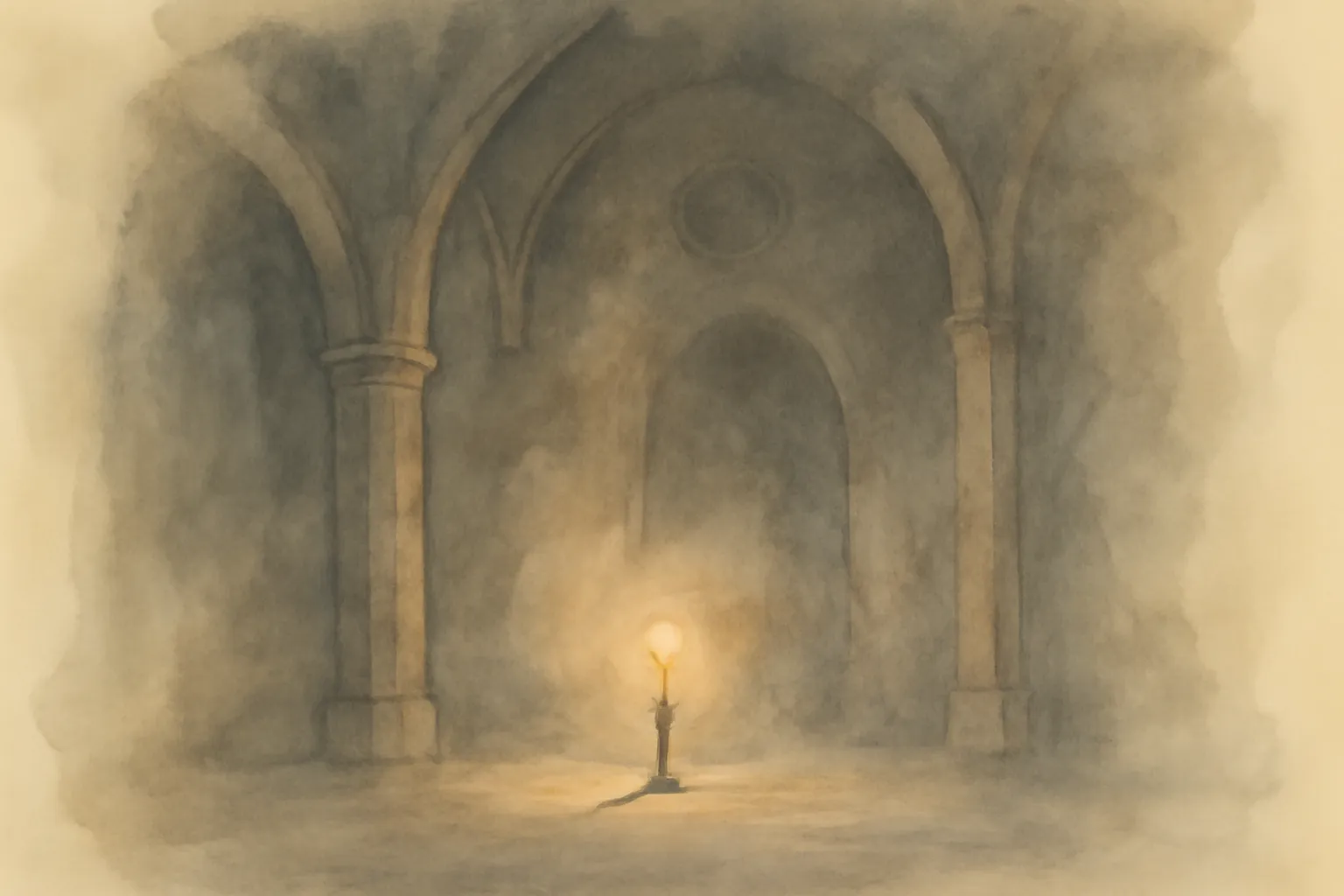
John of the Cross describes the 'dark night' not as mere depression or hardship, but as a necessary process of spiritual purification. This period strips away attachments, comforts, and even the sense of God's presence, preparing the soul for deeper union with the divine. The darkness is paradoxically a sign of progress: it is through this emptiness and loss that the soul is cleansed of self-centered desires and made receptive to God’s love.
John distinguishes between the 'night of the senses' and the 'night of the spirit.' The first involves detachment from sensory pleasures and external distractions, while the second is a deeper, more painful purification of the soul’s inner faculties—intellect, memory, and will. Each stage brings its own challenges, requiring perseverance and trust, but ultimately leads to spiritual maturity.
“In order to arrive at having pleasure in everything, desire to have pleasure in nothing.”
“To reach satisfaction in all, desire its possession in nothing.”
“In the dark night of the soul, bright flows the river of God.”