1.The 'Dark Night' as Spiritual Purification
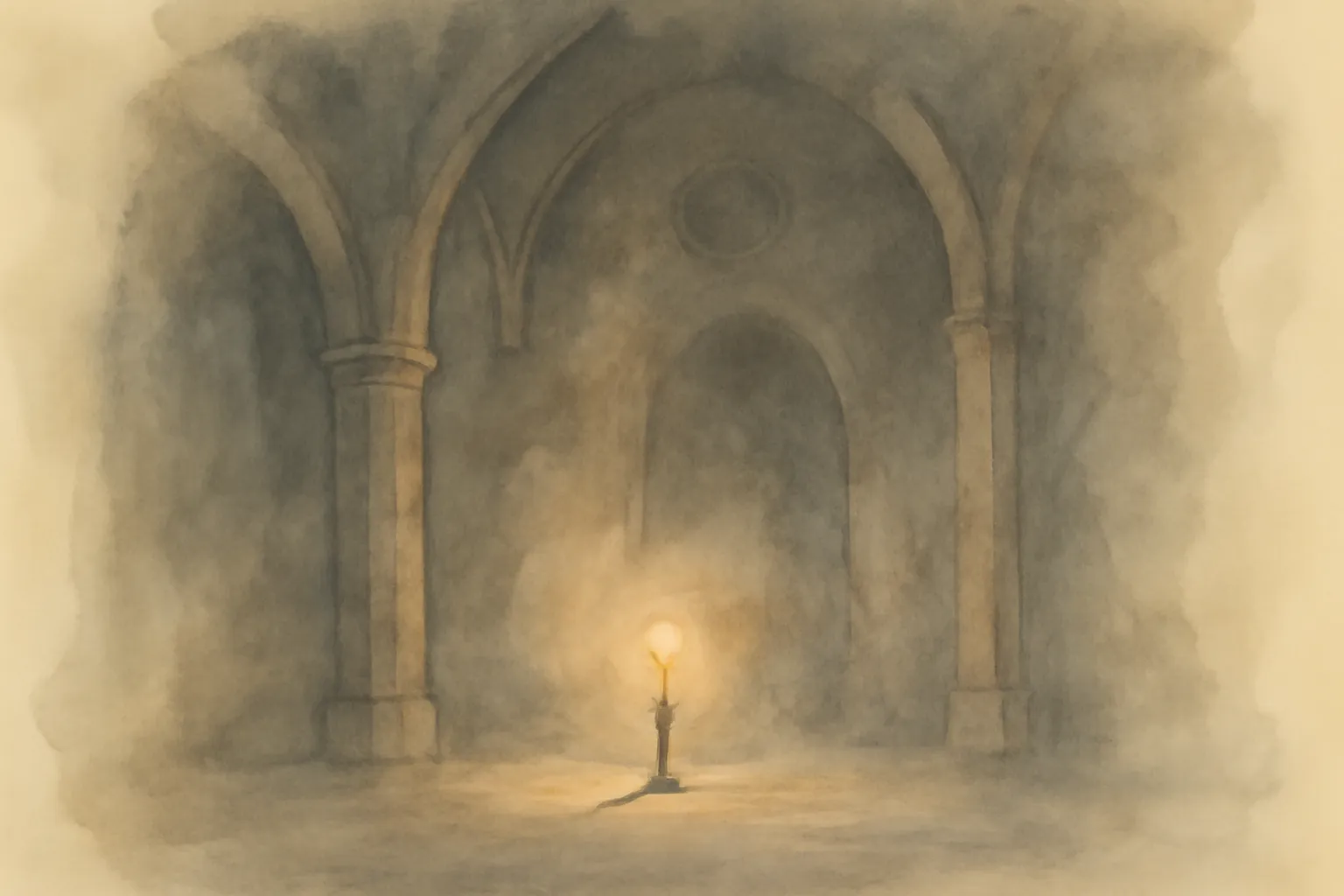
John of the Cross describes the 'dark night' not as mere depression or hardship, but as a necessary process of spiritual purification. This period strips away attachments, comforts, and even the sense of God's presence, preparing the soul for deeper union with the divine. The darkness is paradoxically a sign of progress: it is through this emptiness and loss that the soul is cleansed of self-centered desires and made receptive to God’s love.
2.Stages of the Night: Senses and Spirit
John distinguishes between the 'night of the senses' and the 'night of the spirit.' The first involves detachment from sensory pleasures and external distractions, while the second is a deeper, more painful purification of the soul’s inner faculties—intellect, memory, and will. Each stage brings its own challenges, requiring perseverance and trust, but ultimately leads to spiritual maturity.
3.The Role of Suffering and Unknowing
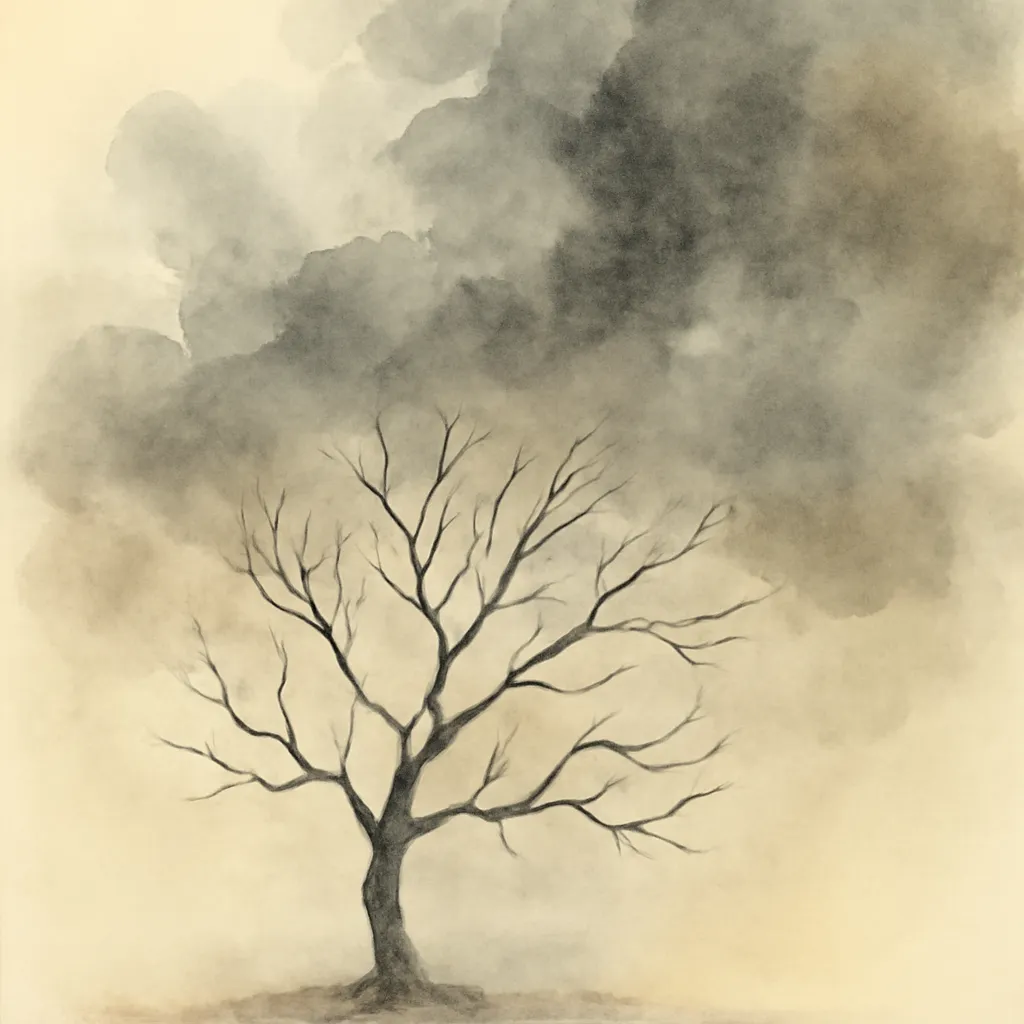
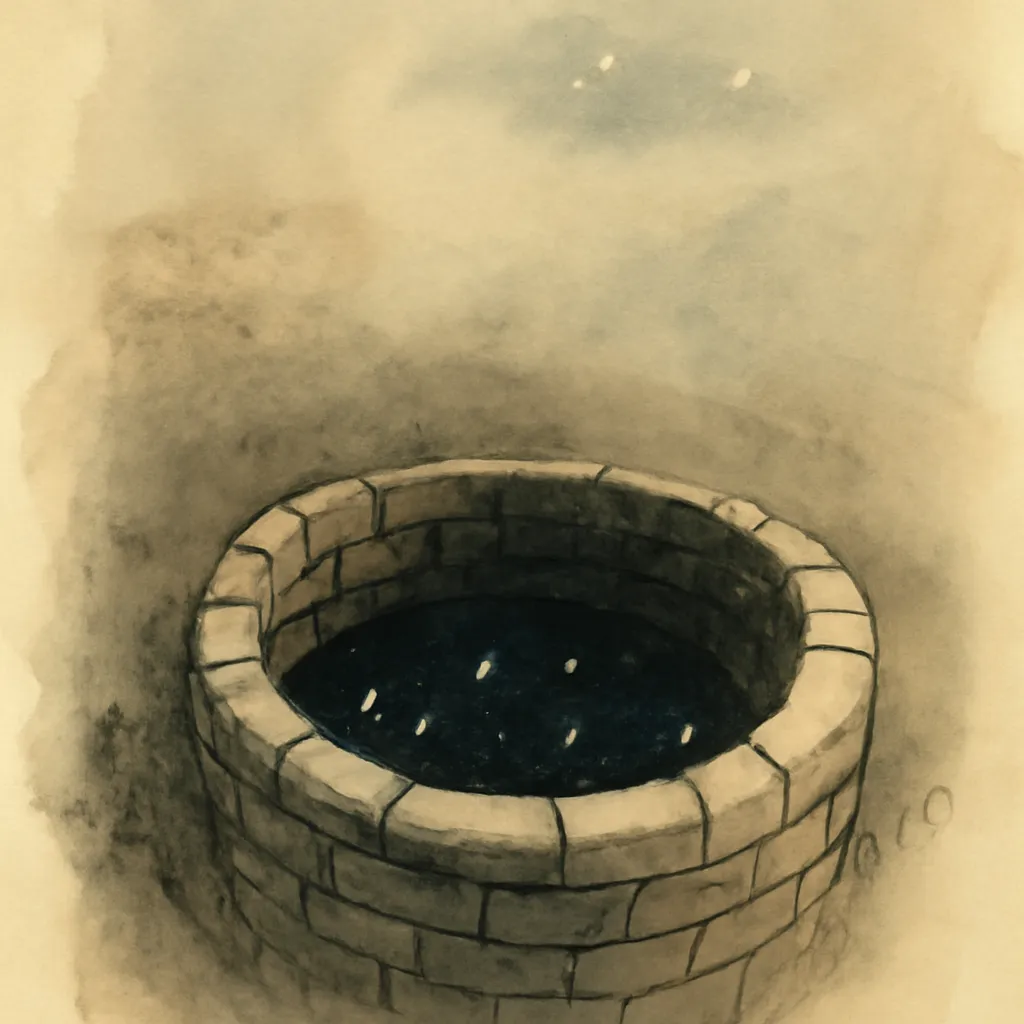
Central to John’s teaching is the idea that suffering and confusion are not obstacles but instruments of transformation. The soul must pass through a state of 'unknowing,' where familiar supports fall away and God seems absent. This emptiness is not a punishment, but a way to transcend limited concepts of God and self, making room for a more authentic encounter with the divine.
4.Letting Go of Spiritual Pride
John warns against spiritual pride and attachment to consolations—those moments of emotional or mystical sweetness. The dark night humbles the soul, revealing hidden motives and dependencies. Only by letting go of the need for spiritual rewards can one approach God with true humility and openness.
5.Union with God as the Goal
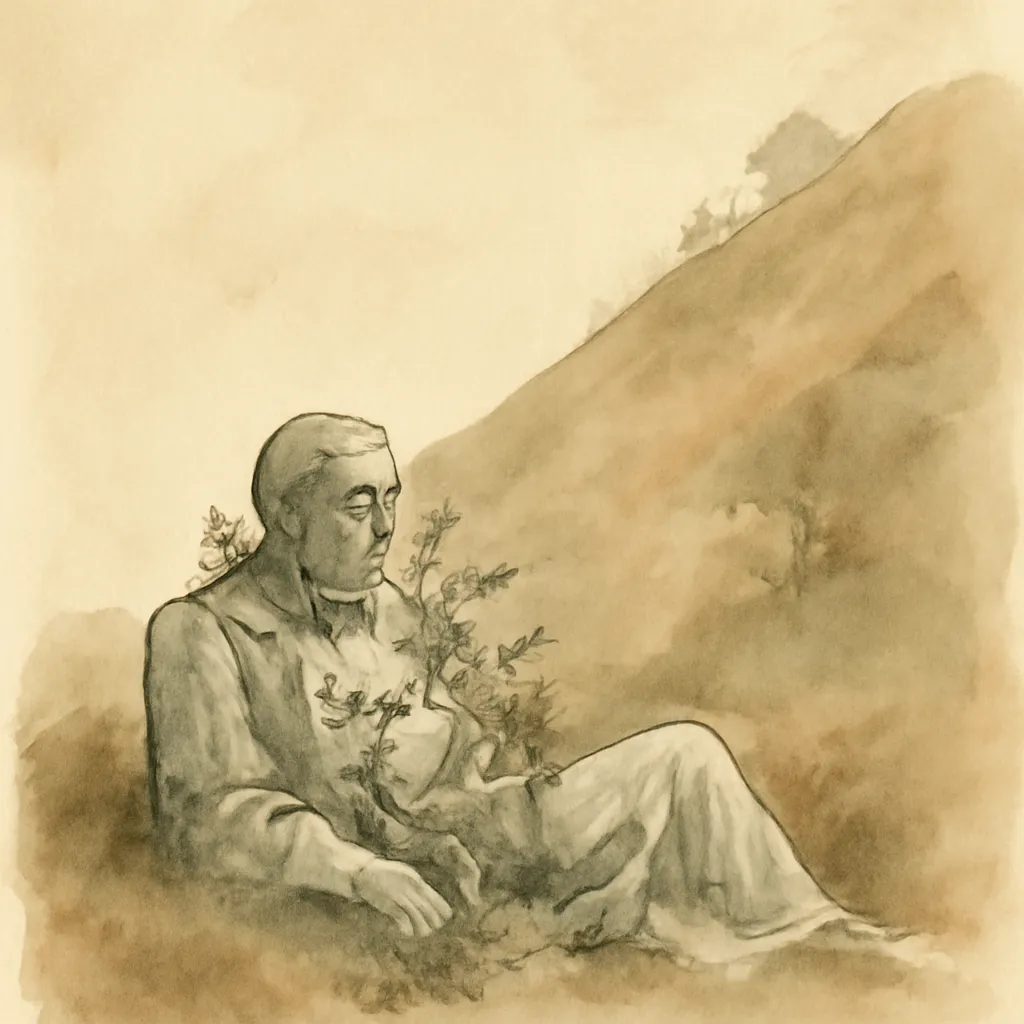
The ultimate aim of the dark night is union with God—a state of deep, abiding love and peace that surpasses all understanding. This union is not achieved through effort alone, but by surrendering to the mysterious work of grace. John’s vision is both demanding and hopeful: the darkness is temporary, and on the other side awaits a profound intimacy with the divine.
6.The Poetic and Symbolic Language
John’s use of poetry and metaphor enriches his teaching, inviting readers to experience the ineffable aspects of the spiritual journey. The language of night, darkness, and longing evokes the soul’s yearning and the paradoxical nature of divine encounter—where loss becomes gain, and emptiness is filled with presence.