

Biography · Bishops · Catholic Church
The Deeds of the Bishops of England by William of Malmesbury — Summary, Key Ideas & Quotes
2002320 pages✦ 3-min Big ideas
Rate it
"William was born c.1095 not far from Malmesbury in Wiltshire; he entered the monastery at Malmesbury as a boy, and stayed there as a monk for the rest of his life, writing works which were to win him lasting fame as a historian. His Deeds of the Bishops of England chronicles the activities of the bishops in all the dioceses of England from Augustine's arrival in Canterbury in 597 down to the 1120s when the work was being written; in addition to bishops and cathedrals, William also includes saints who were not bishops, and religious houses other than cathedrals. For the period after Bede's death in 730, this is the most important single source for English church history, and indeed, together with William's other great achievement, the Deeds of the Kings of England, for the history of England. Much of the material William retells in his own style, and with considerable narrative skill, from earlier sources available to him in the monastic library. But he also travelled widely in England, and the organisation of the Deeds reflects a clear chronological and topographical order, from Canterbury and Rochester to London, East Anglia and Wessex, north to York, Lindisfarne and Durham, thence to Mercia, and finally, 'returning home after a long journey', to his own abbey of Malmesbury and St Aldhelm."--Jacket.
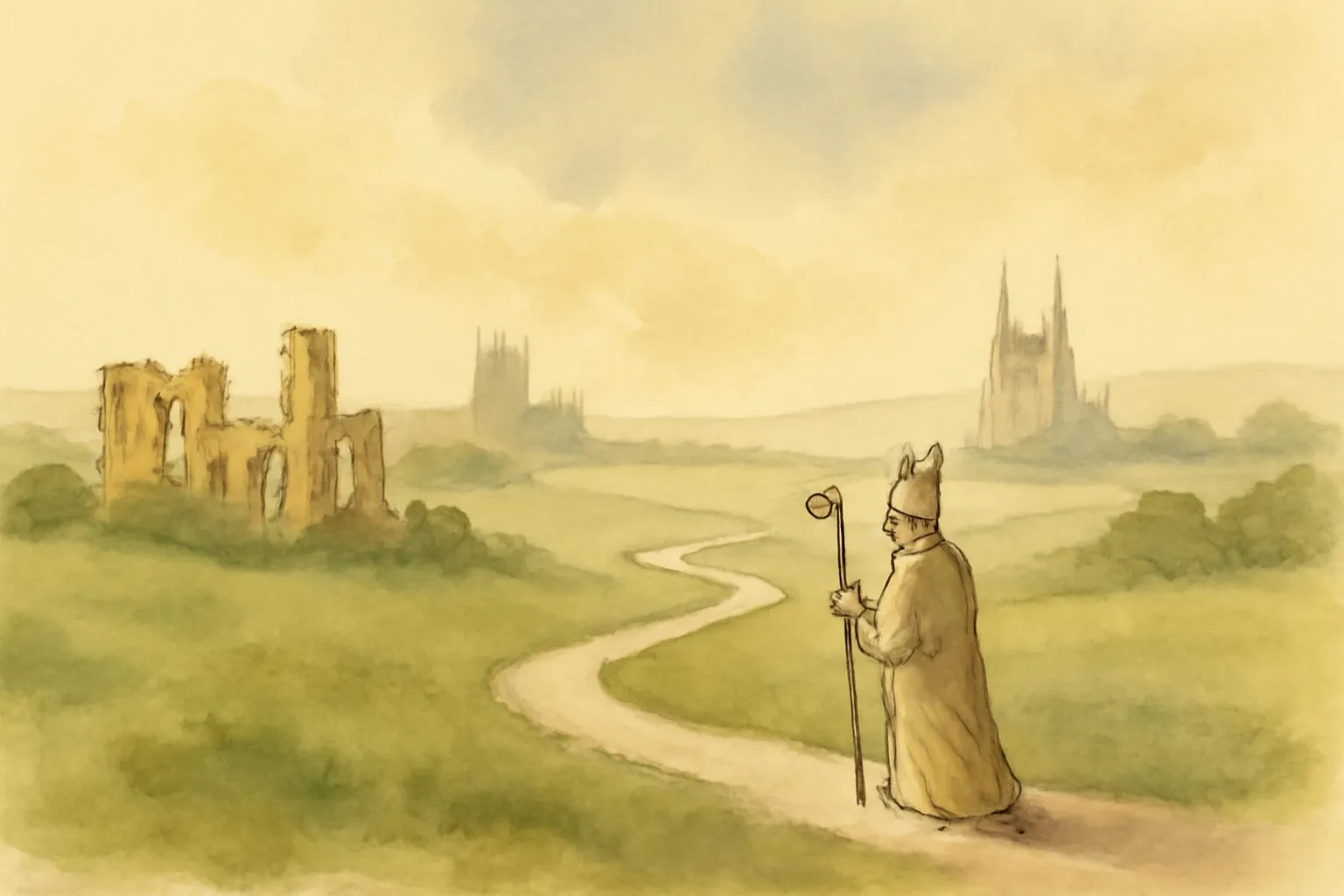
William’s work is the most comprehensive single account of English bishops from the arrival of Augustine in 597 up to the early 12th century. He organizes his narrative both chronologically and geographically, providing a sweeping overview that moves from Canterbury through all the major dioceses of England. This approach not only gives readers a sense of the church’s national development but also highlights the regional diversity of English Christianity.
Unlike many chroniclers of his era, William combines careful use of earlier written sources with his own observations and travels. He visited numerous cathedrals and religious houses, gathering oral traditions and local lore. This dual approach lends his work both scholarly weight and a vivid, sometimes personal immediacy, allowing him to correct, supplement, or question previous accounts.