1.A Panoramic Survey of English Ecclesiastical History
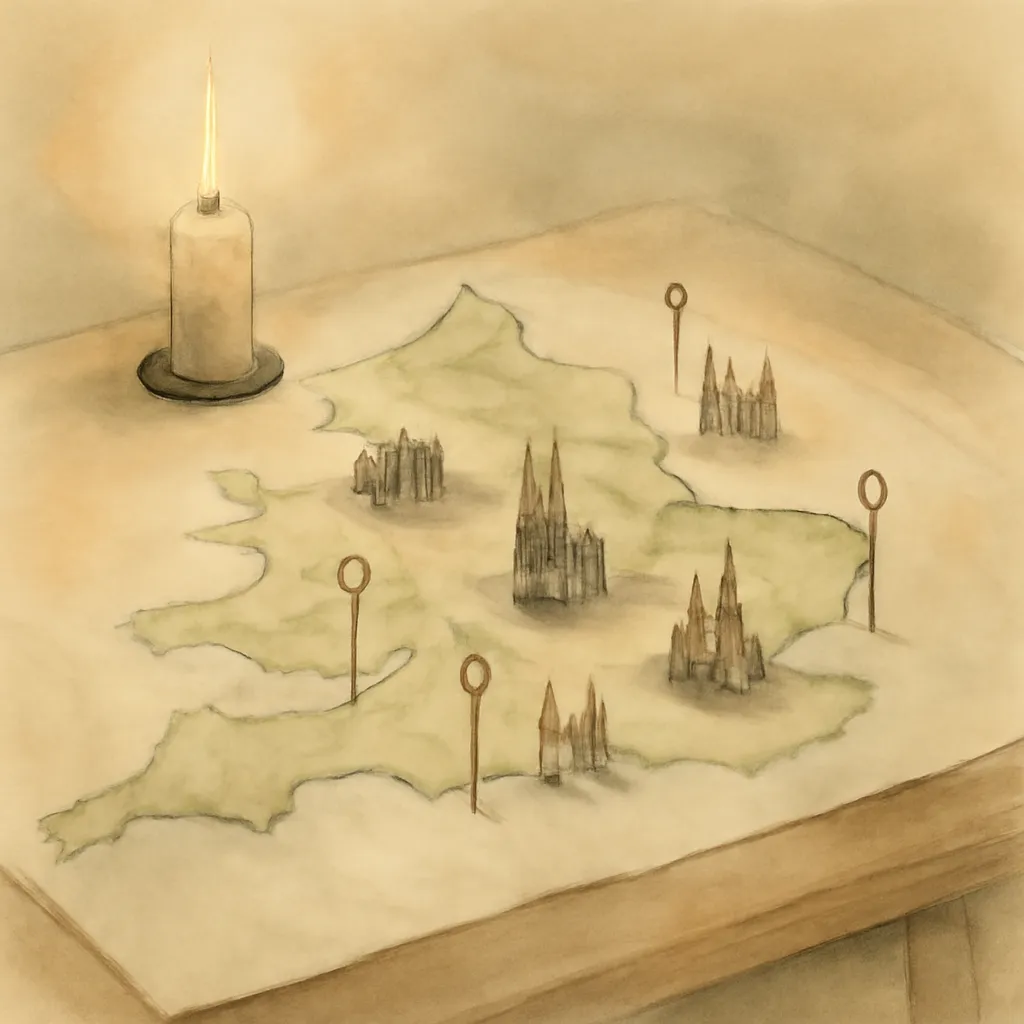
William’s work is the most comprehensive single account of English bishops from the arrival of Augustine in 597 up to the early 12th century. He organizes his narrative both chronologically and geographically, providing a sweeping overview that moves from Canterbury through all the major dioceses of England. This approach not only gives readers a sense of the church’s national development but also highlights the regional diversity of English Christianity.
2.Blending Scholarship with Firsthand Observation
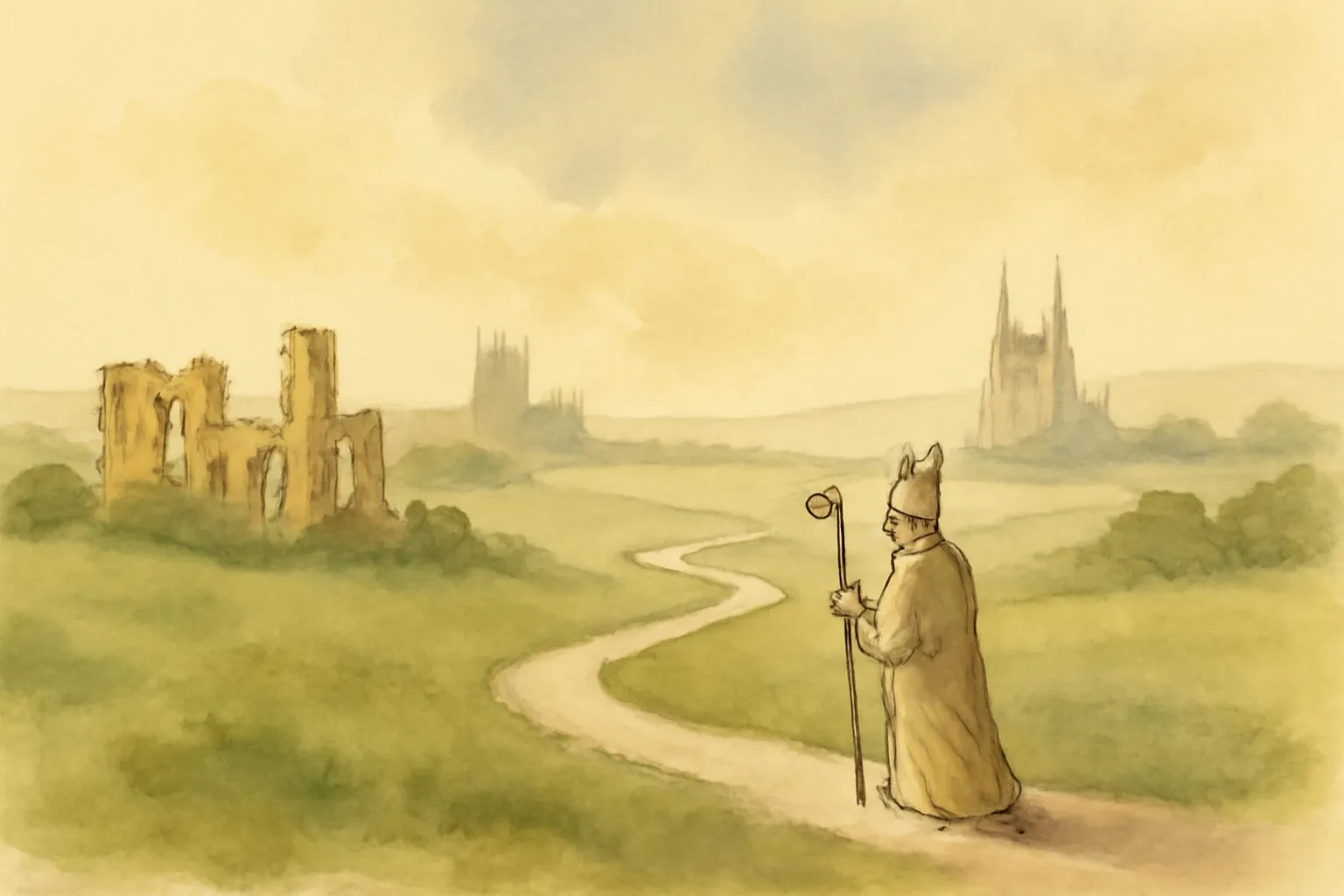
Unlike many chroniclers of his era, William combines careful use of earlier written sources with his own observations and travels. He visited numerous cathedrals and religious houses, gathering oral traditions and local lore. This dual approach lends his work both scholarly weight and a vivid, sometimes personal immediacy, allowing him to correct, supplement, or question previous accounts.
3.Portraits of Bishops as Moral and Political Actors
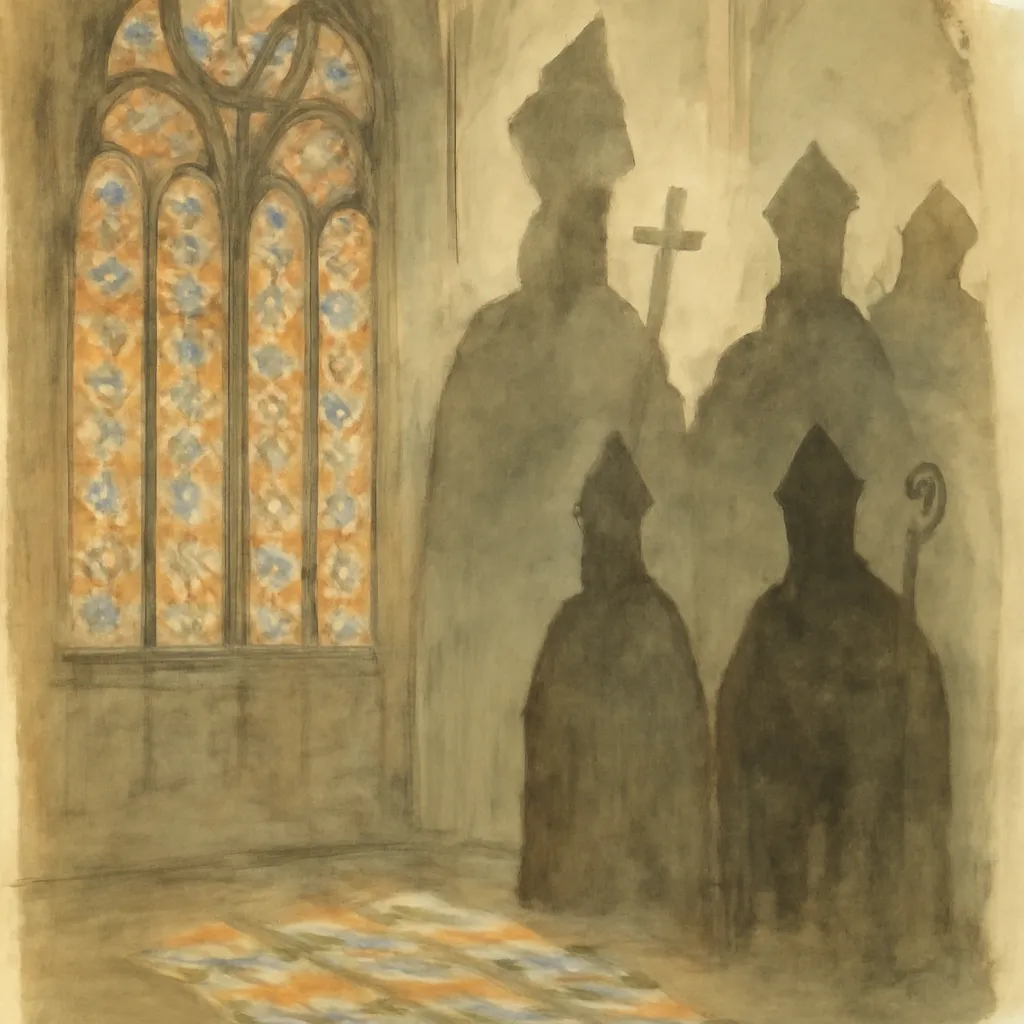
William is not content to list bishops and their deeds; he crafts character studies that reveal their virtues, vices, and political maneuverings. Bishops emerge as complex figures—sometimes saints, sometimes schemers—whose actions influenced not only the church but also the wider political landscape of medieval England. This nuanced treatment invites readers to reflect on the interplay between personal morality and institutional power.
4.The Church as a Shaper of English Identity
Through his narrative, William underscores the pivotal role of the church in forging a sense of English identity. The bishops are depicted as both spiritual leaders and agents of cultural continuity, mediating between local traditions and the universal church. The book thus illuminates how religious institutions helped knit together a diverse and often fractious realm.
5.Critical Engagement with Sources and Hagiography
William is notably critical and discerning in his use of sources, especially when recounting the lives of saints and miracle stories. He often expresses skepticism about legendary material, seeking to distinguish fact from pious fiction. This critical stance marks him as a historian ahead of his time, and it makes his work particularly valuable for modern readers seeking a more reliable account of early English Christianity.
6.A Window into Medieval Monastic Culture
The book is also a reflection of the intellectual life of 12th-century monasticism. William’s erudition, curiosity, and moral seriousness exemplify the ideals of his Benedictine community. His work reveals not only the history of the bishops but also the values and worldview of the monastic milieu from which he wrote.