

Cosmology · Exobiology · Religion and science
Death by Black Hole by Neil deGrasse Tyson — Summary, Key Ideas & Quotes
2007384 pages✦ 3-min Big ideas★ 4.3 (8)
Rate it
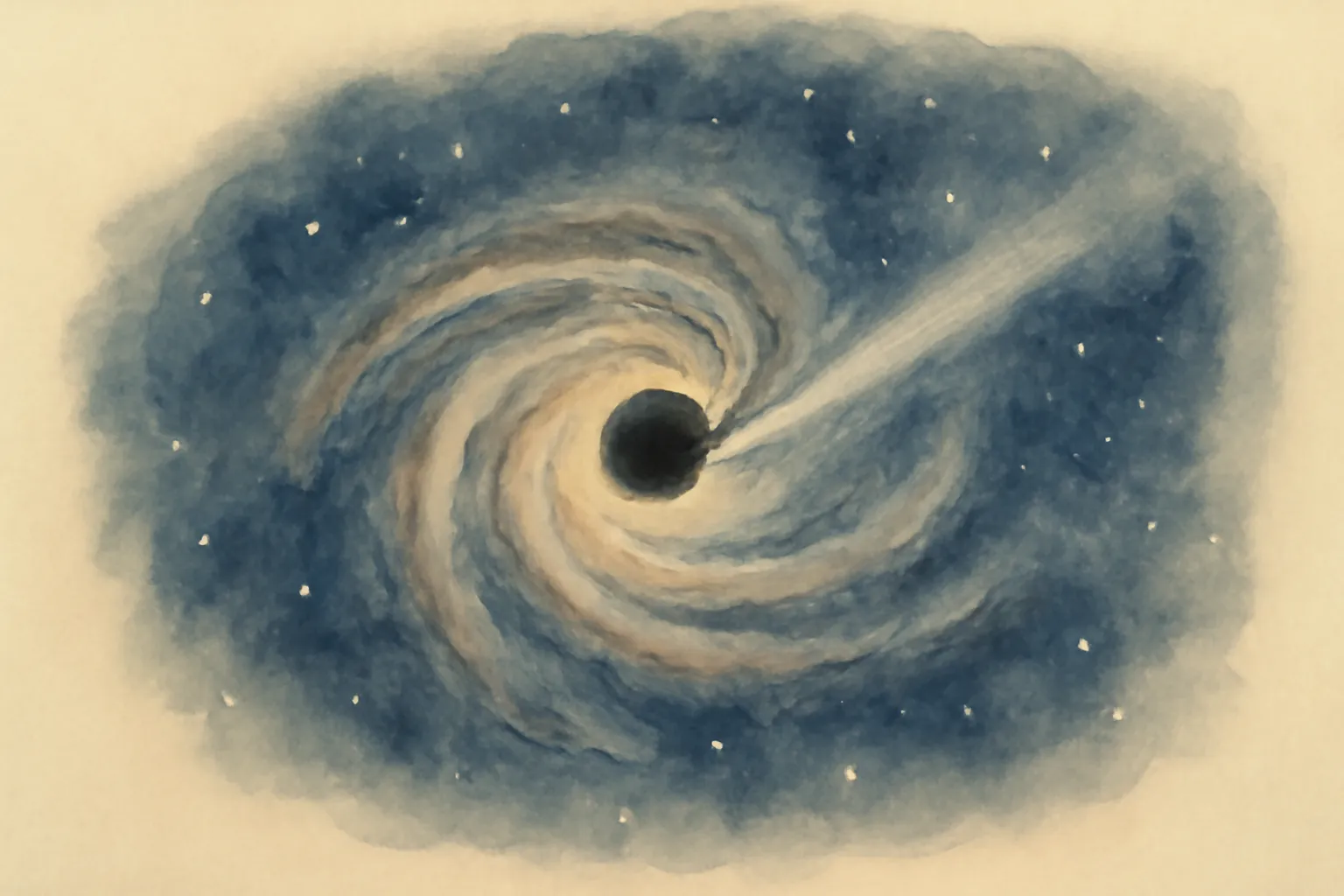
Tyson emphasizes that while the universe operates according to consistent physical laws, these laws often defy our everyday intuition. He explores how scientific inquiry—through observation, experimentation, and skepticism—allows us to uncover truths about black holes, time, and the fabric of space. The book encourages readers to embrace the counterintuitive aspects of physics, reminding us that our senses and instincts evolved for survival, not for understanding cosmic phenomena.
A recurring theme is the scientific method’s role in advancing knowledge and confronting mystery. Tyson illustrates how science is a self-correcting process, where hypotheses are tested and revised. He discusses the boundaries of scientific understanding—what we know, what we don’t, and how we push those boundaries. This approach fosters humility and awe, showing that science is not about having all the answers, but about asking the right questions.
“The universe is under no obligation to make sense to you.”
“We are stardust brought to life, then empowered by the universe to figure itself out—and we have only just begun.”