

Nervous system · Neurosurgeons · Anecdotes
Do No Harm by Henry Marsh — Summary, Key Ideas & Quotes
2014320 pages✦ 3-min Big ideas★ 3.9 (9)
Rate it
In neurosurgery, more than in any other branch of medicine, the doctor's oath to "do no harm" holds a bitter irony. Operations on the brain carry grave risks. Every day, leading neurosurgeon Henry Marsh must make agonizing decisions, often in the face of great urgency and uncertainty. If you believe that brain surgery is a precise and exquisite craft, practiced by calm and detached doctors, this gripping, brutally honest account will make you think again. With astonishing compassion and candor, Marsh reveals the fierce joy of operating, the profoundly moving triumphs, the harrowing disasters, the haunting regrets, and the moments of black humor that characterize a brain surgeon's life. Do No Harm provides unforgettable insight into the countless human dramas that take place in a busy modern hospital. Above all, it is a lesson in the need for hope when faced with life's most difficult decisions.
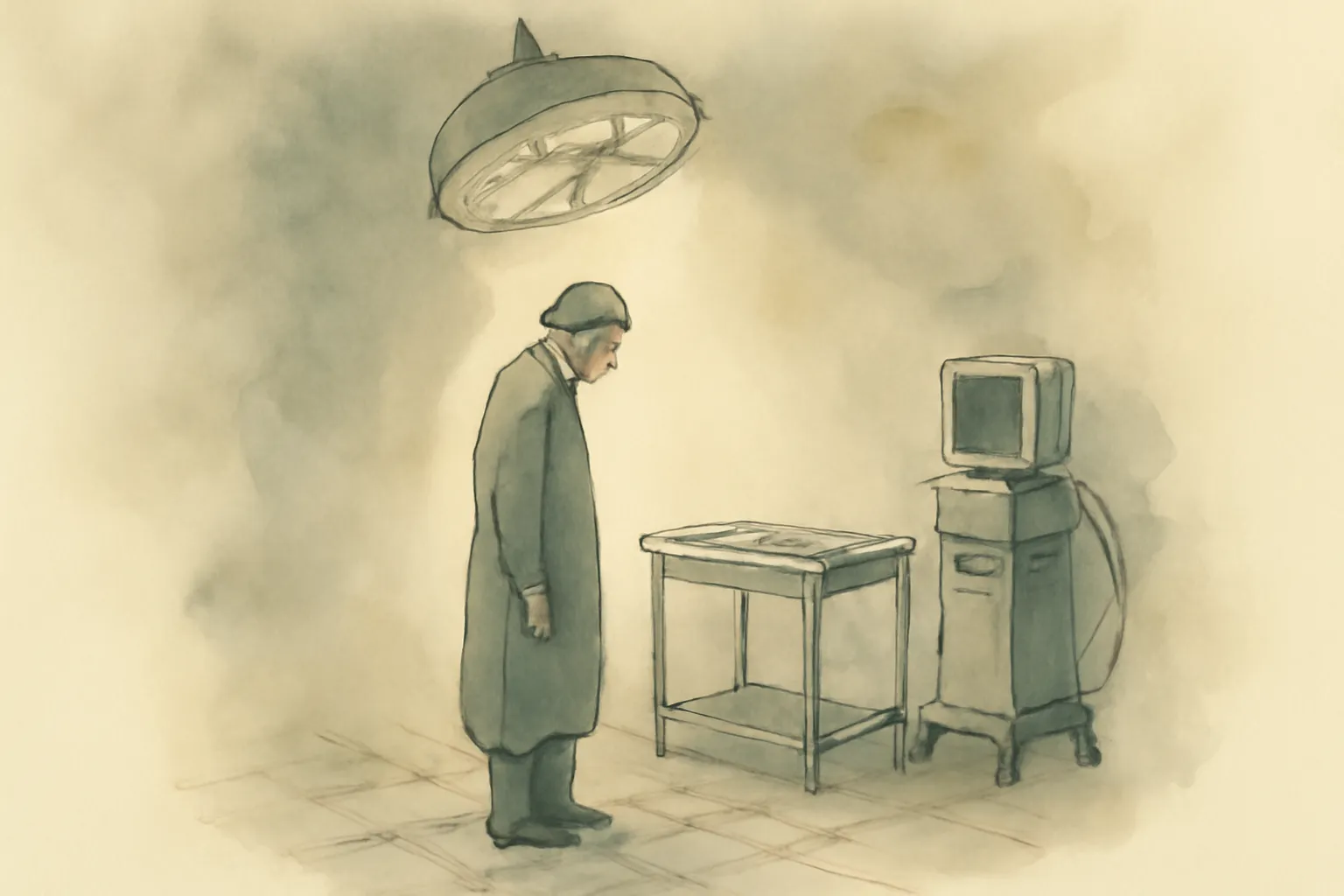
Henry Marsh lays bare the constant uncertainty that shadows every decision in neurosurgery. Unlike the popular image of the surgeon as a cool, decisive expert, Marsh shows how even the most experienced doctors must often act with incomplete information, weighing grave risks against the slim hope of benefit. He emphasizes that mistakes and complications are inevitable, and that the line between help and harm is often distressingly thin. This honest exploration of uncertainty challenges the myth of medical omnipotence, inviting readers to appreciate the courage and humility required in the field.
Marsh is unflinching in his discussion of error, regret, and guilt. He recounts cases where his interventions led to devastating outcomes, and how these experiences haunt him. Rather than shying away from his failures, he analyzes them, exposing the emotional cost to doctors as well as patients. This focus on vulnerability and fallibility is rare in medical memoirs, and it humanizes both the practitioner and the profession, offering a counterpoint to the stereotype of the detached, infallible surgeon.
“One of the essential skills of the surgeon is to have a talent for hope.”
“When push comes to shove, we are all just monkeys with computers.”