Anecdotes · Neurology · Neurologie
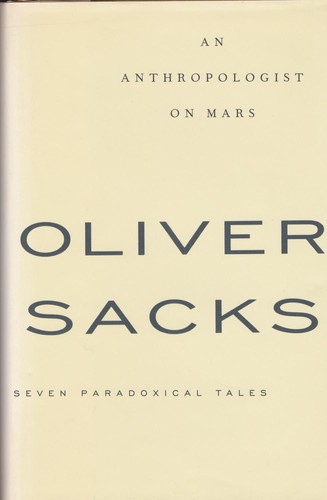
An Anthropologist on Mars by Oliver Sacks — Summary, Key Ideas & Quotes
1995351 pages✦ 3-min Big ideas★ 4.4 (7)
Rate it
Zeven portretten van buitengewone, neurologische patiënten.
Sacks reframes neurological disorders not as mere deficits, but as alternate ways of being. Each case study—ranging from autism to Tourette’s syndrome—shows how individuals construct meaningful lives with, and sometimes because of, their conditions. Rather than pathologizing, Sacks highlights the diversity of human experience, challenging readers to rethink what is 'normal.'
The book explores how people adapt to profound changes or limitations. For example, a painter who loses the ability to perceive color learns to see the world anew, while a surgeon with Tourette’s harnesses his tics into surgical precision. Sacks shows that adversity can drive ingenuity, and that the brain is remarkably plastic in finding new ways to function.
“If a man has lost a leg or an eye, he knows he has lost a leg or an eye; but if he has lost a self—himself—he cannot know it, because he is no longer there to know it.”
“To live on a day-to-day basis is insufficient for human beings; we need to transcend, transport, escape; we need meaning, understanding, and explanation; we need to see overall patterns in our lives.”