1.Neurological Difference as Human Variation
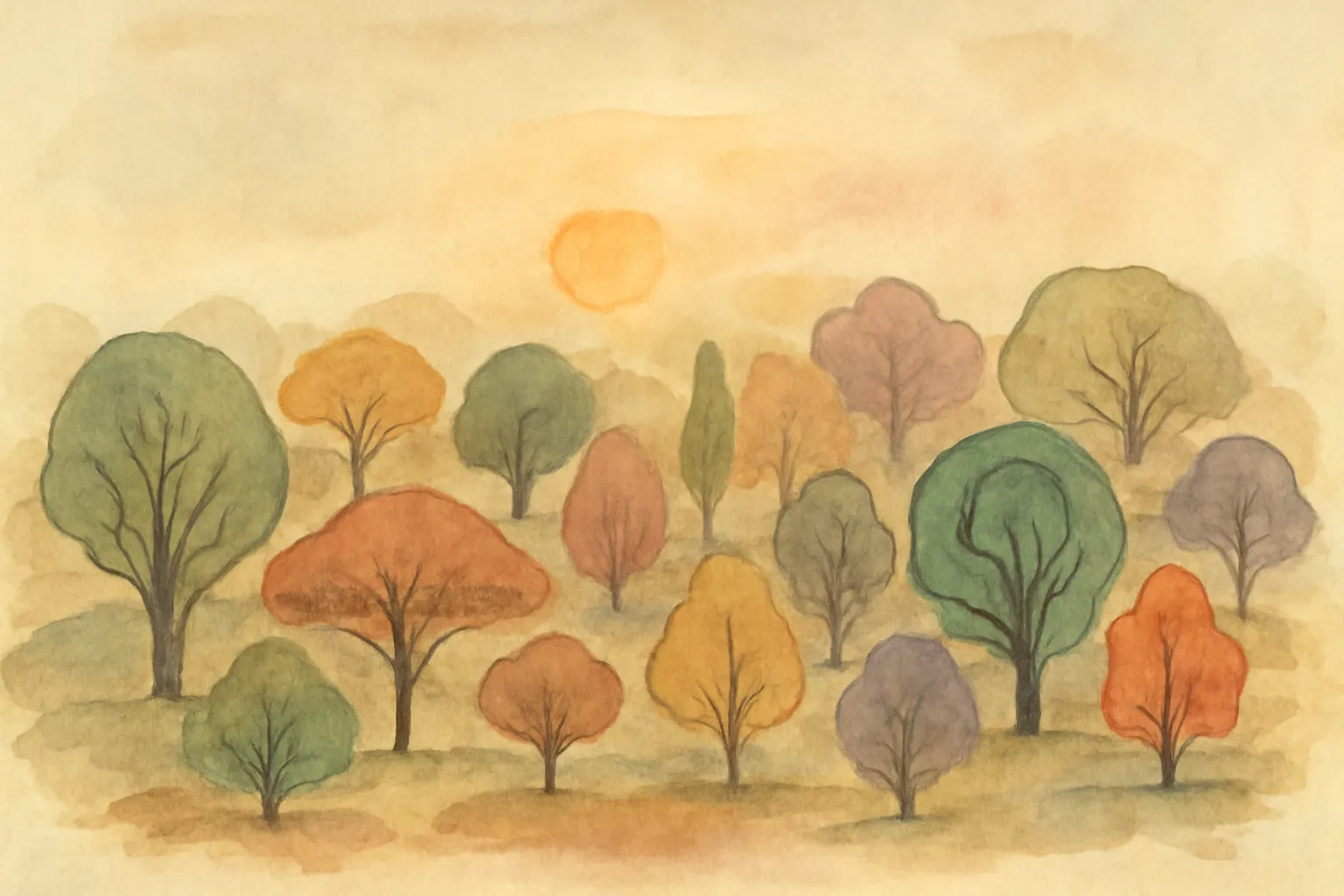
Sacks reframes neurological disorders not as mere deficits, but as alternate ways of being. Each case study—ranging from autism to Tourette’s syndrome—shows how individuals construct meaningful lives with, and sometimes because of, their conditions. Rather than pathologizing, Sacks highlights the diversity of human experience, challenging readers to rethink what is 'normal.'
2.Adaptation and Creativity
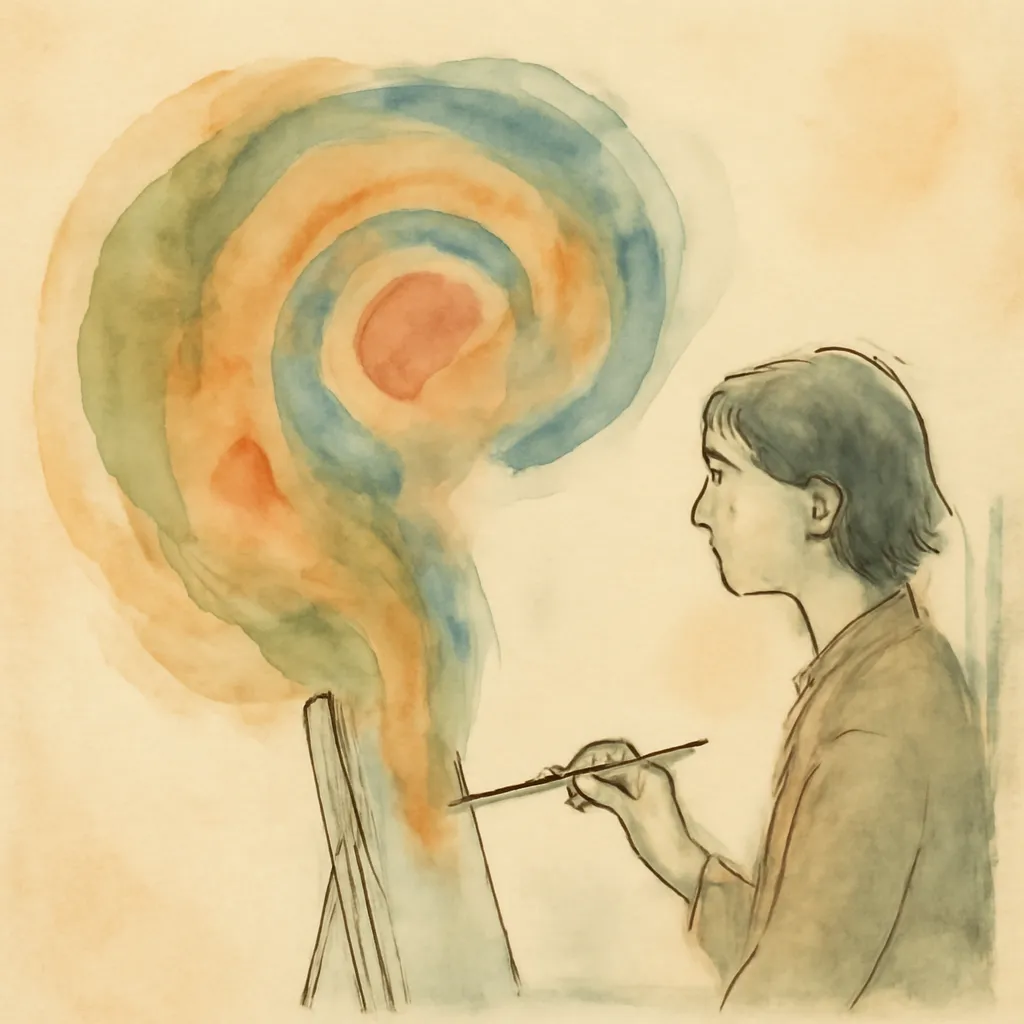
The book explores how people adapt to profound changes or limitations. For example, a painter who loses the ability to perceive color learns to see the world anew, while a surgeon with Tourette’s harnesses his tics into surgical precision. Sacks shows that adversity can drive ingenuity, and that the brain is remarkably plastic in finding new ways to function.
3.Identity and Self-Understanding
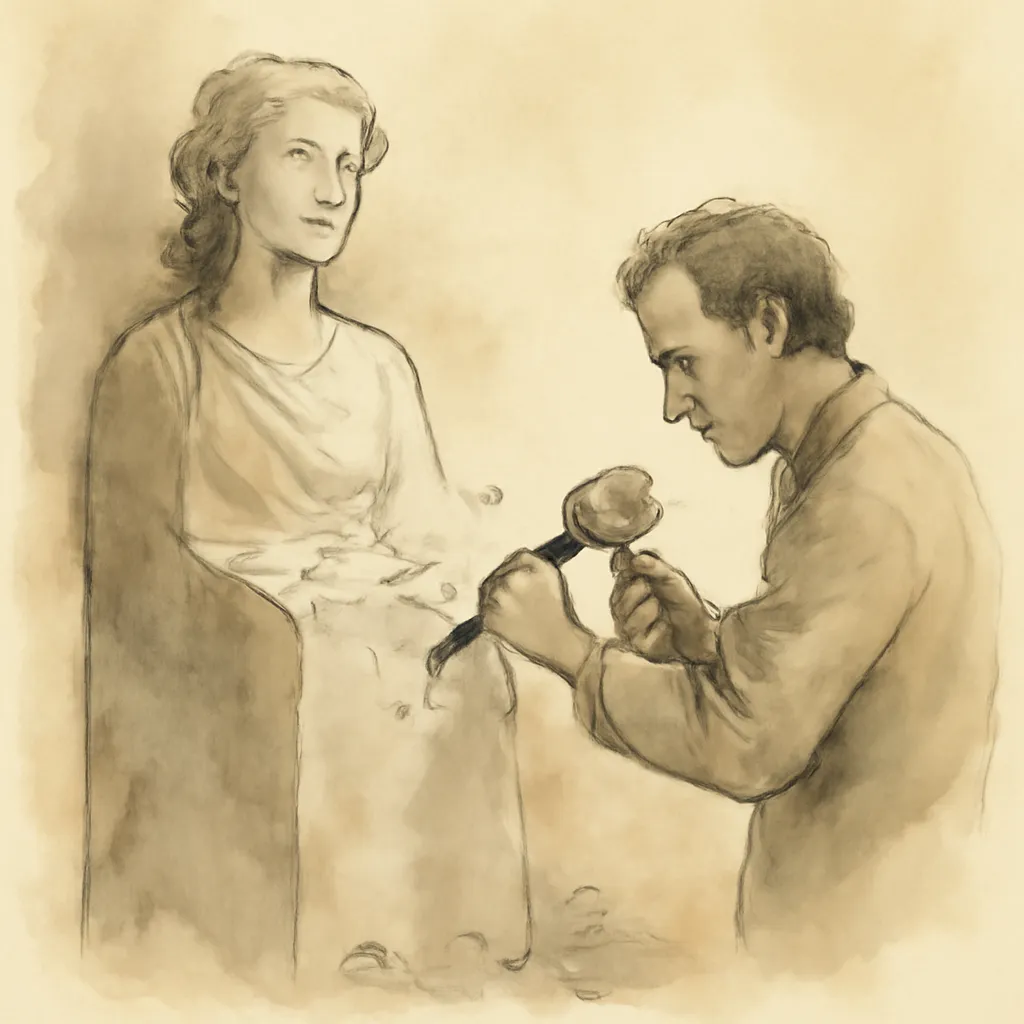
Sacks delves into how neurological conditions shape identity. He examines how people make sense of themselves when their perceptions or abilities differ radically from the norm. The stories reveal that selfhood is not fixed, but evolves through adaptation, self-reflection, and the narratives we construct about our experiences.
4.The Limits and Power of Empathy
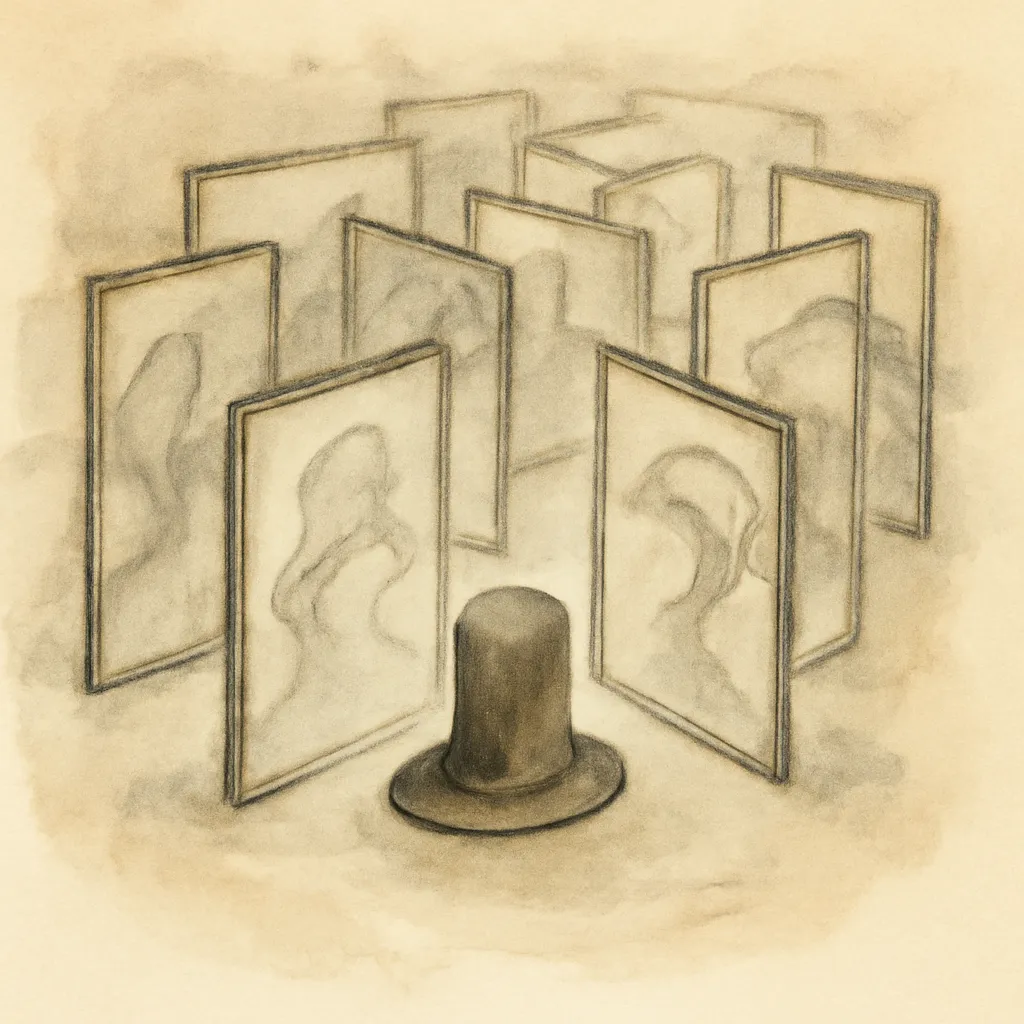
By immersing himself in his patients’ worlds, Sacks demonstrates the importance—and limitations—of empathy. He acknowledges that, as an outsider, he can never fully grasp their experiences, yet his efforts to understand reveal the value of listening, humility, and respect in medicine and beyond.
5.The Intersection of Science and Storytelling
Sacks blends clinical observation with rich narrative, showing that scientific understanding is deepened by personal stories. He argues that medicine is not just about diagnosing and treating, but about seeing patients as whole people whose stories matter. This humanistic approach bridges the gap between science and the lived experience of illness.
6.The Paradox of Disability and Gift
Several profiles in the book reveal how what might seem like a disability can also be a source of unique talent or perspective. For example, Temple Grandin’s autism enables her to revolutionize animal science. Sacks encourages readers to see beyond deficits and recognize the unexpected gifts that can arise from difference.