

Civilization · Psychoanalysis · Psychoanalysis and culture
Civilization and Its Discontents by Sigmund Freud — Summary, Key Ideas & Quotes
1930121 pages✦ 3-min Big ideas★ 3.4 (8)
Rate it
"Written in the decade before Freud’s death, Civilization and Its Discontents may be his most famous and most brilliant work. It has been praised, dissected, lambasted, interpreted, and reinterpreted. Originally published in 1930, it seeks to answer several questions fundamental to human society and its organization: What influences led to the creation of civilization? Why and how did it come to be? What determines civilization’s trajectory? Freud’s theories on the effect of the knowledge of death on human existence and the birth of art are central to his work. " - [W. W. Norton & Co.][1]
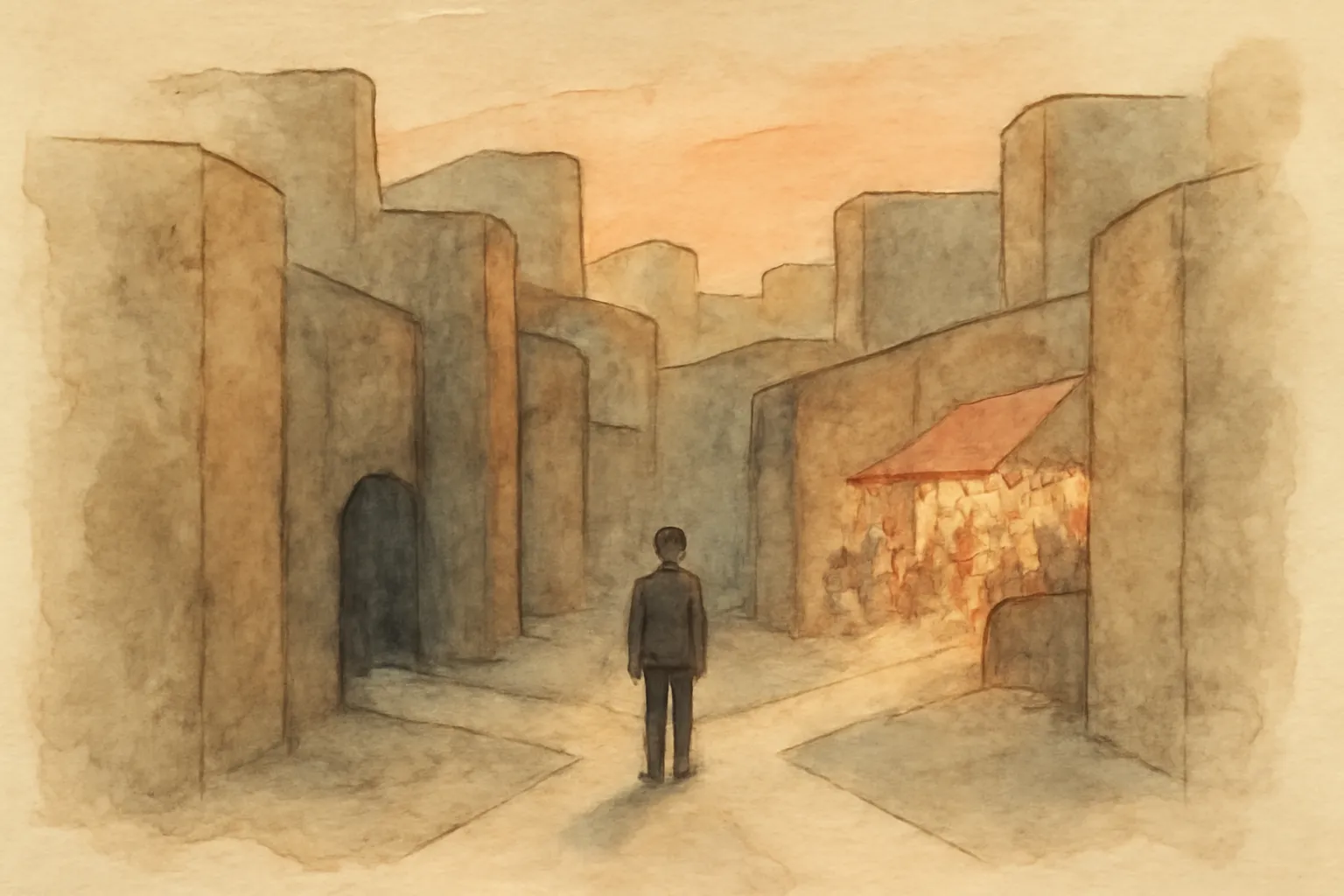
Freud argues that civilization is built on the suppression of individual instincts, especially aggressive and sexual drives. To live together peacefully, people must curb their primal urges, but this restraint comes at a psychological cost. The very rules and norms that allow societies to flourish also generate frustration and a sense of loss in individuals, leading to a persistent undercurrent of discontent.
Central to Freud’s thesis is the conflict between two fundamental drives: Eros (the life instinct, seeking love, connection, and creativity) and Thanatos (the death instinct, oriented toward aggression and destruction). Civilization tries to channel Eros into productive social bonds while containing Thanatos, but the tension between these forces never disappears, fueling both progress and unrest.
“The price we pay for our advance in civilization is a loss of happiness through the heightening of the sense of guilt.”
“Most people do not really want freedom, because freedom involves responsibility, and most people are frightened of responsibility.”
“Civilization began the first time an angry person cast a word instead of a rock.”
