
Textbooks · Civilization · Mathematics
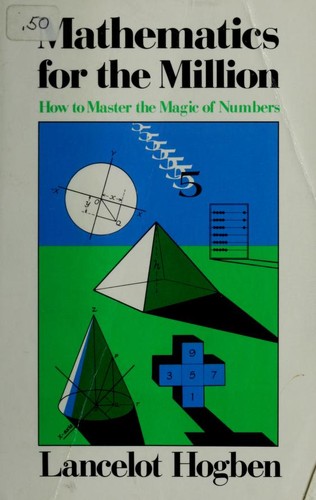
Mathematics for the Million by Lancelot Hogben — Summary, Key Ideas & Quotes
1936649 pages✦ 3-min Big ideas★ 2.3 (3)
Rate it
Taking only the most elementary knowledge for granted, Lancelot Hogben leads readers of this famous book through the whole course from simple arithmetic to calculus. His illuminating explanation is addressed to the person who wants to understand the place of mathematics in modern civilization but who has been intimidated by its supposed difficulty. Mathematics is the language of size, shape, and order—a language Hogben shows one can both master and enjoy.
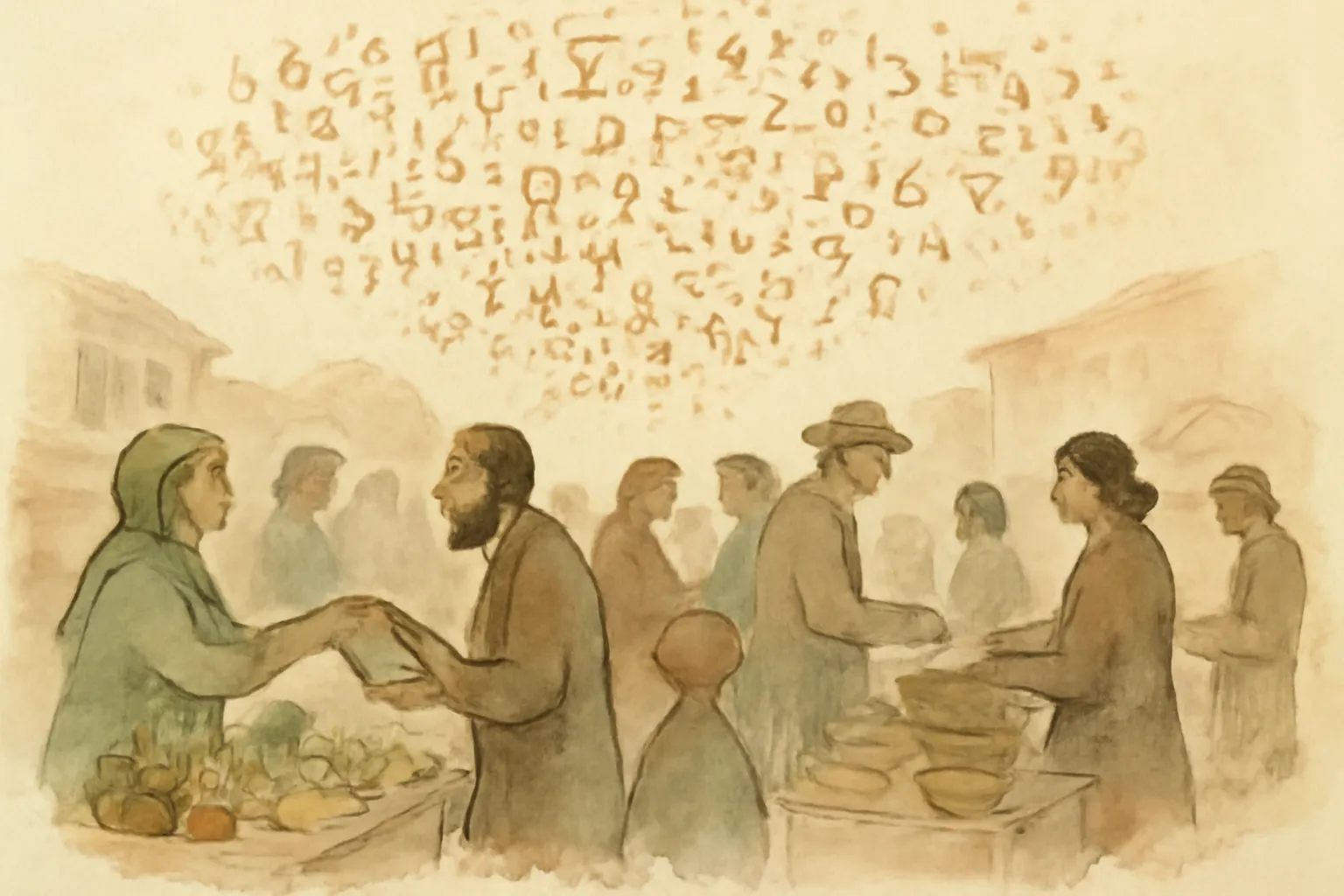
Hogben argues that mathematics is not an elite pursuit but a practical, collective achievement of humanity. He traces its origins to social needs—trade, land measurement, and governance—showing that mathematical ideas arise from real-world problems. By demystifying math’s evolution, Hogben encourages readers to see themselves as part of the same ongoing story, capable of understanding and using math in their own lives.
Instead of presenting math as a set of dry rules, Hogben weaves a narrative that connects mathematical development to historical events and societal changes. He emphasizes how mathematical discoveries were responses to human challenges, making the subject more relatable and less intimidating. This approach helps readers see math as a dynamic, human endeavor rather than a static body of knowledge.
“Mathematics is the language of size, shape, and order.”