1.Mathematics as a Social Tool
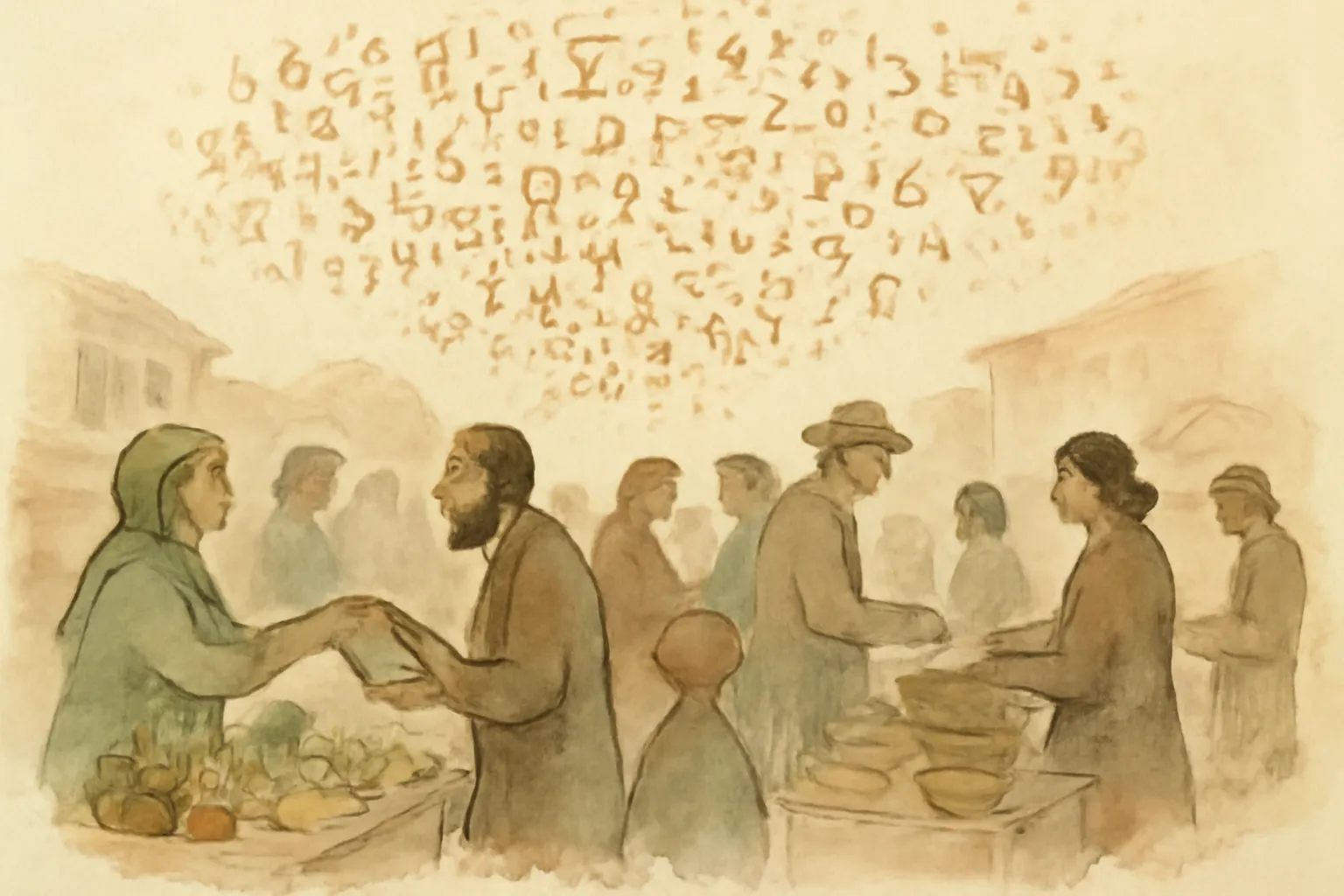
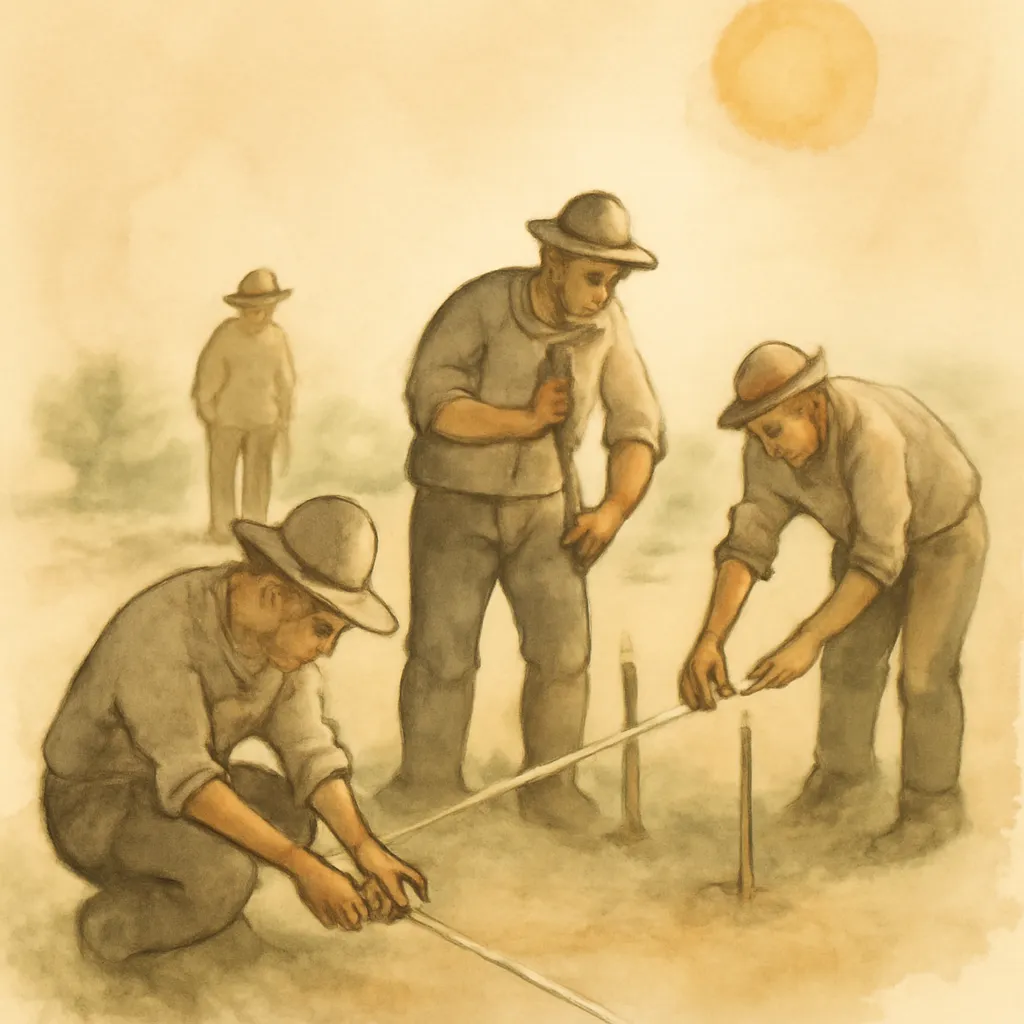
Hogben argues that mathematics is not an elite pursuit but a practical, collective achievement of humanity. He traces its origins to social needs—trade, land measurement, and governance—showing that mathematical ideas arise from real-world problems. By demystifying math’s evolution, Hogben encourages readers to see themselves as part of the same ongoing story, capable of understanding and using math in their own lives.
2.Historical Narrative Over Abstract Formalism
Instead of presenting math as a set of dry rules, Hogben weaves a narrative that connects mathematical development to historical events and societal changes. He emphasizes how mathematical discoveries were responses to human challenges, making the subject more relatable and less intimidating. This approach helps readers see math as a dynamic, human endeavor rather than a static body of knowledge.
3.Accessible Explanations for All
A core aim of the book is to remove the fear and mystique surrounding mathematics. Hogben deliberately avoids jargon and advanced prerequisites, building concepts step by step from arithmetic to calculus. His clear, conversational style and use of everyday examples make the material approachable, even for those who have struggled with math in the past.
4.Mathematics as a Language
Hogben famously describes mathematics as the language of size, shape, and order. He explains that, like any language, math is a tool for describing and understanding the world. By framing math as a means of communication rather than an abstract discipline, Hogben empowers readers to see it as something they can learn and use, not just admire from afar.
5.Empowerment Through Mathematical Literacy
Hogben believes that mathematical understanding is essential for informed citizenship in a modern, technological society. He warns against the dangers of mathematical ignorance, which can leave people vulnerable to manipulation or exclusion. By making math accessible, he hopes to democratize knowledge and foster critical thinking.
6.Critique of Traditional Math Education
The book is also a critique of how mathematics is typically taught—often as rote memorization disconnected from real life. Hogben advocates for teaching math through its practical uses and historical context, arguing that this approach not only makes the subject more interesting but also more meaningful and useful.